
Reviewed · SILFRA SNORKELING TOURS
Silfra: Diving Between Tectonic Plates
Silfra is one of the weirdest places on Earth. I love the 100m+ visibility that makes the underwater world look almost unreal, and I love the geology point of it all: you’re swimming between the American and European tectonic plates at Thingvellir. One possible drawback: this is a structured experience with a set time in the water, and the requirements are strict, so it’s not for everyone.
You’ll start in Thingvellir National Park, then gear up for a dry suit and head into Silfra’s cracks for roughly 45 minutes in the water. The cold is real, but the setup is designed for it—warm undersuit, dry suit, and a quick warm-up after.
If you’re comfortable with scuba rules, enjoy guided pacing, and you’re ready to meet Iceland’s chill head-on, this is the kind of trip that sticks. If you want a casual, no-credentials “just try it” session, you’ll need to look elsewhere.
In This Review
- Key highlights to look for
- Silfra’s 100m visibility and why it feels unreal
- Dry suits in near-freezing water: comfort tricks that actually help
- Thingvellir National Park: the UNESCO setting before you go under
- Your route through Silfra: Big Crack to Silfra Lagoon
- Guides, small groups, and the photo-friendly pacing
- Price and value: what $289 includes (and why it’s not just a ticket)
- Eligibility and restrictions: who should be ready, and who should skip it
- Who this suits best (and when another tour might fit better)
- Should you book Silfra at Thingvellir?
- FAQ
- What certification do I need to take part?
- How cold is the water, and what gear helps?
- How long will I spend in the water?
- Is hotel pickup included?
- What’s the group size like?
- Who is this not suitable for?
Key highlights to look for
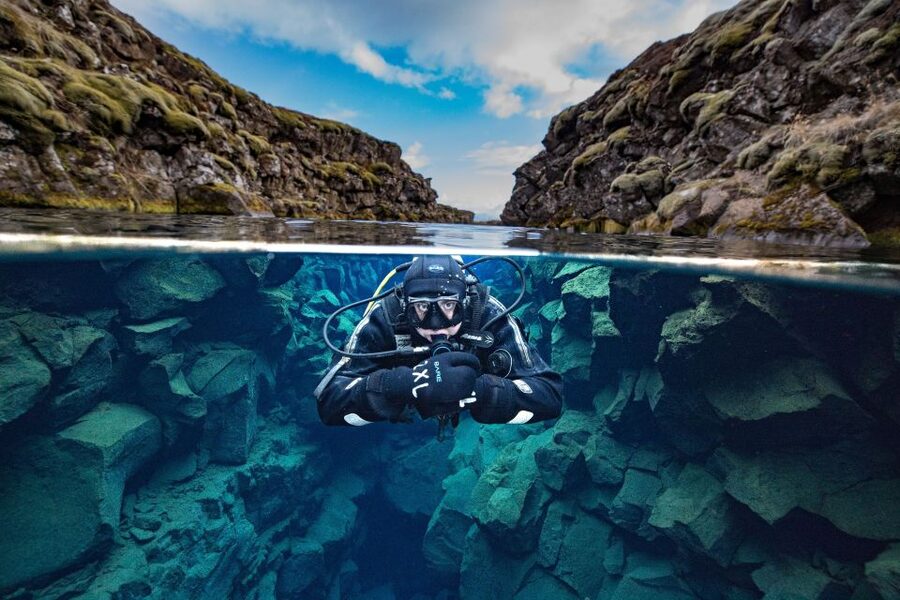
- Between continents: the only place in the world where you can swim between two tectonic plates
- Crystal-clear water: 100m+ visibility that turns rocks and cracks into a detailed underwater map
- Year-round 2°C water: you’ll use a dry suit system built for near-freezing conditions
- Four famous sections: Big Crack, Silfra Hall, Silfra Cathedral, and Silfra Lagoon
- Small-group feel: limited to 3 participants, which helps the guide manage your pace
- Thingvellir UNESCO stop: you’re not only underwater—you’re in a major Golden Circle landmark
Between two continents: other Silfra dives
- Silfra Snorkeling Between Continents Photos Included- Self Drive★ 5.0 · 3,427 reviews
- Silfra: Diving Between Tectonic Plates – Meet on Location★ 5.0 · 2,139 reviews
- Reykjavík: Silfra Fissure Snorkeling between Two Continents★ 4.7 · 1,712 reviews
Silfra’s 100m visibility and why it feels unreal
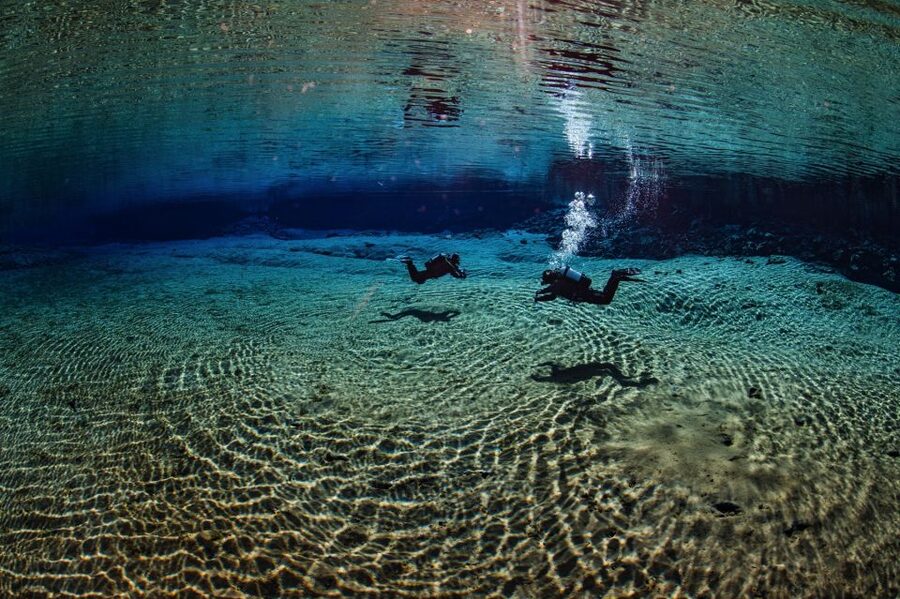
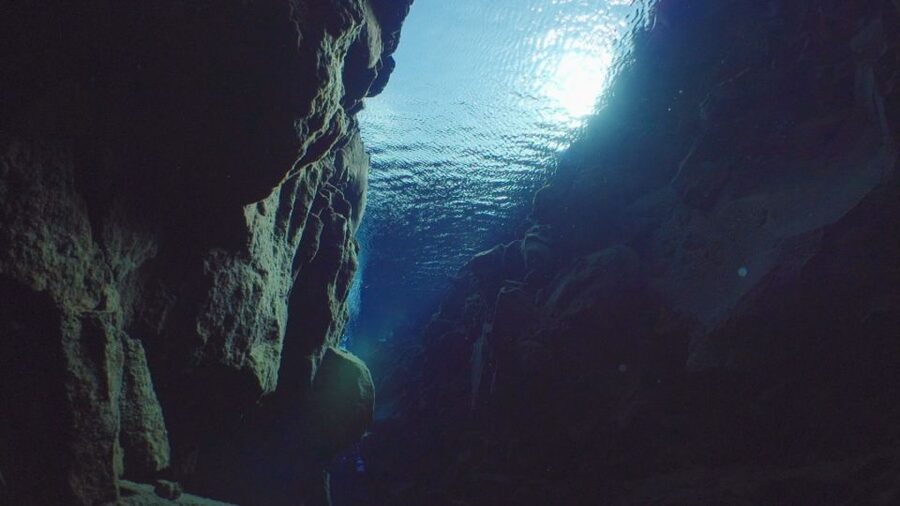
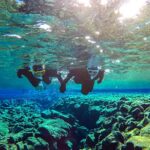
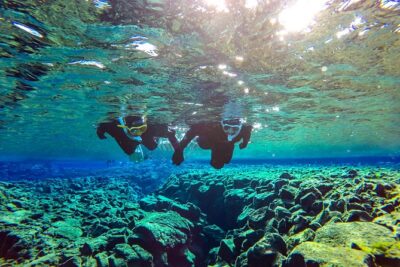
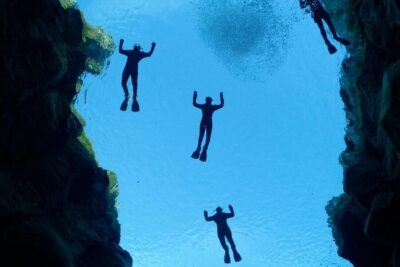
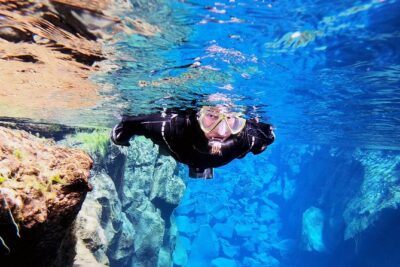
Silfra’s claim to fame is simple: you get some of the clearest water on the planet, with visibility listed at 100 meters or more. That matters because clarity changes what you notice. Instead of worrying about where your buddy is or what’s floating by, you can actually read the fissure itself—edges, cracks, and how the stone breaks apart.
On a normal scuba outing, you’re often half watching the water around you and half trying to look for shapes through haze. Here, the visibility lets you focus on detail. The fissure isn’t just a place you go; it’s the main character. When you look down and see the deep cracks below, it feels like the Earth has been cut open for your eyes only.
There’s another clever detail: the fisure sections are different in width and depth. So as you move through the route, your view changes from tight and close to wide and open. If you like underwater photography, you’ll appreciate that clear water reduces the “everything looks blurry” problem.
And yes, you’ll likely notice that the water isn’t the thing limiting your experience. The limitations tend to come from the environment itself—cracks, stone shapes, and where the route takes you—so your best moments come when you follow the guide’s guidance and slow down enough to look.
Dry suits in near-freezing water: comfort tricks that actually help
The water temperature is listed at 2°C year-round, no matter the weather. That’s the headline, but the real value is what the tour includes to deal with it.
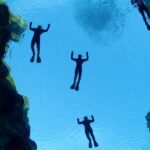
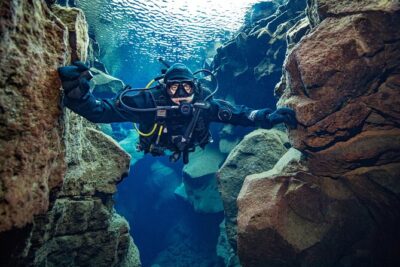
You’ll wear a dry suit plus a warm undersuit (both included). Dry suits change the whole game. Instead of trying to “tolerate” cold water with a thin wetsuit, you stay dry inside the suit, which helps you focus on the experience rather than surviving it.
Here’s what I’d plan for mentally: you still need to move carefully. Dry suits add bulk, and you’re in cold water, so you’ll want to keep your movements calm and efficient. Your breathing and buoyancy control matter even more in cold conditions, so the briefing before you go in isn’t a formality.
You’ll also get hot chocolate and cookies right after. That’s not a cute extra—it’s part of the rhythm. Cold air plus a warm drink helps you reset fast, especially if you’re coming from the city.
One practical tip for your comfort: dress like you’re going outside for a long time in Iceland. Warm layers under the suit system matter because you’ll be gearing up and waiting around before entering the water.
Thingvellir National Park: the UNESCO setting before you go under
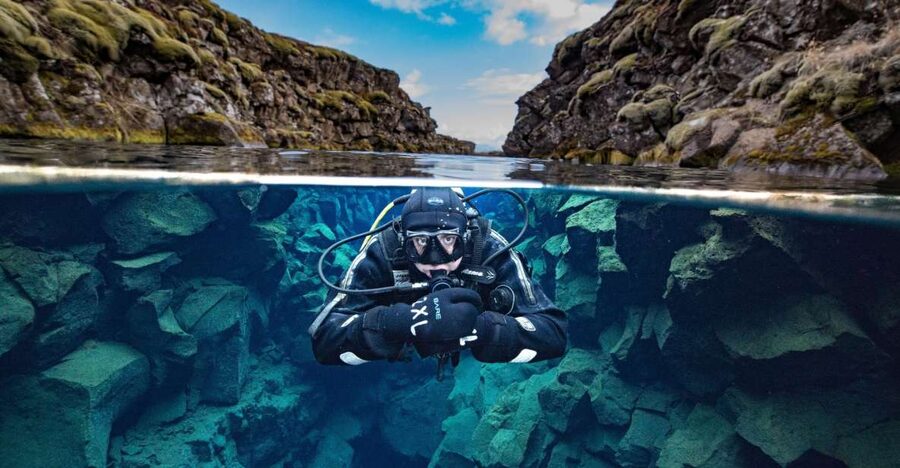
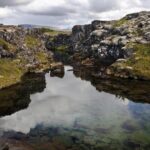
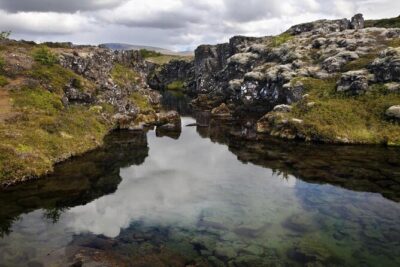
This outing is built around Thingvellir National Park, a major UNESCO World Heritage Site and one of the famous stops on the Golden Circle route. So you’re not just traveling to a dive spot—you’re arriving at a place with real historical and geological weight.
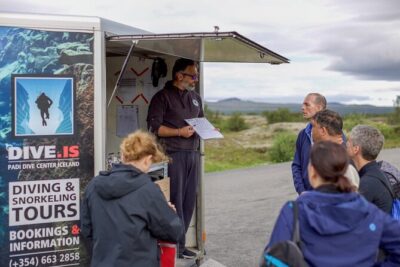
Before you ever enter the water, you’ll get briefed and geared up. That time is key because it helps you understand how Silfra works: where the fissure sections are, how your route flows, and what to pay attention to while you’re underwater.
Thingvellir’s role here is bigger than “waiting area.” It’s the surface story that makes the underwater story make sense. When you’re standing nearby, the fissure landscape helps you connect the cracks you’ll later see under the waterline to the tectonic story Iceland is famous for.
Also, being in a national park with guided structure helps keep things calm. You’re not wandering around on your own—your guide sets the pace, and your time is managed so you spend the right amount of it in the water and the right amount in preparation.
If you want value from your Iceland day, this is a smart pairing: one ticket connects a UNESCO site with a truly rare underwater geology experience.
Your route through Silfra: Big Crack to Silfra Lagoon
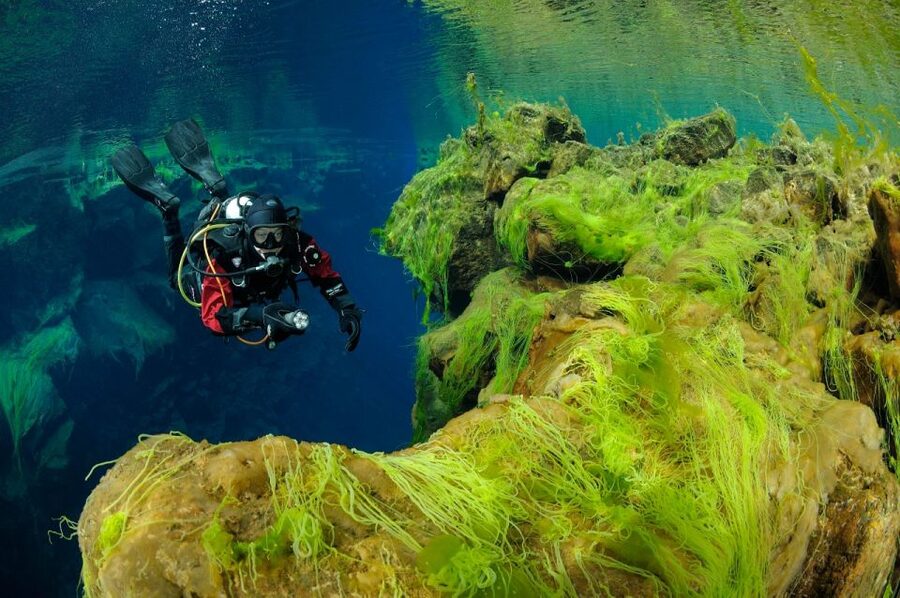
Your time in the water is listed at about 45 minutes, and it’s divided into multiple sections of the fissure. That structure is part of what makes Silfra feel like a mini journey instead of a single stop.
First up is Big Crack, the narrowest section where the tectonic plates lie close enough that you can basically touch the distance between them. This is the section that turns the concept into something physical. It’s hard to beat the feeling of seeing plate separation in a way that’s close, not abstract.
Then things widen into Silfra Hall. This is where you’re more likely to notice how the colors and clarity work together. The visibility is so strong that your brain starts treating the stone features like they’re crisp and close, even when you’re farther away than you’d expect.
One of the special viewing moments here: if you look at the right angle, you can see all the way to Lake Thingvallavatn, listed as over 150 meters away. That kind of distance check is what makes Silfra feel like a different planet—your sense of scale changes.
Next is Silfra Cathedral, near the opening of Thingvellir Lake, where depth reaches 23 meters. The cathedral concept matches the shape and openness you’ll experience—like the fissure becomes a structured space rather than a simple crack. If you’re the type who likes “when does it get deeper” moments, this is the one.
Finally, you exit into Silfra Lagoon, described as ending in endless visibility. It’s a great way to close: you return from a guided route to a wider-feeling finish where the water and stone stay clean and readable.
After you’re out, you’ll walk back about 250 meters to the meeting point area. It’s not far, but plan to take it slow. Cold hands and thick suit sleeves can make small tasks feel harder right after you exit.
Worth a look alongside this Reykjavik pick:

Guides, small groups, and the photo-friendly pacing
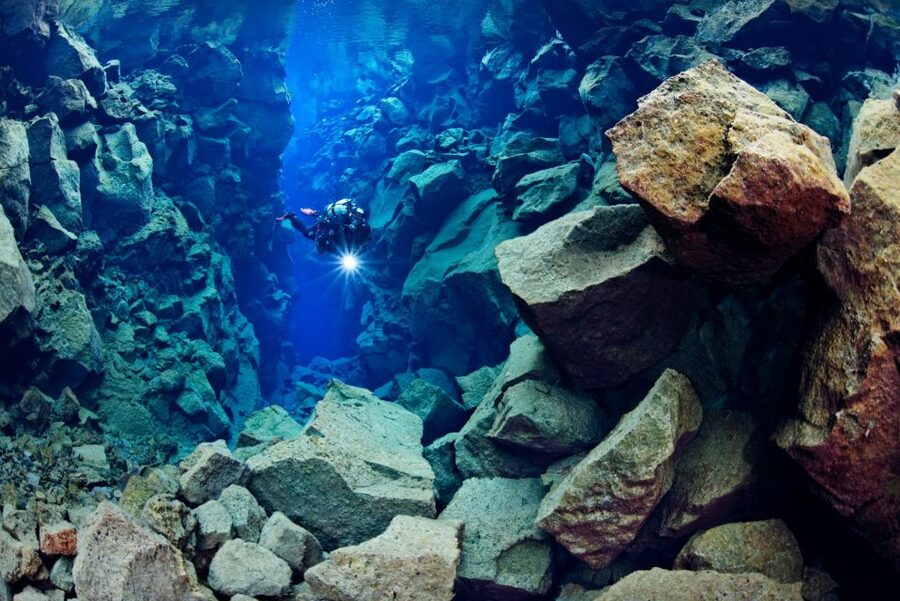
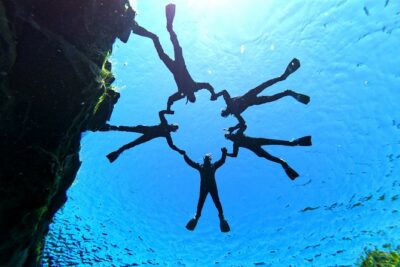
One of the best parts of this experience is the way it’s run: you’ll have a live guide who’s also a PADI instructor, and the group size is kept very small (listed as limited to 3 participants). That matters because Silfra isn’t a place for chaos. Cold water plus underwater skills means good coaching improves your comfort and safety.
The reviews I’ve seen around this route highlight friendly, competent guides and smooth gear. Names that came up include Filip and Giancarlo, both described as great and very good at making the experience feel personal.
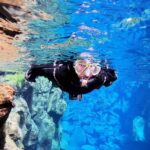
You may also find that your guide helps you slow down enough to capture photos. One diver had a relaxed setup with mostly one-on-one time, which gave extra opportunity for underwater pictures. That’s not something you can count on every day, but the small group structure makes it more likely than on big-boat tours.
If you’re a confident diver, you’ll still benefit from the guide’s knowledge of the fissure. If you’re newer to dry suit experience, you’ll benefit even more. Your guide is effectively your translator for the environment—where to look, how to position yourself, and how to move without stirring up sediment.
Price and value: what $289 includes (and why it’s not just a ticket)
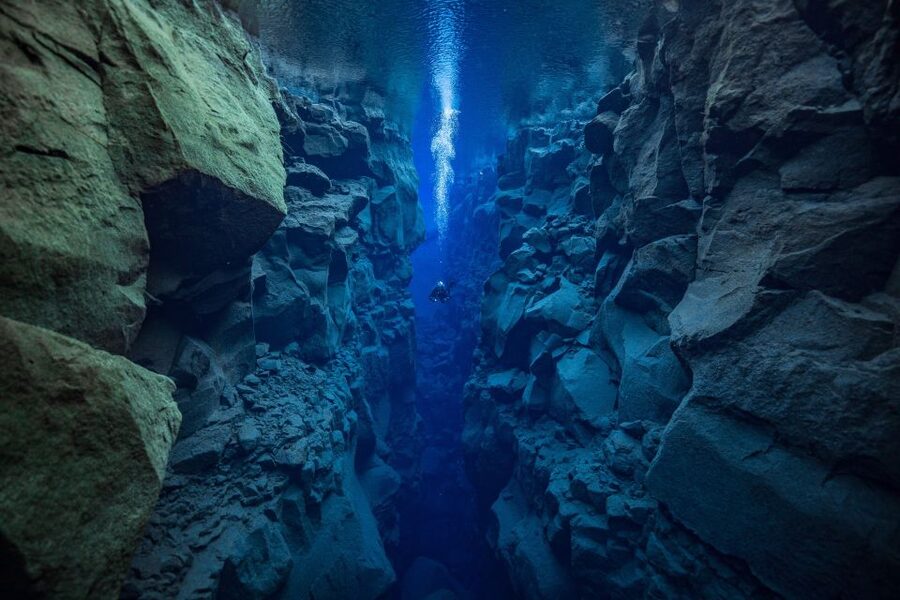
At $289 per person, Silfra isn’t a “budget activity.” But it’s also not just a fee to access water. What you’re paying for is a bundled system: guide time, specialized equipment, and the dry suit setup designed for near-freezing conditions.
Included items worth real money value:
- Silfra entry fee
- Live guide / PADI instructor
- Scuba equipment
- Drysuit and warm undersuit
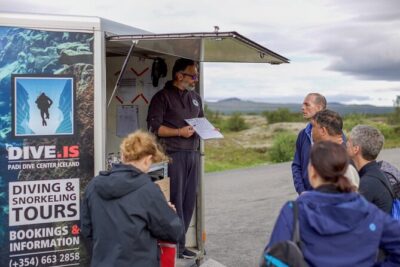
- Heated van to change clothes
- Hot chocolate and cookies
- Optional hotel pickup and drop-off, depending on what you choose
Then there’s the experience value: 100m+ visibility and the chance to swim between two continents. That’s not a common story in any country, and it’s not something you DIY on a random day.
The duration listed as 3–5 hours also matters. You’re not just collecting a quick moment; there’s time for gearing up (about 1 hour), the route setup, and then the underwater portion.
If you’re doing Iceland on a schedule, this price can look high until you count what’s handled for you. You don’t have to source dry suit gear, you don’t have to arrange entry, and you don’t have to manage the skill demands alone.
Eligibility and restrictions: who should be ready, and who should skip it
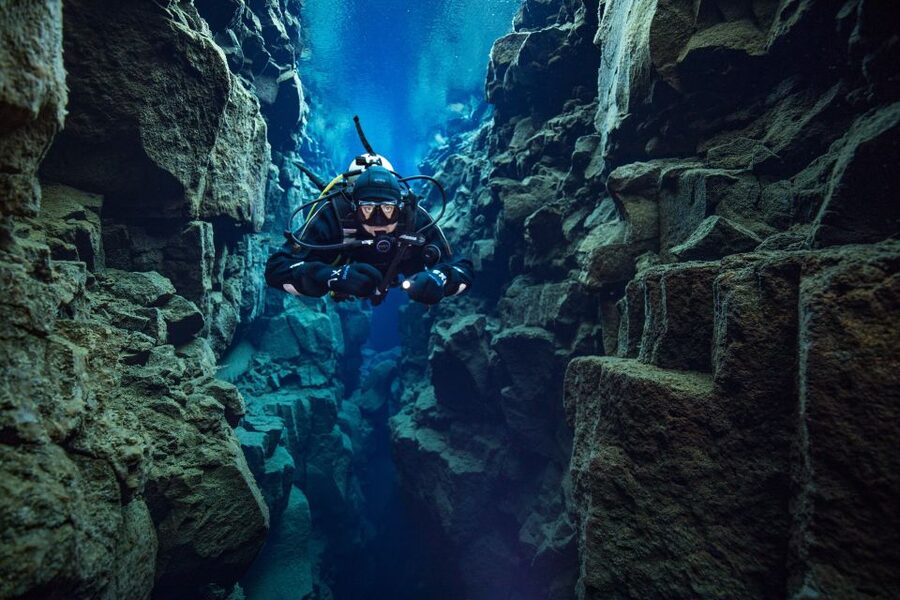
This is where you need to be honest with yourself. Silfra requires the right training, and the tour data is clear about that.
You must have:
- PADI Open Water certification or a comparable certification from another dive organization
- Dry suit training and proof of recent dry suit experience
- Either a logged dry suit entry within two years, or
- At least 10 logged dry suit entries within two years, with written confirmation from an instructor
- You’ll need to sign a Silfra medical statement
- You’ll need to sign a liability release at the start of the tour
- Minimum age is 17
There are also listed physical constraints:
- Not suitable for pregnant women
- Weight limit is over 120 kg / 264 lbs
- Height range is roughly 120–200 cm (not suitable below 120 cm or above 200 cm)
- Not suitable for people under 45 kg / 99 lbs
- People under 17 are not suitable
Also, alcohol and drugs aren’t allowed.
One more practical point: arrive about 15 minutes early. You’ll be changing into gear and going through briefing, and starting late adds stress in a cold environment.
If you meet the certification requirements, great. If you don’t, the smart move is to take the training first and plan Silfra as a later highlight after you’ve logged real dry suit experience.
Who this suits best (and when another tour might fit better)
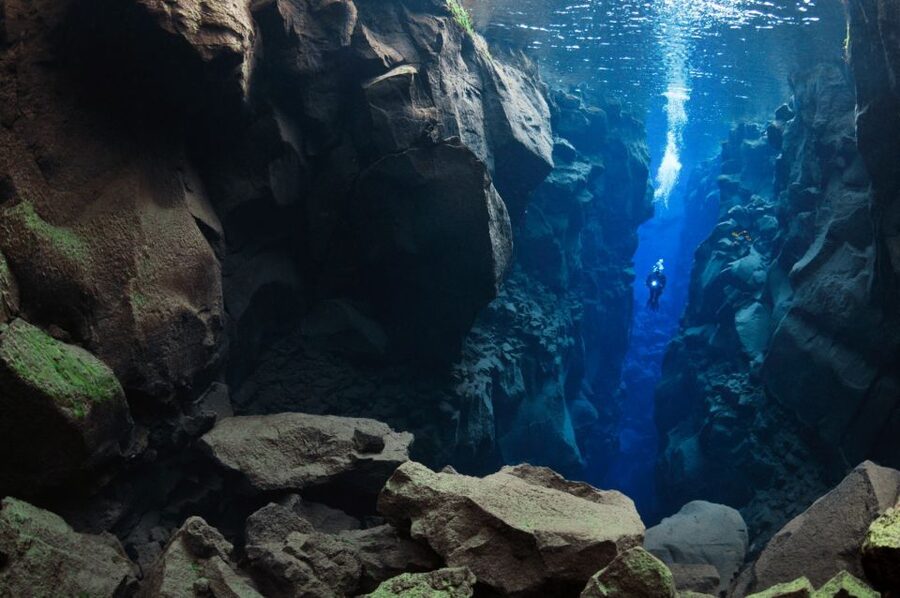
This outing is ideal if you:
- Want a once-in-a-lifetime geology story you can see with your own eyes
- Enjoy clear-water underwater scenes where visibility is part of the magic
- Already have scuba and dry suit experience (or you can get it)
- Prefer a tight group size for easier guidance and calmer pacing
It’s less ideal if you:
- Don’t have dry suit certification and proof
- Get overwhelmed by structured, rule-based activities
- Want a casual try-it experience without scuba credentials
- Are within the listed constraints (pregnancy, body-size limits, or age limits)
And based on a single mixed experience note, it’s also worth saying this gently: if you expected a more animated or extra-personal twist beyond the guided structure, you might find the format a little straightforward. The route is what it is, and the main satisfaction comes from the environment and clarity, not from theatrical instruction.
Should you book Silfra at Thingvellir?
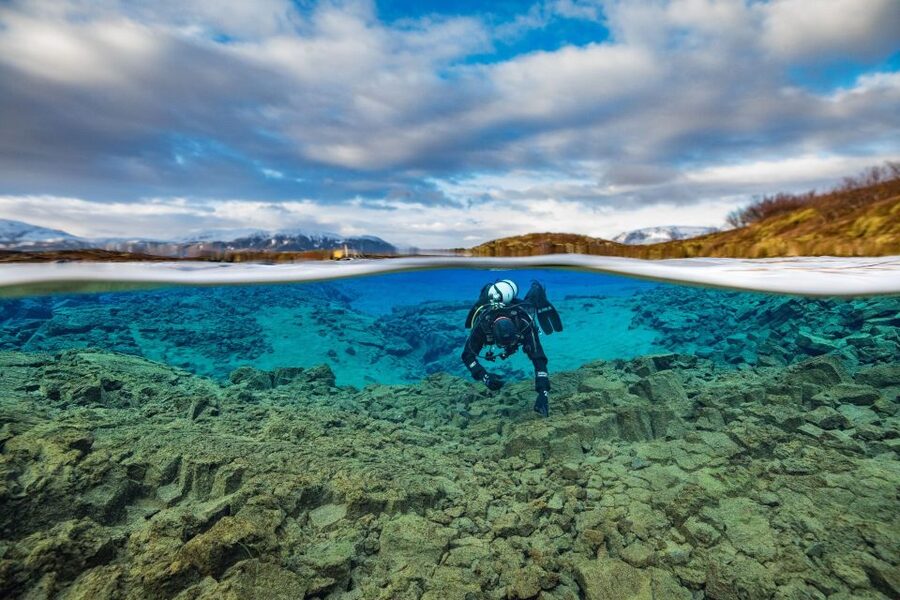
If you’re qualified for it and you can handle cold-water gear, I’d say yes. Silfra is built for people who want something genuinely rare: underwater plate separation with 100m+ visibility and a guided dry suit setup that keeps you warm enough to enjoy what you came for.
Book it if you’re already certified and you’re excited by geology and clarity more than thrill-only action. Pass if you don’t meet dry suit requirements, if the physical constraints affect you, or if you want a low-prep, casual activity.
And do one more thing before you commit: double-check your dry suit proof timeline. If you’re even slightly unsure, get the written confirmation sorted early. In Iceland, the logistics aren’t hard—but the qualification rules matter.
FAQ
What certification do I need to take part?
You need PADI Open Water certification (or a comparable certification), plus dry suit training and proof. The proof must be either a logged dry suit entry within the last two years, or at least 10 logged dry suit entries within the last two years, with written confirmation from a diving instructor.
How cold is the water, and what gear helps?
Silfra water is listed as 2°C year-round. The tour includes a drysuit and warm undersuit to help you stay warm and dry inside the suit.
How long will I spend in the water?
You’ll spend about 45 minutes exploring Silfra once you enter at the platform.
Is hotel pickup included?
Hotel pickup is included only if you select that option. Otherwise, you’ll meet the guide at Silfra in Thingvellir National Park.
What’s the group size like?
This is listed as a small group with limited to 3 participants.
Who is this not suitable for?
It’s listed as not suitable for pregnant women, and it has height, weight, and age limits. It also requires scuba and dry suit qualifications. Alcohol and drugs aren’t allowed.
More Scuba Diving in Reykjavik
More Tour Reviews in Reykjavik




More Snorkelling in Silfra

Fresh off the road around Reykjavik
Silfra Snorkeling Tours, compared.
 ★ 5.0Silfra: Snorkeling Between Tectonic Plates – Meet on LocationFrom $1545,001 reviews
 ★ 5.0Silfra Snorkeling Between Continents Photos Included- Self DriveFrom $1523,427 reviews
 ★ 5.0Silfra: Diving Between Tectonic Plates – Meet on LocationFrom $2542,139 reviews
 ★ 4.7Silfra Fissure Snorkeling between Two ContinentsFrom $1401,712 reviews
 ★ 5.0Silfra Drysuit Snorkeling with Free Photos – Meet on LocationFrom $1401,299 reviews
 ★ 5.0Silfra: Snorkeling Between Tectonic Plates Pick Up from ReykjavikFrom $2251,187 reviews
 ★ 5.0Silfra Drysuit Snorkeling Tour with Free Photos – From ReykjavikFrom $189624 reviews
 ★ 5.0Silfra: Diving Between Tectonic Plates and Pick Up from ReykjavikFrom $325590 reviews
Browse the lists this tour appears in