
Reviewed · SILFRA SNORKELING TOURS
Silfra: Snorkeling Between Tectonic Plates – Meet on Location
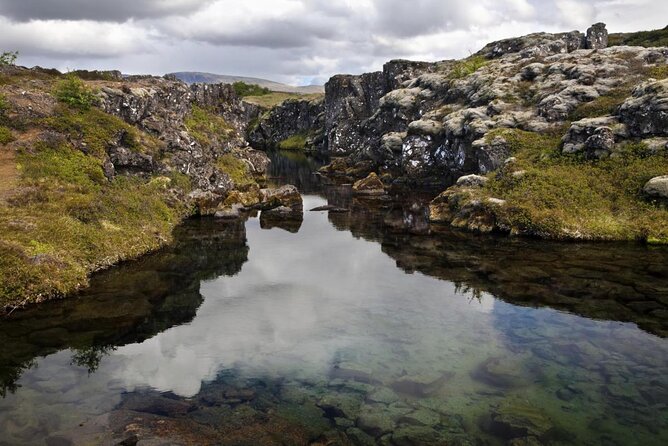
Swimming between continents sounds made up. Silfra lets you snorkel in glacial meltwater right where the European and North American tectonic plates meet. You get a guide who helps you stay warm in a drysuit setup, plus a route through Silfra Hall, Cathedral, and Lagoon.
I especially like the small group size (up to 6), because you get real attention when it comes to fit, buoyancy, and safety. The other big win: you’re not just shown a viewpoint, you swim through it, with a warm-up afterward (hot cocoa and cookies). One thing to consider is that the prep takes about an hour, and the drysuit can feel tight at first—so if confined gear makes you anxious, plan for that.
In This Review
- Key Highlights You’ll Feel Right Away
- Silfra Is Different: You’re Swimming Through a Geological Rift
- Gear-Up Takes Time, and That’s a Good Thing
- What the Guide Teaches Before You Enter the Water
- The Underwater Route: Hall, Cathedral, and Lagoon
- Thingvellir on Land: Why the Park Stop Isn’t Just a Detour
- Price and Value: What $154 Really Covers
- Cold-Water Reality Check (Without the Scare Tactics)
- Who Should Book This—and Who Should Skip It
- Small Group Energy, Photo Moments, and Guide Personality
- The Bottom Line: Should You Book Silfra Snorkeling?
- FAQ
- How long does the snorkeling portion last?
- What should I wear under the drysuit?
- Do I need to be a strong swimmer?
- Is there an age or medical requirement?
- Can I touch the tectonic plates underwater?
- What happens if I need to cancel or the weather is bad?
Key Highlights You’ll Feel Right Away
- A rare tectonic-plate snorkeling experience in Iceland’s Silfra fissure
- PADI instructor-led safety and comfort coaching before you enter the water
- Silfra Hall, Silfra Cathedral, and Silfra Lagoon in one short swim route
- Heated changing van plus a warm undersuit under the drysuit
- Hot chocolate and cookies after you’re back on land to reset your body
- Good value for what’s included, with entrance fees and all snorkeling gear covered
Between two continents: other Silfra dives
- Silfra Snorkeling Between Continents Photos Included- Self Drive★ 5.0 · 3,427 reviews
- Silfra: Diving Between Tectonic Plates – Meet on Location★ 5.0 · 2,139 reviews
- Reykjavík: Silfra Fissure Snorkeling between Two Continents★ 4.7 · 1,712 reviews
Silfra Is Different: You’re Swimming Through a Geological Rift
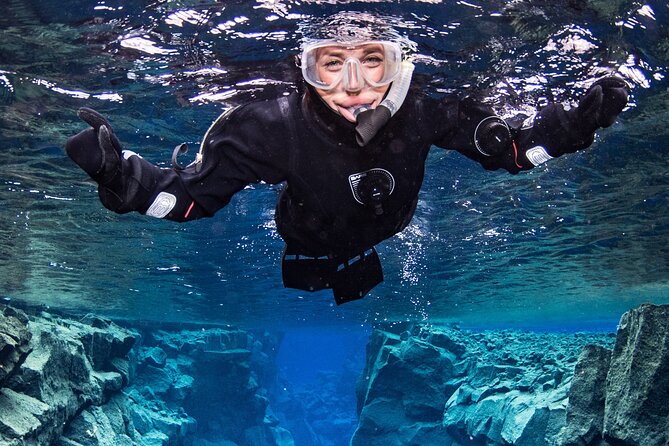
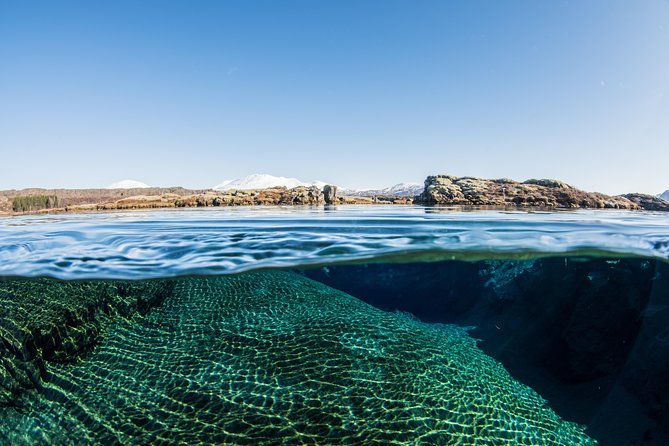
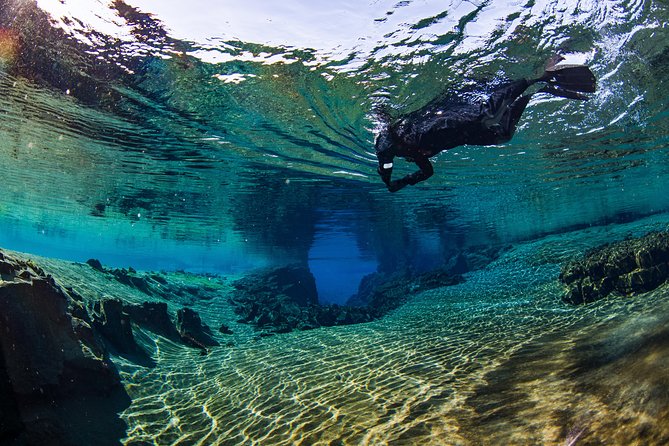
Silfra in Thingvellir is one of those activities that makes your brain go quiet in the best way. Instead of underwater scenes filled with fish, you’re staring at rock, fissures, and that impossible clarity you only get in certain places on Earth. The point isn’t marine life. The point is geology at human scale, where you can experience the separation between tectonic plates up close.
This is also why the tour briefing matters. Your guide talks through the tectonic plates, the continents, and what you’re actually seeing. It turns the experience from look-at-cool-water into something that sticks. When you understand the rift, you notice details you’d otherwise miss, like how the water moves and how the walls frame the space you’re swimming through.
And yes, you’ll hear the common question about touching the plates. You generally can’t reach out and physically touch the Eurasia and North America plate surfaces from where you snorkel. The rift is the story, and the formations around the swimming area help define that story. You still get the essential experience: you’re in the tectonic tension zone, not just beside it.
Gear-Up Takes Time, and That’s a Good Thing
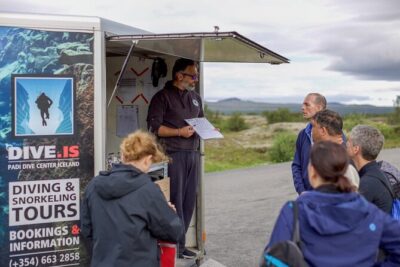
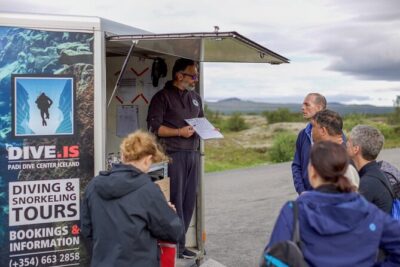
You don’t just show up and jump in. You arrive about 15 minutes early at the meeting point at 806 Thingvellir, Iceland, check in, and once your group is formed (max 6), your guide handles the gear. Plan on about one hour for briefing plus changing and fitting.
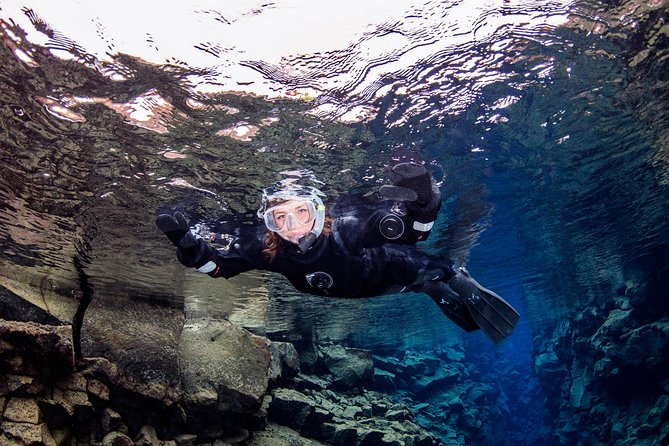
The big reason this is worth it: you’re given everything needed to stay comfortable in cold glacial meltwater. That includes a drysuit, a warm undersuit, and snorkeling equipment. The drysuit goes over your own clothing, so your comfort depends on both the suit fit and your base layers.
I like the clear guidance on what to wear under the drysuit:
- long thermal underwear as a base
- thick wool socks (not thin summer socks)
Even with great gear, your face and hands are the only parts that get wet, and you’ll still feel the cold in the beginning. But the drysuit does the heavy lifting. One theme that comes through clearly is that the worst moment is usually getting ready, not the time you’re swimming.
Also note this setup can feel tight and constricting for some people at first. That’s not a flaw in the tour. It’s just how drysuits work. If you know you get anxious in tight gear, consider breathing slowly before you start fussing with straps.
What the Guide Teaches Before You Enter the Water
Before you head into Silfra, you get a safety and context briefing that takes about an hour alongside gearing up. Your guide is a PADI instructor, and you’ll get practical coaching that focuses on warm comfort and safe movement in the water.
This isn’t just safety talk. You get real information about:
- how Silfra fits into the tectonic story
- what you’ll see underwater
- safety basics for snorkeling in cold water
- background on Thingvellir National Park
One detail I appreciate is how much the briefing aims to make the gear feel natural. Drysuit snorkeling is different from open-water snorkeling, so you want coaching on how to float, move, and breathe calmly. Several guides are known for staying upbeat and attentive, and that energy shows up most when people feel nervous at first.
If you’re someone who likes understanding the why behind what you’re doing, this part will feel like the best warm-up you can get.
The Underwater Route: Hall, Cathedral, and Lagoon
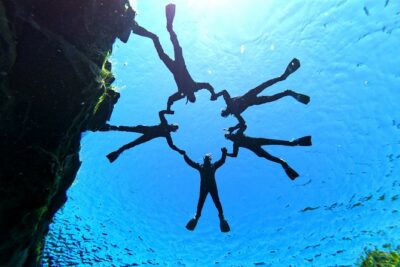
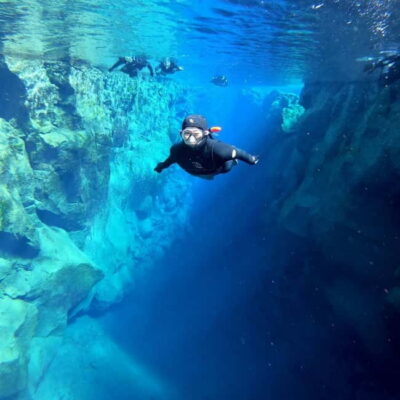
Once you’re fully geared, you walk about 5 minutes to Silfra. Then you have a snorkeling time of about 30 to 45 minutes. That window is long enough to see the main areas without turning it into a cold-water endurance event.
What makes this route special is the sequence. Instead of doing one generic swim, you move through:
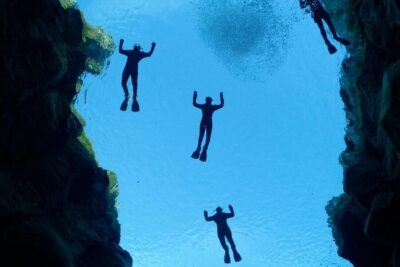
- Silfra Hall (a broad, dramatic section where the rock dominates your view)
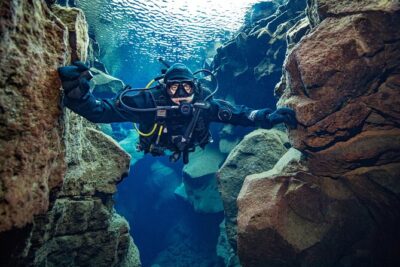
- Silfra Cathedral (a more cavern-like feeling that makes the fissure feel even more “architectural”)
- Silfra Lagoon (a calmer area that helps you settle into the experience before you exit)
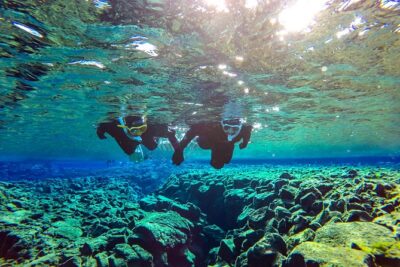
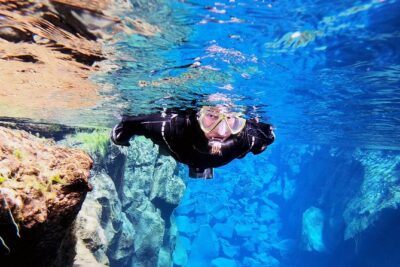
Because you’re in glacial meltwater, the visuals are the star. You’ll notice the deep blues, hard edges of rock, and the way the water makes everything look close and crisp at the same time. There’s no reef full of colorful fish to distract you, so the clarity becomes the entertainment.
Your guide typically swims with you and watches your comfort. That matters a lot when the water is cold and the gear is unfamiliar. It’s not a chaotic group sprint. It’s a guided experience with a steady pace.
Also, it’s normal to feel chilly at first. Multiple people have found that once you’re settled in the thermal layer and suit system, things improve quickly. Still, you should be realistic: this is cold-water snorkeling, even with excellent gear.
Worth a look alongside this Reykjavik pick:


Thingvellir on Land: Why the Park Stop Isn’t Just a Detour
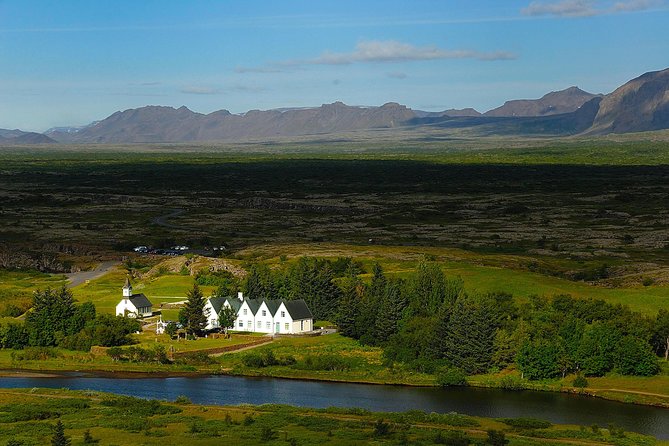
You’ll also spend time connected to Thingvellir National Park as part of the experience. The tour isn’t only about the water. It ties the snorkeling to what’s happening on land and why this area matters in the first place.
You can think of the land time as the setup. The guide explains the tectonic plates and the connection to the continents, then you see the fissure underwater right after. That structure helps you connect the dots between the park’s story and the water you’re in.
One more practical benefit: this keeps the experience from feeling like a single-purpose splash. Even if you’re not a hardcore swimmer, the park context makes the time feel more rounded.
If you want photos on land, you’ll likely get chances during the park portions and walking moments. Just don’t plan to treat it like a long independent hike. This experience is short and focused.
Price and Value: What $154 Really Covers
At about $154 per person, this is not “cheap,” especially if you compare it to casual sightseeing in Reykjavík. But value here is strong because the price isn’t only for a guide standing next to you.
Your booking includes:
- entrance fee to Silfra (listed as ISK 1,500)
- all necessary snorkeling equipment
- drysuit and warm undersuit
- heated changing van
- hot chocolate and cookies
- a live guide who is a PADI instructor
That package matters in Iceland, where cold-weather logistics can add up fast. Paying once for gear, entry, and guided instruction is simpler than piecing together rentals, separate tickets, and a cold-water safety coach.
What’s not included: souvenir photos from your tour. Those are available to purchase, but you can keep your own costs low if you’re fine skipping them.
If you’re trying to decide between a plain tour of Thingvellir and the Silfra swim, think about your interest level in “doing” rather than “watching.” Silfra isn’t just a view. It’s a physical, wet, glacial meltwater experience that most people only do once.
Cold-Water Reality Check (Without the Scare Tactics)
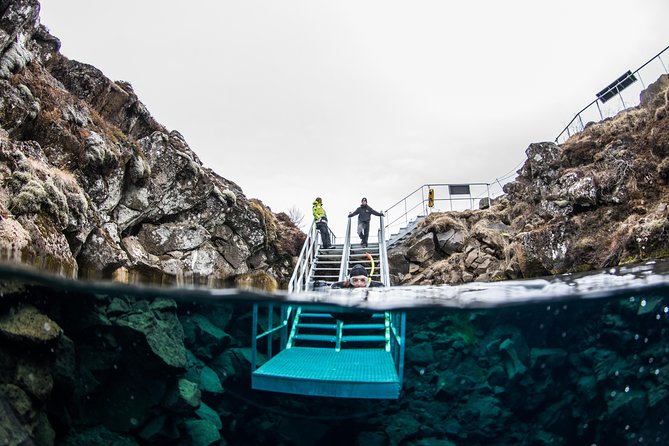
Yes, it’s cold. This is glacial meltwater, and the air while you’re getting dressed can feel brutal. But your guide system and gear approach are designed to prevent the experience from becoming miserable.
Here’s what you can count on based on the provided info:
- you’ll get a drysuit and warm undersuit
- you change in a heated changing van
- you have hot cocoa and cookies after snorkeling
So you’re not walking into a cold ordeal without support. The cold is part of the story, but it’s managed.
Also, don’t mistake clarity for comfort. You’ll still need patience while you adjust to buoyancy and movements in the suit. That’s normal. The guides are there to help you keep steady and safe.
If you’re sensitive to cold, bring your best attitude for the first few minutes. You don’t need to be fearless. You just need to be willing to follow instruction and keep moving calmly.
Who Should Book This—and Who Should Skip It
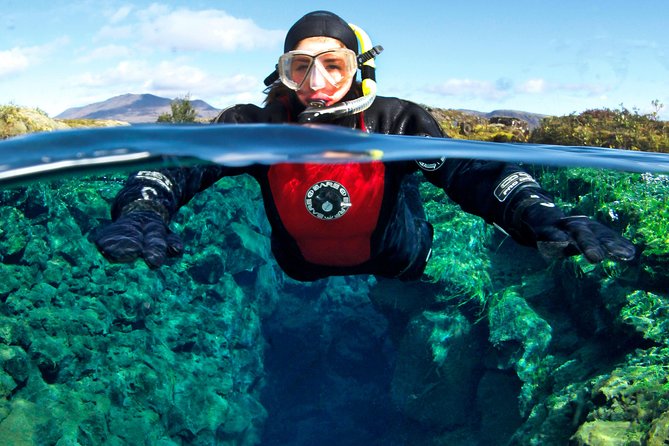
This experience is for people who can swim and feel comfortable in water. The physical requirement is straightforward: you must be healthy enough, physically fit enough, and able to communicate in English.
It’s not suitable for everyone:
- Not suitable for pregnant women
- Minimum age is 12
- Participants 60 and older need a doctor-signed approval form
- You must fill out a medical form online
- You need to meet height and weight requirements (min height 150 cm, min weight 45 kg; max height 200 cm, max weight 120 kg)
- Drysuits can feel tight, so plan for that sensation
If you’re an experienced swimmer, you’ll likely adapt fast. If you’re a nervous swimmer, the suit and the guided support can still work, but your best move is to mentally commit to taking instruction seriously and staying calm.
If you dislike being in enclosed gear, have trouble communicating in English, or can’t handle medical forms, this may feel like extra stress. In that case, you might prefer another Thingvellir-focused option.
Small Group Energy, Photo Moments, and Guide Personality
A max group size of 6 travelers is a major quality signal. It keeps the pace human. It also means your guide can check your fit and comfort more closely than in huge groups.
From the guide experience side, you might notice a strong pattern: guides like Boris, Hugo, Diogo, Kim, Nickos, Quim, Armand, and others are praised for being helpful, patient, and enthusiastic. That matters because cold-water snorkeling punishes panic. When the guide is steady, you can relax into the water and actually enjoy what you’re seeing.
You’ll also have pictures taken during the tour. Souvenir photos are available to purchase. Some guests have mentioned downloadable photos too, so it’s worth asking what’s included with your specific departure.
If you planned to bring your own camera, expect that cold can affect gear quickly. A phone case and battery may not like Iceland’s temperatures, so consider leaving heavy equipment behind and trusting the tour’s photo setup.
The Bottom Line: Should You Book Silfra Snorkeling?
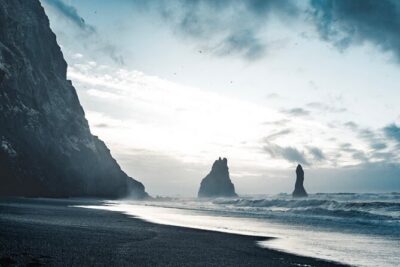
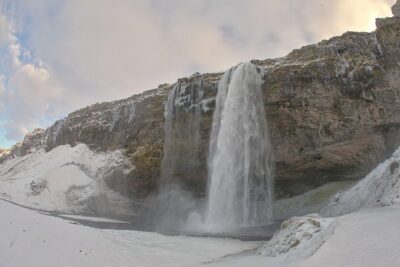
You should book this if you want something truly different from Iceland’s usual waterfall and black-sand circuit. Silfra is a rare chance to swim through a tectonic rift, not just see it from a trail. You’ll get real instruction, warm gear support, and a short route that hits the key underwater sections without turning into a marathon.
You might skip it if you hate tight gear, struggle with cold-water confidence, or you have medical limitations that complicate the required forms. And if your schedule doesn’t allow for the possibility of weather-related changes, keep expectations flexible. The tour requires good weather, and if conditions don’t cooperate, you’ll be offered another date or a full refund.
FAQ
How long does the snorkeling portion last?
The snorkeling time is about 30 to 45 minutes. You’ll spend additional time on briefing, fitting, and gearing up, for a total tour time of roughly 2 hours 30 minutes.
What should I wear under the drysuit?
You’ll wear the drysuit over your own clothing. The recommended base layer is long thermal underwear, plus thick wool socks for comfort and warmth.
Do I need to be a strong swimmer?
You need to be comfortable in the water and able to swim. The tour also requires that you can communicate in English and are physically fit and healthy.
Is there an age or medical requirement?
Yes. The minimum age is 12. Participants 60+ must have a doctor sign the approval form, and everyone must fill out a medical form online before the activity.
Can I touch the tectonic plates underwater?
You generally can’t reach out and touch the tectonic plate surfaces from the snorkeling position. The experience is still between the plates, but the reef walls you see on the sides aren’t the actual plate surfaces you can touch directly.
What happens if I need to cancel or the weather is bad?
The experience requires good weather. If it’s canceled due to poor weather, you’ll be offered a different date or a full refund. You can also cancel for a full refund if you do it at least 24 hours in advance.
More Snorkeling in Reykjavik
More Tour Reviews in Reykjavik




More Snorkelling in Silfra
Fresh off the road around Reykjavik
Silfra Snorkeling Tours, compared.
 ★ 5.0Silfra Snorkeling Between Continents Photos Included- Self DriveFrom $1523,427 reviews
 ★ 5.0Silfra: Diving Between Tectonic Plates – Meet on LocationFrom $2542,139 reviews
 ★ 4.7Silfra Fissure Snorkeling between Two ContinentsFrom $1401,712 reviews
 ★ 5.0Silfra Drysuit Snorkeling with Free Photos – Meet on LocationFrom $1401,299 reviews
 ★ 5.0Silfra: Snorkeling Between Tectonic Plates Pick Up from ReykjavikFrom $2251,187 reviews
 ★ 5.0Silfra Drysuit Snorkeling Tour with Free Photos – From ReykjavikFrom $189624 reviews
 ★ 5.0Silfra: Diving Between Tectonic Plates and Pick Up from ReykjavikFrom $325590 reviews
 ★ 4.8Silfra Snorkeling with Free PhotosFrom $220590 reviews
Browse the lists this tour appears in