
Reviewed · VOLCANO & LAVA TOURS
Iceland Hiking Tour to Fagradalsfjall Volcano with Local Guide
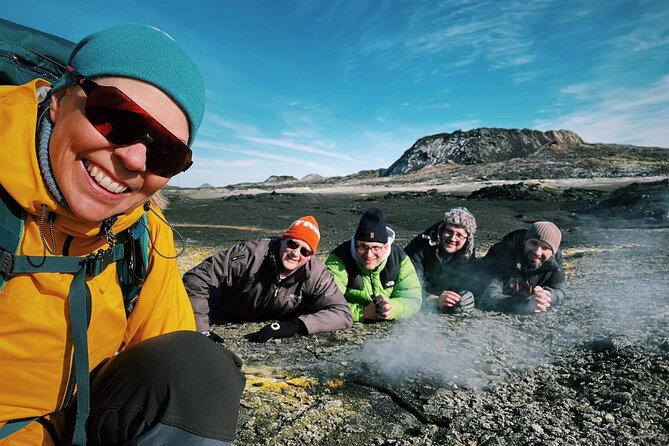
Volcano hiking in Iceland hits different. This trip is built around Fagradalsfjall Volcano, plus a Reykjanes Peninsula drive and short geothermal stops, so you get the whole volcanic picture—not just a hike. I also love that you’re led by local guides who set a careful pace, explain what you’re seeing, and keep the focus on safety while the landscape stays raw and real.
One thing to plan for: the route and timing can shift with weather and access rules, and that means you’ll need to show up ready for wind, rain, and uneven ground.
In This Review
- Key things I’d watch for
- 6 Key Highlights Before You Go
- Why the Reykjanes Peninsula Drive Feels Like a Movie Set
- Grinding Through the Grindavík Evacuation Zone
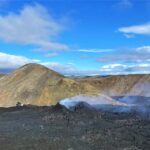
- The Fagradalsfjall Volcano Hike: Lava Ground, Steam, and Real-Time Reality
- Lava glow: don’t count on it
- Safety is part of the experience
- Seltún Geothermal Area: Boiling Mud and Mineral Color in a Short Walk
- Kleifarvatn Lake Viewpoint: Quick Reset with Black-Sand Mood
- Guides and Pacing: Why the Best Part Is How You’re Led
- Gear, Weather, and Fitness: What Actually Makes or Breaks This Hike
- How the weather can change your day
- Pickup vs Self-Drive: Two Ways to Do the Same Volcano Day
- Reykjavík pickup option
- Self-drive option
- Price and Value: Is $189 Worth It?
- Should You Book This Fagradalsfjall Volcano Hike?
- FAQ
- How long is the tour?
- Where do you meet for the Reykjavík pickup option?
- What if I choose the self-drive option?
- How long and how hard is the Fagradalsfjall hike?
- Does the tour include pickup from the airport?
- What language is the tour offered in?
- What is included in the hiking gear?
- Is lunch included?
- What stops are included after the volcano?
- Is glowing lava guaranteed?
Key things I’d watch for
- The hike is moderate but real: uneven lava terrain, steady ups, and about 300 m elevation gain.
- Lava viewing isn’t guaranteed to look dramatic the way you might imagine; it depends on current activity.
- If you choose the self-drive option, you get a slightly different set of included stops after the hike.
Closer to the magma, compared
- Reykjavik: LAVA SHOW – Immersive Experience Entry Ticket★ 4.8 · 3,360 reviews
- Lava Show Reykjavik Admission Ticket – Optional Premium Upgrade★ 5.0 · 3,278 reviews
- Golden Circle with Kerid Volcanic Crater Day Tour from Reykjavik★ 4.5 · 2,826 reviews
6 Key Highlights Before You Go
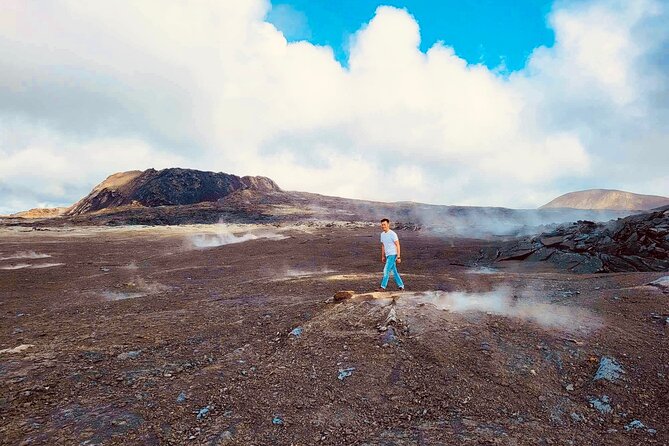
- Reykjanes Peninsula UNESCO geopark drive: lava fields, craters, and geothermal chaos early in the day.
- Grindavík eruption-zone context: a short stop that connects the volcano to real life and resilience.
- Fagradalsfjall walk on fresh ground: around 8 km round-trip with a chance to see steaming terrain up close.
- Geothermal contrast at Seltún: boiling mud, fumaroles, and mineral color in a short walk.
- Kleifarvatn lake viewpoint: a quick scenic reset with black-sand vibes and deep water.
- Small group size (max 7): easier pacing, more guide attention, and less traffic on the trail.
Why the Reykjanes Peninsula Drive Feels Like a Movie Set
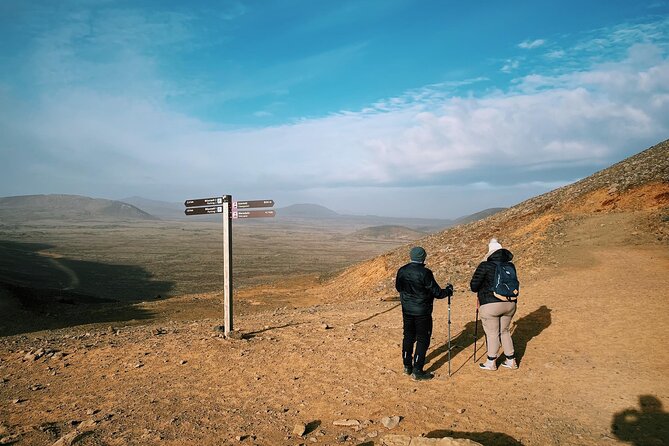
Your day starts with a scenic drive across the Reykjanes Peninsula, a UNESCO Global Geopark known for intense geothermal activity. The scenery is otherworldly in the best way: lava fields, volcanic craters, and the kind of terrain that looks too strange to be real. It’s also a smart start, because it sets expectations for what you’ll later walk on—this isn’t a tame hike through a park.
I like how this opening segment works for both kinds of travelers: if you want pickup from Reykjavík, you’re guided from the start; if you’re self-driving, you’ll still get a strong sense of place before you hit the trailhead. Either way, you’re primed to notice the textures—how some ground looks solid, while other areas look like they’re still “breathing” with steam and heat.
There’s also a practical benefit: you’re not stuck figuring out routes on icy or windy roads while trying to stay focused on weather. Let the timing and staging happen once, then you hike.
Grinding Through the Grindavík Evacuation Zone
Before you reach the volcano hike, there’s a short stop around Grindavík—near the evacuated eruption zone. It’s only about 15 minutes, but it matters. This is where you see how volcanic activity can reshape daily life and leave communities adapting to change. You’ll pass through an area where recent eruption activity has physically altered the landscape and forced people to move.
This part is the emotional bridge between “cool scenery” and “serious natural force.” You’ll still get wonder, but you’ll also get context: why the rules around safe access exist, and why guides keep their focus on the official guidance.
Also, because the time here is brief, it doesn’t steal energy from the hike. It’s the right length—long enough to ground the day, short enough to keep you fresh.
The Fagradalsfjall Volcano Hike: Lava Ground, Steam, and Real-Time Reality
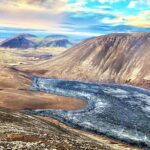
This is the core of the experience: a hike on Fagradalsfjall, Iceland’s most active and widely watched volcano over recent years. From 2021 through 2025, it produced continuous eruptions that reshaped the area with new lava flows, craters, and steaming ground.
Here’s what you should expect in real terms:
- Distance: about 5 miles (8 km) round-trip
- Time on the hike: roughly 3 hours for most people
- Elevation gain: about 984 feet (300 m)
- Terrain: uneven ground over volcanic surfaces, where the surface you see might not match what’s underneath
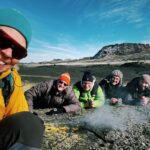
The big win is walking across terrain formed just days or months earlier. Even when you know the science, your body reacts to it—the ground looks fresh, the colors vary more than you’d guess, and steam vents change the feel of the hike. On damp days, the steam can be easier to spot, and on windy days the landscape can look even more dramatic.
Lava fields and steam vents, other Reykjanes days
Lava glow: don’t count on it
One key reality check: glowing lava depends on active eruptions and timing, and it’s never guaranteed. You might see dramatic heat and steam, or you might see a calmer surface with signs of recent activity. Either way, it’s still a remarkable place to walk—because you’re not looking at lava from far away through a camera screen. You’re close to the result of ongoing geologic change.
Safety is part of the experience
The tour follows official volcanic activity guidance, and the route can change if access is closed. That’s not just a policy—it’s what keeps you on safe terrain. Guides also adapt to what’s accessible right now, so you’re not stuck with a “rigid plan” that ignores safety.
Seltún Geothermal Area: Boiling Mud and Mineral Color in a Short Walk
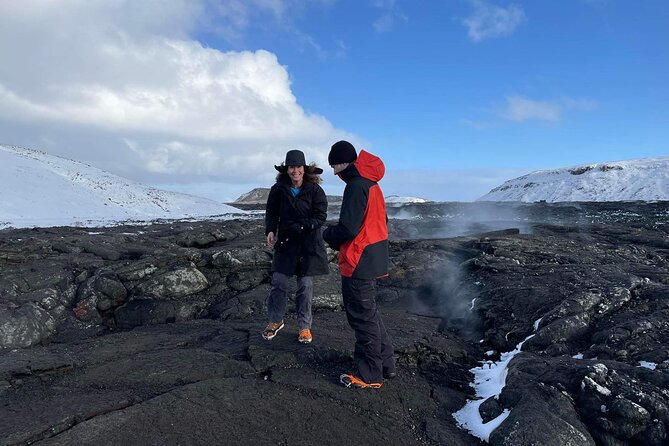
After the main hike, the experience often continues with a geothermal stop at Seltún—but only if you’re on the Reykjavík pickup option. Self-drive participants don’t automatically get this in the included package the same way.
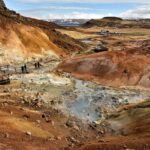
At Seltún, you get a short walk through boiling mud pools, fumaroles, and colorful mineral deposits. It’s a quick visit (around 15 minutes), but it’s a perfect counterpoint to the lava field hike. Where the lava is dark and sharp-edged, Seltún shows textures that feel wet, steamy, and alive.
This stop is also great for photo time without killing your energy. You’ll likely feel your legs from the hike, and then this short geothermal circuit gives you something different to focus on—steam shapes, mineral bands, and the smell of sulfur in the air (even if you try to ignore it).
Kleifarvatn Lake Viewpoint: Quick Reset with Black-Sand Mood
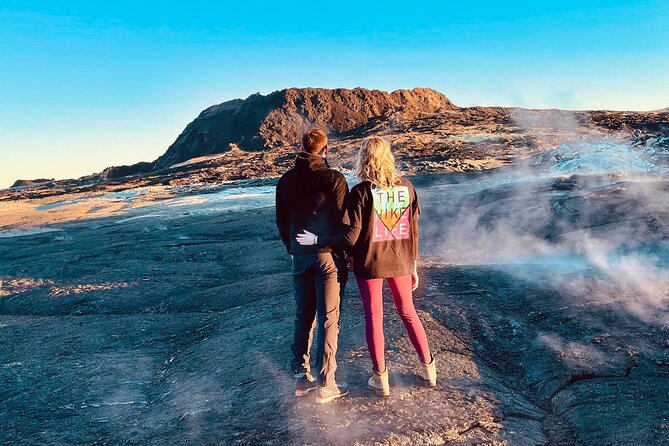
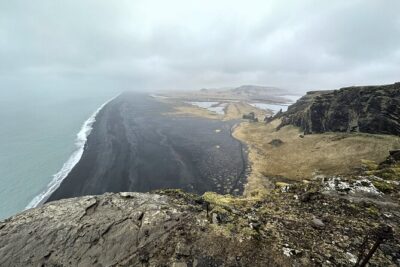
If you’re returning via Reykjavík pickup, you’ll also pause at Kleifarvatn Lake (about 10 minutes). This is a scenic viewpoint over one of Iceland’s deepest lakes, set among volcanic hills with black sand shores.
Think of this stop as your “breather.” After walking on jagged lava terrain and watching steam elsewhere, the lake view gives you a calmer composition—wide water, dark surroundings, and the kind of Iceland light that makes everything look sharper.
It’s brief, but it helps the whole day feel like a journey instead of one long climb.
Guides and Pacing: Why the Best Part Is How You’re Led
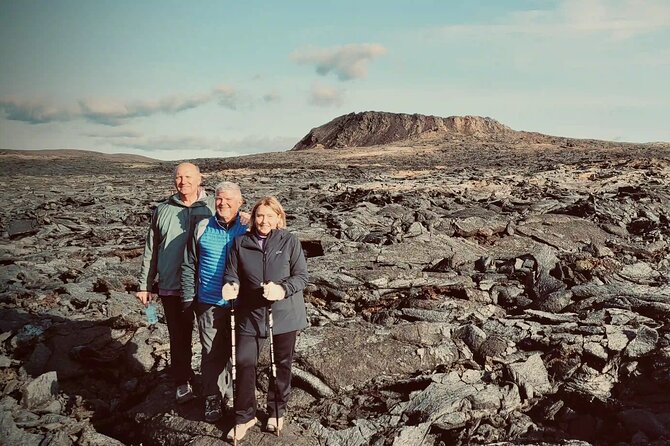
The hike is physical, but the experience quality hinges on the guide. The small group size (max 7 travelers) helps a lot—you’re not just a number in a line. You get better pacing and more chances to ask questions.
Names you’ll hear in real-world experiences with this tour include Oddi, Gudni, Guðný, Sigrún, and Ott. Across different guide styles, the recurring strengths are consistent:
- Guides adjust the pace to the group
- They explain what you’re seeing in a way that makes the terrain feel understandable
- They stay focused on safety where the ground can look solid but isn’t always predictable
This matters most on volcanic terrain. The ground can be deceptive. Some surfaces look like you could walk on them forever—then you notice cracks, steam, and the way lava breaks in different patterns. Having someone who knows where it’s safe to go changes the whole tone of the hike. You walk more confidently because you trust the route.
One more bonus: some guides add small, warm touches along the way—like hot chocolate or homemade treats—especially during colder or windier conditions. Those extras aren’t listed as a standard item, but the fact that they happen is part of why people remember this tour as more than just a “check-the-box volcano.”
Gear, Weather, and Fitness: What Actually Makes or Breaks This Hike
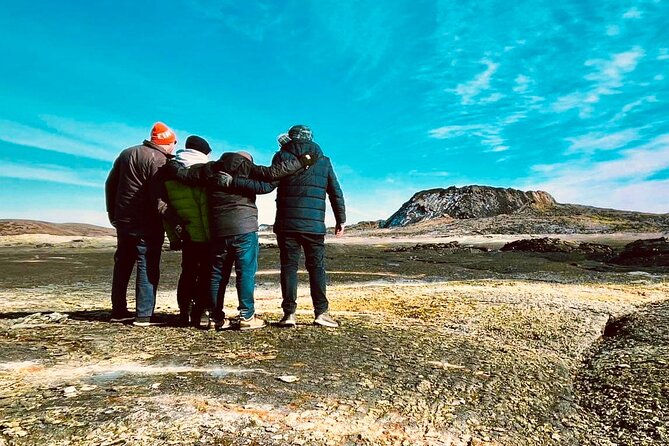
This is where you win or lose the day. The tour is rated moderate, but that word still translates into real work on uneven volcanic ground. You’ll want:
- Layered waterproof outerwear
- Sturdy hiking shoes or boots (lava terrain punishes flimsy footwear)
- Gloves (wind and cold can sneak up on you)
- Water and snacks (lunch isn’t included)
- A phone/camera
- Walking poles if you have them or want the extra stability
The tour includes hiking poles, and in winter it may include crampons and headlamps if needed. That’s a big help because winter traction and visibility are not optional on icy volcanic slopes.
Also watch for wind. As you climb, gusts can become constant. Several guides are praised specifically for how they handle windy conditions—suggesting that poles and correct clothing aren’t “nice-to-have,” they’re part of your safety buffer.
How the weather can change your day
This tour requires good weather, and hiking time and route may change for safety and comfort. If access closes, the itinerary adapts to safe alternatives around volcanic activity sites. So plan with flexibility in mind—if you’re tight on schedule later that day, keep a cushion.
Pickup vs Self-Drive: Two Ways to Do the Same Volcano Day
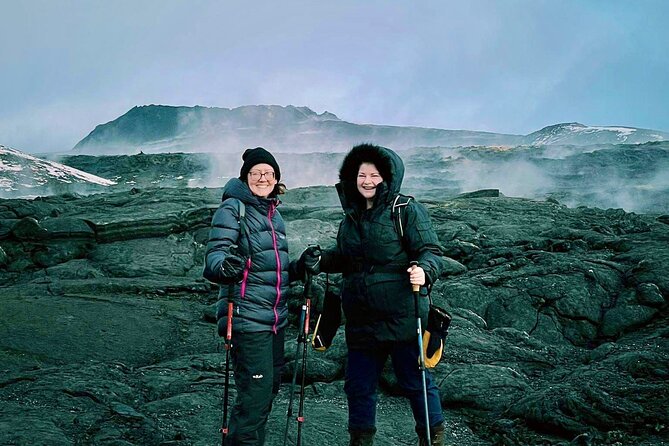
The tour price is the same, but the flow changes depending on how you travel.
Reykjavík pickup option
This includes pickup from a set Reykjavík meeting point (Bus Stop #3 Lækjargata). From there, you’ll get the Reykjanes Peninsula drive, the Grindavík stop, the volcano hike, and then geothermal/lake additions like Seltún and Kleifarvatn.
Self-drive option
If you rent a car, you’ll meet at the Fagradalsfjall area (the self-drive meeting is in Grindavík at 10:45 am, with the exact meeting spot shared after booking). Parking fees are not included. Self-drivers can follow the guide to Seltún and Kleifarvatn on their own after the hike, but the included stops aren’t the same package as the pickup group.
One important detail: if you don’t have your own rental car for the full tour, the self-drive option doesn’t work well. Taxi/shuttle arrivals don’t fit the “you must have a car” requirement.
Price and Value: Is $189 Worth It?
At $189 per person for about 4 to 6 hours, this isn’t the cheapest thing you can buy in Iceland—but it also isn’t out of reach for what you’re getting. Here’s why it can feel like good value:
- You’re paying for certified local guiding, which matters a lot on volcanic terrain with changing access rules.
- You get key practical inclusions: hiking poles (and winter traction gear if needed), plus a mobile ticket.
- The itinerary isn’t only the volcano. You also get the drive context (Reykjanes UNESCO geopark) and short stops that connect geology to daily life (Grindavík) and offer contrast (Seltún and Kleifarvatn on pickup option).
If you’re comfortable driving yourself, you could potentially piece together similar stops. But the real value is not just reaching the sites—it’s having a guide manage safety, pacing, and the “what’s accessible today” problem. On an active volcano, that’s the hard part.
And the small group size (max 7) helps the experience feel less crowded and more tailored. Even when the hike is the same for everyone, the pace and explanations can make it feel like a personal day, not a conveyor belt.
Should You Book This Fagradalsfjall Volcano Hike?
Book it if you want a guided volcano day that mixes walking on fresh volcanic ground with real context around ongoing activity. This is a strong fit for hikers who can handle uneven terrain and want the added safety and storytelling that comes with local guides.
Skip it (or choose a different format) if:
- You hate any hike with uneven surfaces and steady uphill work.
- You’re not ready for cold wind and rain.
- You have a very tight schedule, since weather can shift timing and routing.
- You’re hoping for guaranteed glowing lava. That’s not something anyone can promise on an active system.
If you’re flexible, bring good waterproof layers, and plan snacks because lunch isn’t included, this tour can be one of the most memorable “I can’t believe I’m standing here” days in Iceland.
FAQ
How long is the tour?
The tour runs about 4 to 6 hours total, including driving and stops. The hike itself is about 3 hours.
Where do you meet for the Reykjavík pickup option?
The meeting point is Bus Stop #3 Lækjargata, Lækjargata 4, 101 Reykjavík.
What if I choose the self-drive option?
Self-drive participants meet in Grindavík at 10:45 am (the exact location is sent after booking). Parking fees are paid on site.
How long and how hard is the Fagradalsfjall hike?
It’s about 8 km round-trip (5 miles) with about 300 m of elevation gain. It’s a moderate hike on uneven ground.
Does the tour include pickup from the airport?
No group tour pickup is available from Keflavík Airport. Private tours can arrange airport pickup for an extra fee.
What language is the tour offered in?
The tour is offered in English.
What is included in the hiking gear?
The tour includes hiking poles. If needed in winter, crampons and headlamps may also be provided.
Is lunch included?
No. Lunch is not included, so you’ll want water and snacks.
What stops are included after the volcano?
Seltún Geothermal Area and Kleifarvatn Lake are included for guests who choose Reykjavík pickup. Self-drive participants can follow along in their own car after the hike.
Is glowing lava guaranteed?
No. Glowing lava is only visible during active eruptions and it’s never guaranteed. The tour adapts based on what’s accessible and safe.
More Tour Reviews in Reykjavik


Reykjanes: Lava, Steam and More
Closer to the Volcanoes

Fresh off the road around Reykjavik
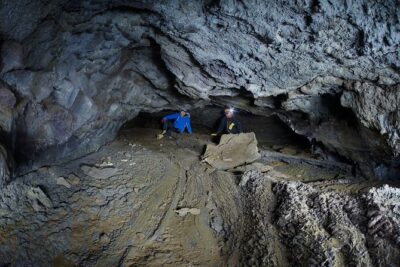
Volcano & Lava Tours, compared.
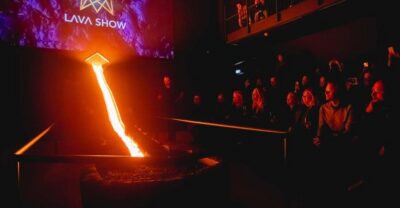 ★ 4.8LAVA SHOW – Immersive Experience Entry TicketFrom $543,360 reviews
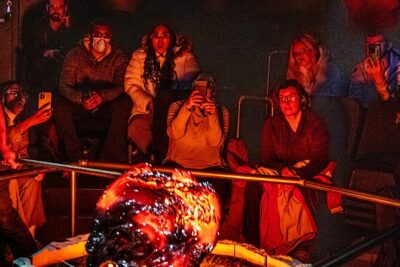 ★ 5.0Lava Show Reykjavik Admission Ticket – Optional Premium UpgradeFrom $543,278 reviews
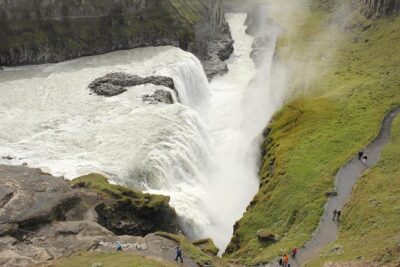 ★ 4.5Golden Circle with Kerid Volcanic Crater Day Tour from ReykjavikFrom $852,826 reviews
 ★ 4.8Red Lava Horse Riding TourFrom $1422,383 reviews
 ★ 5.0The Lava Tunnel Tour – RaufarhólshellirFrom $742,373 reviews
 ★ 5.0Golden Circle, Volcano Crater and Blue Lagoon Small-Group TourFrom $2531,932 reviews
 ★ 4.7Raufarhólshellir Lava Tunnel: Underground ExpeditionFrom $731,717 reviews
 ★ 4.7Snæfellsnes Day Trip with Vatnshellir Lava CaveFrom $2191,108 reviews
Browse the lists this tour appears in