
Reviewed · VOLCANO & LAVA TOURS
From Reykjavík: Fagradalsfjall Volcano Hike with Geologist
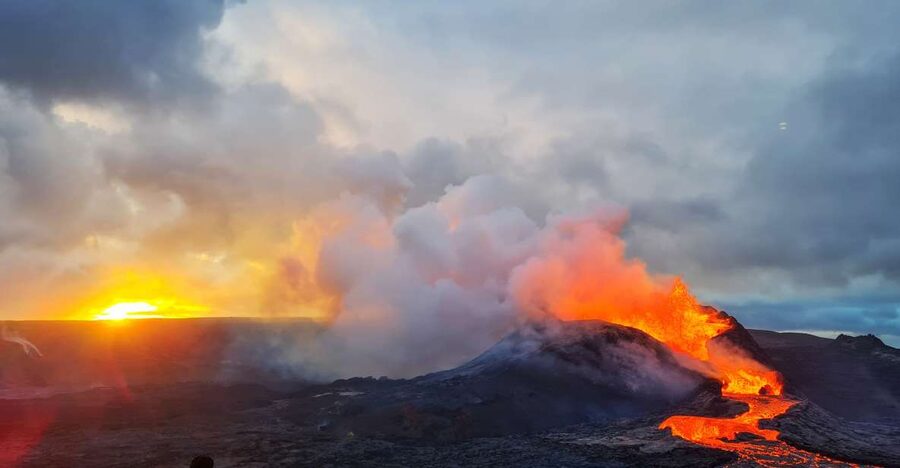
Lava has a language; your guide translates it. This Fagradalsfjall volcano hike is interesting because you’re not just walking through a burned moonscape, you’re learning how Iceland’s Reykjanes peninsula keeps building itself, up close and on foot. I love traveling with a real geologist who points out what your eyes are missing, and I love the small group pace that keeps the whole experience calm even when the ground gets rough.
One possible drawback: this hike is difficult. It’s about 1–1.5 hours uphill each way on rough terrain, and on some days bad weather or volcanic gas can mean changes or cancellations. If you have respiratory issues, you’re pregnant, or you’re bringing young kids under 12, this one isn’t a good fit.
In This Review
- Key Points Worth Your Time
- From Reykjavík to Fagradalsfjall: The Drive Sets Up the Science
- The Geologist at the Center: Turning Lava Into Real Understanding
- The Hike Up: Rough Ground, Real Elevation, and How to Prep
- Driving Past Older Lava Fields: Why It Improves Every View
- The Crater Viewpoint: Where the Story Becomes a Scene
- Safety and Gas: When the Guide Makes the Trip Better
- Who This Works Best For (And Who Should Skip It)
- Price and Value: What You’re Paying For at $163
- The Booking Choice: How to Decide If This Fits Your Iceland
- FAQ
- How long is the hike and the full tour?
- Where do pickups happen in Reykjavík?
- What kind of group size should I expect?
- Is the hike suitable for beginners or kids?
- What should I bring for the tour?
- Do I get any hiking equipment?
- What language is the tour conducted in?
- Can the tour be canceled?
- What items are not allowed?
Key Points Worth Your Time
- Geologist-led explanations: You’ll learn what you’re looking at, not just what you’re seeing.
- A safer approach near active areas: You get guidance on where to stand and why some spots are a bad idea.
- Craters and crater viewpoints: The walk pays off when you finally look out over the eruption terrain.
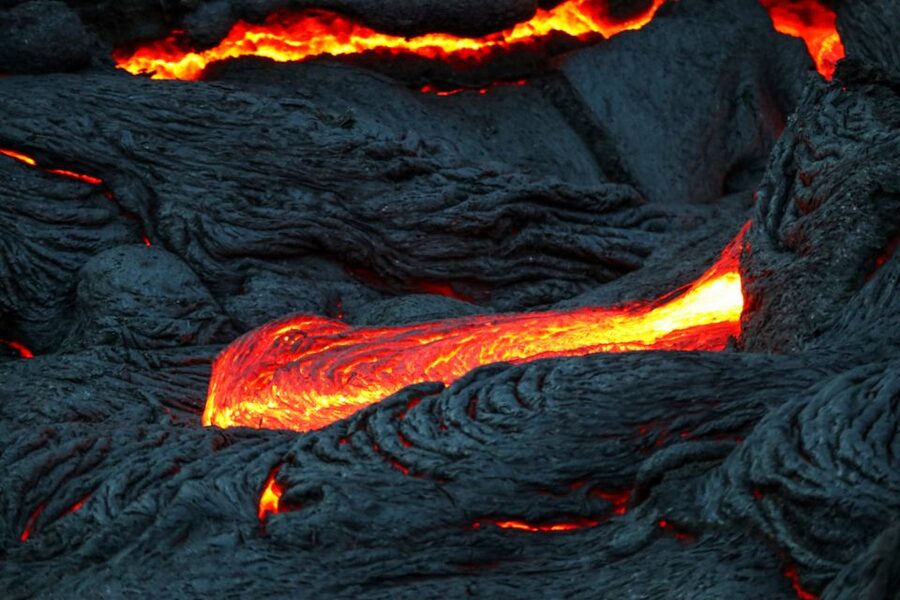
- Lava you can talk about: Expect talk about how lava composition shapes rock appearance.
- Small-group hiking rhythm: Limited to 6 participants, with time for questions and photos.
- Crampons and a headlamp if needed: Practical gear support for cold or slippery conditions.
Closer to the magma, compared
- Reykjavik: LAVA SHOW – Immersive Experience Entry Ticket★ 4.8 · 3,360 reviews
- Lava Show Reykjavik Admission Ticket – Optional Premium Upgrade★ 5.0 · 3,278 reviews
- Golden Circle with Kerid Volcanic Crater Day Tour from Reykjavik★ 4.5 · 2,826 reviews
From Reykjavík to Fagradalsfjall: The Drive Sets Up the Science
This tour starts with a pickup in Reykjavík, with options that make it easy to join even if you’re not renting a car. You’ll meet at bus stop #8 Hallgrímskirkja or, depending on your booking option, you’ll be routed toward a vehicle transfer. Either way, you’re heading out to the Reykjanes Peninsula, where volcanic activity isn’t a once-in-a-lifetime event. It’s part of how the region works.
I like that the drive isn’t filler. As you travel, you pass older lava fields before you reach the eruption side. That matters because it gives you visual benchmarks. You start to recognize how different eruptions leave different textures, colors, and landforms behind.
You also may get a sense of the human side of living near active volcanoes. Some departures include a drive through affected areas such as the vicinity of Grindavík, which helps the trip feel real rather than like a theme park stop.
The Geologist at the Center: Turning Lava Into Real Understanding
The star here is your guide, a geologist and volcanology specialist leading the whole walk. What you gain is translation: how to read lava like a story instead of a pile of dark rock.
On the way and especially during the hike, guides explain the history of volcanic activity on the Reykjanes peninsula and connect it to what you’re seeing now. I really like this teaching style because it changes your walking posture. You stop “looking around” and start scanning for clues: cracks, layered rock, steam, and how the lava cooled.
Guides often share simple diagrams, maps, and past-eruption references so you can place today’s features in a timeline. And since guides vary by group, you might meet names like France, Jasmine, Giuseppe, Fransie, Joseph, or Jasmina—each with a strong passion for explaining. The common thread is clear: they’ll answer questions patiently and keep the explanations grounded in what’s physically happening.
One safety note that’s also education: your guide helps keep you away from venting areas where gases can be unhealthy. In other words, you learn the science and you also learn how to respect it.
The Hike Up: Rough Ground, Real Elevation, and How to Prep
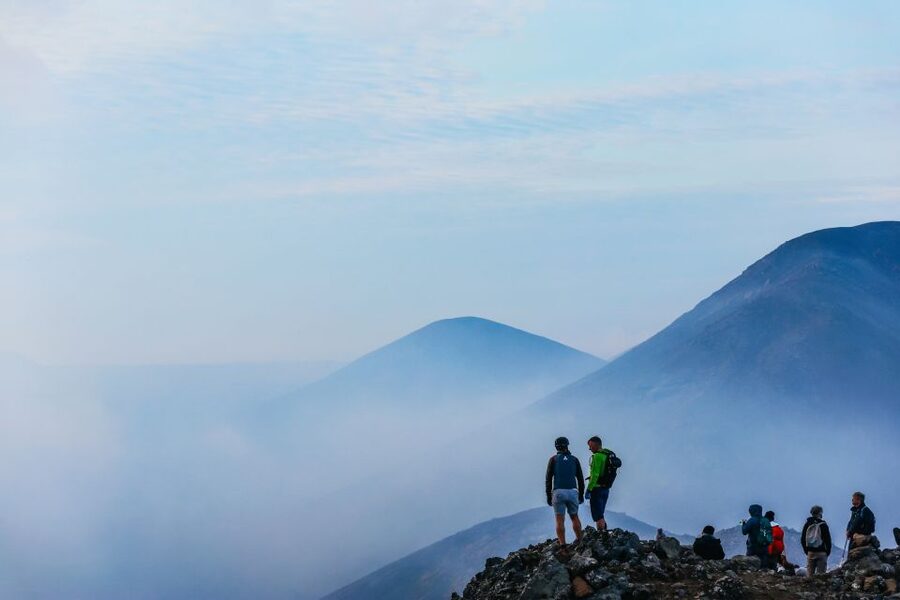
Expect a hike that’s active and demanding. The uphill sections take about 1–1.5 hours each way, and the full hiking portion runs roughly 4 hours with stops and viewpoints built in. That means you’re not just taking a stroll. You’re walking over rough terrain, and the wind can be sharp.
This is why the “bring the right gear” part is not optional. Wear hiking shoes with solid grip. Warm layers matter year-round, even when you think Iceland might be mild. Add rain gear because conditions can flip quickly. And if you have bad knees, plan for discomfort on the ascent.
The guide support helps a lot. Depending on conditions, you may receive headlamp and crampons, especially if footing could be icy or visibility is low. You’ll still need to walk well, but those extras can turn a risky hike into a controlled one.
Also, keep expectations realistic. A volcanic eruption can change fast, and the view of glowing lava can’t be guaranteed. What you can count on is the geology lesson plus the crater viewpoint and safe access to the eruption area from the marked routes.
Driving Past Older Lava Fields: Why It Improves Every View
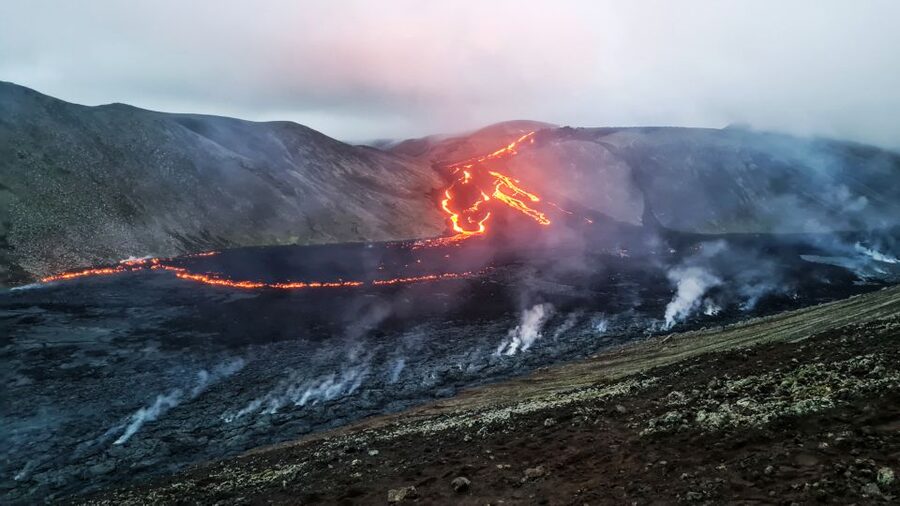
Most volcano hikes stop when you reach the main event. This one improves the experience earlier, with that drive through older lava fields before you reach today’s active terrain.
Here’s why that matters for you: Iceland’s volcanic activity builds over time, and newer lava doesn’t look like older lava. As you pass different flows, you start seeing how eruptions can vary in style and output—how far lava traveled, what kinds of cooling patterns formed, and what changes over time as surfaces weather.
It’s also a mental warm-up. By the time you start hiking, your brain is already primed to notice details: textures, blocky fragments, smoother areas, and steam-related features.
If the weather cooperates, the scenic drive on the way back also keeps your eyes busy. You’ll return to Reykjavík with a route that can include hot springs, lakes, and mountain scenery along the Reykjanes Peninsula.
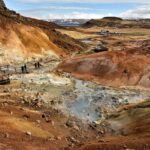
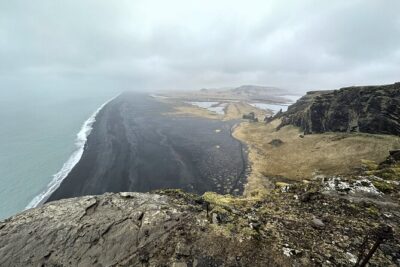
Lava fields and steam vents, other Reykjanes days
The Crater Viewpoint: Where the Story Becomes a Scene
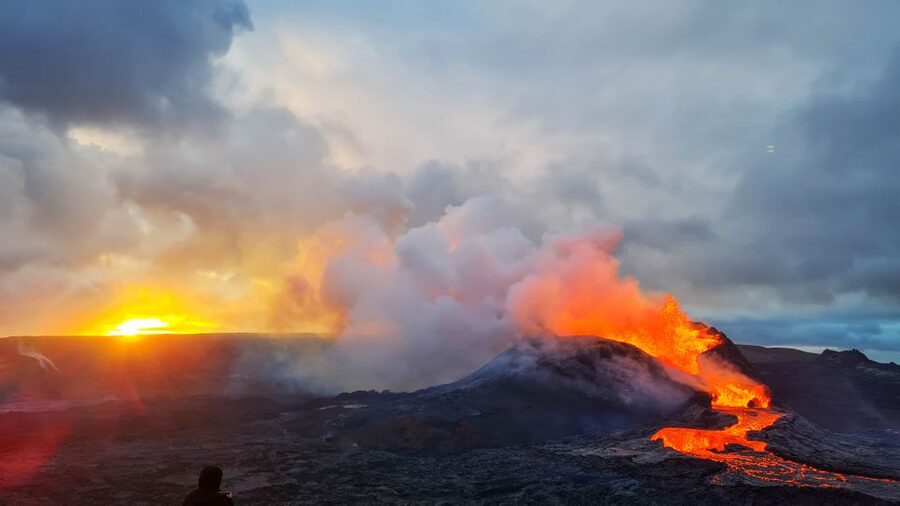
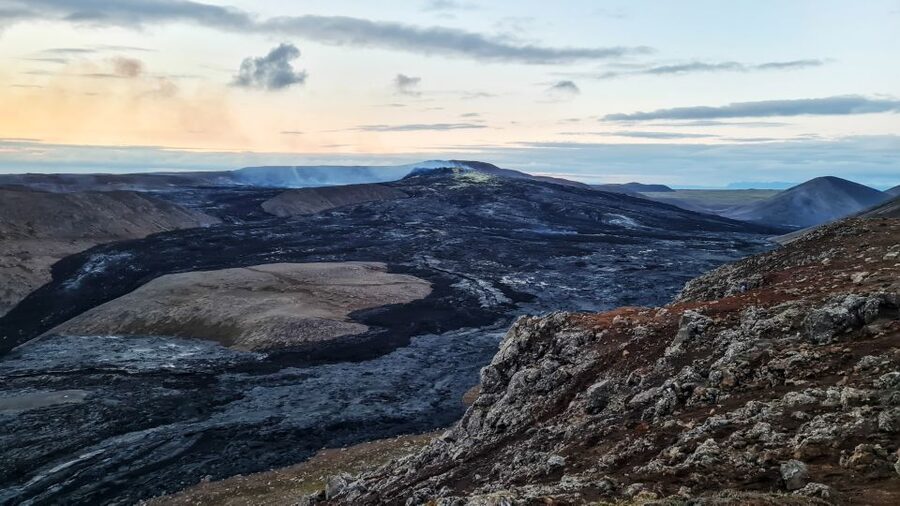
The payoff of the day comes when you reach the crater viewpoint. This is where you stop taking photos and start thinking in layers—literally and scientifically.
Your guide will explain what’s happening in terms of eruptions, lava formation, and how heat and cooling shape rock. You may learn how the composition of lava influences what the rocks look like, which gives you a reason behind the colors and textures instead of treating them as random scenery.
If conditions allow, you might see evidence of active or very recent volcanic behavior: steam venting from cooling lava, heat rising from ground features, and sometimes closer views of the eruption area from the designated safe viewpoint. People also talk about distinctive volcanic formations such as obsidian-like materials and hair-thin lava structures sometimes described as Witch’s Hair.
Even if you don’t get dramatic glowing lava, the viewpoint still has value because it shows you the eruption terrain in context. You’re looking at a living landscape shaped in real time, and your guide helps you connect the dots.
Safety and Gas: When the Guide Makes the Trip Better
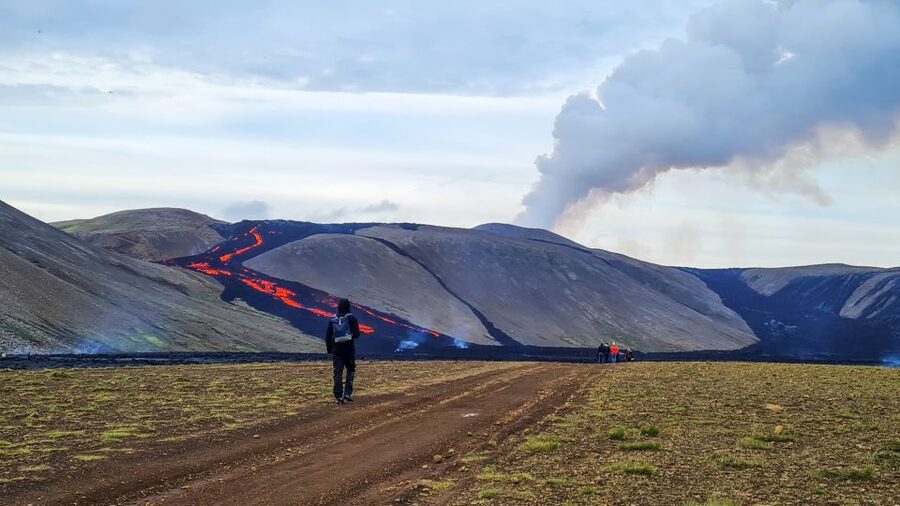
This tour is serious about safety, and you should be too. The area can have toxic gas. That’s why the hike isn’t recommended for children under 12, pregnant women, and people with lung diseases or respiratory issues. It’s also why your guide pays attention to where you stand and when you move.
One of the most useful parts of booking a geologist-led hike is that you’re not only learning geology—you’re also learning how to avoid risky curiosity. Guides help prevent the classic mistake: walking too close because it looks cool.
Tours can also be canceled on short notice due to bad weather conditions or high levels of volcanic gas, or because of road closures. That’s not a “maybe” in Iceland; it’s normal. The good news is that you’re booking a small group experience with a guide who’s trained for changing conditions.
Who This Works Best For (And Who Should Skip It)
I’d recommend this tour if you fall into one of these groups:
- You want more than photos. You want to understand how lava forms new land and why it looks the way it does.
- You like guided hiking with teaching pauses and time for questions.
- You’re comfortable on a rough uphill hike and have solid footwear.
You should probably skip it if:
- You have respiratory issues or are sensitive to gas exposure.
- You’re pregnant.
- You’re traveling with kids under 12.
- You need a low-impact or mobility-friendly outing.
If you’re an experienced hiker, you’ll likely appreciate the route. If you’re an average hiker, you can still make it work, but go honest with yourself about the uphill and rocky footing.
Price and Value: What You’re Paying For at $163
At about $163 per person, this isn’t the cheapest way to see a volcano from Reykjavík. But you’re not just paying for a ride and a viewpoint.
You’re paying for:
- A geologist guide who interprets what you’re seeing in a way a self-guided walk can’t.
- A small group setup that keeps the pace manageable and the teaching personal.
- Practical support like crampons and a headlamp if needed, plus safety procedures for gas and terrain.
- A structured route that gets you to a crater viewpoint without guessing where it’s safe.
If you’re the type who enjoys learning, $163 can feel fair because the “return” is knowledge you’ll carry home. If you only want sweeping views and you’re comfortable hiking independently, you might decide it’s more cost than value. But for most people who pick this style of tour, the guide interaction is the difference between seeing lava and understanding lava.
The Booking Choice: How to Decide If This Fits Your Iceland
Book this tour if you want a day that combines real hiking with science you can actually use. It’s especially strong when you care about volcanology, rock textures, and the way Iceland’s land is actively being shaped.
Skip it if your top priority is an easy walk, you can’t handle cold wind and rough terrain, or you’re in a category the tour doesn’t recommend due to gas exposure.
If you can handle the physical demands and you’re excited by what a geologist can tell you, this is one of the most satisfying ways to experience Fagradalsfjall. You get the view, yes, but more importantly you get the why.
FAQ
How long is the hike and the full tour?
The experience runs about 4–6 hours. Expect roughly 1–1.5 hours hiking each direction, with time for guided stops and viewpoints.
Where do pickups happen in Reykjavík?
You can meet at bus stop #8 Hallgrimskirkja for the tour/shuttle option. Other booking options may use a vehicle transfer setup, with a reference point including Geldingadalir Parking P1.
What kind of group size should I expect?
It’s a small group limited to 6 participants.
Is the hike suitable for beginners or kids?
The hike is difficult and goes through rough terrain. It’s not suitable for children under 12, and it’s also not recommended for pregnant women or people with respiratory issues.
What should I bring for the tour?
Bring warm clothing, food and drinks, hiking shoes, and rain gear.
Do I get any hiking equipment?
You’ll have headlamp and crampons provided if needed, but hiking equipment is not included.
What language is the tour conducted in?
The live guide speaks English.
Can the tour be canceled?
Yes. The activity can be canceled with short notice due to bad weather conditions, road closures, or high volcanic gas levels.
What items are not allowed?
High-heeled shoes, sandals or flip flops, pets, weapons or sharp objects, smoking, luggage or large bags, baby carriages, and party groups are not allowed.
More Tour Reviews in Reykjavik


Reykjanes: Lava, Steam and More
Closer to the Volcanoes

Fresh off the road around Reykjavik
Volcano & Lava Tours, compared.
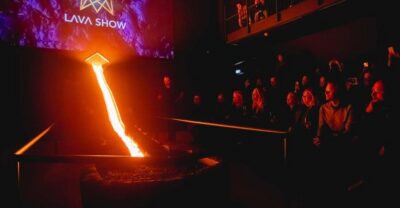 ★ 4.8LAVA SHOW – Immersive Experience Entry TicketFrom $543,360 reviews
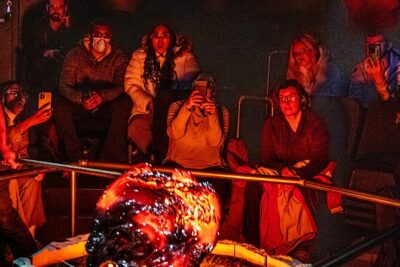 ★ 5.0Lava Show Reykjavik Admission Ticket – Optional Premium UpgradeFrom $543,278 reviews
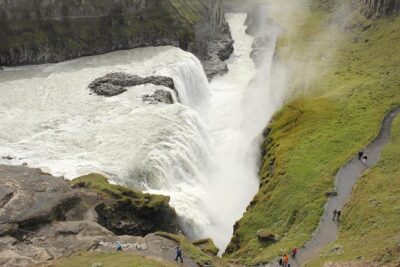 ★ 4.5Golden Circle with Kerid Volcanic Crater Day Tour from ReykjavikFrom $852,826 reviews
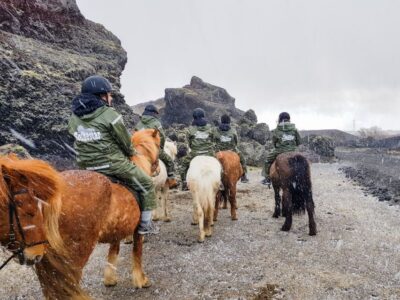 ★ 4.8Red Lava Horse Riding TourFrom $1422,383 reviews
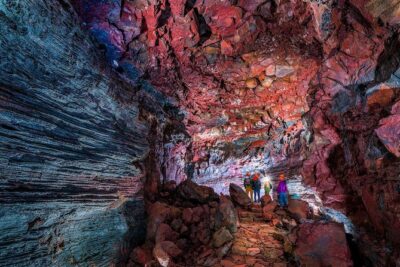 ★ 5.0The Lava Tunnel Tour – RaufarhólshellirFrom $742,373 reviews
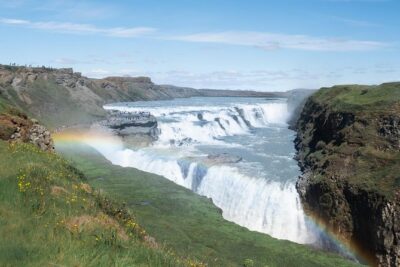 ★ 5.0Golden Circle, Volcano Crater and Blue Lagoon Small-Group TourFrom $2531,932 reviews
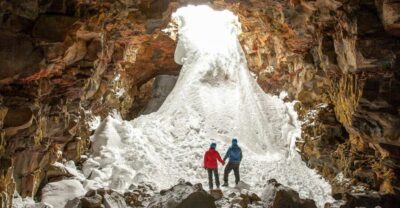 ★ 4.7Raufarhólshellir Lava Tunnel: Underground ExpeditionFrom $731,717 reviews
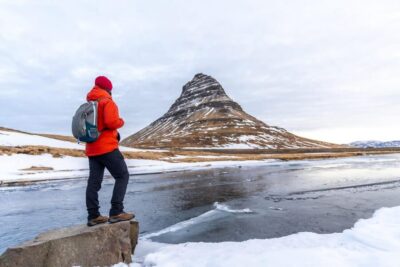 ★ 4.7Snæfellsnes Day Trip with Vatnshellir Lava CaveFrom $2191,108 reviews
Browse the lists this tour appears in