
Reviewed · VOLCANO & LAVA TOURS
From Reykjavik: New Volcanic Area Helicopter Tour
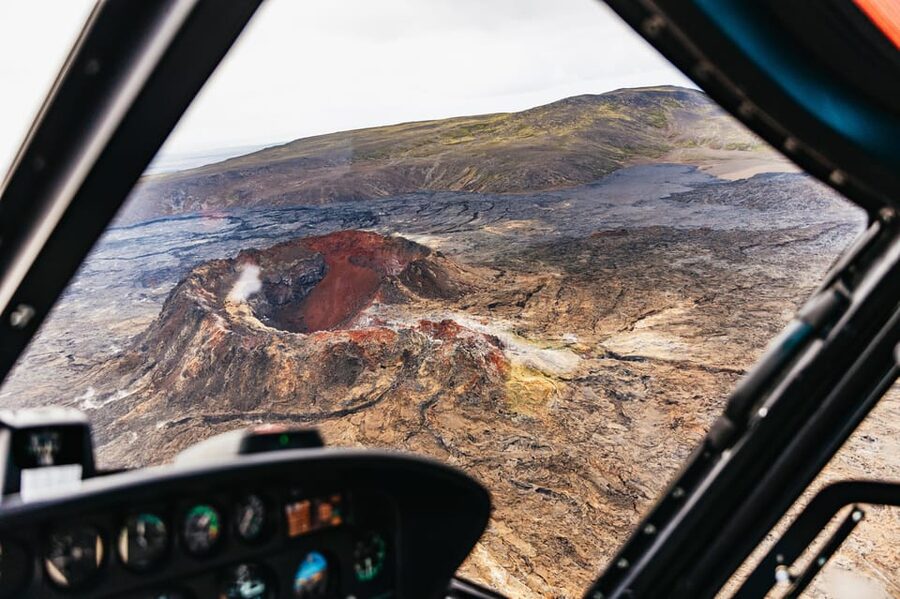
Volcanoes from the sky change your scale fast. This short helicopter flight over Iceland’s Reykjanes Peninsula is interesting because you’re looking down on recent volcanic activity, with sweeping views toward Mount Esja and Faxafloi Bay. I especially like the way you get real perspective on lava fields from above, and I love that pilots work the flight path so all seats can grab strong photos.
The main drawback to plan around is value risk: it’s expensive for a roughly 40-minute experience, and you’re never guaranteed to see dramatic lava or an active crater on your exact day since flights depend on weather and eruption conditions.
In This Review
- Key points
- Reykjavik Departure at Ace FBO: How the tour feels from the start
- Pricing and Value: What $577 really buys you
- Above the Reykjanes Peninsula: The view that makes this tour special
- Stop-by-stop flight route: Litli Hrutur, Geldingadalir, Fagradalsfjall, and Grindavík
- Ace FBO Reykjavík: the quick lift-off moment
- Litli Hrutur Volcano: a short look that sets the tone
- Geldingadalir Volcano: understanding the newer eruption patterns
- Fagradalsfjall Volcano: the longer look for the big visual impact
- Grindavík area: the human geography next to the lava
- Back toward Reykjavik: a last pass on the way out
- Photography, seating, and how pilots share the view
- Safety and weather: the reality of Iceland from the air
- Comfort, language, and what’s included
- Who this helicopter tour suits best
- Should you book this New Volcanic Area helicopter tour from Reykjavik?
- FAQ
- How long is the helicopter tour?
- Where does the tour depart from in Reykjavik?
- How many people are in the group?
- Is there a guide on the flight?
- What do I see during the flight?
- Is there a guarantee of seeing lava or a crater?
- Does the price include food and drinks?
- What languages are available?
- What if I’m over 120 kgs?
- What is the cancellation option?
Key points
- Small-group helicopter ride with a 30–40 minute flight window and limited seating (5–6 seater aircraft)
- Recent volcanic stops around Litli Hrutur, Geldingadalir, and Fagradalsfjall, plus views near Grindavík
- Photo-focused flying with banking and circling so both sides of the helicopter can see what you came for
- Big Iceland in one frame: you’ll also see Mount Esja and Faxafloi Bay from above
- Safety-first operations under Iceland’s civil protection rules, with flights run only when conditions allow
Closer to the magma, compared
- Reykjavik: LAVA SHOW – Immersive Experience Entry Ticket★ 4.8 · 3,360 reviews
- Lava Show Reykjavik Admission Ticket – Optional Premium Upgrade★ 5.0 · 3,278 reviews
- Golden Circle with Kerid Volcanic Crater Day Tour from Reykjavik★ 4.5 · 2,826 reviews
Reykjavik Departure at Ace FBO: How the tour feels from the start
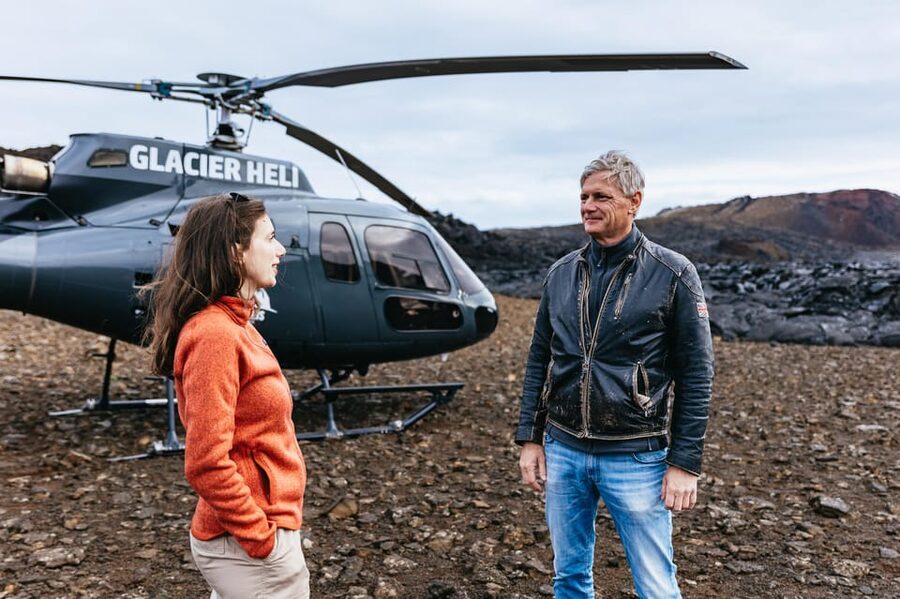
Your day begins at Ace FBO Reykjavík, a facility just behind Reykjavik Hotel Natura. The vibe here is quick and organized: you check in, get briefed, and then move into the helicopter experience right away. There’s no long bus ride or backtracking around town, which matters because you only have about 40 minutes in the air.
One thing I like about this setup is how close it keeps you to the action. From there, you head toward the Reykjanes Peninsula volcanic zone, about 19 miles (30 km) away. In practical terms, that short distance is what makes a helicopter flight workable even with Iceland’s weather changes.
Pricing and Value: What $577 really buys you
At $577 per person, this is not the kind of activity you do just to check a box. You’re paying for access: time in a helicopter over an area that’s hard to reach comfortably on the ground and that often restricts close-up viewing for safety reasons. If you want crater views, lava textures, and a sense of how the eruption landscape spreads out across the peninsula, this is the most direct way to get it.
The duration is short, though. That’s the trade-off: you’re buying a concentrated aerial window rather than a half-day adventure. If you’re traveling as a group and splitting costs with a private guide isn’t an option, it still tends to feel worth it because the views are the whole point.
Also, helicopter flights are weather-dependent, and volcanic activity is unpredictable. That means your value depends on visibility the day you fly. If you book with enough flexibility in your Reykjavik days, you improve your odds of catching good conditions.
Above the Reykjanes Peninsula: The view that makes this tour special
This tour centers on Iceland’s Reykjanes Peninsula, where volcanic activity has been active in recent years. You’re flying over a zone described as having 12 eruptions in the last 4 years, and the volcano activity near the capital has been close enough to change local life and planning. From the air, you start to understand how eruptions shape the ground in wide, connected patterns.
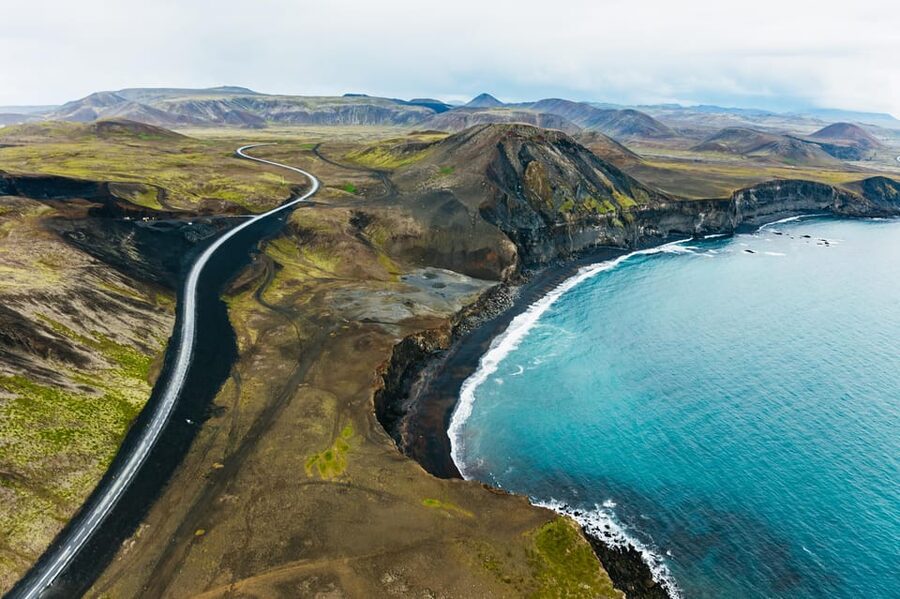
What you’ll look for from above is the mix of colors and textures that don’t show up the same way from street level: dark lava fields, lighter ash tones, and the “routes” where molten material has pushed across the terrain. The tour is also built to give you glimpses of volcanic features like a smoldering area and, depending on conditions, a simmering crater or lava streams.
Even when the most dramatic lava isn’t visible, the aerial view still hits. You can see how the landscape is carved into channels, how flows spread outward, and where the ground looks freshly disrupted compared with older layers.
Stop-by-stop flight route: Litli Hrutur, Geldingadalir, Fagradalsfjall, and Grindavík
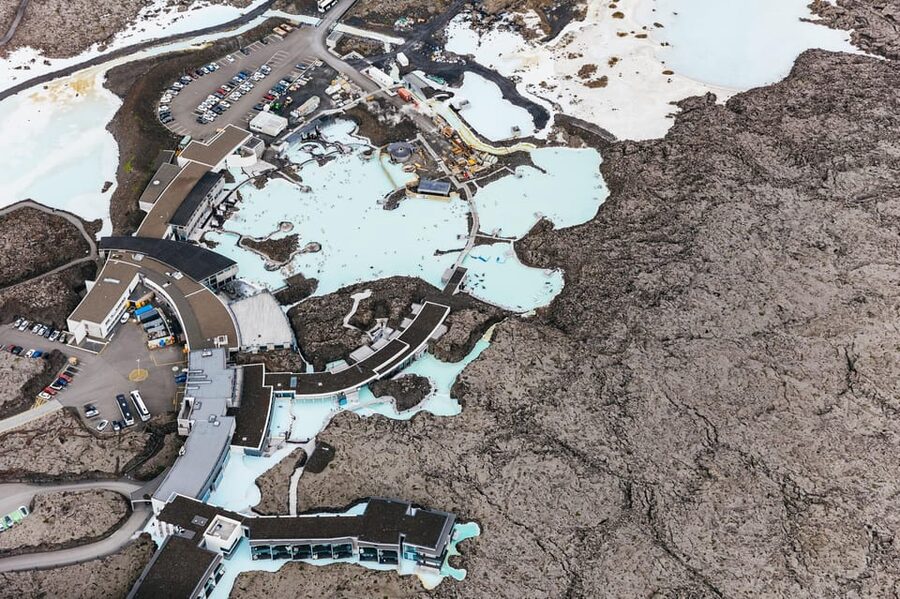
You’ll feel the flight as a sequence of short viewpoints rather than one long stare out the window. The route typically cycles through several volcano areas, each with its own character.
Reykjavik from the air, other flights
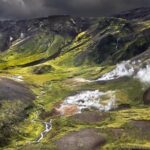
Ace FBO Reykjavík: the quick lift-off moment
At Ace FBO, the important part is getting airborne fast. This short runway-to-sky transition is what keeps the tour tightly timed and helps you maximize view time over the volcanic zone.
Litli Hrutur Volcano: a short look that sets the tone
Litli Hrutur is one of the early focus points, with a sightseeing segment around 5 minutes. That brief timing is actually useful. It gives you a rapid first read on what the terrain looks like from above, so later stops feel easier to interpret.
From here, you’ll likely notice the way the ground is broken into patches, with darker lava fields contrasting against surrounding rock. Even in hazy conditions, the overall shapes can still stand out from the air.
Geldingadalir Volcano: understanding the newer eruption patterns
Geldingadalir is another quick segment (around 5 minutes). This is where your brain starts making connections: you compare what you saw earlier with what you see now and get a clearer sense of how different eruptions carve different paths.
This is also where good pilots matter. Several flights include deliberate circling and angle changes so that passengers on both sides can see the same features, even in a small 5–6 seater helicopter.
Fagradalsfjall Volcano: the longer look for the big visual impact
Fagradalsfjall gets more time (around 10 minutes). The extra minutes help because it tends to be where you can really scan the terrain: where lava spread, what looks recently disturbed, and the general layout of the volcanic field.
If you’re the type who takes a lot of photos, this is the stop that often feels like the “main event.” You get enough time to pause, zoom with your eyes, and plan your shots around what’s visible.
Grindavík area: the human geography next to the lava
You also get sightseeing near Grindavík (around 10 minutes). Seeing the eruption zone next to the coastal town area gives the flight emotional weight. Even without getting specific details on the ground, you can see how close volcanic change is to where people live.
Back toward Reykjavik: a last pass on the way out
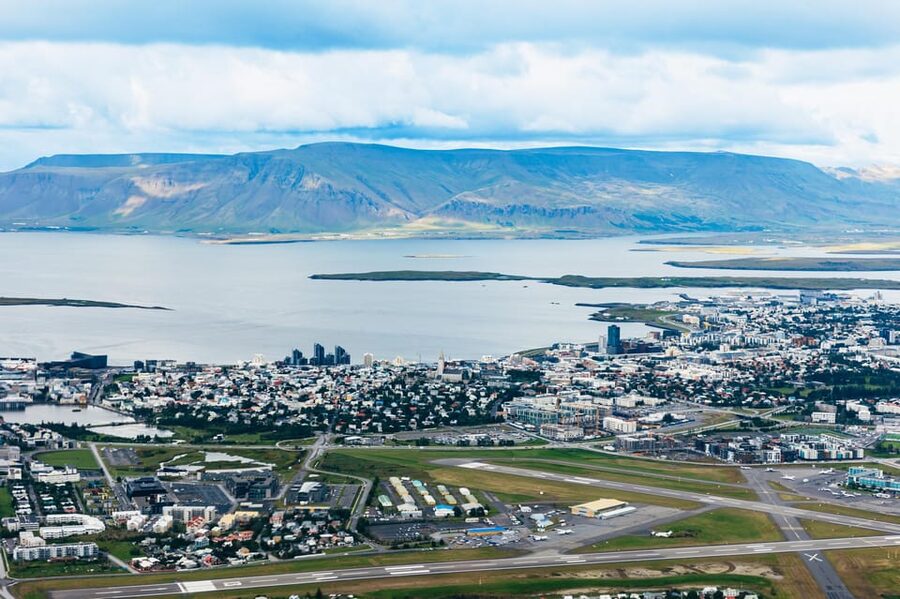
After the volcanic-area views, you return to Reykjavik with a final short segment (around 5 minutes). This last stretch is often when distant landmarks become easier to identify, especially if the visibility is clear. Mount Esja and Faxafloi Bay are commonly part of what you can catch from the air.
Photography, seating, and how pilots share the view
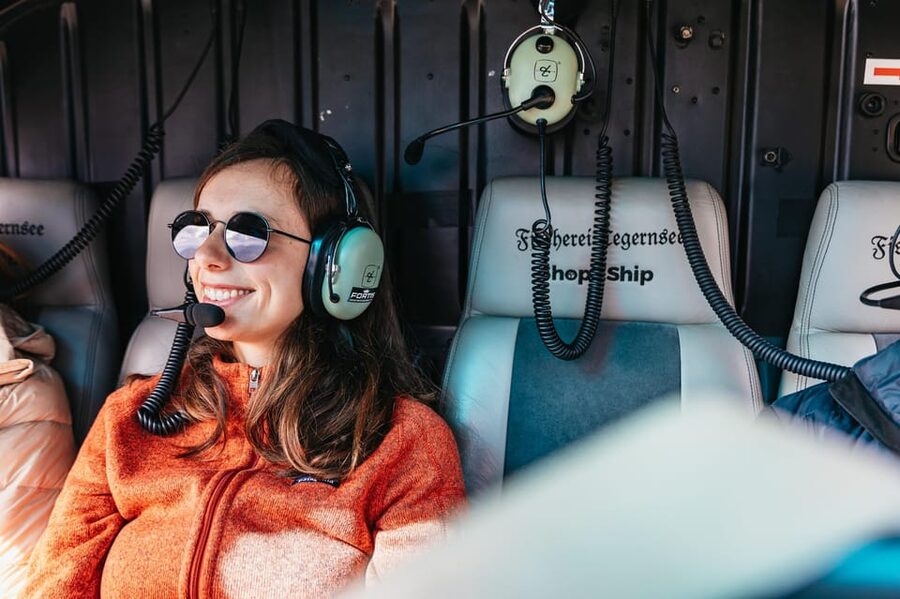
In a small helicopter, seat location affects your photos. But the better news is that pilots often manage the flight path to reduce the “one side gets all the fun” problem.
Many accounts describe pilots making loops and banking left and right so passengers on different sides have their moment. You might hear pilots repeatedly check that everyone is happy and able to see what’s happening, and that kind of attention matters in such a short window. It turns the flight from just scenery into something coordinated.
As for specific pilots named in passenger accounts, you’ll see several repeated names, including Laura, Tamas, Tashi, Juha, Daniel/Danny, and Peter. Not every flight will have the same pilot, but the pattern is consistent: clear safety briefings, friendly interaction, and active maneuvering to help everyone see.
If you care about photos, here’s the practical mindset: don’t wait for the “perfect view.” Use the early minutes to find your framing, then be ready to react when the helicopter banks or circles.
Safety and weather: the reality of Iceland from the air
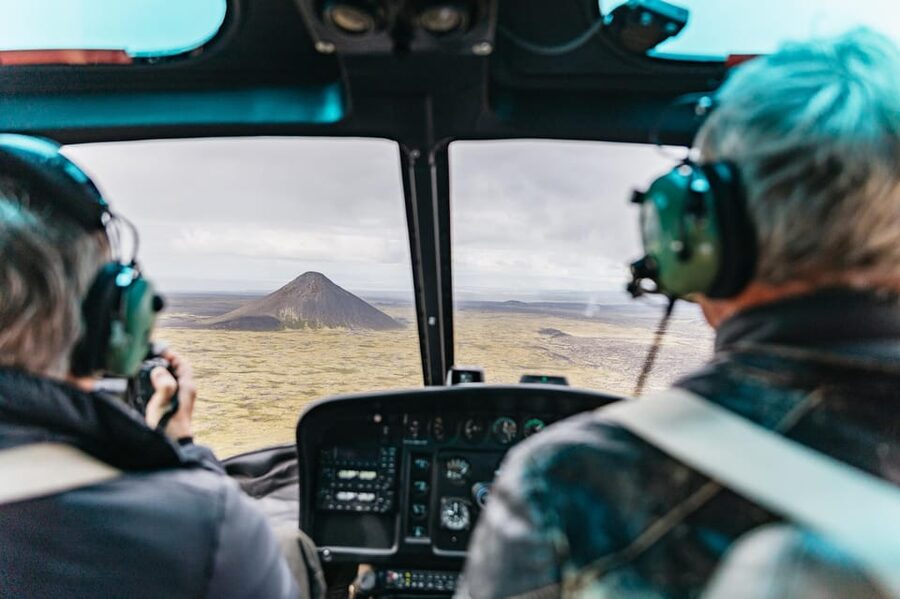
This tour is weather-dependent and runs under safety rules set by Iceland’s civil protection and emergency management. That’s not trivia. It’s the reason helicopter flights sometimes shift timing or can be canceled when conditions aren’t safe.
There’s also the volcanic side of the equation: eruptions are natural events and can be active or inactive during your visit. That means there is no guarantee you’ll see visible lava during your flight. If you go in expecting a guaranteed crater fireworks show, you’ll be disappointed.
What I like is that this is treated as normal risk management, not as a marketing promise. You still get a high-value aerial survey of the volcanic terrain, and in good visibility you can often spot the key features from far above.
A small detail that matters: this helicopter tour requires a minimum of 4 passengers to operate. If the flight doesn’t reach that threshold, it won’t run, so don’t assume last-minute booking always solves timing.
Comfort, language, and what’s included
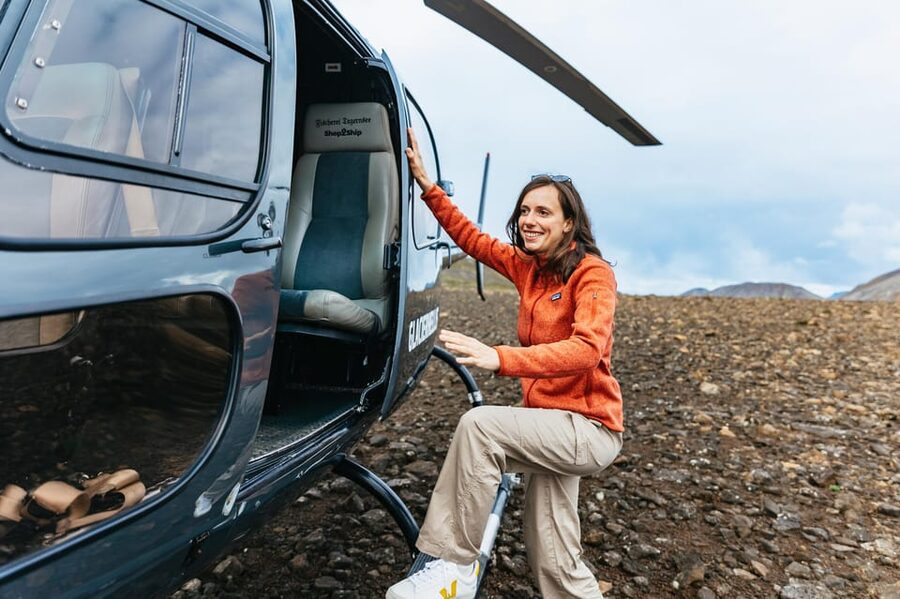
The helicopter experience is offered as a small group limited to 6 participants, and the aircraft seats are typically for 5–6. You’ll have an English live tour guide and English audio guide included. Even for short flights, having an English guide helps you map what you’re seeing, especially when volcanic terrain is hard to interpret at first glance.
Not included: food and drinks. That’s worth planning around because you’ll be focused on the check-in and flight, and Iceland’s weather can make hunger a bigger distraction than normal.
Also note the weight rule: if you’re over 120 kgs, you’ll need to book an additional seat. That isn’t just policy; it affects how the aircraft is configured for safety and performance.
Who this helicopter tour suits best
This tour is a strong fit if you want a close-to-the-scene perspective on Iceland’s recent volcanic activity without spending hours on the ground navigating lava-risk areas. If you like science-meets-awe experiences, you’ll likely enjoy seeing the terrain patterns from above.
It can also work well if you’re nervous about flying, as long as you’re ready for the reality of small aircraft. In one account, an older passenger who said she was terrified of flying relaxed during the experience once the pilot and staff communicated clearly and the flight felt smooth. That kind of reassurance is often the difference between panic and enjoyment.
That said, if you’re on a tight budget or you hate uncertainty, consider how much you want to pay for a short, weather-dependent flight where lava visibility isn’t guaranteed.
Should you book this New Volcanic Area helicopter tour from Reykjavik?
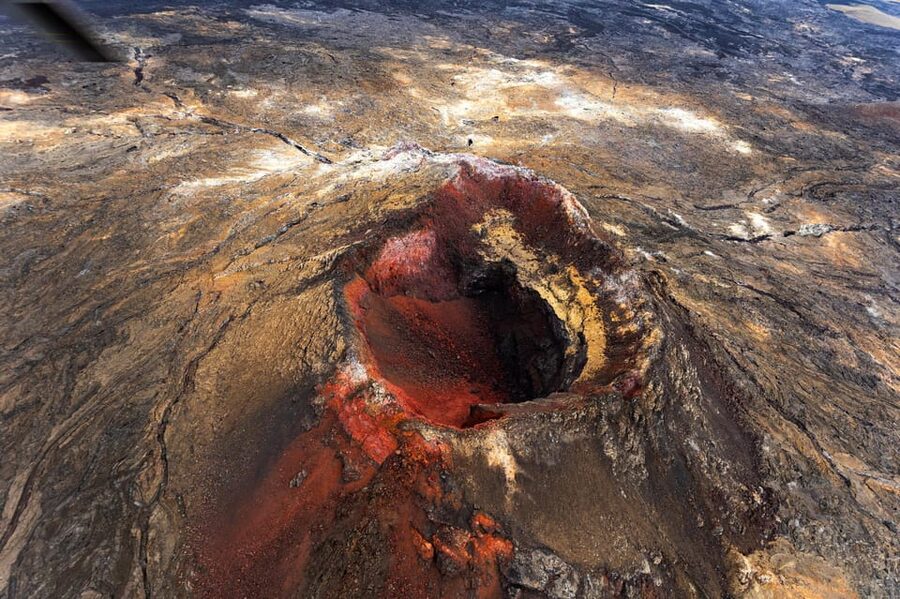
Book it if your top priority is aerial views of Reykjanes volcano terrain: lava fields, volcanic fissures or craters if visible, and the chance to spot Iceland landmarks like Mount Esja and Faxafloi Bay from above. The price is high, but you’re paying for access, not extra amenities.
Skip or rethink if you’re fragile with uncertainty. The flight depends on weather, and the volcano may not show lava the day you fly. If you do book, I strongly suggest planning your Reykjavik schedule with slack—so you’re not forced into one single day with no backup.
If you can afford it and you’re flexible, this is the kind of Iceland activity that makes photos feel secondary. The bigger win is the aerial understanding of how young volcanic ground spreads across a peninsula that’s close to people and coastal life.
FAQ
How long is the helicopter tour?
The tour duration is 40 minutes. Flights are weather-dependent and start times depend on availability.
Where does the tour depart from in Reykjavik?
It departs from Ace FBO Reykjavík, located just behind Reykjavik Hotel Natura. The operator operates from the ACE FBO building.
How many people are in the group?
The tour is limited to 6 participants, and the helicopter seats are described as 5 or 6 seats.
Is there a guide on the flight?
Yes. There is a live tour guide in English, and an English audio guide is included.
What do I see during the flight?
You fly over the Reykjanes Peninsula’s lava fields and streams, with sightseeing over volcano areas including Litli Hrutur, Geldingadalir, and Fagradalsfjall, plus views near Grindavík. You may also see Mount Esja and Faxafloi Bay from the air.
Is there a guarantee of seeing lava or a crater?
No. Eruptions are natural occurrences and may or may not be active during your visit, so there is no guarantee of visible lava.
Does the price include food and drinks?
No. Food and drinks are not included.
What languages are available?
English is provided for both the live guide and the audio guide.
What if I’m over 120 kgs?
If you are over 120 kgs, you must book an additional seat.
What is the cancellation option?
Free cancellation is available up to 24 hours in advance for a full refund.
More Tours in Reykjavik
More Tour Reviews in Reykjavik

Closer to the Volcanoes

Fresh off the road around Reykjavik
Volcano & Lava Tours, compared.
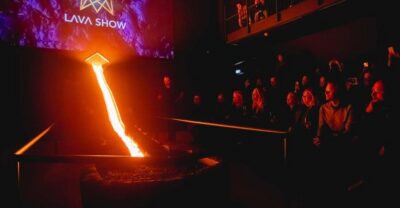 ★ 4.8LAVA SHOW – Immersive Experience Entry TicketFrom $543,360 reviews
 ★ 5.0Lava Show Reykjavik Admission Ticket – Optional Premium UpgradeFrom $543,278 reviews
 ★ 4.5Golden Circle with Kerid Volcanic Crater Day Tour from ReykjavikFrom $852,826 reviews
 ★ 4.8Red Lava Horse Riding TourFrom $1422,383 reviews
 ★ 5.0The Lava Tunnel Tour – RaufarhólshellirFrom $742,373 reviews
 ★ 5.0Golden Circle, Volcano Crater and Blue Lagoon Small-Group TourFrom $2531,932 reviews
 ★ 4.7Raufarhólshellir Lava Tunnel: Underground ExpeditionFrom $731,717 reviews
 ★ 4.7Snæfellsnes Day Trip with Vatnshellir Lava CaveFrom $2191,108 reviews
Browse the lists this tour appears in