
Reviewed · WALKING TOURS
Reykjavik: World War II Walking tour around the city centre
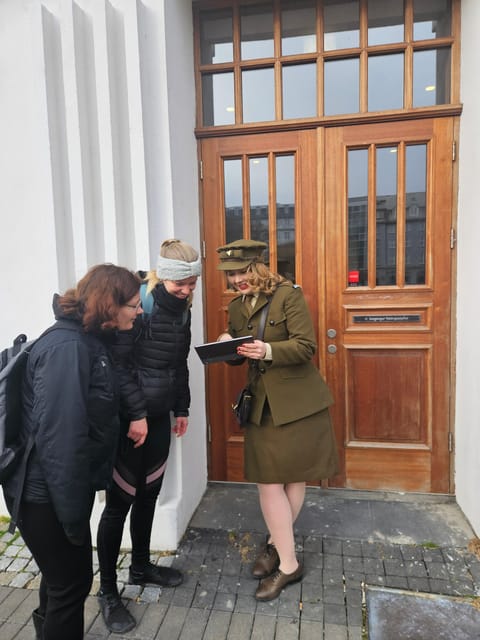
War years in Reykjavik feel close, not abstract. You start by stepping into the story at Austurvöllur and the Hotel Borg, where a guide sets the stage for how the British arrived in May 1940. Two things I especially like: the pinpoint Old Harbour landing area and the way the tour uses period photos and videos to make the timeline feel real.
You also walk the same streets that soldiers used to push into the city centre, then connect the military moves to the everyday social changes. The British story is central, and the American presence gets real attention too, from food and music to the way people spent their evenings. One thing to consider: it’s a weather-influenced, two-hour outdoor walk, and it’s not built for very young kids because of the subject matter.
In This Review
- Key Points to Know Before You Go
- Why WWII in Reykjavik Starts at Austurvöllur and Hotel Borg
- The Old Harbour Landing Spot of the British Invasion (May 1940)
- Reykjavik Old Town: How Soldiers Moved Through the City Centre
- Period Photos, Videos, and the Social Shift You Can Still Feel
- American Presence in Iceland: Food, Music, and Everyday Life
- German Residence Stop: Seeing the Occupation Layer in One Block
- What the 2-Hour Walk Is Really Like: Pace, Weather, and Comfort
- Price and Value at About $40 for a Guided City-Centre Loop
- Who Should Book This WWII Walking Tour in Reykjavik
- Should You Book This Tour or Spend Your Time Elsewhere
- FAQ
- How long is the Reykjavik World War II walking tour?
- Where do I meet the guide?
- Is the tour in English?
- Is the walking tour wheelchair accessible?
- What should I bring?
- What is the tour price?
- Is it suitable for children?
Key Points to Know Before You Go
- Meeting point at Hotel Borg (outside, not inside): go to the spot at Austurvöllur/Parliament Square to start on time.
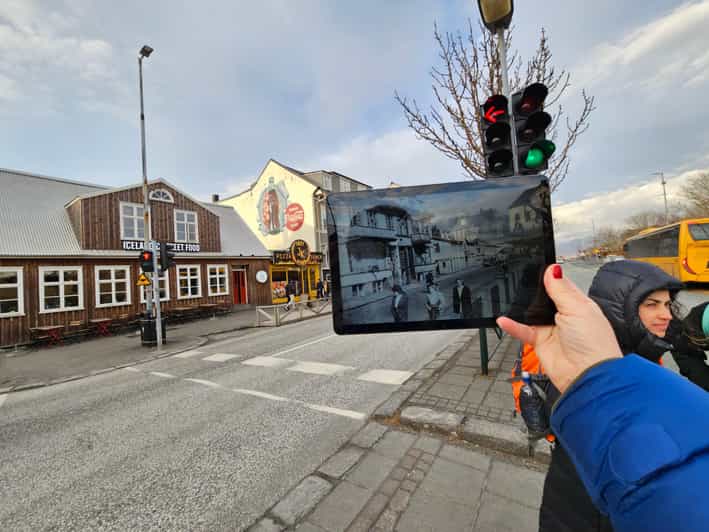
- Exact May 1940 landing focus: you’ll see the Old Harbour landing place the British Invasion targeted.
- Route through Reykjavik Old Town: the walking path follows the soldiers’ movement into the heart of the city.
- Occupation-layer storytelling: the tour connects buildings taken over to culture and social change.
- German Residence stop: one featured address that helps you visualize the wartime geography in one block.
- English live guide: you’ll be led by an English-speaking guide, including guides like Lucky, who mixes facts with personality.
Reykjavik on foot, a few more ways
- Reykjavik Food Walk – Local Foodie Adventure in Iceland★ 5.0 · 18,952 reviews
- Reykjavik: Guided Foodie Walking Tour with 6 Tastings★ 4.9 · 1,645 reviews
- Reykjavik Walking Tour – Walk with a Viking★ 4.5 · 1,018 reviews
Why WWII in Reykjavik Starts at Austurvöllur and Hotel Borg
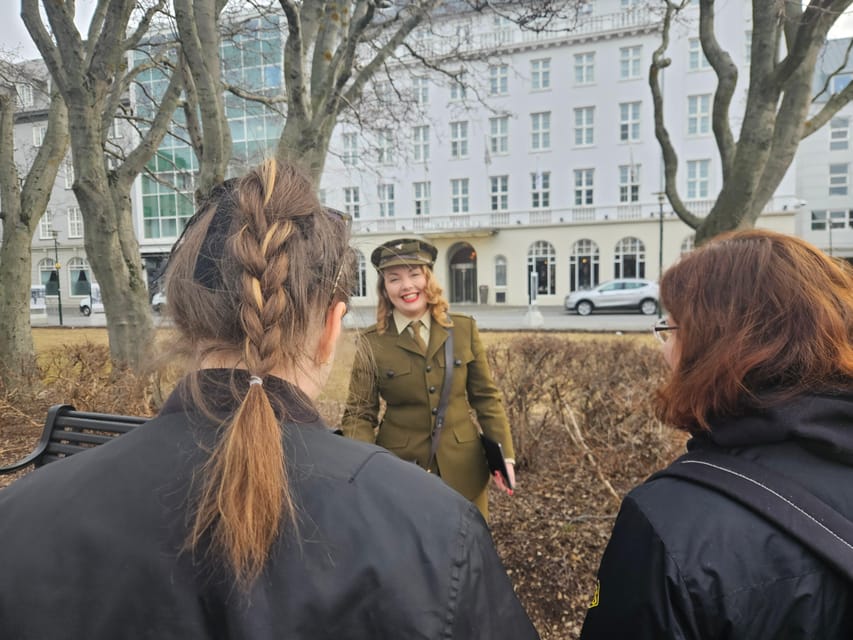
Reykjavik’s World War II story doesn’t begin in a museum with glass cases. It begins in the city centre, at Austurvöllur by Hotel Borg, where your guide frames the big picture first. You get the sense that Iceland wasn’t off to the side of the war. It was part of it, directly.
This start matters because it gives you a mental map before you start walking. From there, the tour shifts from background history into a street-level route. That’s what turns the experience from facts-on-a-page into something you can navigate on your own later.
The guide also sets expectations in a very practical way: what you’ll see along the way, how long you’ll be outside, and why certain buildings and corners are worth your attention. If you like history that you can physically trace on a map, this opening is a strong match.
The Old Harbour Landing Spot of the British Invasion (May 1940)
One of the highlights is the Old Harbour, described as the exact landing place of the British Invasion in May 1940. Standing there with a guide’s framing, the landing stops being a textbook event. It becomes a clear point on Reykjavik’s coastline, with the war arriving by sea and then spreading inward.
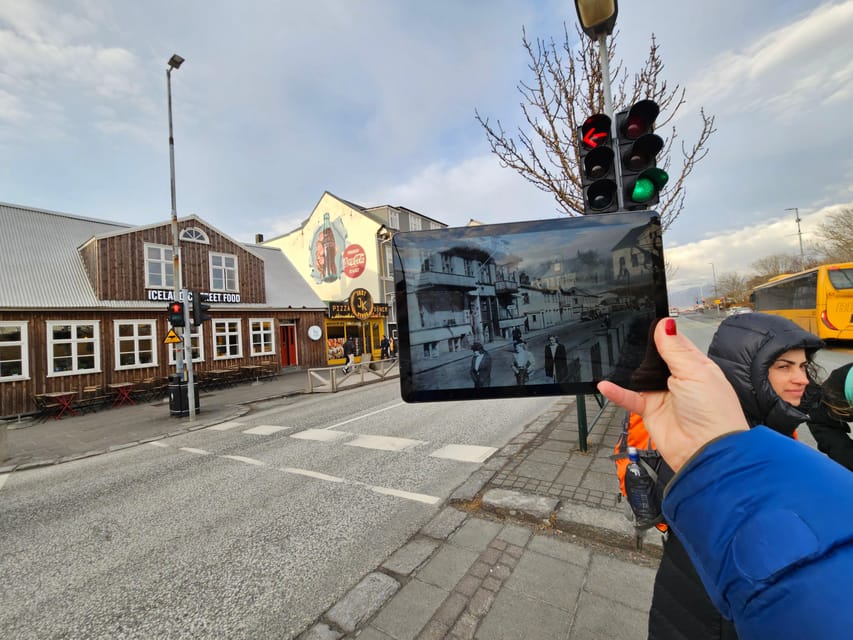
What I like about this stop is the method. Instead of only telling you what happened, the tour uses period photographs and videos to connect the harbour you see now with the one that existed during the war. That contrast helps your brain do the time travel work without you having to squint for imagination.
A small caution: harbour areas can feel colder and windier, depending on the day. Wear outdoor clothing and be ready for damp air. If you’re hoping for warm sun and short sleeves, Iceland usually won’t cooperate.
Reykjavik Old Town: How Soldiers Moved Through the City Centre
After the landing, you follow the route the soldiers took into the heart of Reykjavik. This is where the tour becomes a walking history lesson with a built-in logic. You move from the arrival point into the action areas, and along the way your guide points out the key buildings they took over as they progressed.
I find these city-centre routes especially valuable because they show how geography shapes history. The streets and proximity between places didn’t just matter for sightseeing. They mattered for occupation logistics and control. You’ll walk through Reykjavik Old Town and see how the wartime story intersects with the urban layout you can still recognize today.
The guide also connects military events to civilian life. That’s the cultural thread running under the entire walk: the way an occupying force changes day-to-day routines, not just politics. You come away with a better sense of what it meant for local society when foreign troops appeared in visible, practical ways.
Period Photos, Videos, and the Social Shift You Can Still Feel
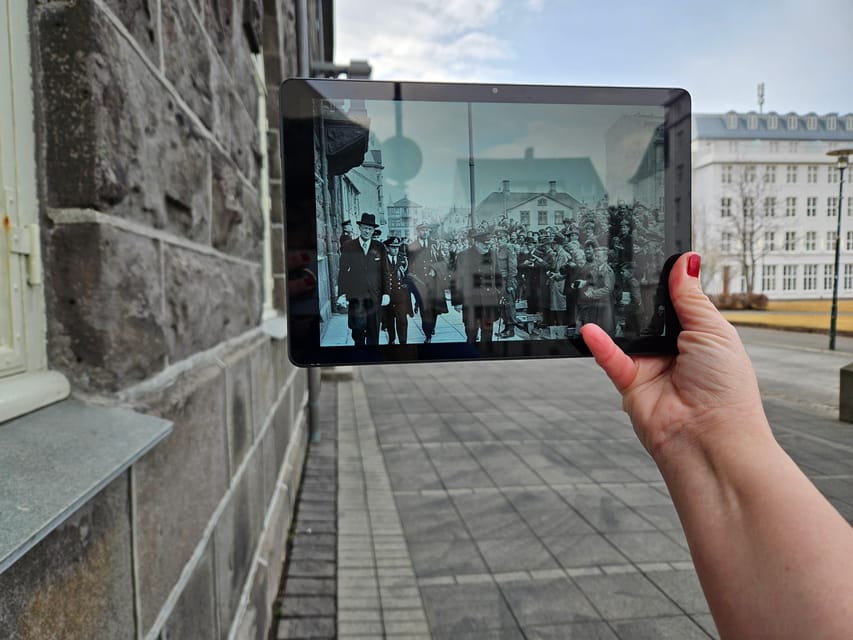
A big part of the appeal is the presentation style. The tour deliberately uses period photographs and videos so you’re not just hearing dates and names. You’re watching (in the guide’s storytelling) how Reykjavik looked and functioned during wartime.
That format does two useful things for you:
- It makes the timeline easier to follow, because you’re getting visual anchors as the route progresses.
- It helps explain why social life changed. You can see how the war era showed up in the everyday spaces people used.
The story doesn’t stop at the British presence. The guide also discusses the American presence and how it shaped society over time. That includes changes like the food people ate and the music they danced to. Even if you don’t know much about Iceland in WWII before booking, you’ll leave with a clear sense of how culture and entertainment shifted under external influence.
One more detail I like: the guide is willing to bring in personality, like the way Lucky added ghost-story flavor for someone who said they enjoy that kind of spooky aside. It’s not a gimmick; it’s a reminder that storytelling keeps the facts memorable.
Worth a look alongside this Reykjavik pick:



American Presence in Iceland: Food, Music, and Everyday Life
The tour frames the British and American presence as connected forces that influenced social change. You’ll hear how American influence showed up beyond politics, reaching into daily routines and leisure.
This is valuable because it reframes WWII in Iceland from a purely military topic into a story about identity. You can see how global contact changes local culture fast, especially in a small city where new tastes and sounds can spread quickly. The food and music pieces are particularly helpful if you’re the type of traveler who wants history with human texture.
Also, it gives you a better lens for the rest of your Reykjavik visit. Once you understand that wartime presence changed entertainment and lifestyle, modern cultural details don’t feel random. They feel like they have a backstory.
German Residence Stop: Seeing the Occupation Layer in One Block
Another highlight is the German Residence stop. Even if you don’t know exactly what you’ll see there beforehand, the tour uses it as a waypoint to show how the wartime era created a visible occupation layer across the city.
I like stops like this because they ground the broader narrative. A whole war can feel too large to picture. A specific residence in the centre makes it feel human. It also helps you follow the story’s geography without needing a map app to catch up.
That said, don’t expect an indoor attraction. This is a walking tour focused on city-centre points. So your experience at each stop depends on the route pacing and the weather. Dress for outdoor time, not just for short photo stops.
What the 2-Hour Walk Is Really Like: Pace, Weather, and Comfort
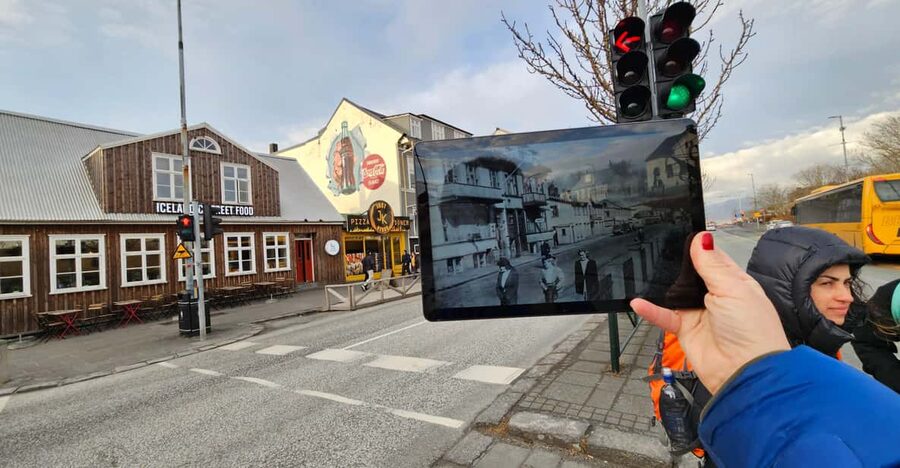
This experience is about a two-hour history-focused walking tour of Reykjavik City Centre. The duration is short enough to fit into a busy itinerary, but long enough that the guide can explain the changes in both military and social terms.
The route includes some walking up and back down a small hill, but most of the tour is flat. There are also no stairs on the path, and you’ll find benches at several stops. That balance is useful if you need occasional rests without slowing the group too much.
Wheelchair accessibility is explicitly supported. The tour is suitable for wheelchair users, and it’s designed around accessible routing rather than a sequence of steps and flights. If you’re using a mobility aid, it’s still smart to bring rain protection and plan for time outdoors.
What to bring is simple and you’ll thank yourself later:
- Comfortable shoes for uneven, wet-feeling conditions
- A camera if you want to compare period images to current streets
- Rain gear and outdoor clothing, even in summer
The practical truth: Reykjavik weather changes. The tour goes in almost all weather, so your comfort comes down to clothing and footwear.
Price and Value at About $40 for a Guided City-Centre Loop
At $40 per person for a two-hour guided walk, this tour isn’t trying to compete with a cheap freebie or a full-day multi-bus package. It’s priced like a focused, guided experience, and the value comes from what you get in that time.
Here’s what you’re paying for:
- A live English-speaking guide
- A route that ties key WWII points together: Old Harbour landing, Old Town movement, and the German Residence
- Period photographs and videos used as storytelling tools
- Side streets you might not find on your own in Reykjavik’s centre
You also don’t have to spend extra money during the walk for snacks or drinks, since those purchases aren’t included. That means you can budget for the rest of your day and still control your own breaks.
If you enjoy tours where the guide makes you look at familiar streets with a new context, this one feels like good use of time. If you’re only interested in WWII from a strict military tactics angle, you may find the cultural and social changes take center stage too often for your taste. But for most people, that blend is the point.
Who Should Book This WWII Walking Tour in Reykjavik
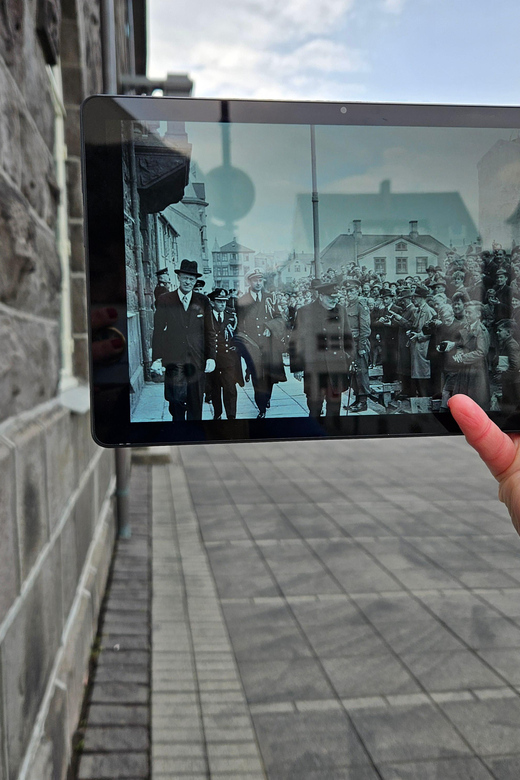
This tour is a great fit if you want WWII history grounded in places you can actually stand on. I’d book it if you:
- Like city-centre walking tours that connect a timeline to real streets
- Enjoy cultural history, not just battles and dates
- Want context on how British and American presence changed daily life in Reykjavik
- Appreciate guides who add humor without losing the thread of the topic
It’s also a good match for people who enjoy a more conversational style. The guide’s personality shows up in the way stories are told, including the chance to steer the mood toward things like ghost-story anecdotes if that’s your preference.
Who should skip? If you’re traveling with children under 10, the subject matter is the reason it’s not suitable. For families who still want the idea, a private tour can be arranged with The War Tour so the material can be adjusted.
Should You Book This Tour or Spend Your Time Elsewhere
I’d book this if you’re staying in Reykjavik for a short window and you want one high-impact, city-centre experience that explains how WWII reshaped Icelandic society. The focus on exact places like the Old Harbour landing area and the German Residence gives you clear anchors. And the combination of military and cultural change is what makes it more than just a history walk.
I’d also book it if you’re the kind of traveler who likes learning how history connects to modern life. The tour’s emphasis on food, music, and social shifts is a practical way to understand why the era mattered.
Skip it if you’re not comfortable walking in almost all weather conditions, even in summer. And if you prefer indoor museums over outdoor city walks, this may feel too weather-dependent for your taste.
FAQ
How long is the Reykjavik World War II walking tour?
The tour lasts 2 hours.
Where do I meet the guide?
Meet outside Hotel Borg, at Austurvöllur (Parliament Square). The guide will not be inside the hotel.
Is the tour in English?
Yes, the tour includes a live English-speaking guide.
Is the walking tour wheelchair accessible?
Yes. The tour is wheelchair accessible, and it notes there are no stairs. Benches are available at several stops, though not everywhere.
What should I bring?
Bring comfortable shoes, a camera, and rain gear/outdoor clothing. The tour goes in almost all weather.
What is the tour price?
The price is $40 per person.
Is it suitable for children?
It is not suitable for children under 10 due to the subject matter. You can arrange a private tour with The War Tour if you want the material adjusted.
Reykjavik on Foot: More Walks


More Tours in Reykjavik



More Tour Reviews in Reykjavik

Fresh off the road around Reykjavik
Walking Tours, compared.
 ★ 5.0Reykjavik Food Walk – Local Foodie Adventure in IcelandFrom $14618,952 reviews
 ★ 5.0Reykjavík Small group Walking Tour – by CityWalkFrom $535,076 reviews
 ★ 4.9Guided Foodie Walking Tour with 6 TastingsFrom $1421,645 reviews
 ★ 4.5Reykjavik Walking Tour – Walk with a VikingFrom $551,018 reviews
 ★ 4.5Reykjavik Folklore Walking Tour: Meet the Elves, Trolls & Ghosts of IcelandFrom $55702 reviews
 ★ 4.7Sightseeing Walking Tour with a VikingFrom $54434 reviews
 ★ 5.0Walking tour of Reykjavik cityFrom $51416 reviews
 ★ 5.0Funky History Walking Tour in Reykjavik – With local storytellerFrom $72389 reviews
Browse the lists this tour appears in