

Reviewed · WHALE WATCHING
Magical Whales in the Midnight Sun | from Reykjavik
A midnight-sun whale cruise feels unreal. This 3-hour Reykjavik outing pairs evening deck time with onboard learning, so you’re not just scanning the water—you’re knowing what you’re looking for. Plus, you get access to the Whale-Watching Centre as a bonus before you head out.
I especially like the warmth plan. Loaner coveralls, plus indoor space and hot drinks, make a big difference when Iceland nights stay cool even in summer. I also like the way the trip is guided: a short multimedia intro, plus an onboard guide who helps you spot species and explains the behavior.
One thing to consider: whale sightings are never guaranteed. Weather can also shake up comfort on deck, so plan for wind and possible rough water even when you’re dressed for summer.
In This Review
- Key Things to Know Before You Go
- Midnight Sun Timing That Makes the Cruise Feel Different
- Meeting at Elding Whale Watching and Using the Whale-Watching Centre First
- The 2.5-Hour Water Time: Where You Actually Spot Whales
- Cold-Water Reality: Coveralls, Indoor Space, and Motion Considerations
- The Onboard Show and Guide Commentary: Learning Without Making It a Lecture
- Food, Drinks, and What to Bring for a Comfortable Late-Night Return
- Value Check: Is a $105 Whale Cruise a Smart Deal?
- Who This Tour Fits Best (and When to Think Twice)
- Should You Book Magical Whales in the Midnight Sun?
- FAQ
- What is the duration of the Midnight Sun whale-watching cruise?
- Where does the tour start in Reykjavik?
- Are coveralls provided, and will I get cold?
- What wildlife might I see?
- Is food or drinks included?
- Is there Wi‑Fi onboard?
- Is the tour narrated in English?
- Is access to the Whale-Watching Centre included?
- What should I wear besides the coveralls?
- Is there a limit on group size?
- What if I feel sea sick?
Key Things to Know Before You Go
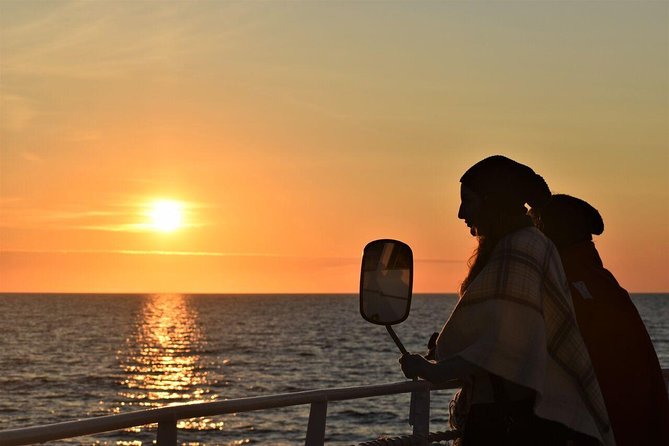
- Midnight sun timing keeps the sky bright enough to enjoy the night view while you hunt for whales and dolphins.
- Whale-Watching Centre access is included, so you’re not waiting “blind” for the cruise to start.
- Onboard multimedia + commentary helps you identify humpbacks, minke whales, dolphins, and porpoises without guessing.
- Coveralls and indoor warmth make the chill manageable, even when you’re spending real time outside on the deck.
- Wi‑Fi-equipped cabin gives you a place to warm up and regroup if the wind picks up.
- Max group size of 150 means you’ll likely have room to move, but you still need to be ready for everyone to want indoor shelter on the return.
The sun that never quite sets, other outings
- Midnight Sun ATV Adventure from Reykjavik★ 5.0 · 112 reviews
- Magical Whales in the Midnight Sun | from Reykjavik★ 4.5 · 91 reviews
- Reykjavík: Midnight Sun Whale Watching Cruise★ 3.9 · 34 reviews
Midnight Sun Timing That Makes the Cruise Feel Different
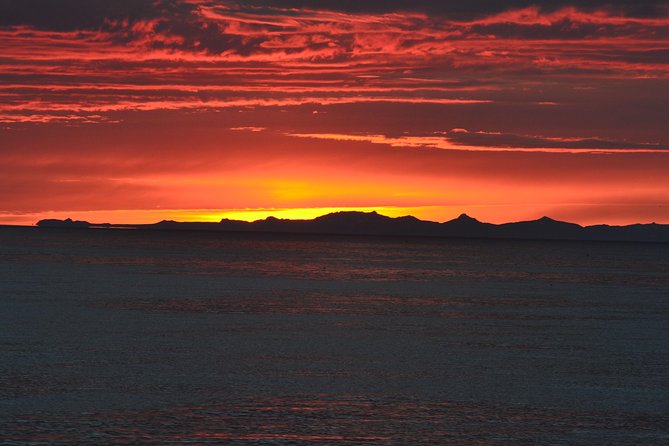
Reykjavik in June and July has that magical midnight sun effect: the sun doesn’t fully drop below the horizon. What that means for your evening is simple—you get a long window of light for scanning the water, plus a sky that turns slowly dramatic instead of going flat dark.
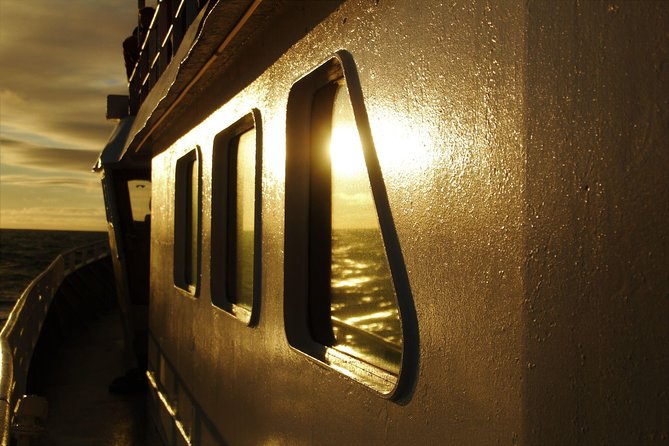
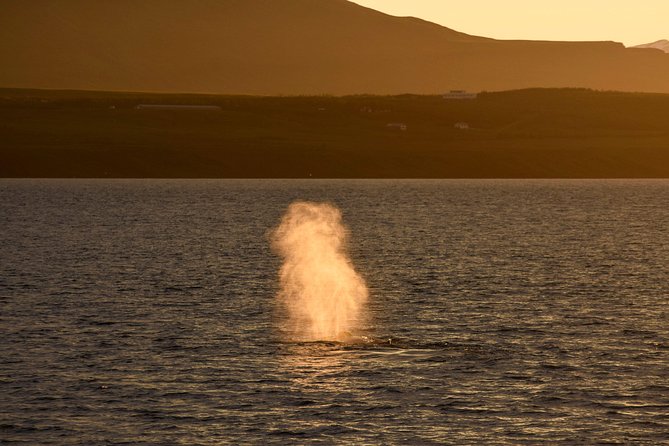
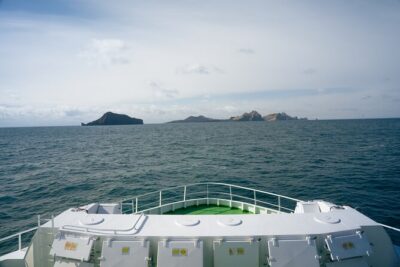
Out on the water, the viewing feels more relaxed than a typical winter whale cruise. You can watch the night sky hovering near the horizon, then enjoy the illuminated sea when conditions are calm and the captain cuts the engine. That quiet moment is often when the whole experience turns from activity into atmosphere.
It’s also why this specific timing is a smart pick for first-timers. You’re far less likely to spend the whole trip huddled below deck in the dark trying to guess what’s happening.
Meeting at Elding Whale Watching and Using the Whale-Watching Centre First
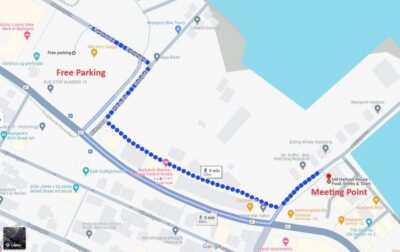
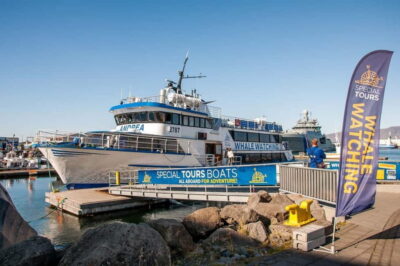
The tour starts at Elding Whale Watching, Ægisgarður 5c, near Reykjavik Old Harbour. This is useful because it keeps everything concentrated: you’re close to the docks, and you’re not doing a long transfer before the action.
You also get access to the Whale-Watching Centre as part of the experience. That extra time matters more than it sounds. It gives you a bit of context before you’re out on the sea, so the cruise doesn’t start with blank staring. Even if you’re not a marine-life nerd, you’ll pick up the basics faster—how these animals move, what to look for, and why certain sightings happen when they do.
And because the tour includes a professional guide on board, the centre time can feel like the opening chapter, not just a waiting room. You’re setting yourself up to enjoy the cruise more, not just cross it off.
The 2.5-Hour Water Time: Where You Actually Spot Whales
The boat heads out in the evening, and you’re on the water for about 2.5 hours, with return around 11 pm. So yes, it’s a late night, but it’s built for that midnight-sun magic and the best odds of sightings during calm visibility.
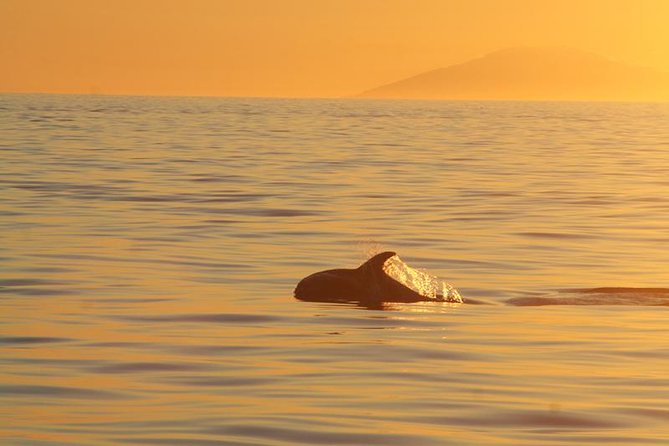
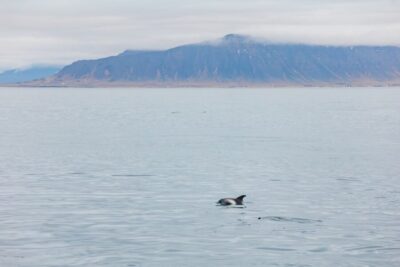
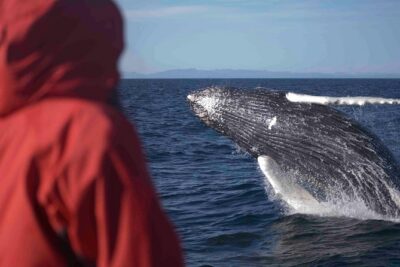
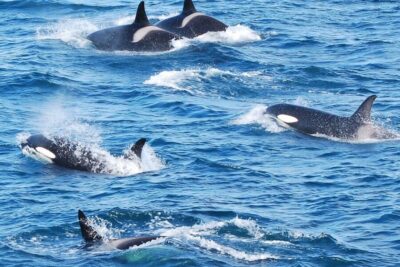
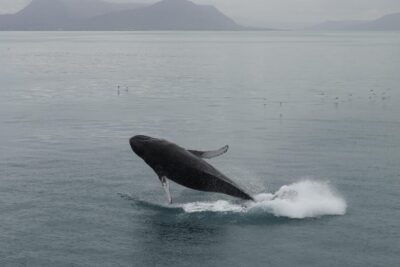
Once you’re out, you’ll claim a spot on the deck. The crew helps you spot and identify marine life, and the kinds of animals you should keep on your radar include humpback whales and minke whales, plus white-beaked dolphins and harbor porpoises.
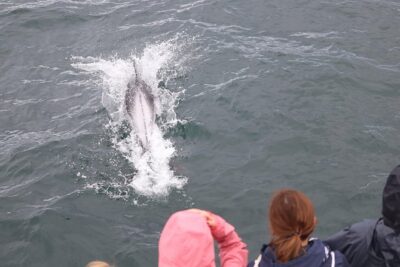
What I like about this style of whale watching is how active it feels. You’re not just waiting for one big event. The guidance is meant to keep you scanning intelligently—so when dolphins arc near the bow or a whale surfaces after a long spout-to-dive pattern, you’re more likely to notice the full sequence, not only the final glimpse.
Also, on past outings, the crew has repositioned the ship so wildlife can be viewed from multiple sides. That’s a real comfort upgrade: it reduces the frustration of everyone crowding one rail while you’re stuck looking at the same direction.
Cold-Water Reality: Coveralls, Indoor Space, and Motion Considerations
Even in summer, Iceland nights can bite. That’s where the loaner coveralls become the difference between enjoying the deck and spending the cruise in a grim grumble. Dress warmly anyway, but the coveralls give you a big safety net—especially if you’re traveling with lighter summer clothing.
You’ll also find an indoor cabin with Wi‑Fi, so you’re not locked outdoors the entire time. One practical note: indoor space can feel busy when wind and rain roll in, especially on the way back. So if you tend to get chilly fast, I’d plan to rotate—deck for sightings, indoor when you need a reset.
For comfort, the boat experience is set up for warmth and downtime. In the onboard setup, you’ll have places to hide from wind, plus amenities like hot drinks are mentioned by guests. Some boats also feel more spacious than you’d expect for a whale cruise, which helps when you’re moving around to chase sightings.
One last thing that’s worth taking seriously: rougher seas happen. A few guests mention the ride can be a little rocky, and I’d treat that as a real hint. Bring your usual sea-sickness solution if you’re even slightly prone. It’s an easy step, and it keeps the experience focused on whales instead of your stomach.
Back out on the bay for more whales

The Onboard Show and Guide Commentary: Learning Without Making It a Lecture
The cruise doesn’t start with silence. As you leave the harbor, there’s a short onboard multimedia show that introduces Icelandic marine life. Then the onboard guide provides commentary while you’re out at sea.
That combo is a big quality signal. It’s one thing to spot movement. It’s another to understand why you’re seeing it—breaching timing, fin slaps, or how dolphins travel and feed. Guests have praised the narration for being organized and for helping them know what they’re looking at in the moment.
Some guides have been singled out by name, too. Alex has been praised for strong guiding and pointing out what to watch, and Rob the naturalist has been noted for lots of insights into animal behavior. You shouldn’t assume you’ll get those exact people, but it does suggest the company puts effort into the human element of the trip.
One caution: clear audio matters. At least one guest reported a speaker system problem that made narration hard to understand. If you’re the type who relies on audio cues to identify birds or small wildlife, I’d keep that in mind and also use your eyes. The crew spotting support helps fill any gaps.
Food, Drinks, and What to Bring for a Comfortable Late-Night Return
Food and drinks are not included. That means you’ll want to plan for what you can eat before you go, and consider bringing a simple snack if you know you’ll get hungry late.
You will have options onboard for warmth, including hot drinks mentioned by guests, but the core point is: don’t count on a full meal. A cruise this length can be tiring, especially in wind, and having a plan keeps you from feeling stuck.
Bring layers. Reykjavik summer can feel mild on land and colder at sea, especially once you’re out past the harbor break. A hat and gloves are recommended, and it’s the kind of advice that actually pays off. If you already packed for cool evenings, you’re probably good—just make sure you have something wind-resistant.
If photos matter to you, note that guests have described getting photos sent by the team after the trip. You can’t assume it’s automatic, but it’s a nice option if you ask at the right time.
Value Check: Is a $105 Whale Cruise a Smart Deal?
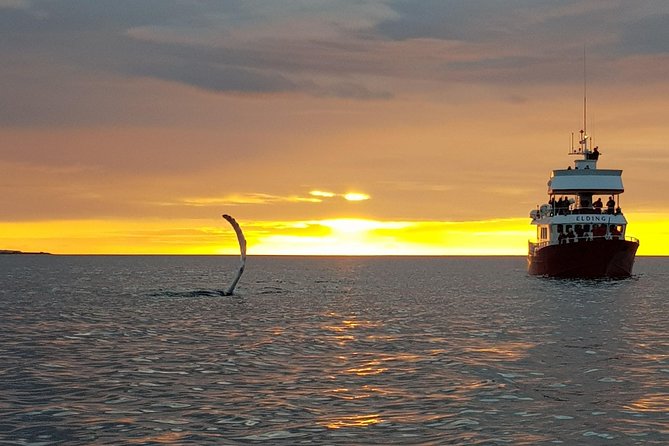
At $105 per person, this is not the cheapest thing in Reykjavik. But it also isn’t a bare-bones boat ride either. The price includes a professional guide, Whale-Watching Centre access, coveralls, and onboard Wi‑Fi.
So you’re paying for three real extras:
- time on the water with active spotting help,
- warm gear that reduces the chance you’ll freeze out,
- and an educational setup (centre + multimedia + commentary).
The trick with whale watching is the one thing you can’t buy: guaranteed sightings. Even when conditions are good, whales decide when to show up. That uncertainty is why the included centre experience and the narration matter. They improve the odds that you’ll have a good trip even if sightings are lighter than hoped.
There’s also an important practical point from the way the company responds to no-sighting situations: if wildlife doesn’t show up, they offer a chance to go again. That doesn’t remove the risk, but it does soften the blow.
Finally, this tour tends to be booked ahead (on average about 34 days in advance). That’s usually a hint that the midnight sun concept draws people early. If you want a specific evening, don’t leave it to the last minute.
Who This Tour Fits Best (and When to Think Twice)
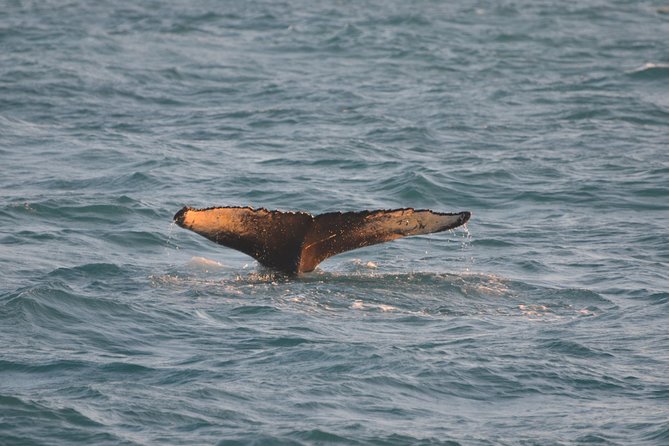
This cruise is a strong fit if you want a classic Reykjavik “I’m seeing whales tonight” experience with real guidance. It also works well for groups that include teens or people who don’t want a long lecture—because the spotting happens continuously, and the multimedia intro gives you context without dragging.
It’s also a good match for people who like being outside but don’t want to suffer. Coveralls and an indoor cabin make it easier to enjoy deck time without freezing. And because the tour is offered in English and most travelers can participate, it’s generally approachable for a wide range of visitors.
Where it may not be ideal:
- If you hate the idea of being outside in wind for long stretches, you’ll need to plan your warmth breaks.
- If you’re very sensitive to motion, take sea-sickness precautions. Even guests who had great sightings called out that the ride can get rough.
- If you’re expecting guaranteed, close-up whale encounters, adjust your expectations. Even top conditions can still mean fewer surface moments than you hope for.
If you’re traveling with service animals, that’s allowed. And since the meeting point is near public transportation, you won’t feel trapped if you’re not renting a car.
Should You Book Magical Whales in the Midnight Sun?
I’d book it if you have June or July evenings in Reykjavik and you want a whale tour that’s timed for the midnight sun, not just another dark-night cruise. The combination of centre access, warm coveralls, and onboard commentary makes it more than a random boat ride.
Choose it especially if you:
- want real learning while you spot whales,
- appreciate having indoor warmth and Wi‑Fi breaks,
- and are willing to bundle up for a late night.
Skip it or rethink your priorities if your main goal is a guaranteed sighting, or if wind and choppy water would ruin the experience for you. In that case, plan to be flexible, and consider booking with the expectation that nature sets the schedule.
FAQ
What is the duration of the Midnight Sun whale-watching cruise?
The tour lasts about 3 hours total, with roughly 2.5 hours on the water.
Where does the tour start in Reykjavik?
You meet at Elding Whale Watching, Ægisgarður 5c, 101 Reykjavík, near the Old Harbour area.
Are coveralls provided, and will I get cold?
Loaner coveralls are provided to help you stay warm. You should still dress warmly, and a hat and gloves are recommended.
What wildlife might I see?
The cruise is set up to look for humpback whales and minke whales, plus white-beaked dolphins and harbor porpoises.
Is food or drinks included?
No. Food and drinks are not included.
Is there Wi‑Fi onboard?
Yes. The boat has a Wi‑Fi–equipped cabin where you can warm up.
Is the tour narrated in English?
Yes. The experience is offered in English, with onboard commentary.
Is access to the Whale-Watching Centre included?
Yes. Entry to the Whale-Watching Centre is included as an added bonus.
What should I wear besides the coveralls?
Bring warm layers, and consider a hat and gloves. Cold can still be a factor even during summer evenings.
Is there a limit on group size?
The tour has a maximum of 150 travelers.
What if I feel sea sick?
The water can get choppy, and guests have noted the ride may be rocky. If you get motion sickness easily, it’s wise to prepare with your usual sea-sickness remedy.
More Whale Watching off Reykjavik

More Tour Reviews in Reykjavik





More Under the Midnight Sun





Fresh off the road around Reykjavik



Whale Watching, compared.
 ★ 4.6Whale Watching and Marine Life CruiseFrom $879,838 reviews
 ★ 4.5Whale Watching Cruise on the Amelia Rose YachtFrom $1072,911 reviews
 ★ 4.5The Original Classic Whale Watching from ReykjavikFrom $1052,626 reviews
 ★ 4.3Whale Watching Tour with Expert GuideFrom $872,422 reviews
 ★ 4.5the Original 3-Hour Whale Watching TourFrom $108908 reviews
 ★ 4.5Whale Watching Tour with Professional Guide from ReykjavikFrom $97744 reviews
 ★ 4.3Whale Watching TourFrom $103711 reviews
 ★ 4.5Whale Watching and Dolphin Watching Yacht CruiseFrom $106707 reviews
Browse the lists this tour appears in