
Reviewed · WHALE WATCHING
Whale Watching and Marine Life Tour in Reykjavik
A few minutes from shore, the ocean puts on a show. This Reykjavik tour is built around close encounters with whales and dolphins plus real-time learning from the captain, and I like the added bonus of onboard Wi‑Fi so you can share fresh photos while you’re still out there. One thing to keep in mind: whale sightings are never guaranteed, and weather can shape how far you go on the water.
I also like that the itinerary is tied to actual geography around Faxafloi Bay and the nearby islands, which means you’re not just cruising aimlessly. If you don’t see wildlife, you get another day ticket, which makes this feel more fair than a lot of standard tours.
In This Review
- Key things to know before you go
- From Old Harbour House out to the whale zone fast
- City-to-sea momentum: Harpa and Reykjavik’s waterfront from the water
- Faxafloi Bay: the ocean “search area” that matters
- Islands you’ll pass: Engey, Lundey, and Viðey
- What marine life you might see, and what the captain teaches you
- The real “feel” of the tour on the water
- Photos, Wi‑Fi, and how to stay comfortable
- Another-day ticket: what it really means for your money
- Who this tour is best for (and who should consider alternatives)
- Quick practical tips before you book
- Should you book this Reykjavik whale watching cruise?
- FAQ
- How long is the whale watching tour?
- What is the price per person?
- What language is the tour offered in?
- What animals might you see on the water?
- Is there onboard Wi‑Fi?
- What if you don’t see wildlife during the trip?
- Where do you meet and where does the tour end?
- What happens if the weather is poor?
Key things to know before you go

- Marine-life spotting from your captain: you learn what you’re looking at as the search is happening.
- Onboard Wi‑Fi for live photo uploads: take shots and share them without waiting until you’re back on land.
- Second-day ticket if wildlife is scarce: a built-in remedy when sightings don’t happen.
- Faxtafloi Bay and nearby islands: Engey, Lundey, and Viðey are part of the route for ocean views.
- City views from the water: you’ll get a different angle on Reykjavik, with Harpa along the way.
- Smallish group for a big outing: up to 75 travelers.
Back out on the bay for more whales
- Reykjavík: Whale Watching and Marine Life Cruise★ 4.6 · 9,838 reviews
- Reykjavík: Whale Watching Cruise on the Amelia Rose Yacht★ 4.5 · 2,911 reviews
- Reykjavik: Whale Watching Tour with Expert Guide★ 4.3 · 2,422 reviews
From Old Harbour House out to the whale zone fast
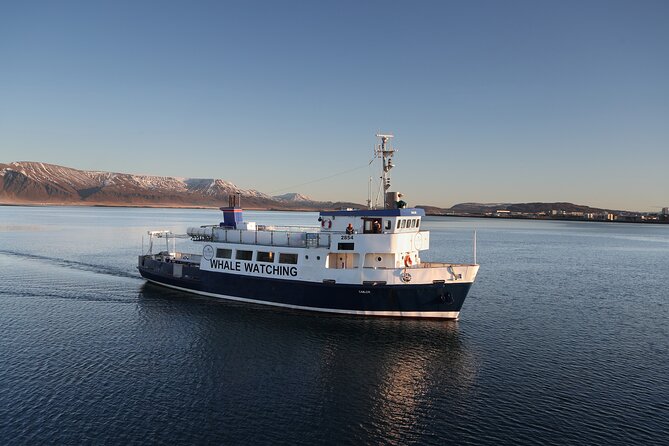
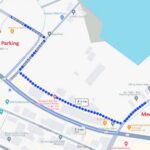
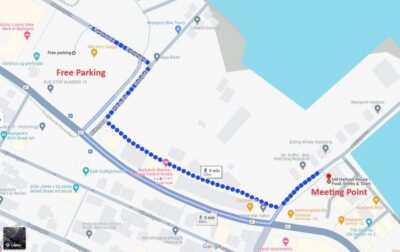
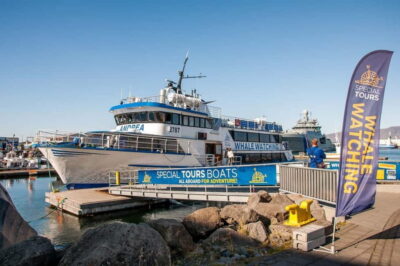
The day starts at Old Harbour House (Ægisgarður 2), and it’s a practical meeting spot for downtown Reykjavik. The tour loops back to the same place at the end, so you don’t have to solve transport after you’re chilled and hungry.
What makes this setup good value is the timing philosophy: sightings are often just minutes off the coast in Faxafloi Bay. Reviews also suggest that once the boat reaches the right area, the time watching can feel satisfying rather than rushed.
City-to-sea momentum: Harpa and Reykjavik’s waterfront from the water
Part of the route includes Harpa, Reykjavik’s famous concert hall and conference center, recognizable by its colorful glass facade inspired by Iceland’s basalt landscape. Even if you’re not here for a show, it’s a great stop because it frames the contrast you came for: slick modern Reykjavik, then the rugged ocean that sits right beside it.
From the water, Harpa and the surrounding waterfront can look different than the street-level view. And because this tour is short (about 3 hours), the stop isn’t a time sink—you’re back on the water looking for whales while other tours are still “getting to the coast.”
Faxafloi Bay: the ocean “search area” that matters
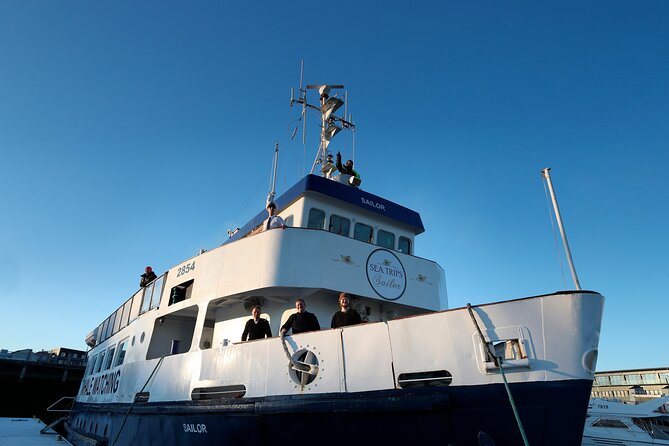
Faxafloi Bay sits along Reykjavik’s southern shore, and it’s one of the reasons this whale tour is so doable as a half-day activity. The bay is known for having few islands close to land, which can make navigation simpler than in areas with lots of scattered landforms.
This matters because it shapes your odds. When the captain can read conditions and find the right feeding or travel patterns, sightings can pop up quickly. The tour operates year-round, and the “peak” is summer—but the key detail is that there’s still a variety of ocean-going mammals available outside peak season too.
One fun geography detail: on clear days, you can even see distant landmarks like the Snæfellsjökull area (about 120 km away), along with the Akranes peninsula. Even if the whales keep you waiting, this is still a scenic outing.
Islands you’ll pass: Engey, Lundey, and Viðey
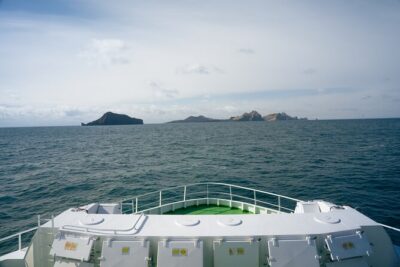
The itinerary builds in stops or passes near Engey, Lundey, and Viðey, which are all part of the local island scene around the Kollafjörður (Faxa) area.
- Engey is the second largest island in the Kollafjörður (Faxa Bay) fjord. Its size makes it a visible marker on the water, which is handy when you’re trying to understand where you are during the ride.
- Lundey, often called Puffin Island, is a small uninhabited island off the western coast near Reykjavik. It’s a named landmark even if you’re mainly there for whales.
- Viðey is the largest island in Kollafjörður Bay near Reykjavík. Again, it’s not just trivia—it helps make the route feel intentional.
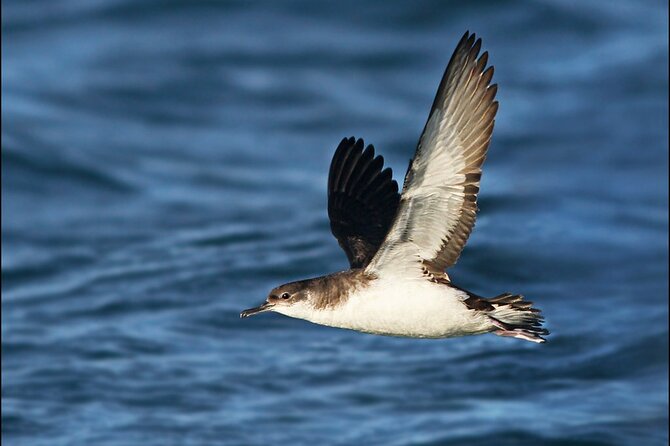
About wildlife expectations here: puffins and seabirds do show up on some outings, but they’re not guaranteed. Some people even mention passing Puffin Island and not seeing puffins clearly—so think of islands as scenery and context, not a promise.




What marine life you might see, and what the captain teaches you
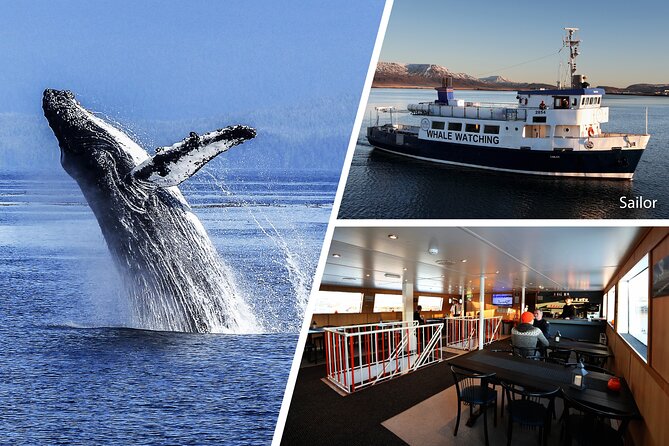
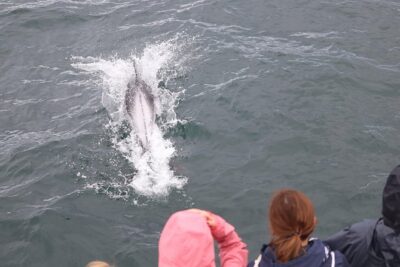
The tour’s whole point is whales, dolphins, and porpoises, and it’s set up so you’re learning while you look. The captain is your on-board guide, and you get help spotting what matters: blows, surfacing patterns, and where animals appear relative to your position.
The kinds of marine mammals mentioned for this area and season include:
- minke whales
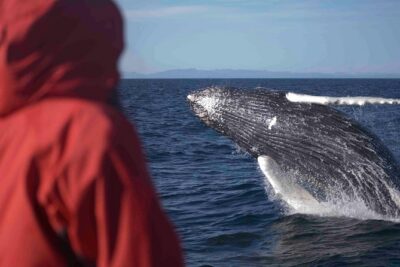
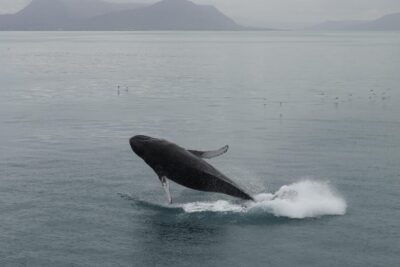
- humpback whales
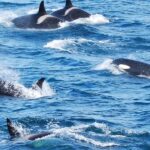
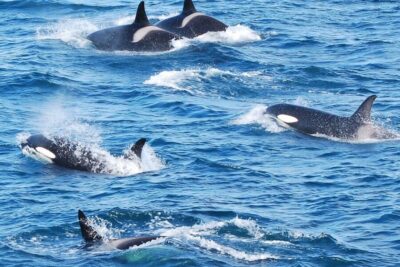
- killer whales
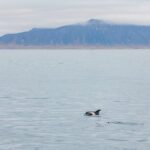
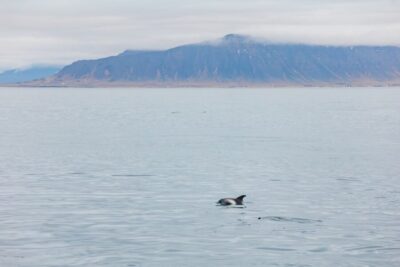
- white-beaked dolphins
- harbour porpoises
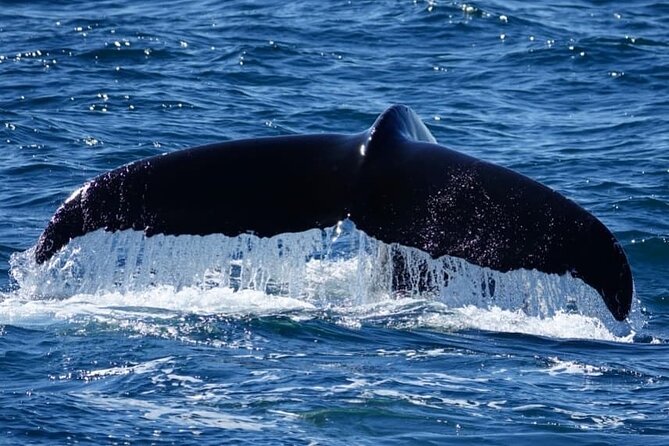
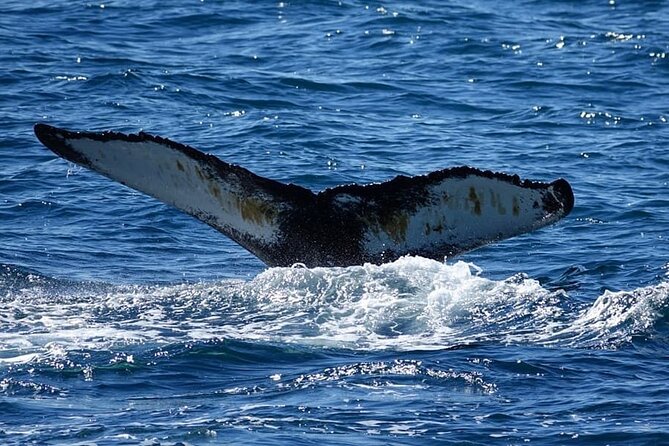
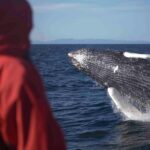
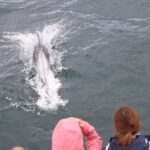
The strong theme in the feedback is humpbacks. Several outings describe whales getting quite close to the boat, with people seeing backs, tails, and repeated surfacing.
One review specifically notes a guide named Maria (a biologist) being helpful with requested information, and another mentions an expert by the name Julian. Those names matter because they hint at the kind of guide you’ll want: someone who can explain what you’re seeing in plain language while staying focused on spotting.
The real “feel” of the tour on the water
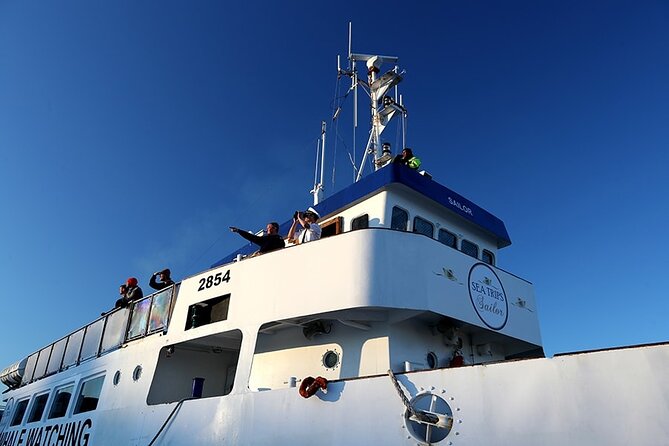
This is not a dock-and-watch cruise. Once you’re out, the boat is actively searching and then committing to watching when sightings appear.
That said, reviews show a split in experiences, and it’s worth reading the signals carefully. Many people praise the team for working hard to track whales without disturbing them, and they describe the crew as patient—staying with whales for long stretches once contact is made. Others were much harsher, saying the boat stayed too near harbor and rushed toward any surface sign, which they felt disturbed the animals. If you feel strongly about wildlife ethics, bring that sensitivity into your expectations: whale watching can look intense from inside the boat when there’s a sudden blow.
Also expect conditions to vary. One review calls out a “hard day” due to the season and seas, but says the team took excellent care of everyone. Another brings up that it’s a long ride back and forth, so bring something to stay occupied when visibility is low.
Photos, Wi‑Fi, and how to stay comfortable
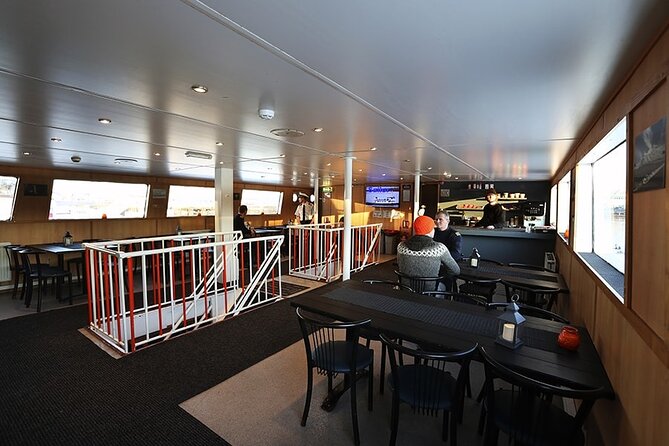
Here’s a feature I love in theory: onboard Wi‑Fi so you can upload live photos while you’re still on the tour. It’s a small thing that can make a big difference because you don’t have to wait until you’re back in town to share the best frame.
But don’t make the mistake of treating comfort as optional. Multiple comments push a simple rule: dress warm. The boat ride can be cold even when the city is pleasant, and watching whales often means standing still and staring into wind.
If you want the photo benefit, pack for cold hands—because fumbling with your phone in mittens is a pain. And if it’s windy, plan to secure your camera/phone before the moment arrives.
If the ride feels long between sightings, have a low-effort backup—books or cards came up in feedback. It’s the kind of tour where the “waiting part” can be as much of the experience as the “spotting part.”
Another-day ticket: what it really means for your money
At $98 per person, you’re paying for a guided, time-limited hunt for wildlife plus the chance to see whales close to Reykjavik. That price is in line with what whale watching typically costs in places where animals are accessible from town, but it still stings if you get skunked.
This is where the “if you don’t see wildlife, receive a ticket for another day” feature helps. It changes the risk profile. You’re not just buying a departure; you’re buying a shot at a wildlife encounter backed by a re-try if sightings don’t happen.
Still, be realistic: “not seeing wildlife” is not the same as “seeing nothing at all.” Some outings get dolphins but only minimal whale time; others get fewer sightings than expected. One review even warns to check whale season first before paying, because the number of sightings can feel limited at times.
Who this tour is best for (and who should consider alternatives)
This is a great fit if you:
- want a short, downtown-based whale trip without complicated logistics
- like learning while you watch (the captain’s spotting explanations matter)
- don’t mind cold wind and are willing to bundle up
It’s also a good choice if you’re traveling with mixed ages, since most people can participate and the total group size stays capped at 75.
If you’re the type who needs guaranteed whales, this may feel stressful. Even when people say the crew tries hard and sightings are strong, whale watching is still nature, not a theme park. If your schedule is tight and you can’t spare an extra day, consider how much you’ll hate uncertainty.
Quick practical tips before you book
A few things that help you get more from the ride:
- Bring warm layers and a hat that blocks wind; the cold shows up fast out on the water.
- Plan for “waiting” time between sightings, especially in choppy weather—bring a book or cards.
- If you care about photos, protect your hands and keep your phone/camera accessible without fighting your gear.
- If you’re hoping for puffins, remember they can be seen near Puffin Island (Lundey), but they’re not a sure bet.
Also, this tour is commonly booked about 31 days in advance, so if you’re traveling in the busier stretch, book earlier so you can pick a day with better weather.
Should you book this Reykjavik whale watching cruise?
I’d book it if you want a short, guided whale-watching outing from downtown with real learning on board and a chance at truly close wildlife. The onboard Wi‑Fi for photo sharing and the second-day ticket if wildlife is scarce are both strong signals that the operator expects you to leave happy.
I’d pause before booking if whales are the only thing you’ll accept and you’re stuck with one single day in Reykjavik. Weather and seasonal conditions can reduce sightings, and the experience depends on finding the right area.
If you do book, go in prepared for wind and uncertainty—and lean into the captain’s guidance. When the sightings hit, the best moments described are the ones where the boat gets you right into the action: humpbacks surfacing repeatedly, dolphins moving through the water, and that electric feeling of seeing big marine life in its own world, just a short ride from the harbor.
FAQ
How long is the whale watching tour?
The tour is about 3 hours (approx.).
What is the price per person?
It costs $98.00 per person.
What language is the tour offered in?
The tour is offered in English.
What animals might you see on the water?
You may see minke, humpback, or killer whales, along with white-beaked dolphins and harbour porpoises. The tour operates year-round, with summer typically being peak.
Is there onboard Wi‑Fi?
Yes. The tour includes onboard Wi‑Fi so you can upload your live photos.
What if you don’t see wildlife during the trip?
If you don’t see wildlife, you receive a ticket for another day.
Where do you meet and where does the tour end?
You meet at Old Harbour House (Ægisgarður 2, 101 Reykjavík) and the activity ends back at the meeting point.
What happens if the weather is poor?
The experience requires good weather. If it’s canceled due to poor weather, you’ll be offered a different date or a full refund.
More Whale Watching off Reykjavik

More Tours in Reykjavik



More Tour Reviews in Reykjavik

Fresh off the road around Reykjavik



Whale Watching, compared.
 ★ 4.6Whale Watching and Marine Life CruiseFrom $879,838 reviews
 ★ 4.5Whale Watching Cruise on the Amelia Rose YachtFrom $1072,911 reviews
 ★ 4.5The Original Classic Whale Watching from ReykjavikFrom $1052,626 reviews
 ★ 4.3Whale Watching Tour with Expert GuideFrom $872,422 reviews
 ★ 4.5the Original 3-Hour Whale Watching TourFrom $108908 reviews
 ★ 4.5Whale Watching Tour with Professional Guide from ReykjavikFrom $97744 reviews
 ★ 4.3Whale Watching TourFrom $103711 reviews
 ★ 4.5Whale Watching and Dolphin Watching Yacht CruiseFrom $106707 reviews
Browse the lists this tour appears in