Reviewed · REYKJAVIK
Viking Knife–Making Workshop in Reykjavik
Knife-making in Iceland starts with raw materials. In Mosfellsbær, you can turn that into your own Viking-style knife and leather sheath, taught by Icelandic craftsman Pali.
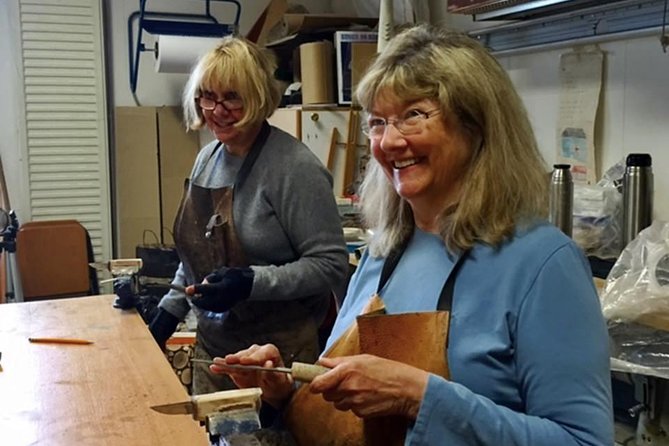
I like the small-group format (max 10), because it feels hands-on instead of watch-from-the-side. I also love the built-in break: a traditional Icelandic lunch with tea or coffee so the day doesn’t feel like nonstop tool time.
One possible catch: there is no hotel pickup, so you’ll need to get yourself to Mosfellsbær for the 9:30 am start, and you should be ready to work your hands for several hours (including gripping tools for sanding and shaping).
In This Review
- Key Things I’d Zoom In On Before You Book
- A Small-Group Knife Workshop in Mosfellsbær (Not Just a Demo)
- Price and What You Actually Get for $404.01
- How the Day Starts: Natural Materials and Viking-Style Design Choices
- The Hands-On Build: Shaping, Sanding, and Polishing Your Knife
- Handle Shaping: Making It Feel Like Yours
- Making the Leather Sheath: Protection and Practical Style
- Lunch Break in Iceland: Traditional Food Plus a Real Reset
- Where Tools Leave Off and Your Souvenir Begins
- Logistics That Matter: Getting There and Staying Comfortable
- What to Expect If You Haven’t Done This Before
- Who This Viking Knife-Making Workshop Is Best For
- Should You Book This Viking Knife-Making Workshop?
- FAQ
- Where does this workshop start and end?
- How long is the Viking knife-making workshop?
- What’s included in the price?
- Do I need any prior experience?
- What do I take home at the end?
- What happens if it rains?
Key Things I’d Zoom In On Before You Book
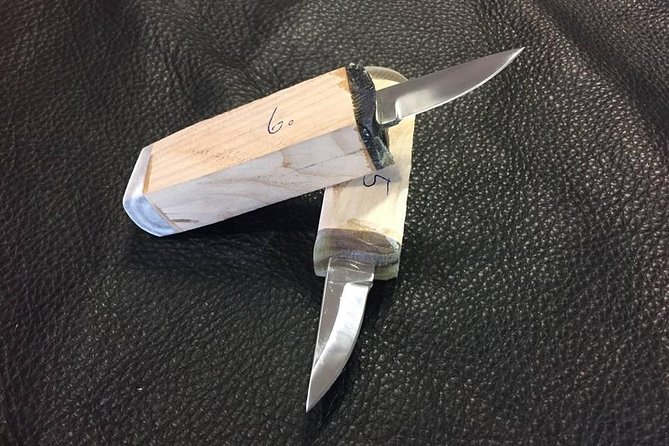
- Foraged Icelandic materials: you use natural pieces the instructor has collected over the years.
- A full take-home keepsake: you complete one knife in the workshop, plus a leather sheath.
- Small group, real coaching: max 10 people means you get guidance as you go.
- Hands-on steps you can explain later: designing, sanding, polishing, shaping handles, and sheath making.
- Included lunch plus coffee/tea: you get a proper Icelandic meal during the 6-hour session.
- Rain or shine: the format runs in bad weather too, so you can plan with confidence.
Worth a look alongside this Reykjavik pick:
- Private Golden Circle tour in a premium class car.★ 5.0 · 50 reviews
- Icelandic Cooking Class in Downtown Reykjavik with Musical Hosts★ 5.0 · 4 reviews
- Private Icelandic Horseback Ride: Matched to Skill Level★ 5.0 · 3 reviews
A Small-Group Knife Workshop in Mosfellsbær (Not Just a Demo)
This isn’t a quick show-and-tell. This is a hands-on Viking knife–making workshop, designed around you learning the steps and finishing a tool you can take home—knife and sheath included.
The session runs about 6 hours and starts at 9:30 am in Mosfellsbær, near Reykjavik. It ends back at the same meeting point, so think of it like a day event: you show up, you work, you eat, you finish, and you’re done.
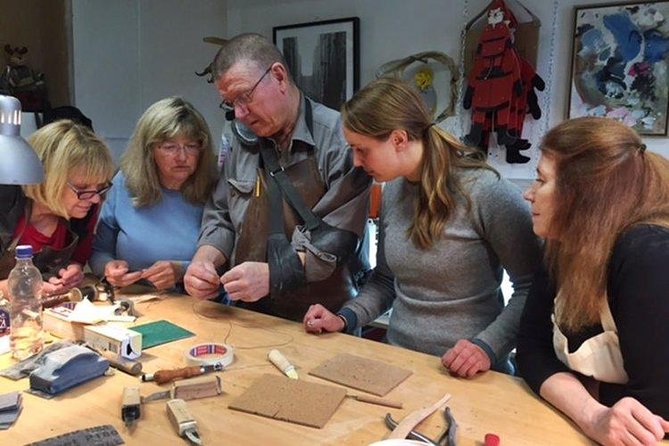
Group size matters here. With a maximum of 10 travelers, the instructor can keep an eye on your process and help you correct small mistakes before they snowball. That’s a big deal when you’re sanding, shaping, and trying to get everything to feel right in the hand.
Price and What You Actually Get for $404.01
At $404.01 per person, this isn’t a bargain-bucket activity. But it also isn’t just a class fee.
What you’re paying for is pretty concrete:
- Materials and tools for the workshop
- One knife completed during the session
- Leather sheath making as part of your project
- Traditional Icelandic lunch
- Coffee and/or tea (plus water)
When you compare that to the typical cost of a handmade souvenir, you’re paying for the labor of the instructor and the value of the materials, but you’re also getting the experience of making it yourself. You’re not only buying an object; you’re buying skills like design choices, sanding and polishing technique, and sheath construction.
I also like that the workshop is built for skill level: none. You don’t need prior metalwork or leather skills to participate. You just need to follow directions and stay focused when it’s your turn to shape or finish.
How the Day Starts: Natural Materials and Viking-Style Design Choices
The workshop is centered on natural materials collected from Icelandic nature by the instructor. You’re not just using any supplies pulled from a shelf. The goal is that Viking-era feel, from the materials to the techniques.
Your day begins with you getting oriented and then moving into the process of making your knife. The core steps include:
- designing and shaping
- sanding and polishing
- shaping the handle
- making the leather sheath
This matters because it turns the workshop into a sequence you can actually remember and repeat. You’ll understand why someone sands in stages, why polishing changes how a surface feels, and why a handle is more than decoration—it affects comfort and control.
The instructor, Pali, is also part of why people rate this so highly. The vibe you’re looking for is practical and patient: you’re guided step by step, not left alone with a pile of tools.
The Hands-On Build: Shaping, Sanding, and Polishing Your Knife
This is where the day becomes real work—in a good way.
You’ll be learning the knife-making process with instruction and supervision. That includes how to shape the handle and how to sand and polish so the finish looks and feels right. These stages take patience. If you rush, you can lose control of the shape, and you’ll feel it later in the handle comfort or in how the surface catches light.
One useful thing to know: you should be prepared to use your hands for sustained effort. The ability to grip tools and keep steady pressure helps. If you have any hand fatigue issues, plan to take breaks when the instructor suggests them and keep your posture comfortable.
Also, follow directions even when they seem small. In workshops like this, tiny technique adjustments can save you from having to redo a step later. You’re working with materials and finishing processes that respond to how you handle them.
Because the workshop is time-bounded (about 6 hours), you’ll move through the main stages with the instructor pacing you. That means you get momentum, and you avoid the common problem of spending all your time on one part and finishing with a half-done result.




Handle Shaping: Making It Feel Like Yours
The handle is where your knife stops being generic.
You’re taught how to shape the handle as part of creating your Viking-style knife. That’s not only about looks. It’s about ergonomics—how the handle fits your grip, where your fingers naturally land, and how stable your control feels.
I like this step because it gives you a chance to make design choices, even within a workshop framework. You’ll learn why handle shaping and sanding are linked: you can’t polish away discomfort. If it doesn’t feel good when you hold it, the finishing won’t rescue it.
If you enjoy craftwork that mixes function with form, this is the stage you’ll care about most. It’s also where the instructor’s guidance is most valuable, since small adjustments can change how the final knife feels in the hand.
Making the Leather Sheath: Protection and Practical Style
A Viking-style knife isn’t complete in most people’s minds without a leather sheath.
You’ll learn how to make the sheath as part of the workshop. Leather work has its own rhythm: fitting and forming around the knife, then finishing so it holds properly. The point here isn’t perfection-for-a-museum display. It’s a usable sheath that matches the knife you made.
This is also one of the best parts for travel value. When you take something home that includes both a blade and its sheath, it becomes a story you can actually use: a gift, a display piece, or a conversation starter you don’t have to explain away as a craft project with no practical logic.
And since the sheath is included in what you make during the session, you’re not stuck paying extra to add the missing piece later.
Lunch Break in Iceland: Traditional Food Plus a Real Reset
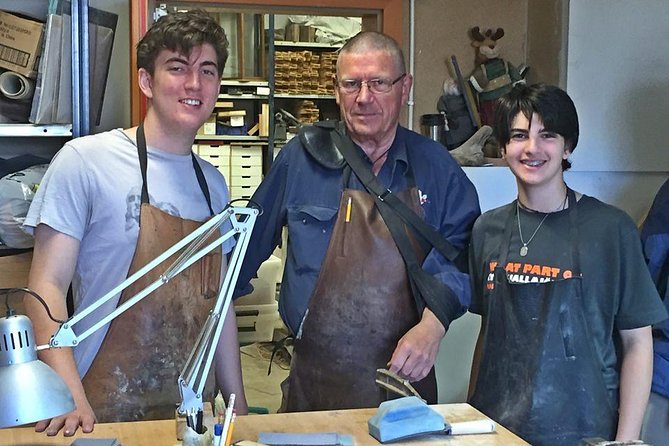
Yes, you’ll eat. And in this workshop, lunch is part of the flow instead of an afterthought.
You get a traditional Icelandic lunch plus tea or coffee during the break. After hours of sanding, shaping, and tool work, having food built into the schedule is a smart design choice. It also keeps the tone relaxed, even when you’re concentrating.
I like the lunch here because it grounds the day in Iceland instead of feeling like a craft day imported from somewhere else. If you’re already spending time in Reykjavik and want one genuinely local, hands-on experience, a meal like this adds weight to the whole day.
Where Tools Leave Off and Your Souvenir Begins
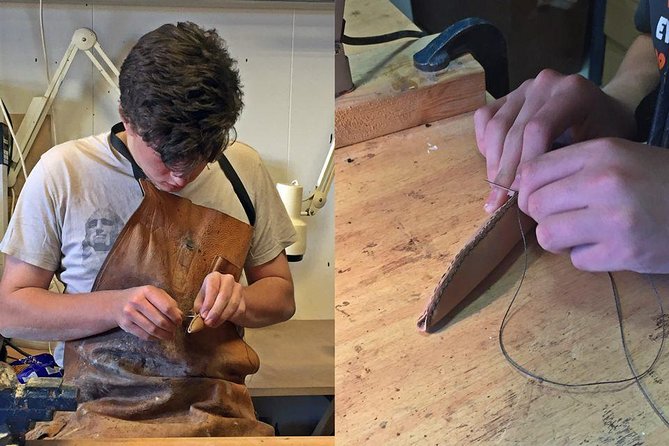
By the end, you take home your finished work from the workshop: your knife and leather sheath.
That’s a big part of why the reviews are so positive: this isn’t a participation certificate situation. You leave with a tangible keepsake you made with your own hands, and you can explain how it was built because you walked through the process yourself.
It also makes the day a good fit for gift-giving. If you’re picking up souvenirs anyway, this is the rare option that feels personal rather than purchased at random. It’s also the kind of gift that signals effort: someone invested time learning a skill, not just buying a trinket.
Just keep in mind that this is still a workshop. The more attentive you are during sanding, polishing, and sheath steps, the better your finished result will feel.
Logistics That Matter: Getting There and Staying Comfortable
The workshop starts at Mosfellsbær, Iceland at 9:30 am and ends back at the meeting point. There’s no hotel pickup and drop-off, so plan your transport ahead of time. You’ll want to arrive early enough to settle in and avoid rushing right when instruction begins.
Good news for convenience: there’s free parking nearby, plus amenities like a bar, coffee shop, and a gift shop in the area. The activity also runs rain or shine, so you don’t have to build a weather contingency into your schedule.
You’ll also be around public transport, and service animals are allowed. The workshop is rated as “most travelers can participate,” with skill level: none, which is a strong indicator you won’t need special preparation beyond showing up ready to learn.
What to Expect If You Haven’t Done This Before
If you’ve never made anything like a knife or worked leather, that’s fine. The workshop is set up so beginners can join, with supervision throughout the process.
Your main job is to:
- listen when Pali explains the next step
- follow directions carefully during shaping and finishing
- use steady pressure during sanding and polishing
- take breaks if you feel your hands tiring
There’s also a mental shift needed. Craftwork can feel slow at first, then suddenly click when you realize what you’re trying to achieve. Once you understand the purpose of each stage—shape first, refine second, finish last—the workshop becomes more enjoyable.
If you like practical lessons and prefer learning by doing, you’ll probably enjoy this more than you’d expect.
Who This Viking Knife-Making Workshop Is Best For
This is a great match if you:
- want a hands-on souvenir that feels earned
- like traditional craft techniques and natural materials
- enjoy learning a process you can talk about later
- appreciate Icelandic food as part of the experience
- want a small-group activity in the Reykjavik area
It’s also a good fit for couples or friends who want something different than the usual tours, as long as you’re both comfortable doing tool-focused work for several hours.
I’d think twice if you:
- need a totally passive activity with minimal hand effort
- don’t have an easy way to get to Mosfellsbær by yourself
- aren’t comfortable following multi-step instructions for shaping and finishing
Should You Book This Viking Knife-Making Workshop?
If you’re on the fence, here’s how I’d make the call.
Book it if you want the kind of experience where the final product is the memory: your knife and sheath, made step by step. The included lunch, coffee/tea, and the small group size make it feel like a full day worth planning for, not a rushed “tour stop.”
Skip it if you’re hoping for a light, casual activity or you want zero physical effort. This is work with tools, and it asks for steady attention, especially during sanding, polishing, and handle shaping.
If you do book, show up on time, listen closely during the early steps, and take your time while you’re finishing. Do that, and you’ll likely leave with a souvenir that feels personal in a way most travel buys never do.
FAQ
Where does this workshop start and end?
It starts in Mosfellsbær, Iceland at 9:30 am, and it ends back at the same meeting point.
How long is the Viking knife-making workshop?
The experience runs for about 6 hours.
What’s included in the price?
Materials and use of tools are included, and you complete one knife in the workshop. Lunch is included too, along with coffee and/or tea and water.
Do I need any prior experience?
No. The skill level listed is none, and the workshop is designed so most travelers can participate.
What do I take home at the end?
You take home your own Viking-style knife and leather sheath made during the workshop.
What happens if it rains?
The workshop runs rain or shine.