
Reviewed · SNæFELLSNES PENINSULA TOURS
Snæfellsnes: Small-Group Hidden Treasures of The West Tour
Snæfellsnes has a way of messing with your sense of scale. In one long day, you get sea cliffs, black beaches, tall basalt stacks, and the famous Kirkjufell mountain—all wrapped in geology and folklore delivered by an English-speaking guide. I like how the stops feel carefully spaced so you can actually enjoy each place, not just sprint between photo points.
Two things I especially like: the seal colony at Ytri Tunga, where you can spot curious wild seals from the shoreline, and the finale at Kirkjufell, with its mirror-like water and the famous waterfall setting. The scenery is dramatic, but the pacing stays human.
One consideration: it’s a long day (12 hours) with a fair amount of driving. If you dislike cold seats, pack for weather and be ready for short walks on uneven ground at the coasts.
In This Review
- Key highlights that make this tour work
- Entering Snæfellsnes the right way: Borgarnes to the first big wow
- Ytri Tunga: the seal colony stop that never feels rushed
- Búðir and Búðakirkja: lava harbor vibes and a tiny black church
- Arnarstapi: fishing village cliffs, stone arches, and folklore
- Hellnar Arch (Gatklettur): one photo stop that rewards slow looking
- Djúpalónssandur: black sand, shipwreck remains, and old lifting stones
- Lóndrangar: 75-meter basalt pinnacles and a seabird bonus
- Kirkjufell and the mirror lake: the final payoff
- Guides, bus comfort, and why the day doesn’t feel chaotic
- Weather prep: what to pack so you enjoy the coast
- Value check: is $159 for 12 hours worth it?
- Should you book Snæfellsnes: Small-Group Hidden Treasures of The West Tour?
- FAQ
- What time is pickup, and where do I meet?
- How long is the tour?
- What stops are included on Snæfellsnes?
- Is the guide English-speaking?
- What should I bring for this day?
- Is Wi-Fi available during the tour?
- What’s the cancellation policy?
Key highlights that make this tour work
- Ytri Tunga seal spotting on a sandy beach near farmhouses, with seals often hauled out on the rocks
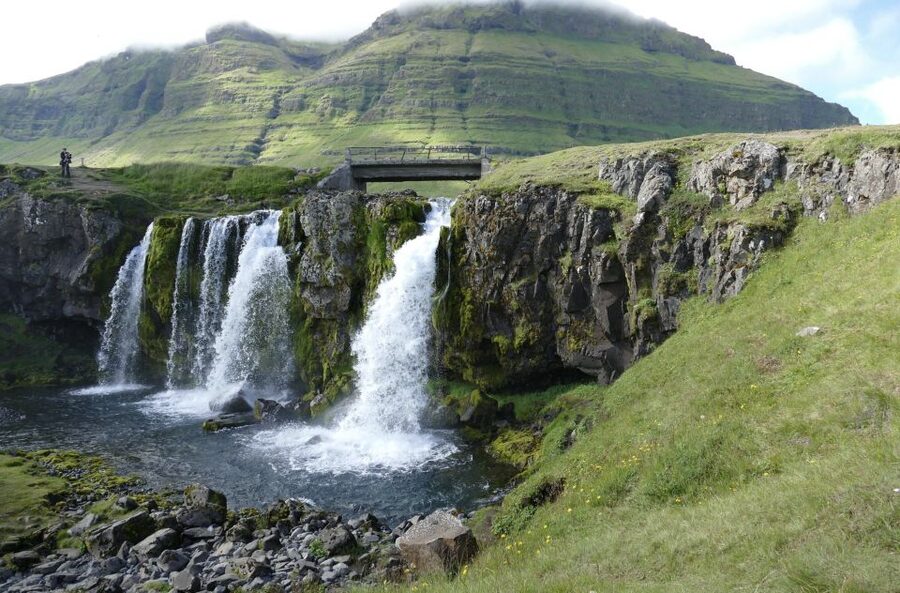
- Kirkjufell waterfall views plus a reflective lake photo moment
- Lóndrangar basalt pinnacles: giant 75-meter rock formations that rise like sentinels
- Arnarstapi coast stops with cliffs, stone arches, and a marine-grotto-style landscape
- Black-sand drama at Djúpalónssandur, including shipwreck remains and old lifting stones
- A smooth West-coast route via Borgarnes, including a fjord drive through scenic mountains
Iceland in miniature: more of the Snaefellsnes run
- Reykjavik: Snæfellsnes Day Trip with Vatnshellir Lava Cave★ 4.7 · 1,108 reviews
- Snaefellsnes Peninsula Full Day Tour from Reykjavik★ 4.5 · 1,036 reviews
- Reykjavik: Snaefellsnes & Mt. Kirkjufell Guided Minibus Tour★ 4.8 · 757 reviews
Entering Snæfellsnes the right way: Borgarnes to the first big wow
Your day starts early. You’ll be ready at 8:00 AM for pickup in central Reykjavík at a selected location (your operator will direct you to the closest one). Pickup can take about 30 minutes, then you’ll settle into a coach ride that’s long enough for the morning to pass fast.
A key part of why this tour feels good is the warm-up drive. You head toward the West with a stop in Borgarnes, and the route is described as phenomenal: you’ll pass through a fjord and a line of scenic mountains. Borgarnes matters historically too—this area was among the early Viking settlements when Norwegians arrived in Iceland. Even if you only catch glimpses through the windows, it sets context for why people kept choosing this stretch of coast for centuries.
In Borgarnes, you get a break with shopping time (about 15 minutes). It’s short, but it’s enough to stretch legs, grab a snack, and reset before the peninsula starts throwing scenery at you.
Ytri Tunga: the seal colony stop that never feels rushed
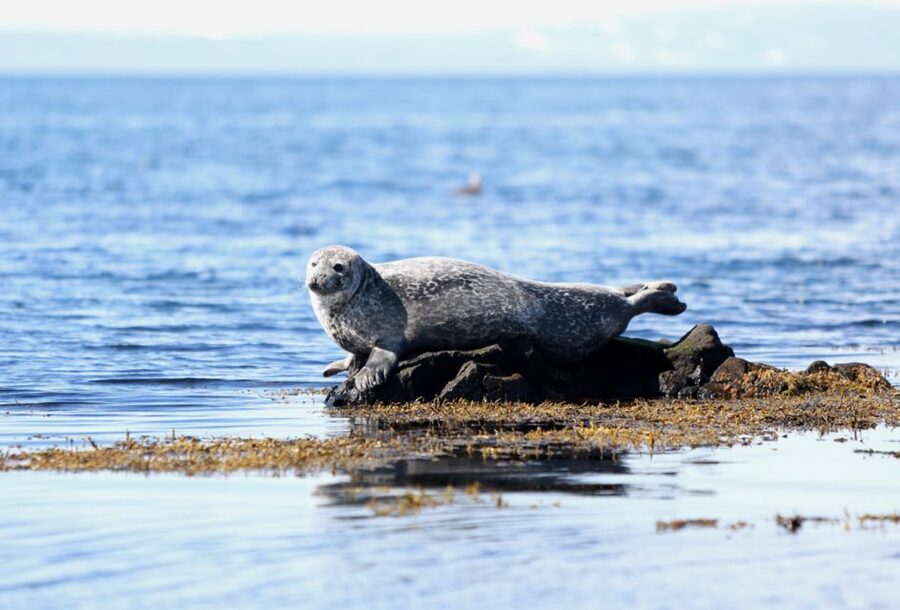
After you swing onto Snæfellsnes, the first stop is built for animal lovers. You’ll reach Ytri Tunga, a sandy beach where seals often haul out on the rocks near the shore. The best part is how simple it is: you don’t need a fancy setup to see them. You can spot them from a distance while you stand comfortably and watch them move between resting spots.
The seals here are described as friendly and curious—often climbing up higher on the rocks, so your view improves as they settle in. There’s also a helpful bit of perspective on why this works as a destination today. In the past, seals were killed for food or even for fashion. Nowadays Icelanders treat seals as part of local culture and encourage visitors to come and observe them responsibly.
Practical tip: bring binoculars if you have them. Even without, you’ll likely get great looks, but binoculars make a big difference when the tide has the rocks just a bit farther out. And yes, it can be cold, so keep your gloves handy.
Búðir and Búðakirkja: lava harbor vibes and a tiny black church
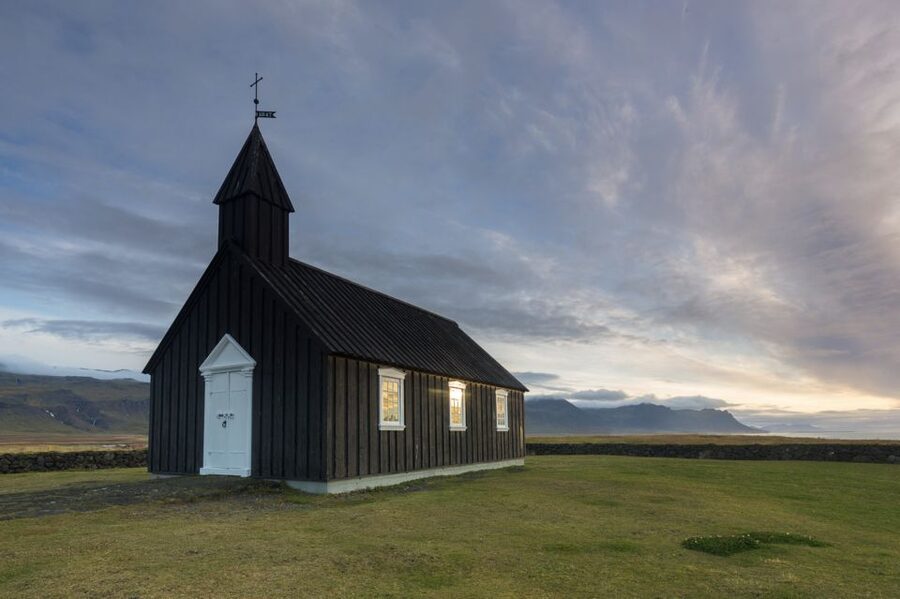
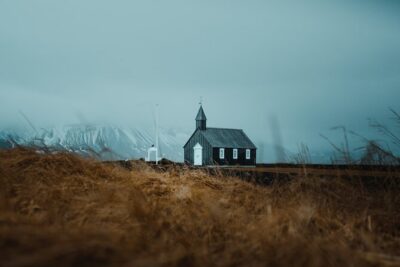
Next, you’ll stop at Búðir, an old village that once went by a name meaning harbor of lava—a nod to the volcanic landscape around it. Today, the atmosphere is quieter, and the scale is small in a good way.
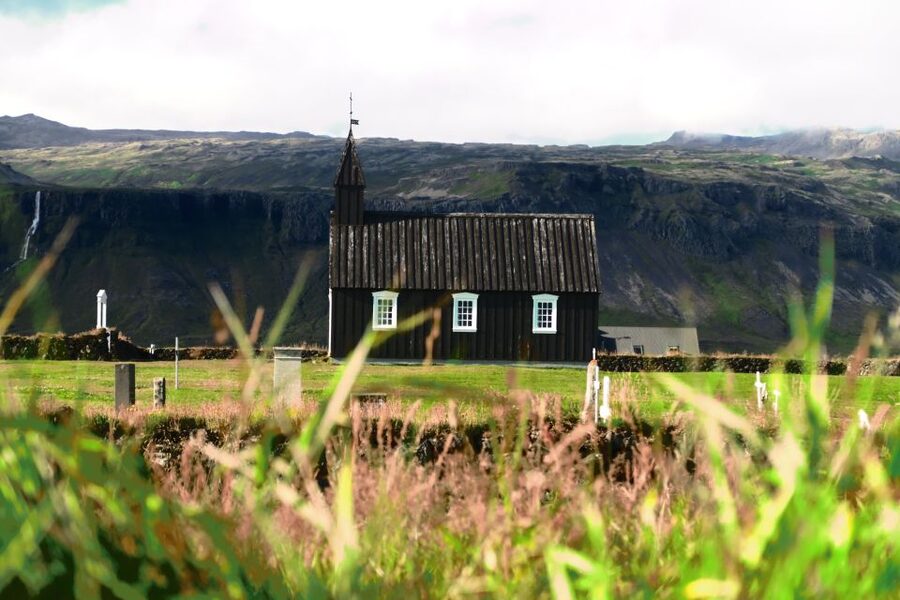
The headline is Búðakirkja, a tiny wooden black church often called the Black Church of Búðir. It’s small enough that you might almost miss it if you walk fast. Don’t. This is one of those places where the setting matters: the stark structures against the weathered lava backdrop gives it a dramatic, almost movie-scene calm.
There’s also a modern touch nearby with a hotel at Búðir, which helps explain how this area balances old and new. You’ll get only a short stop, but it’s long enough to take photos, step around, and absorb the feel of a coastal village that has mostly kept its character.
Arnarstapi: fishing village cliffs, stone arches, and folklore
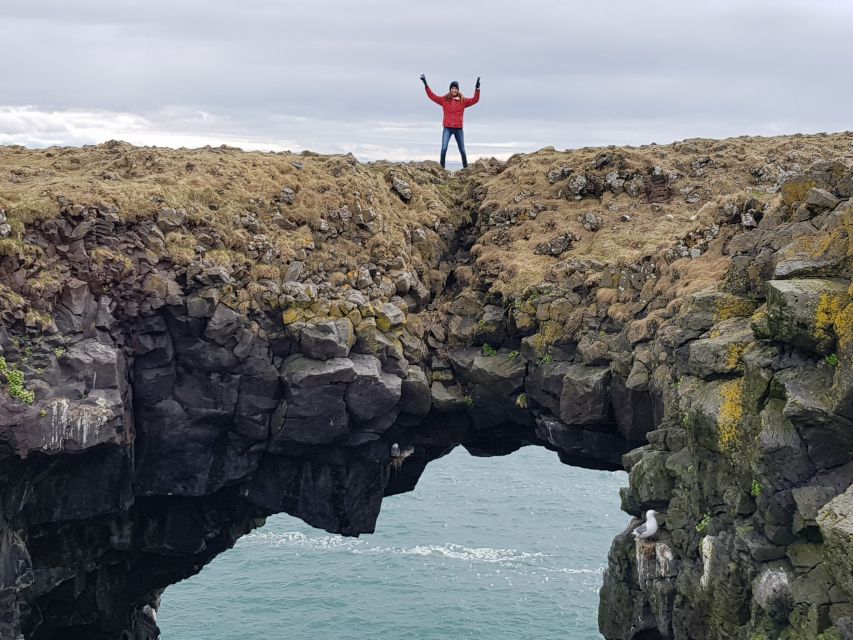
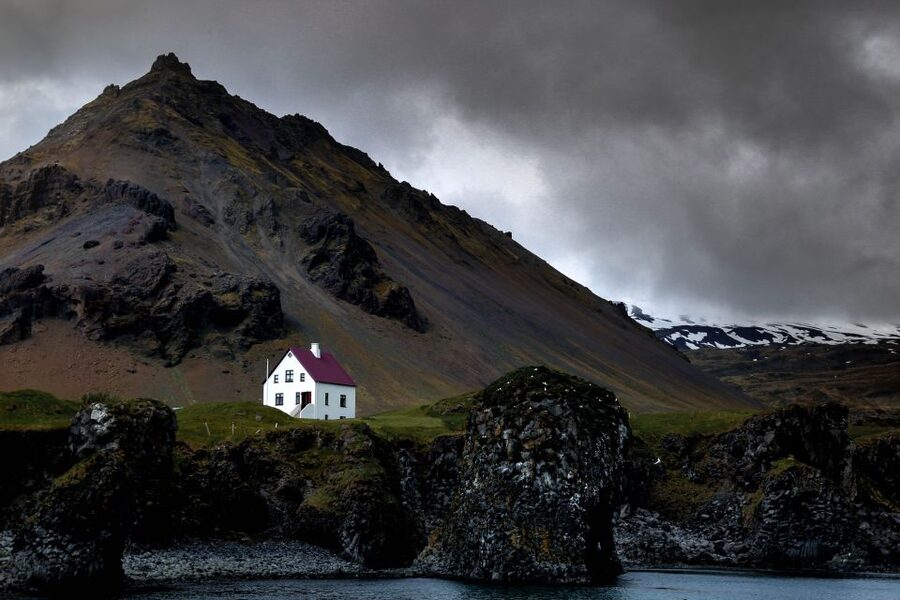
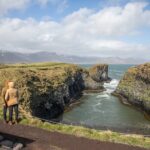
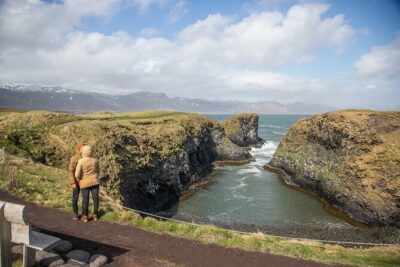
Then you move into one of the most atmospheric parts of Snæfellsnes: the coastal world around Arnarstapi. This is a fishing village at the base of a mountain, with cliffs shaped by volcanic material and hammered by Atlantic waves for thousands of years.
What makes this stop special for me isn’t just the look of the coast—it’s how the scenery connects to stories. You’ll hear tales tied to the area, including the character Bárður, described as half-man, half-troll. It’s the kind of folklore that turns a walk along the rocks from sightseeing into something more like local storytelling on foot.
The coastline itself delivers: erosion has carved stone arches and created formations that look almost artificial until you remember it’s the ocean doing the work. Depending on conditions, you might also spot signs of an energetic marine landscape, including a marine geyser effect noted in the description.
Practical tip: wear shoes with grip. These coastal paths can be uneven and wet, and you’ll feel better keeping your footing sure.

Hellnar Arch (Gatklettur): one photo stop that rewards slow looking
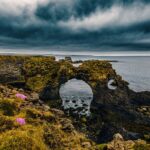
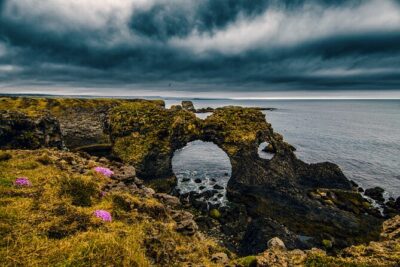
Between the broader Arnarstapi area and the more “wild” black-sand beaches, you’ll get a short stop at Gatklettur, also called Hellnar Arch. This one is compact, but it hits hard visually: a naturally formed stone arch that photographers and videographers love.
Here’s the trick: don’t treat it like a 60-second roadside stop. Take a minute or two to look from different angles. The arch can change appearance as you shift positions, especially with shifting cloud cover and wind.
If you like motion shots, this is also a place where waves crashing below can add energy to your footage. Even when the weather isn’t perfect, the rock structure stays impressive.
Djúpalónssandur: black sand, shipwreck remains, and old lifting stones
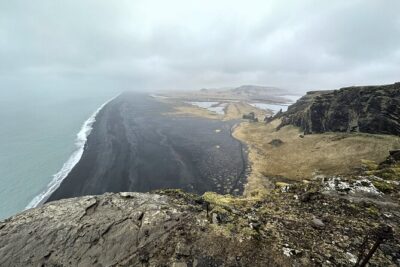
Now you reach Djúpalónssandur, one of the peninsula’s most striking shorelines. It’s black sand with a volcanic pebble edge, and the atmosphere is described as mysterious—partly because of the dramatic features that sit right along the shore.
You’ll see shipwreck remains in the area, plus ancient lifting stones nearby. Those stones are a reminder that the coast wasn’t just scenery; it was a working shoreline where people handled goods and boats in a rough environment. You get a sense of how survival and daily routine were shaped by what the ocean gave, and what it took away.
The nearby Dritvík Cove is also mentioned as a birdwatching haven. Even if you don’t spend much time there, it’s worth keeping an eye out for activity above the water. This part of the tour is where “just standing” becomes satisfying—because waves, birds, and the dark pebbles all combine into a scene that feels more alive than a simple postcard.
Lóndrangar: 75-meter basalt pinnacles and a seabird bonus
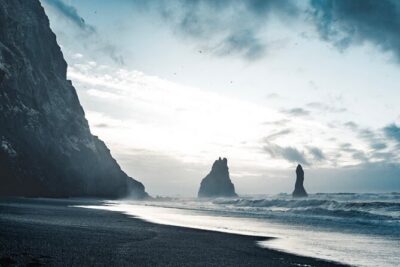
From Djúpalónssandur, you’ll head toward Lóndrangar, famous basalt pinnacles that rise about 75 meters high. These aren’t just rocks—they’re remnants from a volcanic crater from tens of thousands of years ago. The effect is huge because the pinnacles can be seen over much of the southern coastline.
This stop is also a likely seabird moment. The area can host seabirds such as northern fulmars, and puffins are mentioned as a possibility. Even if you don’t see birds at every visit, the rock shapes themselves do the heavy lifting.
Practical tip: bring a windproof layer. This is an exposed coast. If it’s gusty, you’ll be glad you didn’t dress only for calm conditions.
Kirkjufell and the mirror lake: the final payoff
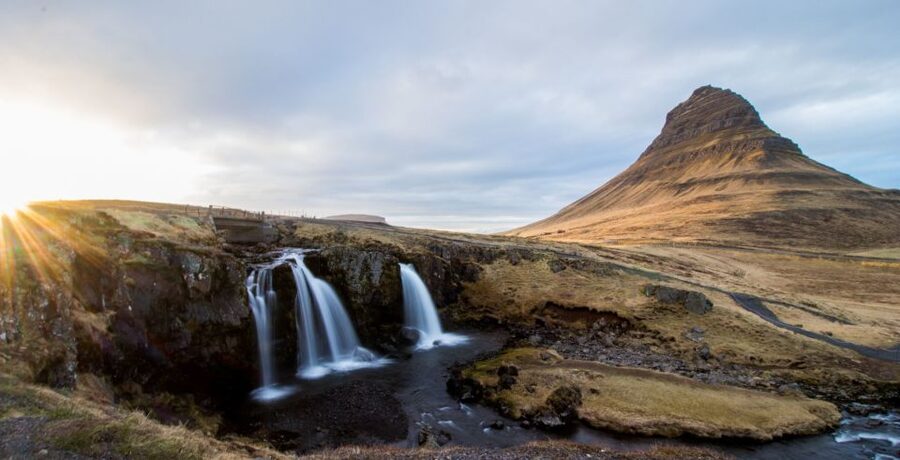
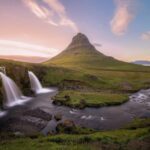
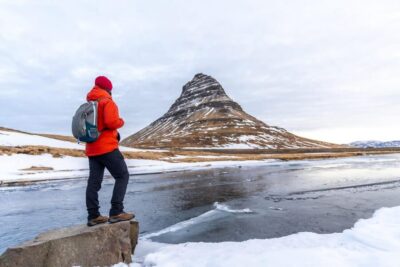
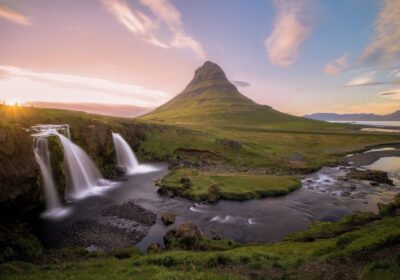
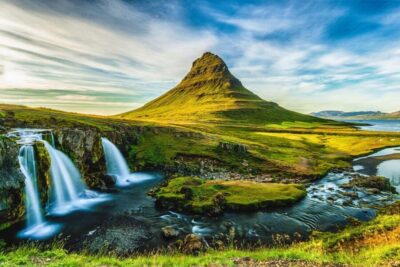
If there’s a “closing scene” to a Snæfellsnes day, it’s Kirkjufell. This is described as Iceland’s most famous mountain, and it’s also connected to pop culture, having appeared multiple times in Game of Thrones.
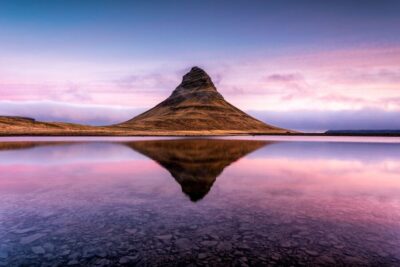
You’ll get a photo stop and time to walk and look around. At the bottom of the mountain, there’s a lake that can create a mirror image of Kirkjufell—one of those natural photo setups that feels almost unfair when the sky cooperates.
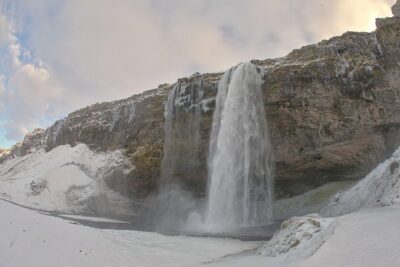
This final stretch is where the tour’s pacing pays off. You’ve been collecting geological clues all day—lava harbor, black sand, basalt pinnacles—and suddenly it clicks into a single iconic view. The mountain, the waterfall setting, the lake reflections: it’s a classic Iceland combo of shape, water, and weather.
If the wind is up or clouds roll in, don’t panic. The mountain still holds the scene together, and the timing still matters because water and sky can change quickly.
Guides, bus comfort, and why the day doesn’t feel chaotic
The tour includes an English-speaking guide, and the coach is set up for long-distance comfort with Wi‑Fi and Icelandic music. Those small touches sound minor until you’re stuck on a road for hours. Music helps keep energy up, and Wi‑Fi helps pass time if you need it.
The guides mentioned in the experience include people like Tania, Elias, David, Korinna, Gill, Jacob, Ronan, Þorsteinn, and Vala. The theme that comes through from those names is the same: they know how to keep the day moving with stories and clear explanations, especially about geology and local folklore.
There’s also an important practical note from the way the day is run: small-group style and frequent, timed stops usually mean you’re not stuck waiting around at every site. In rough weather, guides can also make smart adjustments so you still hit the core sights and keep things safe—one account even described an extra stop when conditions were harsh.
Weather prep: what to pack so you enjoy the coast
Even in summer, the West Coast can feel like a different planet—wind, rain, and cold that arrives without asking. The tour’s own packing advice is simple, and I agree with it: bring warm clothing, hiking shoes, and rain gear.
Here’s how I’d translate that into real life:
- Wear layers you can open and close when you go from bus to cliff-side wind.
- Use shoes with grip. You’ll walk short distances on uneven ground, and good traction matters.
- Rain gear isn’t just for drizzle. A misty morning can dry slowly.
If you’re the type who hates feeling cold on tours, plan for that upfront. You’ll enjoy the views more when your body isn’t fighting the weather.
Value check: is $159 for 12 hours worth it?
At $159 per person for a 12-hour full-day loop, the value comes from how much territory you cover and how much guided context you get.
Here’s the math that matters: you’re not just visiting one scenic point. You’re moving through multiple distinct environments—seals at a beach, a black church in lava country, sea-cliff formations, black sand with shipwreck remains, basalt pinnacles, and a final iconic mountain-water view. Doing that efficiently on your own would mean more driving, more routing stress, and likely more expensive logistics.
And you’re paying for the “in-between” moments too: the guide’s explanations, the timed stops, and the ability to spend short windows at each place rather than trying to stretch a private plan across far distances.
If you want a low-effort day that still feels full—this is where the price makes sense.
Should you book Snæfellsnes: Small-Group Hidden Treasures of The West Tour?
Book it if you want one day that feels like four or five different kinds of Iceland. I’d especially recommend it if you care about:
- wildlife spotting (those Ytri Tunga seals are a highlight),
- geology you can actually understand (lava, basalt, erosion),
- and a finish that gives you the iconic Kirkjufell photo setup.
Skip it if you’re extremely sensitive to long driving days or you strongly dislike coastal wind and short walks. This is a “see a lot, step out often” kind of tour.
If you’re traveling in the West with limited time, this route is a smart way to make the most of it.
FAQ
What time is pickup, and where do I meet?
You should be ready at 8:00 AM at your designated pickup location in central Reykjavík (Miðborg). Pickup usually takes about 30 minutes.
How long is the tour?
The tour runs for 12 hours.
What stops are included on Snæfellsnes?
Key stops include Ytri Tunga (seal beach), Búðir (Black Church of Búðir), the Arnarstapi area, Gatklettur (Hellnar Arch), Djúpalónssandur, Lóndrangar, and Kirkjufell, with a break in Borgarnes.
Is the guide English-speaking?
Yes. The tour includes an English-speaking live guide.
What should I bring for this day?
Bring warm clothing, hiking shoes, and rain gear.
Is Wi-Fi available during the tour?
Yes. Wi‑Fi and Icelandic music are included on the coach.
What’s the cancellation policy?
You can cancel up to 24 hours in advance for a full refund.
If you want, tell me your travel month and whether you’re more into wildlife, waterfalls, or photography. I’ll suggest the best way to time your packing and what to prioritize once you’re out on the coast.
More Tours in Reykjavik
More Tour Reviews in Reykjavik
More of the Snaefellsnes Peninsula
Fresh off the road around Reykjavik
Snæfellsnes Peninsula Tours, compared.
 ★ 4.7Snæfellsnes Day Trip with Vatnshellir Lava CaveFrom $2191,108 reviews
 ★ 4.5Snaefellsnes Peninsula Full Day Tour from ReykjavikFrom $1381,036 reviews
 ★ 4.8Snaefellsnes & Mt. Kirkjufell Guided Minibus TourFrom $159757 reviews
 ★ 5.0Snaefellsnes Small Group Tour with Homemade Meal from ReykjavikFrom $238737 reviews
 ★ 4.8Snæfellsnes Full-Day Tour with Homemade MealFrom $235493 reviews
 ★ 5.0Snaefellsnes & Kirkjufell Small Group Day TourFrom $147419 reviews
 ★ 4.6Snaefellsnes Peninsula and Kirkjufell Small-Group TourFrom $148412 reviews
 ★ 5.0Snaefellsnes National Park Small Group TripFrom $145323 reviews
Browse the lists this tour appears in