
Reviewed · SNæFELLSNES PENINSULA TOURS
Snæfellsnes in Spanish with lunch on a farm Minibus
Snæfellsnes feels like Iceland in miniature. This full-day minibus circuit (max 19 people) strings together glacier views, seal colonies, lava coast stops, and a memorable farm meal. I especially like the farm lunch at Lýsuhóll (plus a chance to see Icelandic horses) and the fact that the day is paced for real viewing, not just speeding past scenery.
One thing to plan for: it’s a long day with short stop times, so you’ll need to move efficiently—especially if the weather is moody or you’re picky about lingering for photos.
In This Review
- Key highlights at a glance
- Snæfellsnes by minibus: why 12 hours can feel efficient
- From Reykjavik to Snæfellsjökull: the road trip is part of the story
- Ytri Tunga seals: the wildlife stop that pays you back
- Lýsuhóll farm lunch and Icelandic horses: where the day turns human
- Buðir black church in a lava field: a small building with big meaning
- Arnarstapi to Hellnar: basalt coast walk and the seabird show
- Djúpalónssandur black sand and the 1948 shipwreck
- Kirkjufell: the most photographed mountain for a reason
- Selvallafoss and Selvallavatn: sheep waterfall views to end on a calm note
- Price and value: is $220.91 a good deal for Snæfellsnes?
- Should you book this Snæfellsnes day trip?
- FAQ
- How long is the Snæfellsnes tour from Reykjavik?
- Do they offer pickup in Reykjavik?
- What is the group size?
- Is there WiFi on the minibus?
- What’s included for lunch?
- Do you see Icelandic horses?
- Which wildlife stop is included?
- What stops are included along the coast?
- What happens if the weather is poor?
- Does this tour use a mobile ticket?
Key highlights at a glance
- Small group, max 19 people means less crowding and easier photo stops than big buses
- WiFi on board and a mobile ticket keep things simple for the whole day
- Guides who adjust to conditions: several praised the way stops were tailored for weather, lighting, and even bathroom timing
- Lýsuhóll farm lunch plus Icelandic horses gives you a true taste of rural Iceland, not just viewpoints
- Seals at Ytri Tunga and seabirds along the Arnarstapi–Hellnar coast add wildlife value to the drive
- Kirkjufell and the black sand beaches deliver the postcard moments people come to Snæfellsnes for
Iceland in miniature: more of the Snaefellsnes run
- Reykjavik: Snæfellsnes Day Trip with Vatnshellir Lava Cave★ 4.7 · 1,108 reviews
- Snaefellsnes Peninsula Full Day Tour from Reykjavik★ 4.5 · 1,036 reviews
- Reykjavik: Snaefellsnes & Mt. Kirkjufell Guided Minibus Tour★ 4.8 · 757 reviews
Snæfellsnes by minibus: why 12 hours can feel efficient
This is the kind of day trip that works because you’re not trying to drive yourself around the peninsula. You start in Reykjavik, then spend the next chunk of the day doing a classic west-coast loop. Expect roughly 12 hours, with a lot of time on the road and about half an hour per main stop once you’re out there.
The upside of a small group (up to 19 passengers) is comfort and flow. In real terms, it usually means fewer bottlenecks at parking areas, and it’s easier for a guide to manage timing when the weather changes. In the reviews, guides were repeatedly praised for staying on schedule while still adapting stops to get better conditions. One common thread: a guide who can read the day (clouds, light, crowds) can turn “just another stop” into something you actually remember.
The other practical win is onboard comfort. This trip is described as including WiFi, and that matters more than you’d think when you’re using a map app, checking camera storage, or just keeping your phone charged for the day ahead. You’ll also use a mobile ticket, which keeps you from juggling printouts.
The main trade-off is that tight timing. If you love slow travel—lots of walking, long beach hangs, and multiple takes for photos—this format may feel brisk. Also, one review mentioned a smaller van feel that might not suit average or taller adults perfectly. It’s not a reason to skip the tour, but it is a reason to dress for comfort and expect a snug ride.
From Reykjavik to Snæfellsjökull: the road trip is part of the story
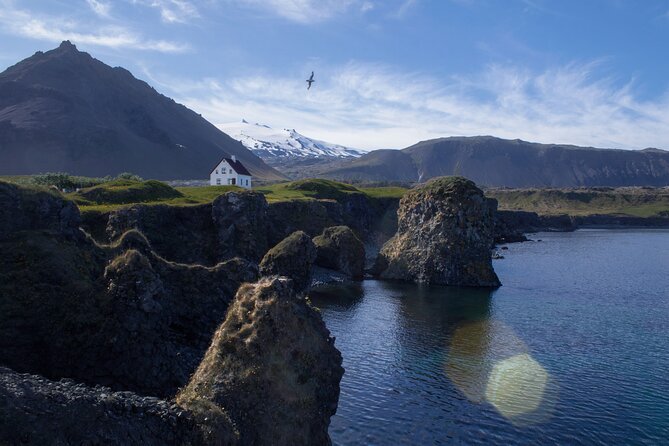
The day starts with a northwest drive out of Reykjavik toward Snæfellsjökull glacier, sitting atop a volcano of the same name. Even if the summit can’t always be seen, the region itself is the point: you’re traveling through constantly shifting coastal views, rocky stretches, fishing villages, lakes, waterfalls, and that lunar-feeling texture Iceland does so well.
This stop matters because it sets the tone. The area isn’t just pretty; it’s loaded with culture and myth. The glacier-topped volcano is tied to Journey to the Center of the Earth, and it’s also wrapped in folk ideas about energy and mystical powers. Whether you go full sci-fi or keep it practical, it gives the day a theme that makes later stops feel connected.
Here’s how to make this section work for you:
- Bring a layer you can zip on and off fast. Even when you’re not stepping out, wind can make you colder than you expect.
- Treat viewpoints as “quick, not slow.” You’ll get the best experience by snapping photos, then using that moment to listen to what your guide points out—lava formations, coast lines, and why this peninsula is nicknamed miniature Iceland.
And yes, weather can be a factor. The experience is described as requiring good weather, and the company offers a different date or a full refund if it can’t run due to poor conditions. So if you’re traveling in a narrow window, keep one day flexible if you can.
Ytri Tunga seals: the wildlife stop that pays you back
One of the easiest wins on this tour is Ytri Tunga Beach, where a seal colony hangs around for much of the year—especially in summer. This is a short stop (about 30 minutes), which is exactly why it’s smart: you get wildlife viewing without burning half your day waiting.
Why this stop is worth it:
- It breaks up the geology-heavy parts of the peninsula with actual animals.
- Seals are often active near shore, so you’re not just hoping for movement—you can usually spot them from a reasonable viewing position.
What to watch for in the moment:
- Bring your binoculars if you have them, but even without them, you can still see a lot from shore depending on conditions.
- If the wind is strong, position yourself so you’re not constantly fighting it with your phone or camera. A stable stance beats frantic filming.
Lýsuhóll farm lunch and Icelandic horses: where the day turns human
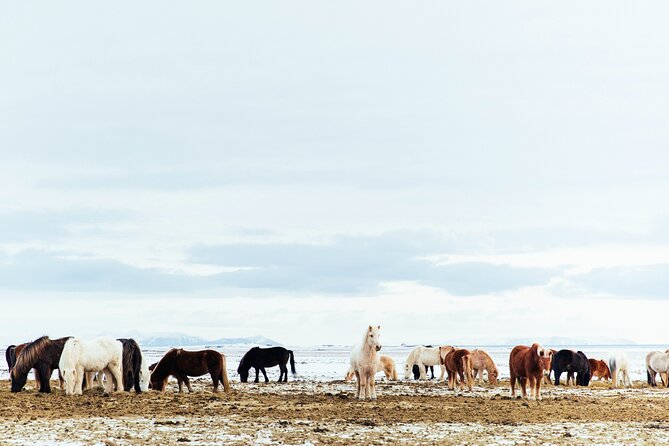
If you’ve ever done a “drive-and-look” tour, you know how it can blur together. The Lýsuhóll farm stop is a strong correction. You taste a homemade meal there (labeled as part of the visit), and you also get time in the stables to meet Icelandic horses.
This is one of the most praised parts of the experience because it’s not just a scenic stop—it’s a rural pause. You’re getting food from a real working farm, and you’re seeing a defining Icelandic animal up close. Even if you’re not an animal person, it helps you connect the geography to real lives here.
A few practical notes:
- Plan to eat like you’re fueling up. You’ll still be out sightseeing after the farm stop.
- If you’re hoping for photos with horses, arrive ready. Even a short stable visit can turn into a quick shuffle around gates and railings.
- Wear shoes you don’t mind getting slightly dusty or damp. Stables and farm paths can be a little rough.
Worth a look alongside this Reykjavik pick:
Buðir black church in a lava field: a small building with big meaning
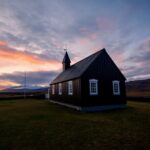
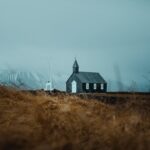
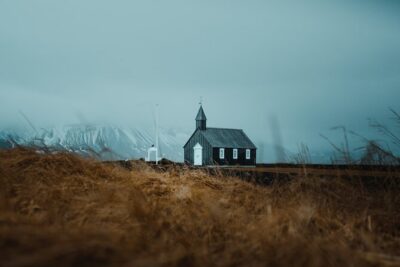
Next comes Buðir—home to the famous black church of Búðakirkja. It sits within the Búðahraun lava field, and it once mattered a lot as a commercial center during the Danish monopoly in the 17th and 18th centuries.
What makes this stop special is how tangible the story feels. The church is one of the few black churches in Iceland, painted with tar to protect the wood from harsh weather. It’s been declared a national monument, so it’s not a random roadside photo. It’s history you can stand beside.
You also get a natural harbor setting, which helps explain why the place became important in trade routes. It’s one of those stops where the guide’s context can turn a quick look into something you actually understand.
Timing is tight here too (about 30 minutes). So I’d treat it as:
1) quick exterior photos,
2) a few minutes to absorb the story,
3) then back to the bus before your legs start complaining.
Arnarstapi to Hellnar: basalt coast walk and the seabird show
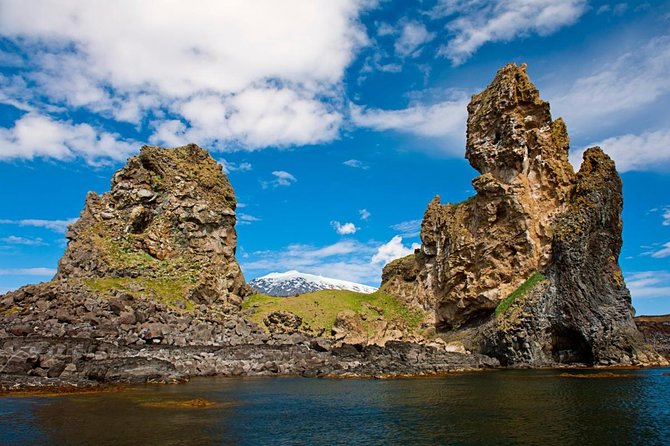
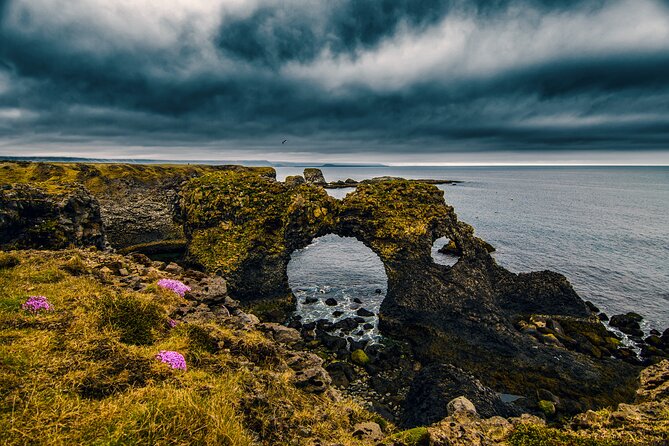
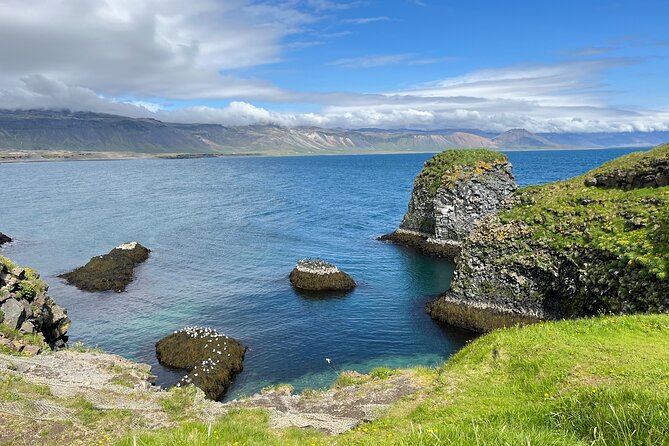
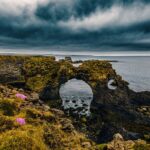
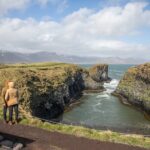
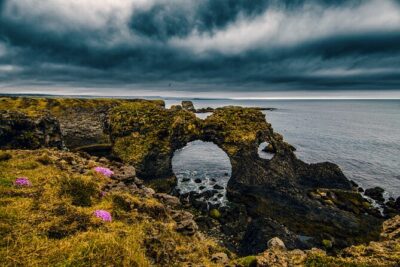
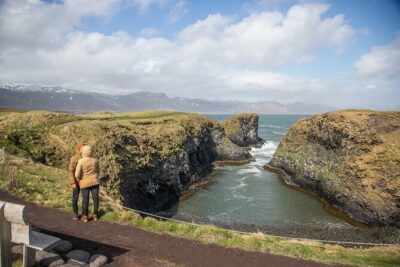
After the church, you’ll move into the coast region around Arnarstapi and Hellnar. This is where the peninsula’s “volcanic art” gets real. Your walk is designed to show you basalt columns, arches, grottoes, canyons, and coastal rock formations.
This stop is labeled as a hike, but don’t expect a long trek. The typical viewing time is about 30 minutes, which means you’ll get a taste of the area without a huge time commitment. Still, the ground can be uneven, and the wind can pick up fast. Good shoes make this stop more fun.
The wildlife angle here is also strong. You have a chance to see a lot of seabirds, especially Arctic terns. In that short window, birds can either be everywhere or nowhere—so keep your eyes moving and don’t lock your attention only on the rocks.
A fun cultural detail that your guide may point out: the route ends at the statue of Bardur, described as half troll and half man. According to the sagas, Bardur chose the location to found his home. It’s the kind of detail that makes the walk feel like more than geography.
Djúpalónssandur black sand and the 1948 shipwreck
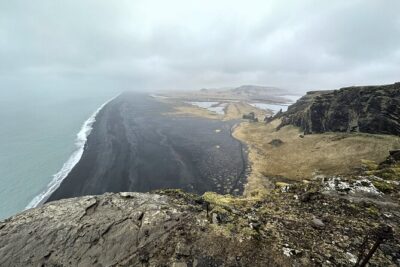
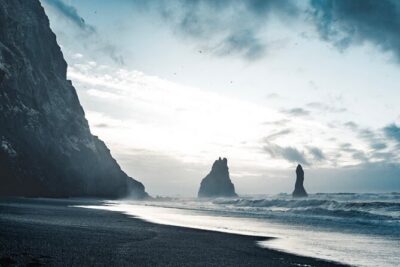
The tour then hits Djúpálónssandur Beach, another signature stop made for photos and facts. This is black sand with a dramatic edge: remains of a shipwreck from 1948 and four smooth stones at the entrance, each used to measure the strength of sailors. Wages were determined based on which stone you could lift—an old-school way to turn physical labor into a scale.
This is one of those “quietly intense” stops. You’re standing in an open, windy place with a story that still feels present. It’s not just a pretty beach; it’s a human story written into the coast.
If you want to maximize your 30 minutes:
- Walk with purpose toward the most distinctive rock features rather than drifting.
- Take a wide shot first (for context), then zoom in on details while you still have energy.
Also: black sand can be colder than you expect, especially when the wind is up. Bring a hat or something for your ears.
Kirkjufell: the most photographed mountain for a reason
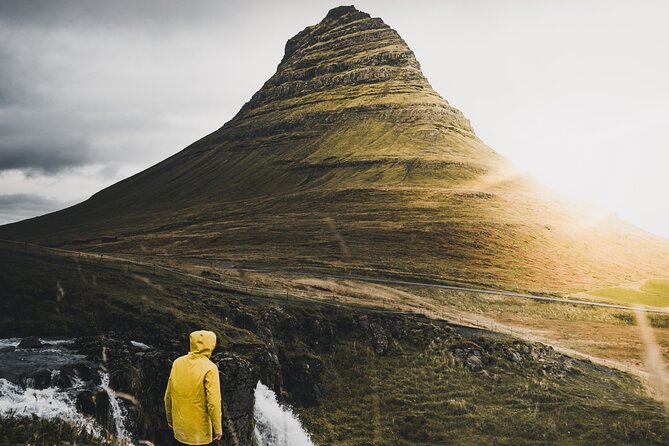
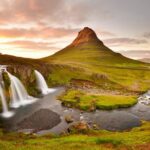
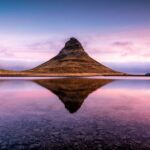
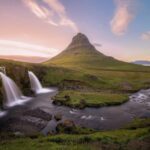
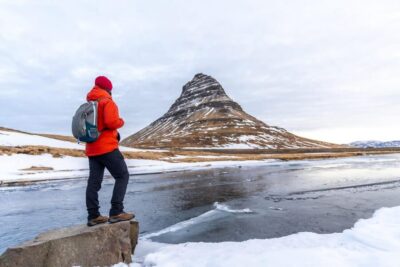
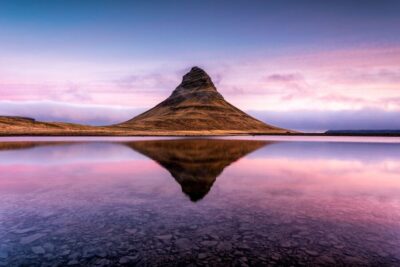
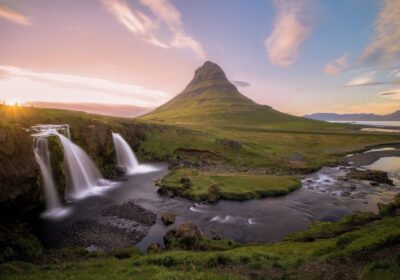
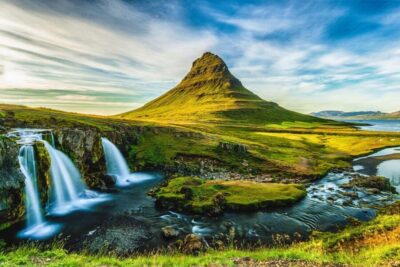
Then comes the star power: Kirkjufell Mountain. It’s described as the most picturesque and most photographed mountain in Iceland, and it’s known internationally because it was chosen to represent Arrowhead in Game of Thrones.
Even without the TV connection, the mountain works visually because it’s surrounded by streams and small waterfalls. It’s the kind of place where the foreground matters. If you rush in, you’ll miss the “layers” that make your photos look better than a simple point-and-shoot.
Also, you’ll pass by fishing villages such as Grunðarfjorður and Ólafsvík. This stretch is mentioned as one of the best places in the country to spot orcas and seals from the shore. Wildlife sightings aren’t guaranteed, but it’s a smart addition to the schedule—because if the sea is active that day, you’ll feel like the tour paid extra.
Practical advice:
- If it’s cloudy, Kirkjufell can still look great, but light changes fast. The guide-driven timing people praised in reviews is useful here.
- Don’t stand right at the edge of where waves reach. Use the safer viewing spots and keep a respectful distance.
Selvallafoss and Selvallavatn: sheep waterfall views to end on a calm note
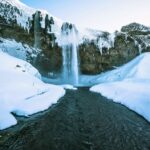
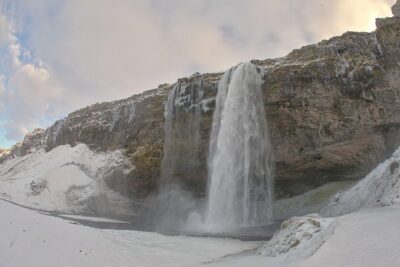
To wrap up, you’ll visit Selvallafoss, also called the Sheep Waterfall because it’s often used as shelter by sheep. That little detail adds charm to the scenery, and it’s exactly the sort of nature-and-legend combination Iceland does effortlessly.
From there, you get views of Selvallavatn lake and an immense lava field on the other side. The timing is listed as about 30 minutes, but conceptually this stop works because it’s a scenic breather after the busier coast spots.
If you’re trying to avoid tour-fatigue, this is where you should slow down slightly. Take a few minutes to let your eyes adjust to the wider view—water, lava, sky. It helps the whole day stick in your memory instead of turning into one long sequence of photos.
Price and value: is $220.91 a good deal for Snæfellsnes?
At about $220.91 per person, you’re paying for a full-day, door-to-door style experience with a small group cap, a guide, transportation, and a farm meal. You’re also paying for “managed chaos”: weather timing, stop order, and keeping the day moving without leaving you stuck in parking lots.
Here’s when the value feels strong:
- You want a one-day taste of Snæfellsnes without renting a car or planning logistics.
- You care about the mix: glaciers and volcano context, seals, farm life, black church history, and a coast walk.
- You appreciate guides who can adapt stops for conditions, which came up repeatedly in reviews. Names like Devin/Kevin/David, Halldór, Monica, Óscar, Leroy, Martín, and Carlos were all praised for being fun and informative, with comments about prompt pickup, music/playlist, and attention to small timing details like bathroom breaks.
When it might not feel as worth it:
- If you’re the type who wants long independent hikes or long photo waits, the short stop format can frustrate you.
- If you strongly dislike snug vehicle seating, consider that one review flagged the minibus/van as not ideal for average adults.
In plain terms: the price feels fair for a guided day that gets you multiple high-impact stops, plus lunch that’s actually part of a real farm routine.
Should you book this Snæfellsnes day trip?
I’d book it if you want a guided day that covers the peninsula’s highlights without you doing the planning work. The combination of farm lunch + Icelandic horses, wildlife chances at Ytri Tunga, and a basalt coast walk around Arnarstapi–Hellnar is a strong mix, and the reviews repeatedly highlight the guides’ ability to keep things moving while adjusting for weather and timing.
I’d think twice if you’re hoping for a slow travel pace or you want lots of time for long walks and lingering beaches. This tour is built for seeing many places, not for staying put.
If you can, book early (this one is often reserved about 60 days out) and pack for quick changes—layers, wind protection, and comfortable shoes. That’s how you get the best version of the day, even when Iceland does Iceland things.
FAQ
How long is the Snæfellsnes tour from Reykjavik?
It runs for about 12 hours (approx.).
Do they offer pickup in Reykjavik?
Yes, pickup is offered.
What is the group size?
The tour has a maximum of 19 travelers.
Is there WiFi on the minibus?
Yes, the transportation is described as having WiFi.
What’s included for lunch?
You’ll have a homemade meal at the Lýsuhóll farm.
Do you see Icelandic horses?
Yes. At Lýsuhóll, you’ll visit the stables to meet the Icelandic horse.
Which wildlife stop is included?
You stop at Ytri Tunga Beach, which is home to a seal colony for much of the year.
What stops are included along the coast?
Key coast stops include Arnarstapi–Hellnar (basalt coast walk), Djúpálónssandur (black sand beach and shipwreck remains), and Kirkjufell. You also finish with Selvallafoss.
What happens if the weather is poor?
The experience requires good weather. If canceled due to poor weather, you’ll be offered a different date or a full refund.
Does this tour use a mobile ticket?
Yes, it uses a mobile ticket.
More Lunch Experiences in Reykjavik
More Tour Reviews in Reykjavik

More of the Snaefellsnes Peninsula
Fresh off the road around Reykjavik
Snæfellsnes Peninsula Tours, compared.
 ★ 4.7Snæfellsnes Day Trip with Vatnshellir Lava CaveFrom $2191,108 reviews
 ★ 4.5Snaefellsnes Peninsula Full Day Tour from ReykjavikFrom $1381,036 reviews
 ★ 4.8Snaefellsnes & Mt. Kirkjufell Guided Minibus TourFrom $159757 reviews
 ★ 5.0Snaefellsnes Small Group Tour with Homemade Meal from ReykjavikFrom $238737 reviews
 ★ 4.8Snæfellsnes Full-Day Tour with Homemade MealFrom $235493 reviews
 ★ 5.0Snaefellsnes & Kirkjufell Small Group Day TourFrom $147419 reviews
 ★ 4.6Snaefellsnes Peninsula and Kirkjufell Small-Group TourFrom $148412 reviews
 ★ 5.0Snaefellsnes National Park Small Group TripFrom $145323 reviews
Browse the lists this tour appears in