
Reviewed · WHALE WATCHING
Reykjavik: Whale and Puffin Watching RIB Boat Tour
Speed, spray, and whales up close. This Reykjavik tour feels special because a marine biologist explains what you’re seeing, and the RIB boat can maneuver nearer to wildlife than larger vessels. You also get Harpa Concert Hall and the Sun Voyager sculpture on the return ride, plus access to pictures the crew captures.
The main consideration is comfort: this is an outdoors-on-the-water adventure, so expect a wet and bouncy ride (wind, spray, and chilly conditions), and there are no toilets or food on board.
In This Review
- Key things to know before you go
- Old Harbour start: gearing up for Reykjavik’s whale hunt
- The RIB ride: why smaller boats can mean closer sightings
- What you’ll see: puffins on islands, then whales and dolphins further out
- Reykjavik from the water: Harpa and Sun Voyager views on the way back
- Your guide matters: what marine-biologist commentary changes
- Clothing and comfort: warm gear included, but you still need the right plan
- How the 2-hour timing works (and why it’s not too short)
- Price and value: what $200 buys on this kind of tour
- Who should book this RIB whale and puffin tour
- Quick booking checklist (so you don’t regret anything)
- Should you book this Reykjavik whale and puffin RIB tour?
- FAQ
- How long is the Reykjavik whale and puffin RIB boat tour?
- Where do I meet the tour, and when should I arrive?
- When is puffin season on this tour?
- What gear is included for the cold and wind?
- Is there food or a toilet on the boat?
- Is the tour only in English, and how big is the group?
Key things to know before you go
- Marine biologist guidance that focuses on wildlife behavior, not just spotting
- RIB maneuvering that can get you closer to whales, dolphins, and seabirds
- Puffins on islands first, then farther out in search of whales and dolphins
- Warm overalls, gloves, and goggles included to handle Reykjavik weather
- Small group size (up to 12) for a more active, controlled experience
- Crew photos shared after the tour, so you don’t have to choose between speed and memory
More time with the puffins out on the bay
- Reykjavik: Puffin Watching Boat Tour★ 4.6 · 1,052 reviews
- Puffin Cruise with Expert Tour Guide from Reykjavik★ 4.5 · 636 reviews
- Reykjavik: Whales and Puffins Express Cruise Combo Tour★ 4.4 · 552 reviews
Old Harbour start: gearing up for Reykjavik’s whale hunt
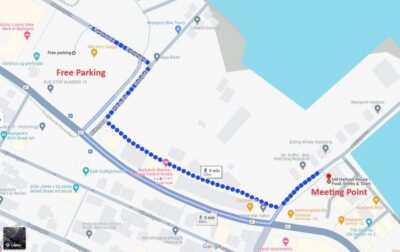
Your tour begins at the ticket office in Reykjavík’s Old Harbour. Plan to arrive early—at least 30 minutes before departure—because that’s when you’ll get fitted with the included cold-weather gear and go over safety rules with the captain and guide.
Once you’re set, you’ll be heading out fast. A big part of why this tour feels like a real Iceland adventure is that you’re not waiting around for ideal conditions on a dock. You’re out on the water with a crew that’s actively searching.
Also note this tour runs in the warmer months. The experience is scheduled from 1 April to 31 October, with puffin viewing during the season window listed as 20 April to 20 August (and the puffin season is shown as 20 April to 15 August for the included tour dates). Whales can show up seasonally too, but Iceland’s ocean is still Iceland’s ocean—wildlife timing isn’t something anyone can guarantee.
The RIB ride: why smaller boats can mean closer sightings
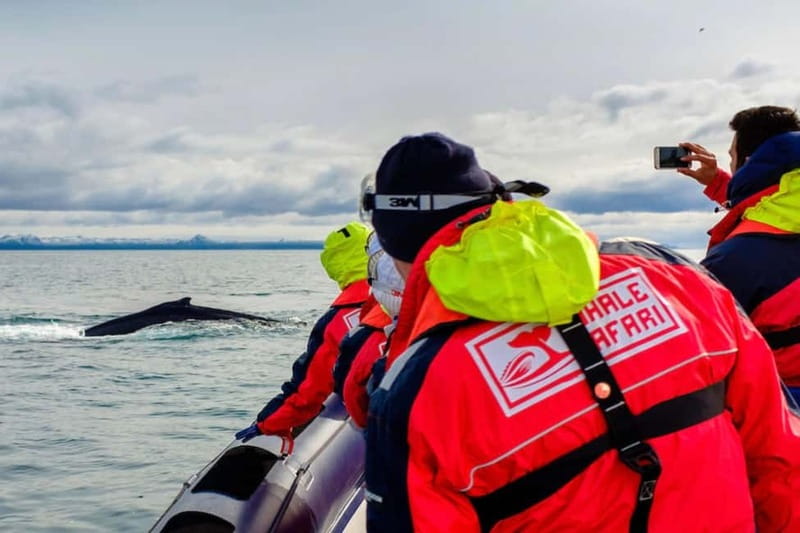
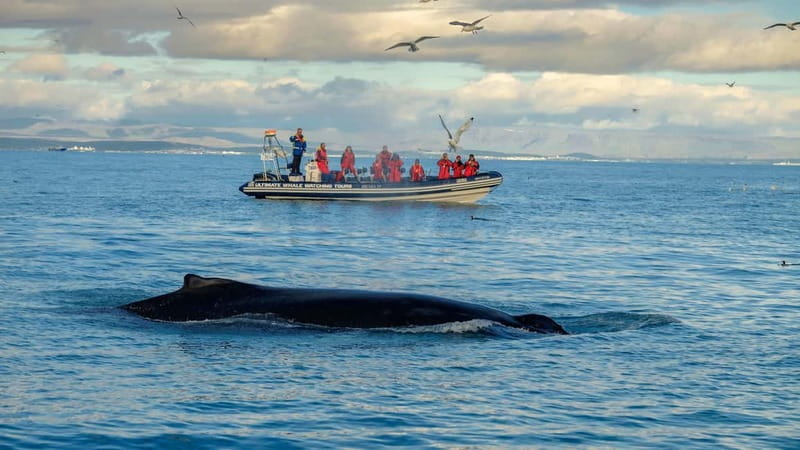
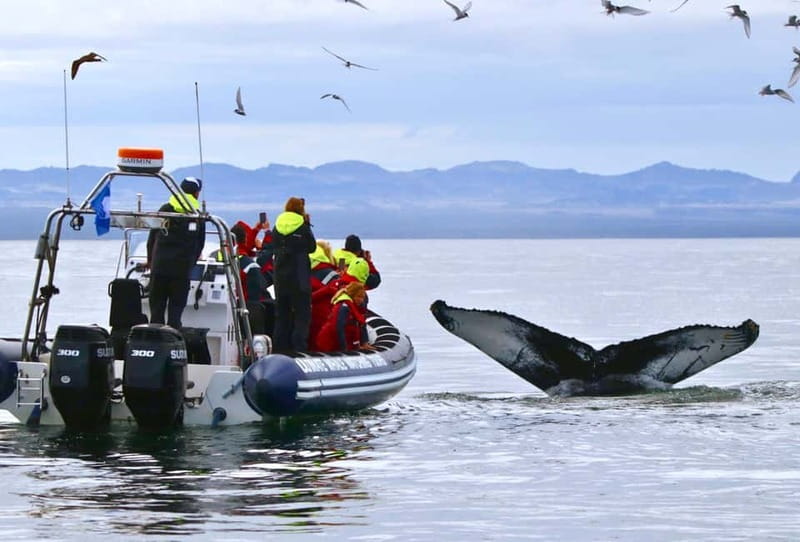
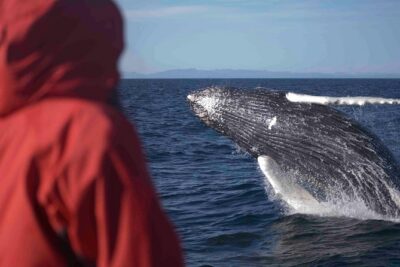
This is where the value shows up. You’re in a stable RIB built to search wider areas than you’d get on smaller craft, while still being light and agile enough to approach wildlife carefully. The reward is proximity: multiple past riders describe whales surfacing close to the boat, sometimes even with playful swimming around the RIB.
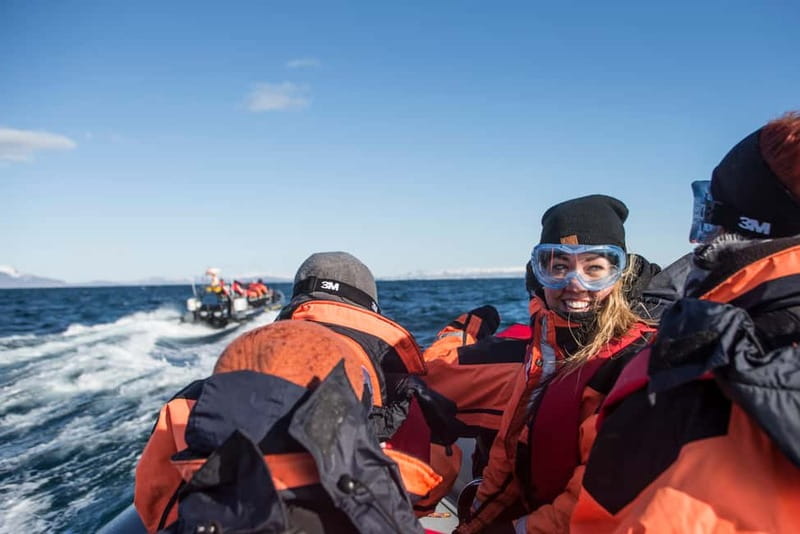
You’ll likely feel the speed. That’s part of the point, but it also affects comfort and photo/video chances. If you’re the type who needs steady shots, set expectations: the ride is bouncy and windy, and the front section can feel especially choppy.
Good news: the seating is designed to take the bumps. Several people call out comfortable seats (including spring-absorbing comfort on some boats). And the captain’s job is not just driving—it’s finding the birds and whales while keeping everyone safe and following wildlife-respectful positioning.
What you’ll see: puffins on islands, then whales and dolphins further out
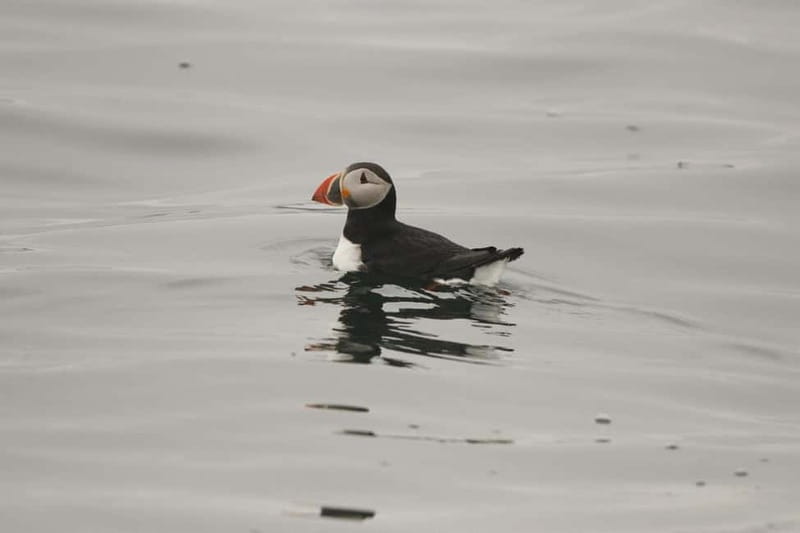
The tour flow is simple and smart. You go to the islands first to look for puffins in their natural setting. Then you head farther out for whales and dolphins.
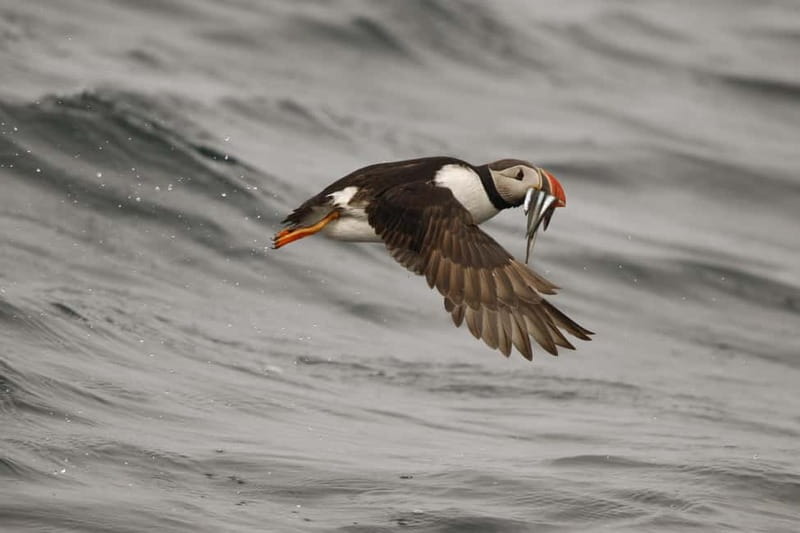
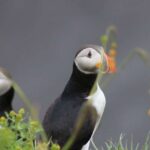
Puffins can be the easy win if you’re in the middle of the season. When puffins are active, you’ll see them with an actual sense of place—birds doing bird things around nesting areas, not just a distant speck against the horizon. At the end of the season, though, sightings can be patchier. If puffins are your top goal, aim for late April through July rather than waiting until the very last days of the season window.
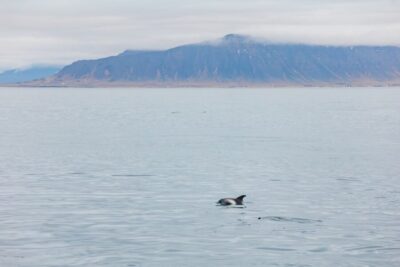
Whales are the high-stakes moment. Many sightings include minke whales and humpback whales, with dolphins and harbour porpoises often showing up in the same stretches of ocean. The best encounters happen when whales surface near enough for a proper look—several participants describe seeing multiple whales in a relatively short time, and a few mention extremely close behavior like whales under or alongside the RIB.
Here’s the practical reality: you’re increasing your odds by being on a boat that can move quickly and search in a smart pattern. You can’t control where whales are, but you can control whether you’re in the right kind of vessel for getting to sightings when they appear.
Reykjavik from the water: Harpa and Sun Voyager views on the way back
Even if wildlife is the headline, don’t skip the skyline part. On the return trip, you’ll sail along Reykjavík’s shores and see the city from the water.
Two landmarks tend to get everyone’s attention:
- Harpa Concert Hall, rising dramatically by the harbor
- Sun Voyager, the iconic sculpture that looks even stranger (in a good way) from the sea
This is a nice balance to the chaos of whale-searching. You get a calmer moment to take in Reykjavík’s waterfront geometry, wind-blown light, and the contrast of modern architecture with wild ocean.
More hours on the water off Reykjavik


Your guide matters: what marine-biologist commentary changes
The biggest upgrade here is the guide. This tour includes a specially trained whale-watching guide, and many departures are led by marine biologists. Names that have appeared with groups in past trips include Max, Maya, Alex, Matt, Kylie, Emily, and Sam.
Even if you’ve read about whales before, the in-the-moment explanation makes the spotting more meaningful. You’re not just scanning for spouts—you’re learning what behaviors to look for and why the crew is steering where it’s steering. That helps you stay engaged during the search stretches, which can otherwise feel like waiting in cold wind.
It also affects how you interpret close encounters. When a whale surfaces, you’ll get context on what you’re seeing and what it might mean for where the animal goes next. And when dolphins or puffins are active, you’ll hear about what to look for and where to expect them to show up.
Clothing and comfort: warm gear included, but you still need the right plan
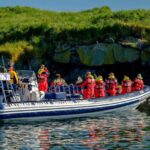
You get warm overalls, gloves, and goggles, and you’ll receive the safety equipment required for the trip. That’s a big deal because it shifts your preparation from complicated to simple.
Still, you should bring the items listed for a reason:
- Hiking shoes with grip (not slippery soles)
- Weather-appropriate clothing for layers
- A signed waiver
- Avoid high-heeled shoes (they’re not allowed)
What to expect in practice: people repeatedly mention wind, spray, and getting wet. Some even describe their suits getting wet inside by the end. That’s normal for the environment. The best approach is to dress for cold and damp, not for comfort on a sunny day.
Also bring your eye comfort. Many guides provide goggles, but you may still want sunglasses for wind-blown glare. And if you run hot easily, remember that the ride starts cold, then can get warmer once you’re moving.
If you’re picky about photo quality, do this: prioritize eye-level looking over perfectly framed shots. Several riders point out that the ride is rough enough to limit steady video, so treat photos as a bonus, not the mission.
How the 2-hour timing works (and why it’s not too short)
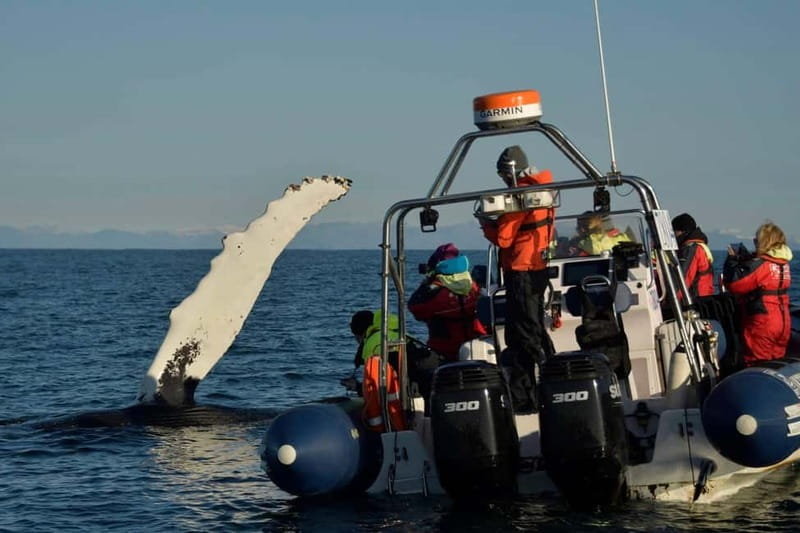
Two hours sounds like a quick commitment, and it is. That’s a feature for many people in Iceland. You’ll be out for long enough to search for puffins on islands and still make time to go farther out for whales and dolphins.
It also keeps the experience energy high. In a short window, the crew can change direction based on sightings rather than spending the whole time in one place hoping wildlife appears. That’s one reason RIBs can feel so effective: they help the crew act fast when conditions and sightings line up.
If you’re the type who wants maximum wildlife time, remember this is specifically a 2-hour format. Some people suggest longer trips for better whale odds, because whales don’t always stay close to the surface for long. But for a first Reykjavik marine outing, two hours is a solid bite-sized adventure.
Price and value: what $200 buys on this kind of tour
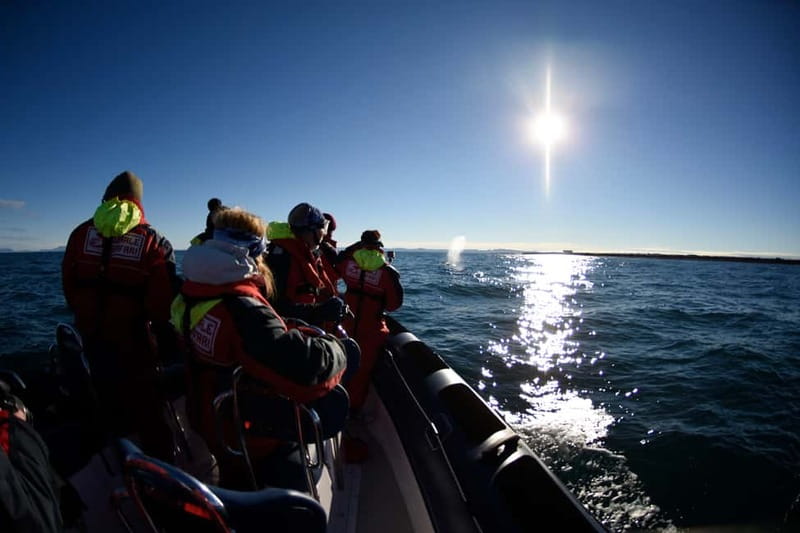
At around $200 per person for a 2-hour tour, this isn’t a budget activity. So you should ask: what are you paying for?
In this case, you’re paying for three things that are hard to DIY:
- Access to a RIB that can get close and search efficiently
- A trained guide (often marine biologist) guiding you to what matters
- Gear plus photo sharing, so you’re not showing up cold and empty-handed
If you’re comparing value, ask whether the tour is built around actually finding whales and puffins, or just getting you out onto the water. This one is designed for active searching and for minimizing barriers between you and the wildlife.
The included warm gear is also part of the value. In Iceland, buying waterproof layers just for one wet experience can be a waste. Here, you arrive with less gear to manage, and that can make a big difference on a tight trip schedule.
Who should book this RIB whale and puffin tour
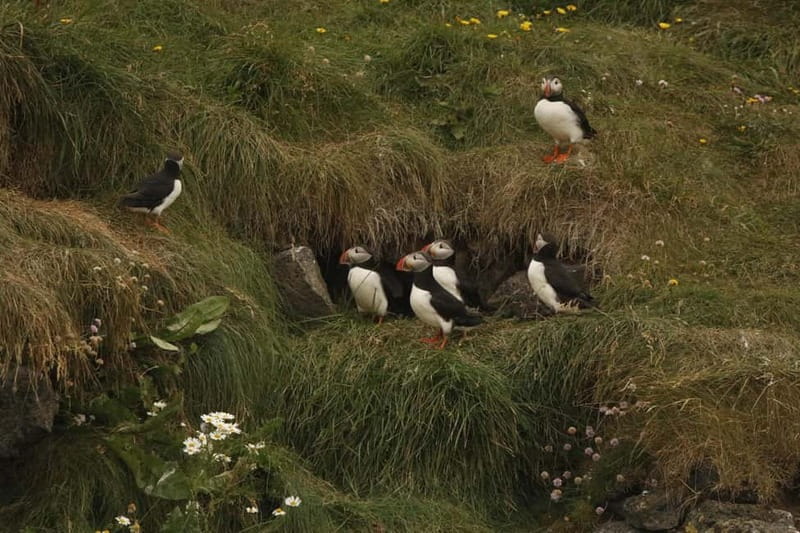
This tour suits you if:
- You want a thrill-leaning boat experience with fast movement and close wildlife potential
- You prefer a small group (limited to 12 participants)
- You like learning while you watch—especially if you care about animal behavior
It’s less suitable if:
- You’re under 10, under 145 cm in height, or over 75
- You’re pregnant
- You have mobility impairments
- You’re over 140 kg
- You have concerns about wind-and-spray comfort, since the ride is often wet and bouncy
Also, if puffins are your main target, timing matters. Choose dates in the puffin season window rather than guessing based on general Iceland summer dates.
Quick booking checklist (so you don’t regret anything)
Before you go, do three things:
- Bring hiking shoes and plan for a wet, windy ride.
- Give yourself a real buffer at Old Harbour so gear fitting and safety briefing don’t eat your nerves.
- Decide in advance what your priority is: wildlife sightings over clean photos.
One more practical note: weather in Reykjavík can change fast. You might see your outing adjusted to a better window rather than canceled outright, depending on conditions.
Should you book this Reykjavik whale and puffin RIB tour?
If you’re excited by the idea of getting closer to whales and puffins than you would from a big deck boat, and you’re fine with cold spray and bumpy water, I’d say this tour is worth it. The combination of marine-biologist style guidance, smart RIB maneuvering, warm included gear, and crew photo sharing is exactly the kind of package that makes a pricey activity feel earned.
If you hate rough rides or you’re traveling with someone who doesn’t meet the height/age/weight limits, skip it and look for a calmer option. But for the right traveler, this is one of the most fun ways to experience Iceland’s wildlife and Reykjavik’s harbor from the same two hours.
FAQ
How long is the Reykjavik whale and puffin RIB boat tour?
It lasts 2 hours.
Where do I meet the tour, and when should I arrive?
Meet at the ticket office at Reykjavík’s Old Harbour no later than 30 minutes before the scheduled departure.
When is puffin season on this tour?
Puffin season is listed as from 20 April to 20 August. The included tour details also show a 20 April to 15 August puffin season window.
What gear is included for the cold and wind?
You receive warm overalls, gloves, and goggles, along with all necessary safety equipment.
Is there food or a toilet on the boat?
No. There are no toilets on board, and food is not included.
Is the tour only in English, and how big is the group?
The tour is guided in English, and it’s a small group limited to 12 participants.
More Tours in Reykjavik





More Tour Reviews in Reykjavik


More Puffin Watching on the Bay



Fresh off the road around Reykjavik


Whale Watching, compared.
 ★ 4.6Whale Watching and Marine Life CruiseFrom $879,838 reviews
 ★ 4.5Whale Watching Cruise on the Amelia Rose YachtFrom $1072,911 reviews
 ★ 4.5The Original Classic Whale Watching from ReykjavikFrom $1052,626 reviews
 ★ 4.3Whale Watching Tour with Expert GuideFrom $872,422 reviews
 ★ 4.5the Original 3-Hour Whale Watching TourFrom $108908 reviews
 ★ 4.5Whale Watching Tour with Professional Guide from ReykjavikFrom $97744 reviews
 ★ 4.3Whale Watching TourFrom $103711 reviews
 ★ 4.5Whale Watching and Dolphin Watching Yacht CruiseFrom $106707 reviews
Browse the lists this tour appears in