
Volcano country feels real here, not staged. On this 7-hour Reykjanes Peninsula outing, I like how expert local guides explain what you’re seeing as the terrain shifts from fresh lava to steaming ground. You also get the rare bonus of an itinerary that can change if conditions allow an eruption viewpoint.
I also love the chance to get up close with the area’s geothermal hot springs and vents, where Iceland’s heat is right there in front of you. One consideration: this is a weather-and-rock kind of day, and the tour is not suitable for wheelchair users, so you’ll want solid footwear and a rain-ready attitude.
You’ll start in the Reykjavík area, then head straight into a part of Iceland that feels closer to the action—around Grindavík—where earthquakes have changed roads and even forced evacuations.
In This Review
- Key things that make this tour worth your time
- Reykjanes Peninsula: The Volcano Day Trip That Feels Like Front-Row Seats
- Pickup Time and the One Tech Detail That Can Save Your Day
- Grindavík: Where Earthquakes Turn Into Real-World Detours
- Geothermal Hot Springs and Steaming Vents: Heat You Can Sense
- Kleifarvatn Lake: A Pause With Big Views (Not a Trash-Stop)
- The Old Lighthouse and the Bridge Between Continents: Small Stops With Clever Meaning
- Lava Fields With Moss: Old Ground, New Color
- If Volcanic Conditions Change: How the Tour Adapts
- Price and Value: What $122 Buys on a 7-Hour Volcano Route
- What the Day Feels Like: Pacing, Walking, and Terrain Reality
- Who Should Book This (and Who Might Want Another Option)
- Should You Book This Reykjanes Volcano Tour?
- FAQ
- How long is the Reykjanes Volcanoes, Grindavík, Hot Springs & Lava Tour?
- What does the tour cost, and what’s included?
- Is the tour canceled if the weather is bad?
- What language is the guide?
- Do I need mobile phone service for pickup?
- Can wheelchair users join this tour?
Key things that make this tour worth your time
- Expert guides who tie geology to real places, including the Grindavík story of earthquakes and lava damage
- Hot springs close enough to feel the geothermal energy, not just see it from a distance
- A route built for flexibility, with best-possible viewpoints if volcanic activity changes access
- Kleifarvatn lake, Iceland’s older lighthouse, and the bridge between continents on one practical day
- Ancient lava fields under soft, colorful moss, which makes the whole peninsula feel alive
Closer to the magma, compared
- Reykjavik: LAVA SHOW – Immersive Experience Entry Ticket★ 4.8 · 3,360 reviews
- Lava Show Reykjavik Admission Ticket – Optional Premium Upgrade★ 5.0 · 3,278 reviews
- Golden Circle with Kerid Volcanic Crater Day Tour from Reykjavik★ 4.5 · 2,826 reviews
Reykjanes Peninsula: The Volcano Day Trip That Feels Like Front-Row Seats
Most Iceland sightseeing funnels you toward the well-worn classics. This trip keeps you on the Reykjanes Peninsula, where the ground is still doing its thing. Even when no lava is flowing right then, you’re traveling through a region marked by recent geological unrest—exactly the kind of place where you can connect the science you hear with the physical evidence you see.
What makes it hit differently is the mix of big natural forces and human-scale impacts. Around Grindavík, you’re not just looking at scenery. You’re seeing how earthquakes can split roads and how lava damage can change where people live and move through the world. Then you switch gears to geothermal areas and hot springs, where the heat feels almost friendly—until you remember it’s the same engine.
Pickup Time and the One Tech Detail That Can Save Your Day
This tour includes hotel pickup and drop-off, plus WiFi onboard. The official start you should plan around is 10:00 AM, but the minibus may take up to 30 minutes to arrive depending on where you’re staying. That matters because this is a departure you don’t want to miss.
Here’s the practical tip I’d treat as non-negotiable: make sure you have a working mobile phone and, if applicable, you’re connected to data roaming. If the guide can’t find you at the pickup spot and they can’t reach you by phone, you risk missing the tour. I’d step outside early, keep your phone charged, and avoid relying on WiFi only.
Also, the tour runs rain or shine, so plan your clothing for wind, wet pavement, and cold air rather than hoping for perfect weather.
Grindavík: Where Earthquakes Turn Into Real-World Detours
A big reason to choose this tour is the way it brings you to Grindavík, a town that has been repeatedly affected by seismic activity. The area’s story isn’t abstract. Roads have been split by earthquakes, lava flows have damaged houses, and residents faced evacuation because conditions became unsafe.
When you’re standing near a place that has seen evacuations and damage, you start understanding the Iceland you see every day—volcanoes, lava, steam—not as a postcard. It becomes a living system with consequences. That perspective is also why the guide’s explanations matter so much. Guides like Einar and Aina are praised for giving guests time at each stop and for filling in the “why” behind what you’re looking at, not just listing facts while you rush forward.
Practical note: you’ll be moving around in a region where roads and access can be sensitive. Your schedule may flex, especially if authorities close areas due to activity.
Geothermal Hot Springs and Steaming Vents: Heat You Can Sense
After Grindavík, you shift into the geothermal side of the Reykjanes Peninsula. This is one of the tour’s core highlights: you’ll explore a geothermal area with numerous hot springs and see steaming geothermal features up close.
What you’re really getting here is contrast. Cold air outside, warm ground beneath your attention. In places like this, the air near the vents can feel sharper, like the air itself is doing a slow breath. You’re not just looking at a hazard sign—you’re seeing why Iceland’s geothermal power is more than a concept.
In the reviews, people highlight boiling hot springs and close-up geothermal steam as a memorable part of the day. Azimur’s write-up, for example, specifically calls out that up-close feeling on the black lava fields and around geothermal activity—exactly the kind of sensory detail you can’t replicate with a quick photo stop.
More warm water to sink into

Kleifarvatn Lake: A Pause With Big Views (Not a Trash-Stop)
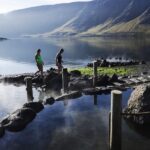
You also visit Kleifarvatn, a scenic lake stop that works as a breather between the more intense geothermal and quake-affected areas. It’s not just about another view. It’s about scale. After seeing devastation risk and geothermal heat, the lake gives your eyes a calmer shape—water holding steady while the peninsula around it changes.
The guide’s role here is subtle but important. With lots of stops on a volcanic itinerary, you want someone explaining how each part fits into the bigger system. Guests mention guides giving time for photos and letting you look at your own pace, which makes a viewpoint like Kleifarvatn feel earned instead of rushed.
If the weather shifts, this is the kind of stop that can either be amazing or a quick sprint. Since the day is rain or shine, keep your expectation flexible: bring a lens cloth, wipe your camera often, and focus on whatever is visible when the clouds clear.
The Old Lighthouse and the Bridge Between Continents: Small Stops With Clever Meaning
Two of the listed highlights are particularly fun because they’re quick but memorable:
- Iceland’s oldest lighthouse: A compact history-and-place moment. You’re connecting geology and coastlines, which is where much of Iceland’s story becomes visible.
- The bridge between continents: This one is always popular because it gives you a literal sense of separation and movement—two plates, one dramatic physical boundary.
These stops don’t require long hikes or complicated logistics. They’re built for a 7-hour day, and they add variety when the rest of the route is mostly lava, steam, and earthquake impact. Jamie’s review also mentions the day being well planned and the guide keeping things informative without turning the trip into a lecture marathon.
If you’re the type who enjoys small-but-meaningful places, these will land well.
Lava Fields With Moss: Old Ground, New Color
One of the more striking parts of the tour is the walk through ancient lava fields covered in soft, vibrant moss. This is one of those details that sounds decorative until you see it: lava is brutal, black, and raw. Then moss shows up and slowly changes the whole mood.
This stop is also a good reminder of time. Volcanoes can be violent and sudden, but recovery isn’t instant. The moss is nature’s long-term response, covering old ground and turning it into something you can actually appreciate while standing there.
In reviews, people repeatedly mention photos on lava fields and the feeling of being on terrain shaped by past eruptions. That’s the kind of authenticity you want on an Iceland trip: not just “seen a lava field,” but stood on one and watched steam, moss, and rock coexist.
If Volcanic Conditions Change: How the Tour Adapts
Here’s the part that makes this more than a normal sightseeing loop. The Reykjanes Peninsula remains geologically active around Grindavík. No lava is currently flowing at the time of the tour description, but an eruption could resume at any time.
If that happens and certain areas close, the tour is designed to adapt into an active volcano experience—stopping at the best possible viewpoint to witness the eruption, if conditions allow. That doesn’t mean you’ll always see active eruption. It means you’re traveling with a plan that can pivot based on reality on the ground.
One guest, Anam, specifically mentions seeing an active volcano, and another highlights that the guide was not rushing at each stop. Those comments line up with what you’d hope for if the day gets unpredictable: thoughtful pacing, safe decisions, and time to look when you get a window.
Price and Value: What $122 Buys on a 7-Hour Volcano Route
At $122 per person for a 7-hour tour, you’re paying for three things that are hard to replicate on your own:
- Local expertise: Guides like Einar and Thomas receive repeated praise for being informative and patient, with explanations that connect each site to what’s happening beneath your feet.
- Time efficiency: You’re visiting multiple Reykjanes highlights—Grindavík, hot springs, Kleifarvatn, the oldest lighthouse, the bridge between continents, and mossy lava fields—without having to string together driving, parking, and route decisions.
- Built-in flexibility: If activity changes and access is adjusted, the tour aims to redirect you to the best viewpoints possible, rather than leaving you stuck with a canceled plan.
Food and drink are not included, so your real cost may be slightly higher if you buy lunch or snacks. Still, the overall value tends to make sense because the tour includes pickup and drop-off and the guide does the heavy lifting of pacing and interpretation.
What the Day Feels Like: Pacing, Walking, and Terrain Reality
This is not an easy, flat stroll day. Reviews mention a vehicle that’s ideal for the kind of terrain you’ll be dealing with, and the itinerary mixes viewpoints with areas that can be rocky, uneven, and slippery when wet.
You’ll likely have moments where you can walk around as much or as little as you want, with freedom to explore near key stops. Phoebe’s review emphasizes that the trip wasn’t forcing rigid time limits at every viewpoint, which is what you want on geology-heavy days. If you’re more interested in photos, you’ll appreciate having time. If you want a slower pace, you’ll still get chances to stop and absorb.
The big drawback isn’t just the weather. It’s that this trip is built for volcanic ground. That’s great for authenticity, but you should come prepared for uneven footing.
Who Should Book This (and Who Might Want Another Option)
This tour is a strong fit if you:
- Want hands-on geology rather than only waterfalls and glaciers
- Like tours with a real guide who explains what’s happening, not just where to stand
- Prefer a day trip that includes both natural features and the human story around earthquakes and lava damage
- Want the chance of itinerary changes if volcanic activity affects access
It may not be the best fit if:
- You need wheelchair accessibility (the tour is listed as not suitable for wheelchair users)
- You dislike long days in changing weather
- You want a mostly indoor or very gentle walking experience
If you’re the kind of traveler who loves learning why places look the way they do, this is the kind of trip where the explanations genuinely matter because they help you read the ground.
Should You Book This Reykjanes Volcano Tour?
I’d book it if your Iceland trip already includes the famous glacial sights and you want a different side of the country: active geology with real consequences, guided by people like Einar, Thomas, Aina, and others who get praised for both information and pacing.
It’s also worth booking if you like value in the form of timing and logistics. For $122, you’re getting hotel pickup, WiFi onboard, a full 7-hour loop across major Reykjanes highlights, and a guide who can adapt the plan if conditions change.
Just go in with the right mindset: bring rain gear, wear grippy shoes, and accept that the day is weather-dependent. If you do, you’ll leave with photos you can explain and a better sense of how quickly Iceland can change.
FAQ
How long is the Reykjanes Volcanoes, Grindavík, Hot Springs & Lava Tour?
The tour lasts 7 hours.
What does the tour cost, and what’s included?
The price is $122 per person, and it includes hotel pickup and drop-off plus WiFi onboard. Food and drink are not included.
Is the tour canceled if the weather is bad?
No. This tour runs rain or shine.
What language is the guide?
The live tour guide is English.
Do I need mobile phone service for pickup?
Yes. You should have a working mobile phone and be connected to data roaming if applicable, because if the team can’t locate you at pickup and can’t reach you by phone, there’s a risk you could miss the tour.
Can wheelchair users join this tour?
No. This experience is not suitable for wheelchair users.
More Tours in Reykjavik
More Tour Reviews in Reykjavik

Closer to the Volcanoes

Fresh off the road around Reykjavik
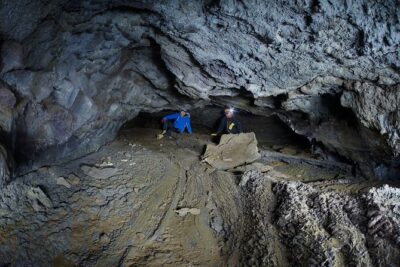
Volcano & Lava Tours, compared.
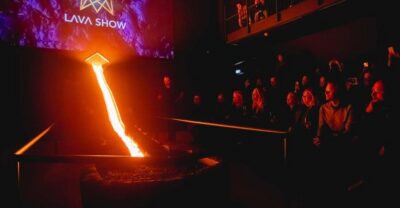 ★ 4.8LAVA SHOW – Immersive Experience Entry TicketFrom $543,360 reviews
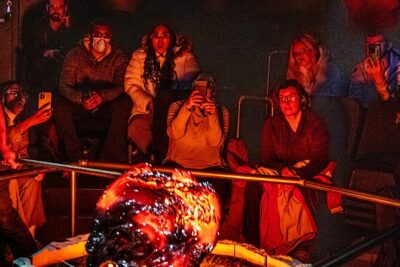 ★ 5.0Lava Show Reykjavik Admission Ticket – Optional Premium UpgradeFrom $543,278 reviews
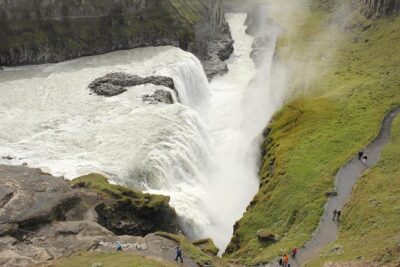 ★ 4.5Golden Circle with Kerid Volcanic Crater Day Tour from ReykjavikFrom $852,826 reviews
 ★ 4.8Red Lava Horse Riding TourFrom $1422,383 reviews
 ★ 5.0The Lava Tunnel Tour – RaufarhólshellirFrom $742,373 reviews
 ★ 5.0Golden Circle, Volcano Crater and Blue Lagoon Small-Group TourFrom $2531,932 reviews
 ★ 4.7Raufarhólshellir Lava Tunnel: Underground ExpeditionFrom $731,717 reviews
 ★ 4.7Snæfellsnes Day Trip with Vatnshellir Lava CaveFrom $2191,108 reviews
Browse the lists this tour appears in