
Reviewed · VOLCANO & LAVA TOURS
Reykjavik: Volcano Express Entry Ticket at Harpa
Volcanoes, but in 15 minutes. At Harpa, the Volcano Express is a 3D show with dynamic seating that makes Iceland’s volcanic power feel physical, not just explained. I also like that it’s built like a story, so you’re not only watching effects—you’re learning why places like Reykjanes keep changing.
One catch: the sensations include motion and jolt-style moments, so it’s not ideal if you have certain medical limits (and it’s not suitable for pregnancy or back/heart problems). You also can’t take photos inside, and flash and audio recording are off the table.
In This Review
- Key things to know before you go
- Entering Harpa’s Volcano Express: What the Ticket Actually Gives You
- Getting to Floor K2: Finding the Experience Under Harpa
- The 15-Minute Journey: From Reykjavik Skyline to Reykjanes Changes
- Feel the Earth Move: Dynamic Seating, Heat, Cold, and Quake Effects
- The Volcano Science That Lands: Plates, Ridge, and Why Reykjanes Is So Active
- What Makes It Worth It: Education Plus 3D Sensations in 15 Minutes
- Rules and Comfort: Photos, Audio, and Who Should Rethink This One
- Who This Suits Best (and Who Might Prefer Something Else)
- Price and Logistics: Is $24 a Smart Use of Reykjavik Time?
- Should You Book the Volcano Express at Harpa?
- FAQ
- Where is the Volcano Express located?
- How long is the experience?
- How much does it cost?
- Is the experience available in English?
- Can I take photos or record audio during the show?
- Is it suitable for people with medical conditions?
Key things to know before you go
- Dynamic seating pairs heat-and-cold moments with flight and earthquake-style effects
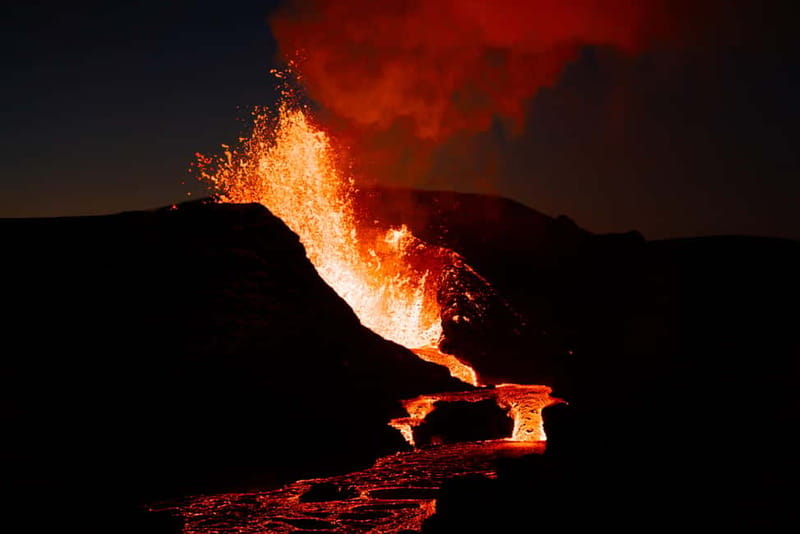
- Reykjanes focus takes you through one of Iceland’s youngest, most active volcanic areas
- Mid-Atlantic Ridge made simple: you learn how the Eurasian and North American plates pull apart
- Soar and plunge sequence includes flying above erupting volcanoes and going deep toward Earth’s center
- Short, punchy runtime means it’s great for a quick plan when weather or time is tight
Closer to the magma, compared
- Reykjavik: LAVA SHOW – Immersive Experience Entry Ticket★ 4.8 · 3,360 reviews
- Lava Show Reykjavik Admission Ticket – Optional Premium Upgrade★ 5.0 · 3,278 reviews
- Golden Circle with Kerid Volcanic Crater Day Tour from Reykjavik★ 4.5 · 2,826 reviews
Entering Harpa’s Volcano Express: What the Ticket Actually Gives You
This isn’t a long tour. It’s a 15-minute cinematic experience in Harpa Concert Hall’s basement, and that matters for your expectations. You’re paying for high-tech storytelling and strong physical effects, not for a half-day of outdoor exploring. If you want Iceland volcanoes in one focused shot, it does the job.
What I like most is the balance between spectacle and explanation. The show doesn’t just throw you into sci-fi vibes. It links what you feel—flight, turbulence, earthquake force, heat of lava, cold winter—to the real-world process that’s shaping Iceland: plates, magma, volcanic gases, and constant change.
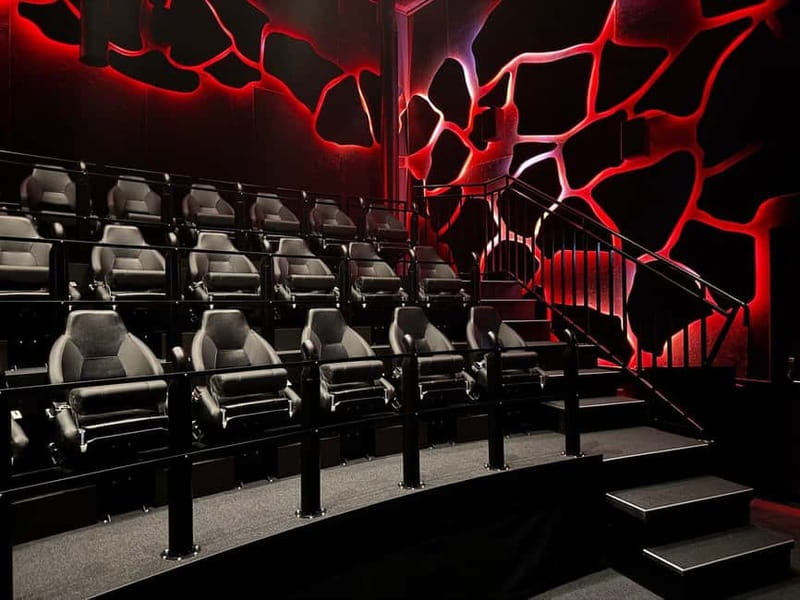
The room itself is set up so you’re reacting together as the scenes build. That shared, synchronized timing is a big part of why it works. It’s also why it’s worth showing up on time: you’ll want to get settled before the sequence starts.
Getting to Floor K2: Finding the Experience Under Harpa
Your meeting point is Harpa Concert Hall, floor K2 in the basement. That’s handy because it’s in the heart of Reykjavik’s main landmark area, and you’re indoors if the weather turns.
Arrive 10–15 minutes early. With a show that lasts only 15 minutes, you don’t want to be the person trying to find the right staircase mid-timing. Plan a little buffer, especially if you’re also doing something else nearby before or after.
English is available via a host or greeter, so if you’re traveling solo or with family, you won’t be stuck guessing what to do when you arrive. And yes, it’s wheelchair accessible, which is a meaningful plus for an experience that otherwise depends heavily on where you can sit and how the effects are delivered.
The 15-Minute Journey: From Reykjavik Skyline to Reykjanes Changes
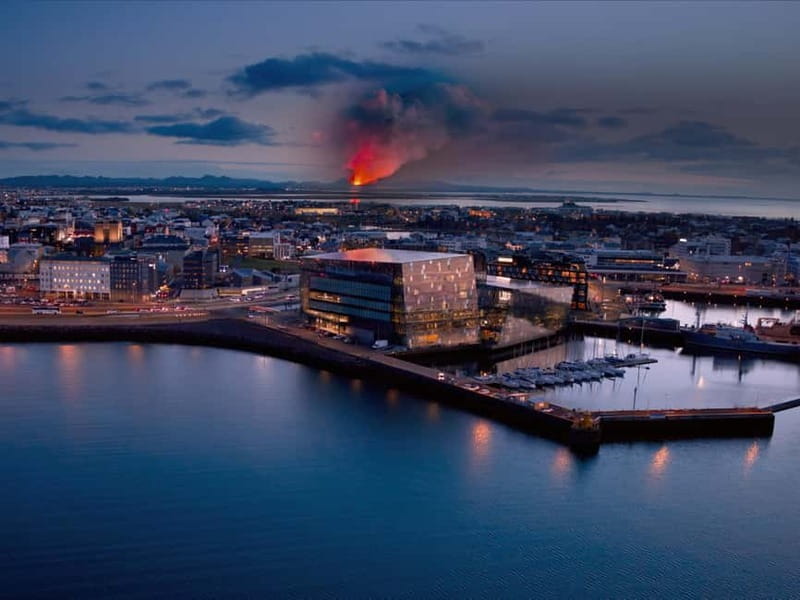
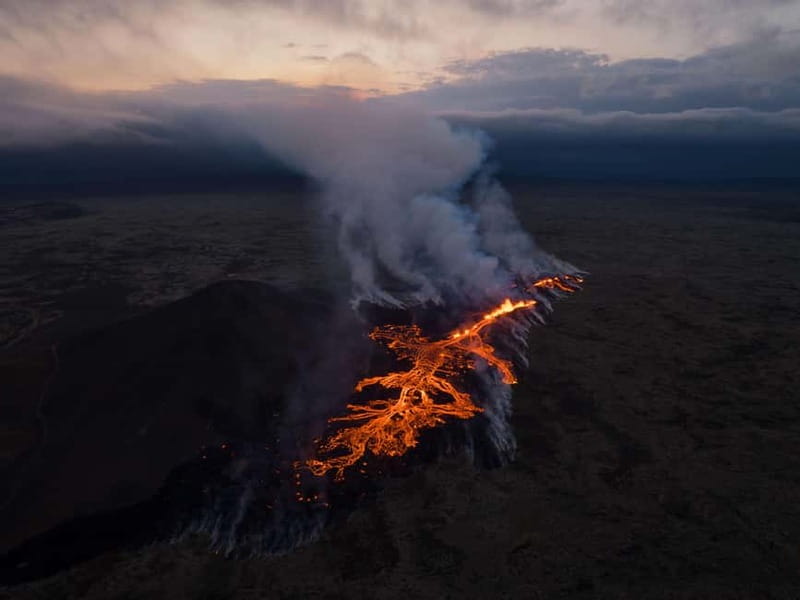
The Volcano Express is narrated as a journey that starts in Reykjavik’s orbit and then takes you southwest across Iceland’s most volcanically active regions. The heart of the story is the Reykjanes peninsula—often described as one of the youngest places on Earth because it’s still being created and radically altered by volcanic activity.
Here’s how the sequence plays out, in practical terms:
First, you’re taken from Reykjavik’s skyline out over the broader volcanic setting. It gives you a sense of scale fast. Iceland isn’t one volcano. It’s a system, and the show is trying to teach that idea without drowning you in details.
Then the action moves into the Reykjanes peninsula area. You’re shown the peninsula’s role as a hot zone of ongoing changes, and you get a clear reason why: the Mid-Atlantic Ridge runs through Iceland. That tectonic boundary is where the Eurasian and North American plates are pulling apart, letting magma and volcanic gases bubble toward the surface.
After that science setup, the show switches gears to pure sensation and visuals. You soar above erupting volcanoes and then dive toward the center of the Earth. Even if you’re not a geology person, this part tends to stick because the visuals and the narrative line up. You feel the shift from above-ground chaos to the deeper driving forces beneath it.
Finally, the story returns to Reykjavik with the kind of motion that makes you pay attention. You experience flight-type turbulence above the city, then a powerful earthquake force moment. The show ends with the idea that Iceland’s drama isn’t one-off. It’s ongoing, driven by plates that keep moving.
Feel the Earth Move: Dynamic Seating, Heat, Cold, and Quake Effects
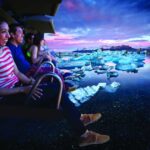
The headline feature here is the dynamic seating. Instead of watching from still chairs, you get the effect of being carried through motion sequences. The show pairs that with environmental sensations: heat of lava and the cold of Icelandic winter.
That pairing is what turns “I watched a video” into “I felt something.” It’s also why I’d treat this as a sensory experience first and a lecture second. The educational part is clear, but the method is physical. The show uses your body as part of the learning tool.
You’ll encounter moments that mimic:
- Flight (including turbulence)
- Freefall-style sensations
- A strong earthquake jolt/force moment
For most people, this is the fun. For some people, it’s the reason to skip. If you know motion-style effects bother you, pay attention to the medical guidance. The show is not recommended for guests with certain medical conditions, and it’s not suitable for people who are pregnant or have back or heart problems.
Also keep in mind: since the effects are central to the experience, the show rules are strict. Flash photography, photography inside, and audio recording are not allowed. That keeps the environment controlled, but it also means you’re choosing experience over capturing proof.
Worth a look alongside this Reykjavik pick:

The Volcano Science That Lands: Plates, Ridge, and Why Reykjanes Is So Active
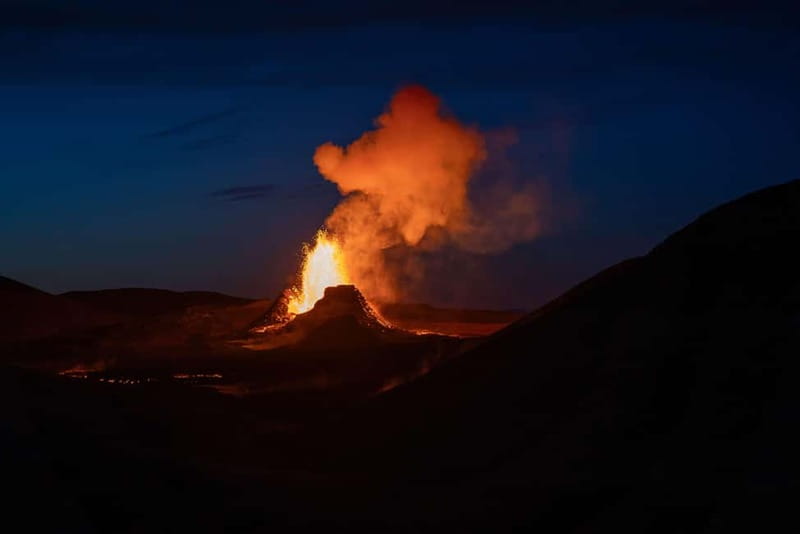
The Volcano Express does something that many Iceland explanations forget: it connects the big idea to the specific place you’re seeing.
In this case, the specific place is Reykjanes, and the big idea is Iceland’s tectonic setting. The Mid-Atlantic Ridge is the thread that ties it all together. The narrative explains that the Eurasian and North American plates pull apart. When they do, magma and volcanic gases rise. That’s why you get repeated activity and why the peninsula keeps reshaping.
I like that the show doesn’t treat this like a textbook lesson. It uses the story of motion—soar, plunge, shake—to make the physics feel logical. You’re not just told that things move. You experience the idea that Earth processes are relentless.
And because Reykjanes is described as young and constantly changing, you understand why it looks and behaves the way it does in Iceland’s volcanic system. The show’s tone makes the science feel practical, not abstract.
A bonus: the experience is also built to answer your natural questions. Why is Iceland volcanically active? Why are certain regions especially active? The show points you at those most volcanically active areas and gives you a framework for remembering them.
What Makes It Worth It: Education Plus 3D Sensations in 15 Minutes
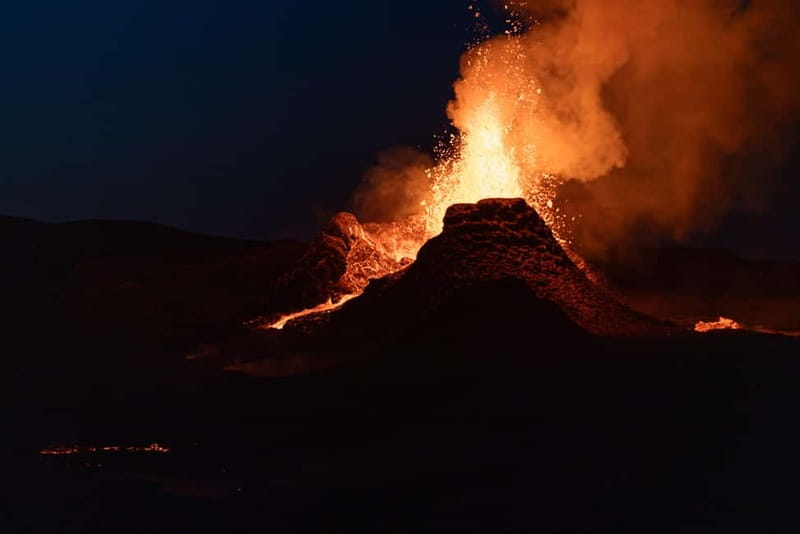
At about $24 per person, it’s not trying to compete with multi-hour tours. It’s more like a focused “explain and entertain” stop that fits into a packed Reykjavik plan.
The value comes from three things:
- Time efficiency: 15 minutes is easy to slot in, even on a day with weather uncertainty.
- High-tech effects: the 3D and cinematic tech are part of the product, not a gimmick.
- Clear narrative: you leave knowing the basic why behind Iceland’s volcanic activity, especially the role of the Mid-Atlantic Ridge and plate separation.
The reviews also lean hard on these strengths. People consistently describe it as very educational, and many mention the 3D and the fact that the ride feels immersive. One commenter even wishes it lasted longer, which usually signals the pace feels good but leaves you wanting more content.
That said, the short duration can be a drawback if you’re expecting a longer guided-style experience. If you love geology lectures or outdoor walking tours, you might find yourself ready for the next layer of information before the credits roll. In that case, you’ll probably enjoy pairing it with a separate activity later that day.
Rules and Comfort: Photos, Audio, and Who Should Rethink This One
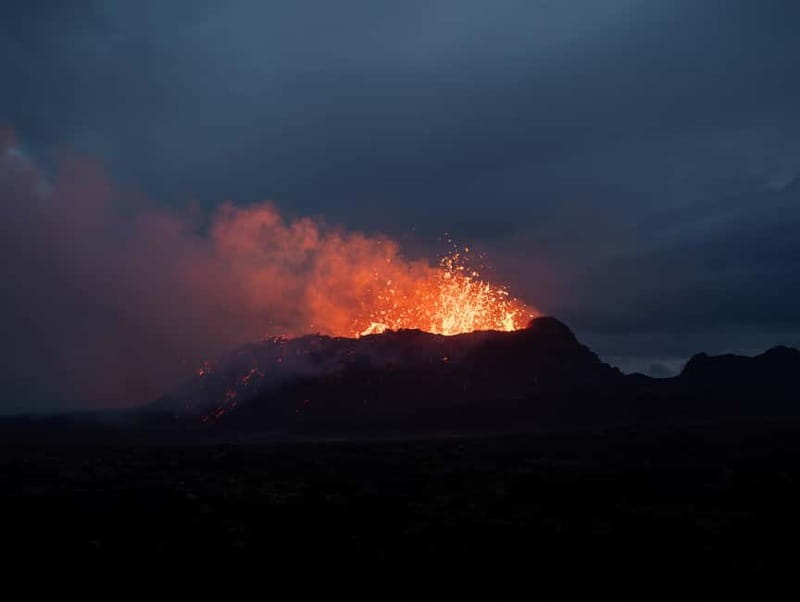
This experience is tightly controlled, which you’ll notice quickly.
Not allowed:
- Flash photography
- Photography inside
- Audio recording
So if you’re the type who wants to document every moment, plan to take photos only where permitted outside the show space. Inside, your best souvenirs will be what you remember.
Comfort-wise, this is where you should be honest with yourself. The show includes motion and strong effects, and it’s not suitable for pregnant women, people with back problems, and people with heart problems. It’s also not recommended for guests with certain medical conditions.
If you’re unsure, the smart move is to treat your body as the deciding factor. This isn’t a calm sit-and-watch film. It’s an effect-driven experience.
Who This Suits Best (and Who Might Prefer Something Else)
This is ideal for:
- Families looking for an indoor activity that still feels like an adventure
- People who want a quick way to understand why Iceland is volcanically active
- Anyone who likes 3D cinematic shows with real physical effects
It also works well when you want to reduce risk from weather. Even without promising anything about daylight or forecasts, you’re sheltered in Harpa and the timing is set.
If you’re traveling with a group that includes different interests—one person wants scenery, another wants science—this can be the meeting point. The education is built into the experience, and the effects keep it moving.
It’s a weaker fit if:
- Motion-style sensations are a concern for you
- You need a fully calm, non-jolting environment
- You want a longer format with a slower pace
And if you’re hoping to spend your time collecting lots of photo evidence, remember the strict rules inside.
Price and Logistics: Is $24 a Smart Use of Reykjavik Time?
For $24, you’re buying a short burst of Iceland volcano storytelling plus 3D cinematic tech and dynamic seating effects. For me, the key question is not just cost. It’s whether this style of experience matches what you’re missing elsewhere.
If your day is packed with outdoor stops, this can be a great “indoor science break” that still feels exciting. If you only have limited time in Reykjavik, the 15-minute length becomes a real advantage. You can squeeze it in without rewriting your whole schedule.
If, on the other hand, you expected a hands-on museum-like visit or a longer documentary, the runtime might feel too brief. The show is designed to hit the essentials fast: Reykjanes, plate movement, eruption geography, and the core sensation-driven science.
As for logistics, the payoff is simple: floor K2 basement at Harpa, arrive 10–15 minutes early, and go in ready to experience it, not just watch it.
Should You Book the Volcano Express at Harpa?
I’d book it if you want a fast, indoor way to understand Iceland’s volcano engine, and you’re comfortable with motion and sensory effects. The combination of 3D tech, dynamic seating, and a narrative that explains the Mid-Atlantic Ridge and plate separation is exactly the kind of learning that sticks.
I’d skip or choose carefully if you fall into the show’s “not suitable” categories (pregnant, back problems, heart problems) or if certain medical conditions make you uneasy about jolt-style moments.
If you’re deciding last-minute, here’s my practical advice: treat it like a high-tech “mini lesson with feelings” that fits your day. With a short duration and strong educational value, it’s a solid use of time—especially for families and for people who learn best through experience, not just facts on a panel.
FAQ
Where is the Volcano Express located?
It’s located on floor K2 in the basement of Harpa Concert Hall in Reykjavik.
How long is the experience?
The Volcano Express experience lasts about 15 minutes.
How much does it cost?
The price is listed as $24 per person.
Is the experience available in English?
Yes. The host or greeter is English, and the experience language is listed as English.
Can I take photos or record audio during the show?
Flash photography is not allowed, photography inside is not allowed, and audio recording is not allowed.
Is it suitable for people with medical conditions?
It’s not suitable for pregnant women, people with back problems, and people with heart problems, and it’s not recommended for guests with certain medical conditions. Wheelchair access is available.
More Tickets in Reykjavik
More Tour Reviews in Reykjavik

Closer to the Volcanoes
Fresh off the road around Reykjavik
Volcano & Lava Tours, compared.
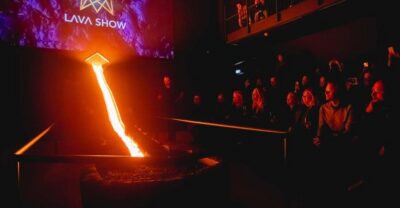 ★ 4.8LAVA SHOW – Immersive Experience Entry TicketFrom $543,360 reviews
 ★ 5.0Lava Show Reykjavik Admission Ticket – Optional Premium UpgradeFrom $543,278 reviews
 ★ 4.5Golden Circle with Kerid Volcanic Crater Day Tour from ReykjavikFrom $852,826 reviews
 ★ 4.8Red Lava Horse Riding TourFrom $1422,383 reviews
 ★ 5.0The Lava Tunnel Tour – RaufarhólshellirFrom $742,373 reviews
 ★ 5.0Golden Circle, Volcano Crater and Blue Lagoon Small-Group TourFrom $2531,932 reviews
 ★ 4.7Raufarhólshellir Lava Tunnel: Underground ExpeditionFrom $731,717 reviews
 ★ 4.7Snæfellsnes Day Trip with Vatnshellir Lava CaveFrom $2191,108 reviews
Browse the lists this tour appears in