
Reviewed · SNæFELLSNES PENINSULA TOURS
Reykjavik: Small-Group Snæfellsnes Day Trip
Iceland gets compact on one long day. On this small-group Snæfellsnes tour from Reykjavík, you roll through the Snæfellsnes National Park circuit with geology, sea cliffs, and the famous Kirkjufell photo stop at the end. I like that the day has enough stops to feel like you saw “Iceland in miniature,” but the group stays small enough that you’re not just herded from one look-at-it moment to the next.
I’m also a big fan of the animal-and-wild-coast combo: Ytri-Tunga’s seal colony is a real mood booster, and Djúpalónssandur’s lifting stones add a hands-on, memorable twist. The main consideration is timing: it’s an 11-hour day, so even with frequent photo stops, you’ll spend a lot of time on the bus.
In This Review
- Key highlights worth circling
- Snæfellsnes in miniature: from Reykjavík to Snæfellsjökull
- Ytri-Tunga seals and the farm-beach stop
- Arnarstapi and Hellnar cliffs: sea-air breaks and mossy rock detail
- Lóndrangar basalt columns: quick, unforgettable black pillars
- Djúpalónssandur black beach and the lifting stones tradition
- Ingjaldshólskirkja, the Red Church, and the Columbus connection
- Kirkjufell at day’s end: rivers, green hills, and photo pressure
- What the 11 hours really feel like on the road
- Price and value check: $163 for a guided Snæfellsnes loop
- Who should book this Snæfellsnes day trip?
- Should you book this Snæfellsnes day trip?
- FAQ
- How long is the Reykjavik: Small-Group Snæfellsnes Day Trip?
- What is the group size?
- When does pickup happen?
- Where does pickup take place?
- Is the guide English-speaking?
- Is Wi-Fi included?
- Are meals included in the price?
- What is the cancellation policy?
- Can I reserve and pay later?
- What are the lifting stones at Djúpalónssandur?
Key highlights worth circling
- Snæfellsjökull views on the way out of Reykjavík: the glacier-capped volcano often shows itself early, when the day is still fresh.
- Ytri-Tunga seals and the farm-beach vibe: a gentle stop that balances the harder-edged geology later.
- Arnarstapi and Hellnar cliff walking: mossy rock formations plus sea air breaks up the driving.
- Lóndrangar basalt columns: dramatic black pillars that are tall enough to spot from the road.
- Djúpalónssandur lifting stones: black sand, wind, and a strength-testing tradition (with specific stone weights).
- Kirkjufell at the end of the day: one of Iceland’s most photographed mountains, with trickling rivers and green hills nearby.
Iceland in miniature: more of the Snaefellsnes run
- Reykjavik: Snæfellsnes Day Trip with Vatnshellir Lava Cave★ 4.7 · 1,108 reviews
- Snaefellsnes Peninsula Full Day Tour from Reykjavik★ 4.5 · 1,036 reviews
- Reykjavik: Snaefellsnes & Mt. Kirkjufell Guided Minibus Tour★ 4.8 · 757 reviews
Snæfellsnes in miniature: from Reykjavík to Snæfellsjökull
This is a straightforward, comfort-first way to do the Snæfellsnes Peninsula. Pickup is in the Reykjavík area, usually between 8:30 and 9:00 AM, and because the group is capped at no more than 19 people, the bus ride feels less like a cattle call and more like a moving viewpoint.
A key early moment: you get your first proper look at Snæfellsjökull, the glacier-capped volcano that anchors the region. On clear days it’s even said to be visible from the capital—so seeing it up close feels like the day is “starting on the right foot.” Even if weather hides the top, the drive still matters here. The peninsula’s coastline is constantly changing, so the road time doesn’t feel like dead time.
You’ll also get English commentary from the guide and free Wi-Fi on the bus. That Wi-Fi is surprisingly useful for practical stuff: checking weather/road notes later in the day, or just grabbing maps so the stops make sense when you step outside.
Ytri-Tunga seals and the farm-beach stop
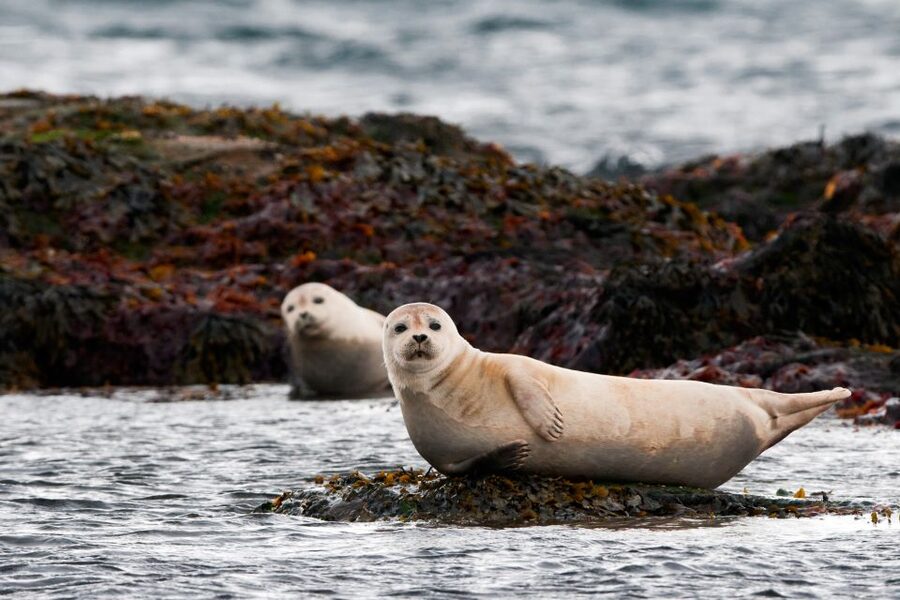
Ytri-Tunga is one of those places that turns a long day into a personal moment. The stop centers on a charming farm and nearby beach, where a seal colony often hangs out close enough to watch them sunbathe and play in the surf.
What I like about this stop is the contrast it provides. After Iceland’s darker volcanic textures and wide coastal views, Ytri-Tunga brings in a softer energy—movement in the water, small faces at rest, and that half-sunny, half-windy beach rhythm. It’s also a good time to reset your attention span. You’re not sprinting to the next viewpoint; you’re letting the day breathe for a bit.
Practical tip: bring a lens you can actually use in wind and spray. Seal watching gets better when you’re ready to zoom without fumbling. And if it’s cold, don’t underestimate how long you’ll stand still looking at the water.
Arnarstapi and Hellnar cliffs: sea-air breaks and mossy rock detail
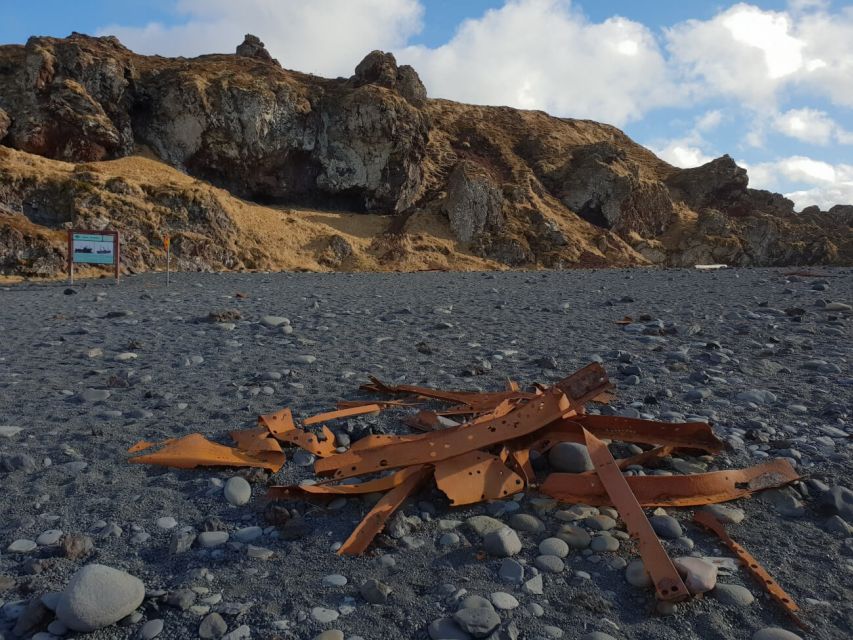
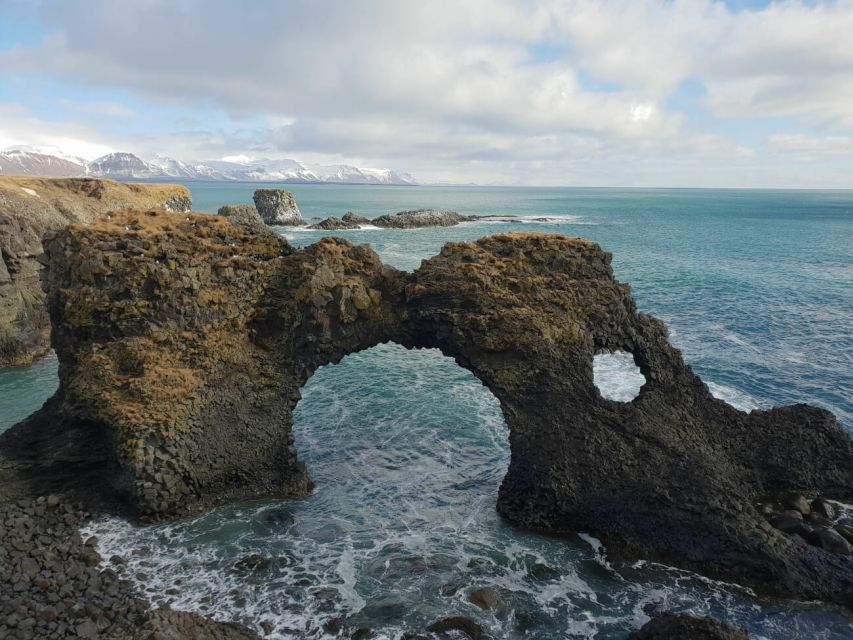
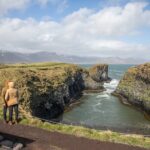
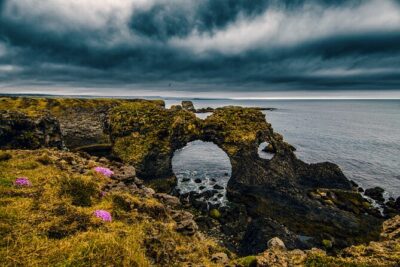
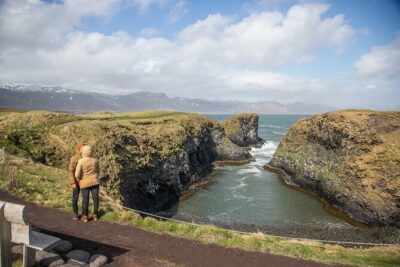
Next comes the coastline character that makes Snæfellsnes so addictive. You’ll visit Arnarstapi and Hellnar, known for cliffs, natural harbor areas, and rock formations. One detail to watch for: coastline rocks speckled with green-and-yellow moss. It’s the kind of texture that doesn’t show up well from far away, so slow down once you’re there and let your eyes adjust.
This part of the trip also includes a stroll along the cliffs for that refreshing sea air. You’ll feel it immediately—salt in the air, wind cutting across your face, and the ocean sound doing half the soundtrack work for you. It’s a great counterbalance to stops like Djúpalónssandur, where you’re dealing with black sand and stronger winds.
If the weather is rough (and Iceland loves rough weather), you may find it more comfortable to keep one eye on footing, one eye on the horizon. The views are worth it, but you’ll do better if you don’t rush.
Lóndrangar basalt columns: quick, unforgettable black pillars
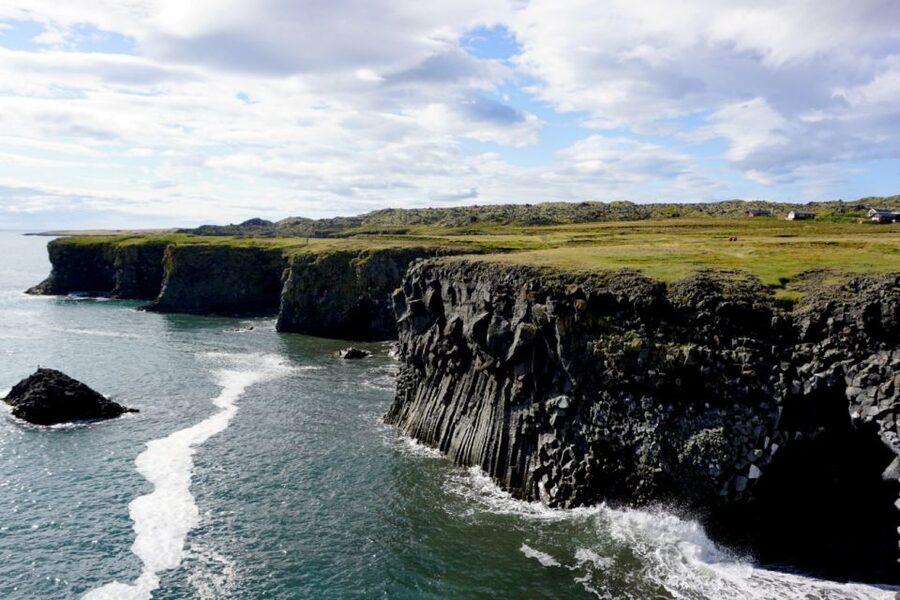
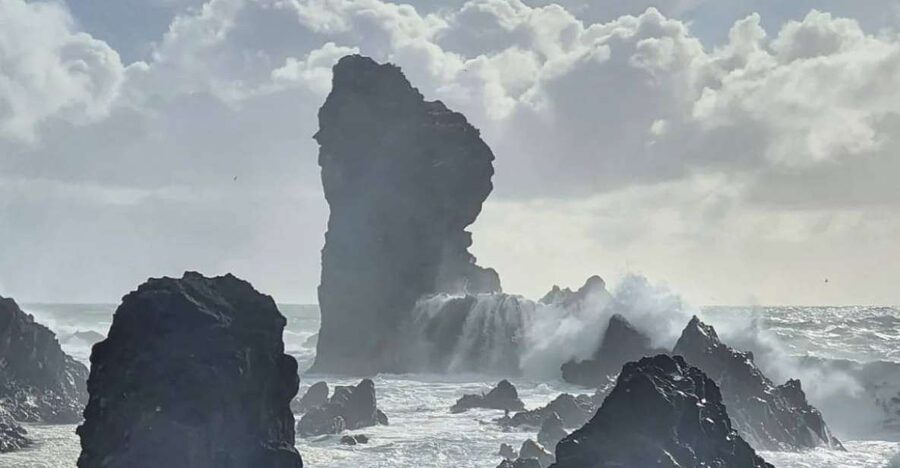
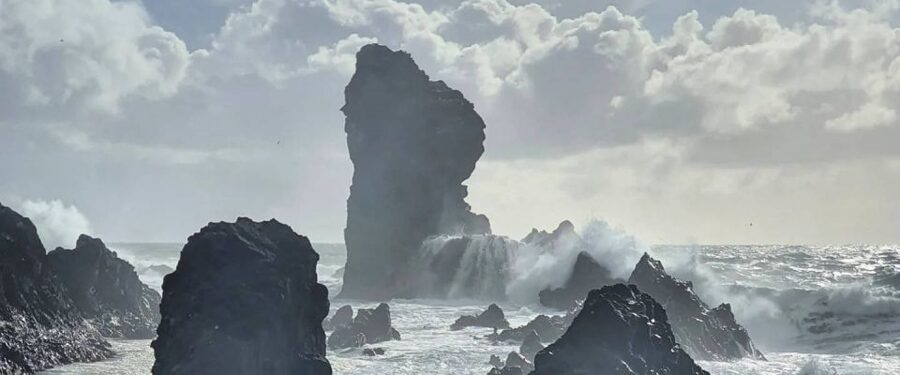
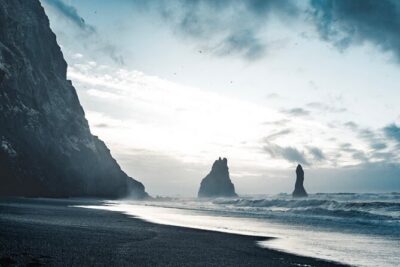
Lóndrangar is a geology stop that plays out like a surprise. These are two tall black basalt columns, so distinctive that they can be seen from the road. That means you don’t always have to fight for visibility with your camera just to confirm you’re in the right place—you already spot them before you fully arrive.
Why it works: you get the wow factor without needing a long hike. For a day trip that’s already packed, it’s a smart kind of stop. You can step out, take a few photos, and enjoy the shape of the columns without eating up your whole schedule.
This stop is also a nice “lesson in motion” for geology. Basalt columns are the kind of feature that makes you look at rock formations differently afterward—less random, more like Earth with a plan.
Worth a look alongside this Reykjavik pick:
Djúpalónssandur black beach and the lifting stones tradition
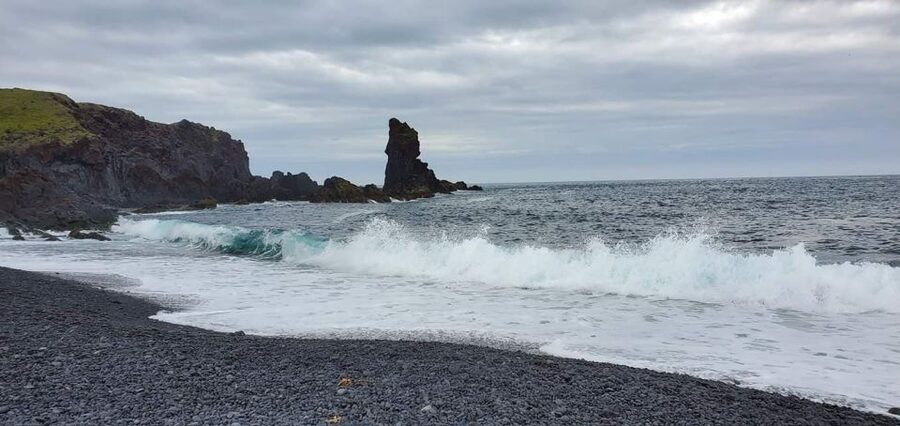
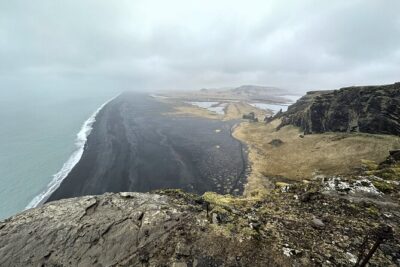
Then you hit the dramatic stuff: Djúpalónssandur, a black beach where the soundscape is constant—birds circling and ocean waves hammering the shore. It’s one of those places where the air feels louder, and the rocks feel older than they should.
The star attraction here is not just the sand and shoreline, but the lifting stones. This site has a working-coast tradition: the stones were used to measure fishermen’s strength in a culture where physical labor mattered. You’re not just watching history—you’re getting the chance to try a local challenge.
The stones and their weights are part of the fun:
- Fullsterkur (Full-Strength): 154 kg (340 lb)
- Hálfsterkur (Half-Strength): 100 kg (220 lb)
- Hálfdrættingur (Weakling): 54 kg (119 lb)
- Amlóði (Useless): 23 kg (50 lb), and if you could lift it you were considered the shame of your village
Now, a reality check: you don’t need to set a record. If you do lift, the important safety instruction is to lift using your knees so you don’t hurt your back. In reviews, people also warn about slick, uneven ground, and that’s especially relevant here on black sand and rocky edges. Sturdy footwear matters.
If you’ve got balance issues or a back you protect carefully, keep it low-key. The beach itself is worth the stop even if you never touch a stone.
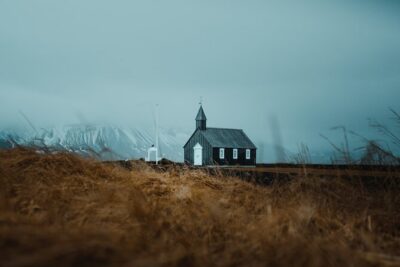
Ingjaldshólskirkja, the Red Church, and the Columbus connection
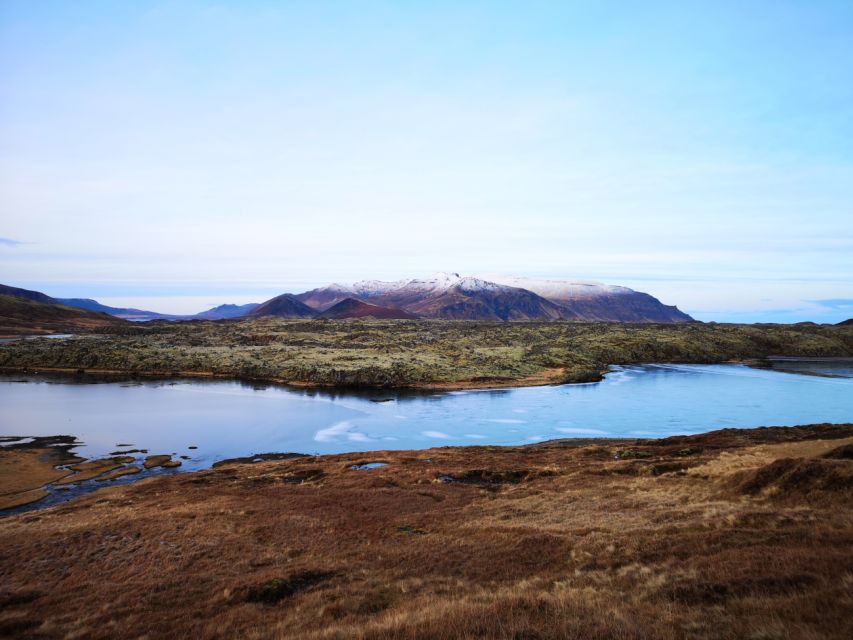
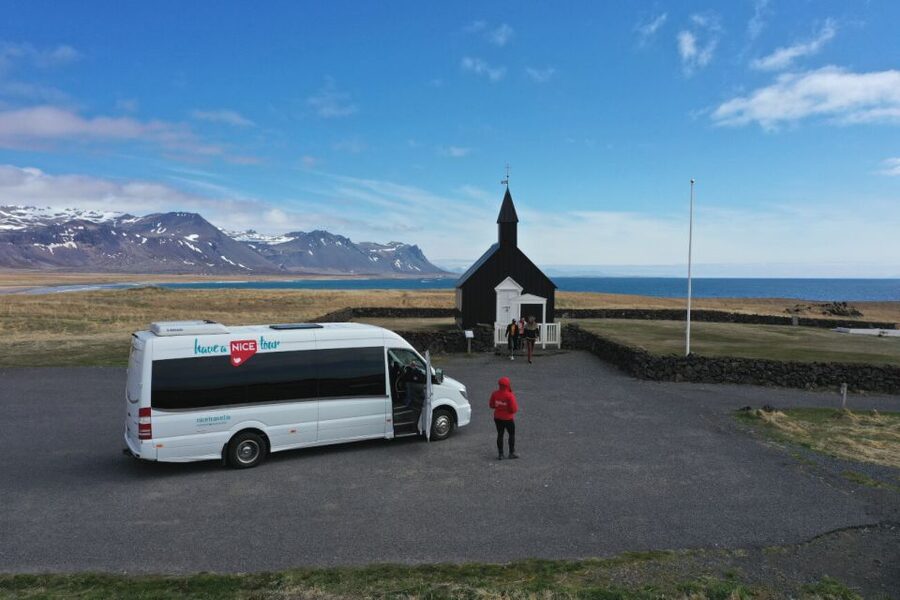
After the black beach, the day turns more human with Ingjaldshólskirkja, often called the Red Church. It was built in 1903 and sits on a hill between Hellissandur and Rif, with broad views across the Snæfellsnes region.
What I like about this stop is the calm. You get a break from the raw coastal drama, plus a small dose of story. There’s also a long-held tale tied to Christopher Columbus—he’s said to have stayed in the area during the 1470s. Whether you treat that as folklore or history, it adds a layer to why the church matters to locals and why visitors remember it.
The church’s design is simple and its colors are striking. It’s the kind of place where you can take a minute to look out over the peninsula and feel how the coast connects to everything else you’ve seen that day.
Kirkjufell at day’s end: rivers, green hills, and photo pressure
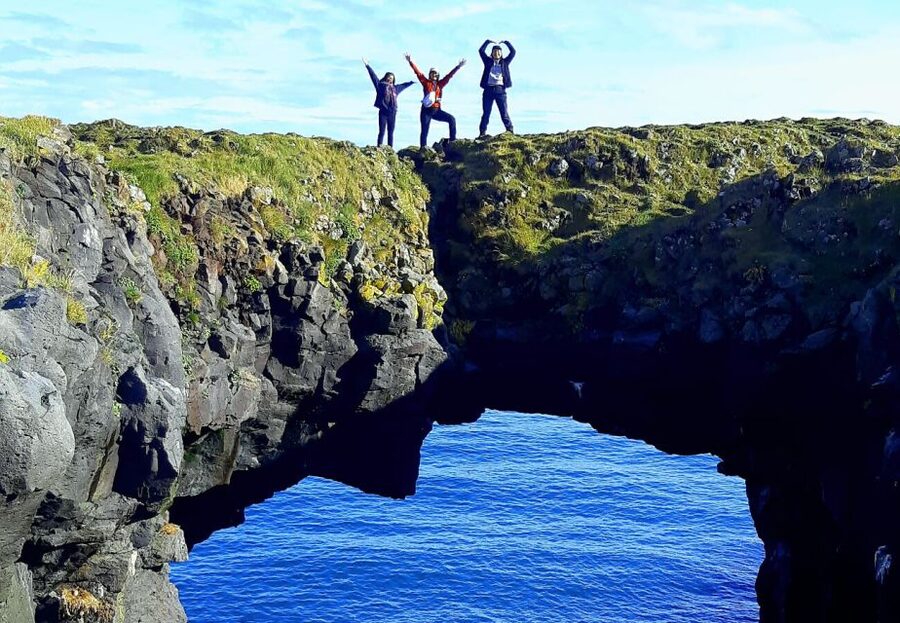
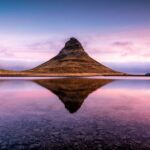
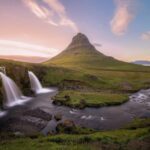
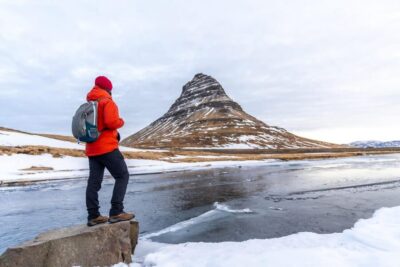
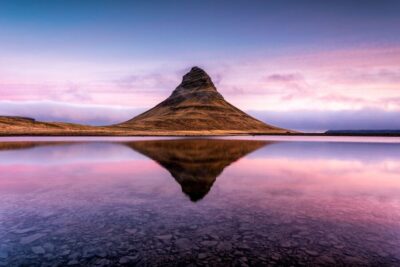
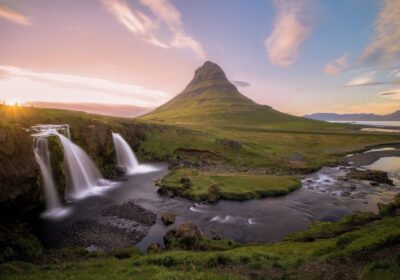
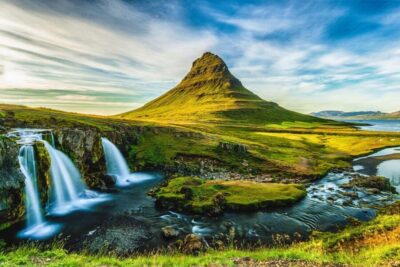
You finish at Kirkjufell Mountain. It’s one of Iceland’s most popular photography stops, and it makes sense why. You’ll see the mountain rise from green hills, with nearby trickling rivers. Even when you’re not chasing the perfect shot, it’s a beautiful ending point because the scene feels complete—coast, rock, and a softer, greener foreground.
A practical consideration: because it’s popular, you may share the viewing area with other people. That’s not a reason to skip it. Just plan to be patient, and take your photos efficiently so you can actually enjoy the place.
If the weather has been good, this is where the whole day clicks into place visually. If weather has been rough, Kirkjufell still works as a payoff stop—because sometimes the best Iceland photos come from clouds, not clear skies.
What the 11 hours really feel like on the road
On paper, this is 11 hours from Reykjavík with pickup between 8:30 and 9:00. In practice, it’s a full day circuit, and you should expect a lot of driving.
One review notes that reaching the first stop area can take about 1.5–2 hours, so yes: you’ll be on the bus for a while early on. The good news is that the scenery along the way keeps the time moving. Plus, the guide’s storytelling can make the bus ride feel shorter than it otherwise would.
Two small practical tips that matter:
- Since meals are not included, plan to bring or buy snacks and drinks as you go. Even if you don’t eat much, having something on hand reduces stress.
- Toilets may not be available everywhere. One piece of advice I’d trust: ask for toilet breaks at the sites you stop at, because some stops won’t have many facilities.
Weather can also shift how smooth the day goes. There are examples of guides adjusting the itinerary to visit sights safely in poor conditions. That’s part of Iceland travel. You just want to go in with sturdy expectations: good planning, but the outdoors is the boss.
Price and value check: $163 for a guided Snæfellsnes loop
At $163 per person, this is not the cheapest way to do Snæfellsnes—but it’s not just a “sit and stare” tour price either.
Here’s what you’re buying:
- Pickup and drop-off in the Reykjavík area
- A live English-speaking guide
- Small-group size (up to 19), which usually means less waiting and more chance to ask questions
- Free Wi-Fi on the bus
What you’re not buying:
- Meals
So the real value question is simple: do you want to drive yourself, or do you want a guided circuit that handles the logistics? If you don’t rent a car (or you don’t want to focus on roads, parking, and timing), this price can start to look very fair. You also get context at each stop—history and geology explained—so you leave with more than just photos.
On the flip side, one review flagged the cost compared with renting a car. That’s a fair counterpoint. If you have your own vehicle, you might spend less money and move at your own pace. But you’ll still deal with weather, long distances, and the work of finding the right moments at each sight.
For most first-timers, the “less hassle” factor is what makes this kind of tour worth it.
Who should book this Snæfellsnes day trip?
This tour fits best if you want:
- A tight, guided overview of Snæfellsnes without juggling driving
- A mix of animals (seals), geology (basalt columns and black beach), and a human stop (Ingjaldshólskirkja)
- A day with frequent, meaningful stops, not just long views from a single spot
It may be less ideal if you have mobility limitations or you can’t handle uneven ground. Even on this kind of curated route, you’ll likely face slippery patches and rocky walking surfaces. Bring that practicality mindset, and you’ll enjoy the day more.
Guide energy is another big piece. In feedback, guides like Jonas (humor), Bart (friendly and knowledgeable), and Henrik (high-energy and attentive) came up repeatedly. Even when weather changes, the consistent theme is that guides keep the group supported and informed.
Should you book this Snæfellsnes day trip?
If you want Snæfellsnes without the stress of planning every stop, I’d book it. You get the big hits—Ytri-Tunga seals, Djúpalónssandur lifting stones, Lóndrangar basalt columns, Ingjaldshólskirkja, and Kirkjufell—all in one managed day, with a guide to connect the dots.
Just don’t book it expecting an easy stroll the whole time. Wear shoes for slick ground, plan for a long day on the bus, and pack snacks since meals aren’t included.
FAQ
How long is the Reykjavik: Small-Group Snæfellsnes Day Trip?
The trip lasts 11 hours.
What is the group size?
The group is no more than 19 people.
When does pickup happen?
Pickup is available from the Reykjavík area between 8:30 AM and 9:00 AM.
Where does pickup take place?
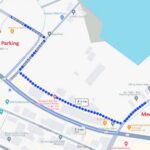
Due to local regulations, pickup might be from your hotel or the nearest meeting point.
Is the guide English-speaking?
Yes, the tour includes a live English-speaking guide.
Is Wi-Fi included?
Yes, there is free Wi-Fi on the bus.
Are meals included in the price?
No, meals are not included.
What is the cancellation policy?
You can cancel up to 24 hours in advance for a full refund.
Can I reserve and pay later?
Yes. You can reserve now and pay later, with no payment required today.
What are the lifting stones at Djúpalónssandur?
At Djúpalónssandur you can test yourself with stones known as Fullsterkur (154 kg), Hálfsterkur (100 kg), Hálfdrættingur (54 kg), and Amlóði (23 kg).
More 1-Day Tours in Reykjavik
More Tour Reviews in Reykjavik

More of the Snaefellsnes Peninsula
Fresh off the road around Reykjavik
Snæfellsnes Peninsula Tours, compared.
 ★ 4.7Snæfellsnes Day Trip with Vatnshellir Lava CaveFrom $2191,108 reviews
 ★ 4.5Snaefellsnes Peninsula Full Day Tour from ReykjavikFrom $1381,036 reviews
 ★ 4.8Snaefellsnes & Mt. Kirkjufell Guided Minibus TourFrom $159757 reviews
 ★ 5.0Snaefellsnes Small Group Tour with Homemade Meal from ReykjavikFrom $238737 reviews
 ★ 4.8Snæfellsnes Full-Day Tour with Homemade MealFrom $235493 reviews
 ★ 5.0Snaefellsnes & Kirkjufell Small Group Day TourFrom $147419 reviews
 ★ 4.6Snaefellsnes Peninsula and Kirkjufell Small-Group TourFrom $148412 reviews
 ★ 5.0Snaefellsnes National Park Small Group TripFrom $145323 reviews
Browse the lists this tour appears in