
Reviewed · ICELANDIC HORSE RIDING TOURS
Reykjavík: Horse Riding Tours
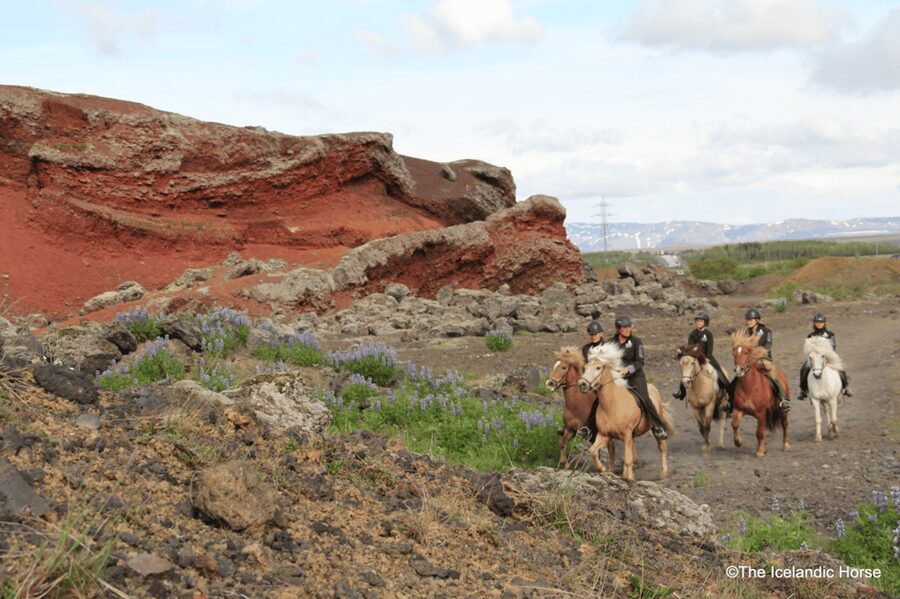
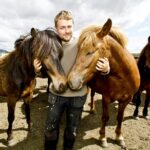
Hoofbeats over ancient lava rock. This 2-hour Reykjavik horse tour through the volcanic country around Redhill is built around Icelandic horses and the smooth tölt gait, plus very hands-on coaching. I love the small group size (max 8), because you actually get time with the guide. I also love that owners Begga and Sveinn lead from the front, doing real teaching instead of just pointing down a trail.
One thing to keep in mind: Iceland weather can be wet and cold. Even on a rainy day, they’ll still run the tour when it’s safe, so you’ll be in rain gear and dealing with muddy footing.
In This Review
- Key highlights at a glance
- Icelandic Horse Riding Near Reykjavik: What You’re Really Buying
- Entering the stables: how the briefing sets you up fast
- The 2-hour rhythm: instruction, mounting, then the real ride
- Redhill and volcanic terrain: what you’ll see from the saddle
- Gear that matters in Iceland: staying warm without overpacking
- Small group size: why max 8 helps the whole experience
- Safety and rules: the real deal for calm, controlled riding
- Guides and personality: Begga and Sveinn’s hands-on approach
- Tölt on purpose: why the gait is the main event
- Price and value: is $200 for 2 hours fair?
- Who should book this Reykjavik horse ride near Redhill
- Should you book it?
- FAQ
- How long is the horse riding tour from Reykjavik?
- Where do we meet for the tour?
- Is there an age limit?
- What riding gear is provided?
- Will this work if I’m a beginner?
- Is alcohol or drugs allowed?
- Can I cancel for a full refund?
Key highlights at a glance
- Tölt experience: You’ll learn why the Icelandic gait feels different from a walk or trot
- Horse matched to your level: Beginners aren’t expected to ride like pros
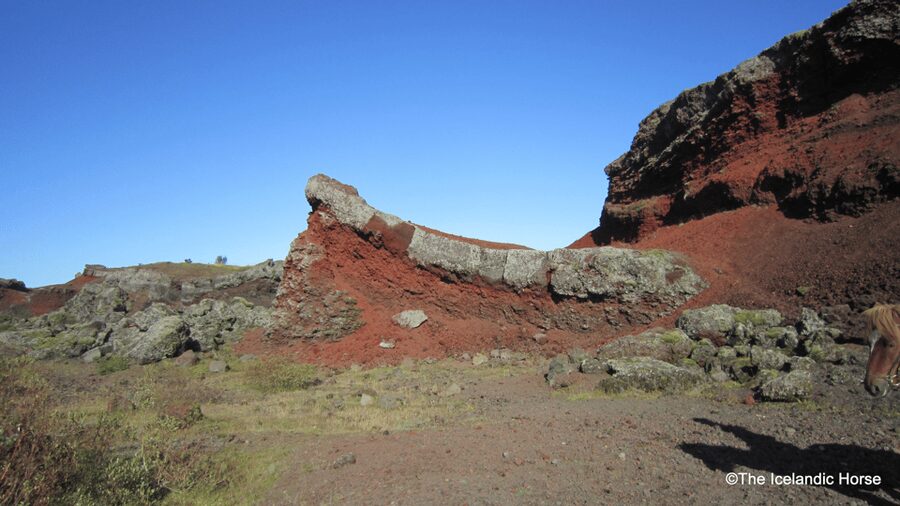
- Redhill area viewpoints: Big Iceland views from horseback, near Reykjavik
- All-weather riding clothing included: Rain clothes, overalls, gloves, and shoes help you stay comfortable
- Small group cap of 8: More attention, fewer people to manage at the saddle
Back in the saddle on an Icelandic horse
- Reykjavik: Red Lava Horse Riding Tour★ 4.8 · 2,383 reviews
- Icelandic Horse Riding Tour & Pickup Option from Reykjavik★ 4.8 · 1,662 reviews
- Icelandic Horseback Riding Tour with Pickup Option from Reykjavik★ 5.0 · 1,145 reviews
Icelandic Horse Riding Near Reykjavik: What You’re Really Buying
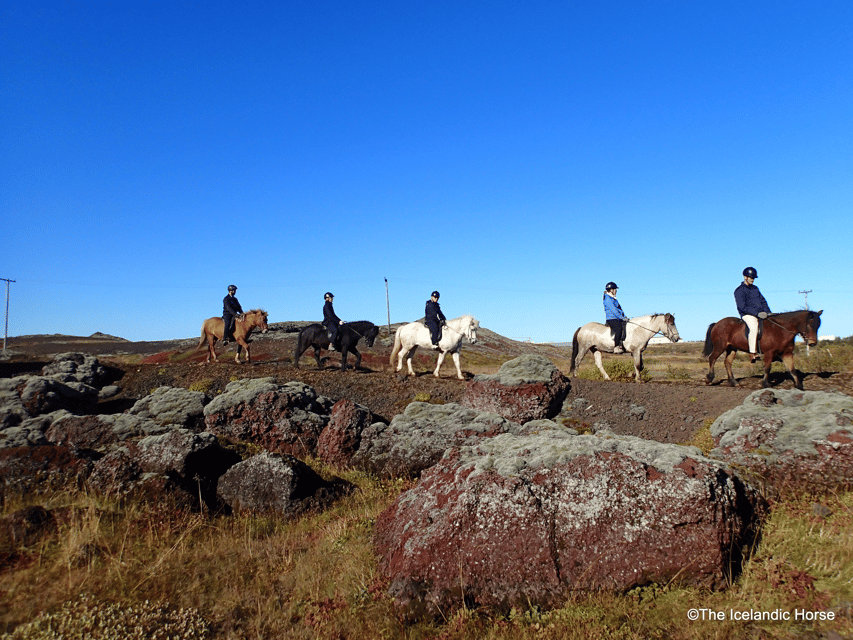
At $200 per person for about 2 hours, this isn’t a cheap activity. The value comes from what’s included and what you’ll do with it: you’re not just buying a seat on a horse. You’re buying a guided session that starts with a short how-to briefing, then matches you with a horse suited to your experience, and finally takes you out for 1 to 1.5 hours of riding at a relaxed pace.
That coaching piece matters. Several riders highlight that the instruction feels practical, and that the guides keep checking in so you’re comfortable in the saddle. When you’re new, that reduces the stress. When you’ve ridden before, it still helps because Icelandic horses aren’t all the same as the warmbloods or other breeds you may be used to.
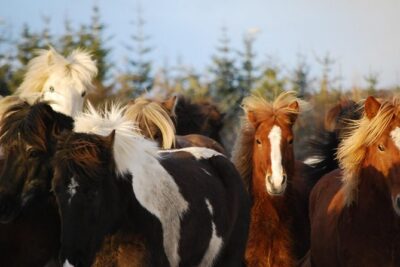
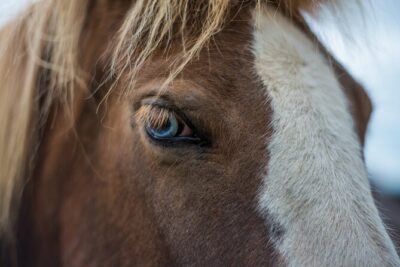
The other big value driver is the Icelandic horse itself. These horses are known for their special gait—most often described as tölt—which many people find fun because it can feel smoother and more “forward” than a typical walk. If you’re coming to Iceland specifically for an experience that’s hard to find at home, this is one of the more direct bets.
Entering the stables: how the briefing sets you up fast
The tour starts at stables about a 10-minute drive from central Reykjavik. When you arrive, look for the boom barrier gate at the parking area with many horse trailers. Then you simply wait until the gate opens—no complicated maze, just follow the setup on site.
Before you go out, you get a briefing focused on handling your horse so you feel more natural quickly. In plain terms, it’s about making sure you know what to do when the horse responds to your cues, and what not to do when nerves kick in. The guides aim to keep you safe and comfortable the whole time, and they’ll answer questions as they pop up.
If you’ve ever been around horses, you know they can sense tension. That’s why the first few minutes matter. If you come relaxed, pay attention, and ask questions up front, you’ll usually enjoy the ride more—because you’re not spending the whole outing second-guessing what your hands and legs should be doing.
And yes, they’ll assign horses based on rider level. That’s a big deal on a mixed-experience group. It means the ride is more likely to feel manageable for first-timers, while still being fun for people who’ve ridden before.
The 2-hour rhythm: instruction, mounting, then the real ride
Even though the total duration is listed as 2 hours, the time you spend in the saddle is shorter. Each ride typically lasts between 1 and 1.5 hours, after the briefing and gear prep.
Here’s what that usually feels like:
- You arrive, get settled, and meet your guide.
- You receive instruction for handling and riding basics.
- You meet your assigned horse.
- You head out into the volcanic terrain near Reykjavik.
- You ride at a relaxed pace, then return to wrap up.
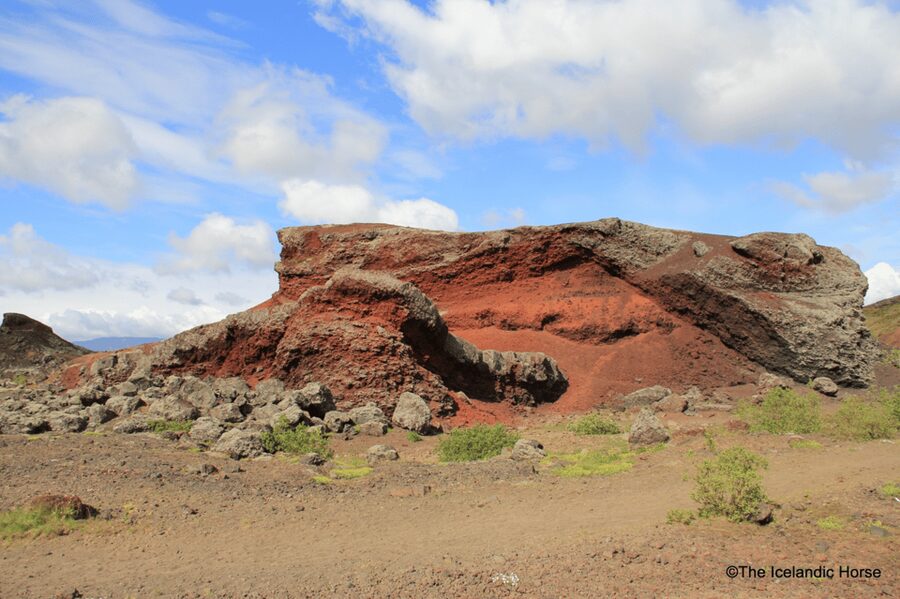
Because the ride portion is capped, the pace stays controlled. That’s good if you don’t want a long, tiring trek. It’s also good if the group includes beginners. You still get a meaningful taste of Iceland’s terrain—especially the glacier-and-volcano-shaped features you can spot around the Redhill area—without turning the outing into a full-day endurance event.
If you’re hoping for hours of off-trail exploration, this won’t be that. But if you want a high-quality Icelandic horse experience without burning half your day, the timing is a sweet spot.
Redhill and volcanic terrain: what you’ll see from the saddle
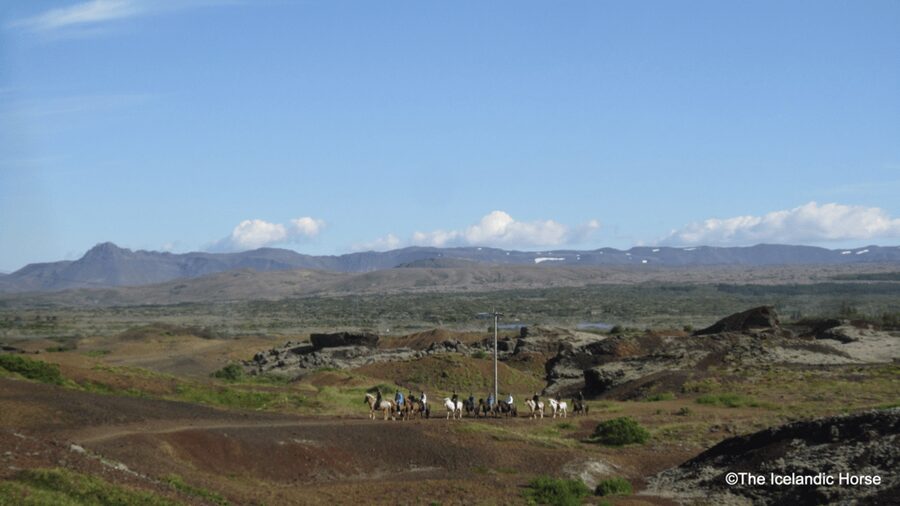
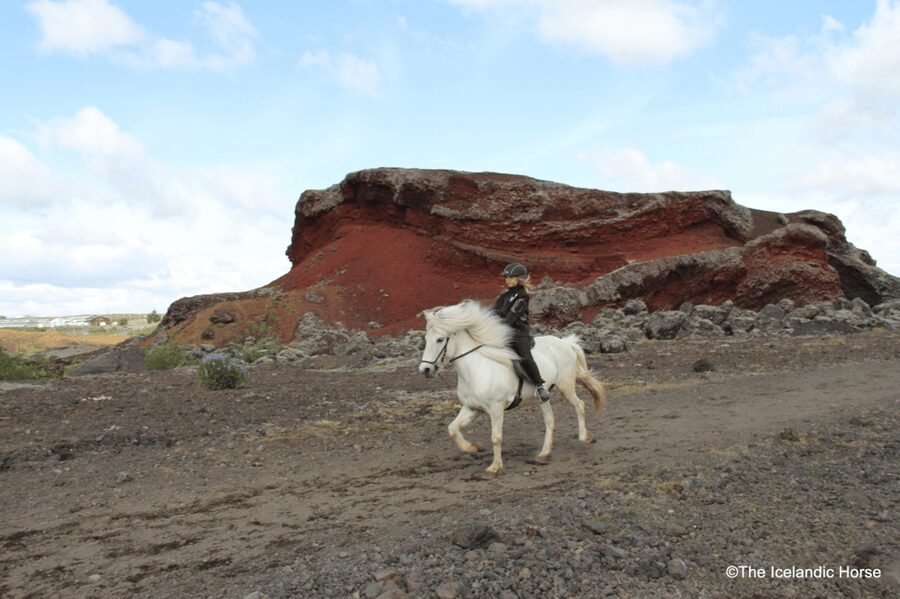
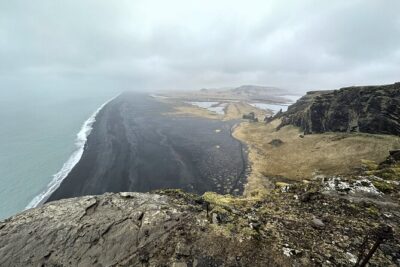
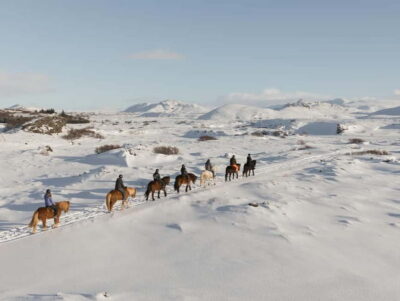
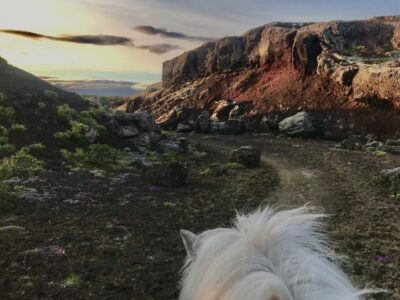
The ride takes you through dramatic country carved by glaciers and volcanoes, around the Reykjavik area. The Redhill area is specifically called out as a highlight, and this is where horseback riding actually feels worth it: you’re high enough to see the terrain open up, but close enough to notice details like color shifts in the hills and the textures of volcanic ground.
This is also where the Icelandic horse’s gait really becomes part of the experience. When the tölt kicks in, you’ll feel how it changes your rhythm. It’s not just about getting from A to B—it turns the ride into something you can pay attention to with your whole body. Riders who had never tried it often describe the tölt as a standout moment.
One more practical note: because the terrain is outdoors and Iceland doesn’t always do “predictable,” expect uneven footing. Even with a relaxed pace, you’ll be shifting your weight naturally. The guide and your horse do most of the work, but your role is still to stay calm, follow directions, and keep moving smoothly when you need to adjust.
Worth a look alongside this Reykjavik pick:
Gear that matters in Iceland: staying warm without overpacking
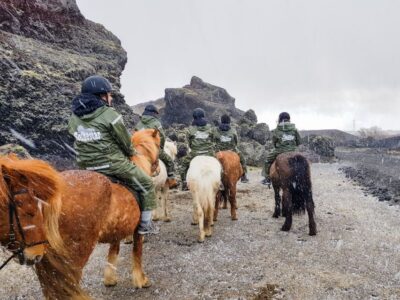
Good horse tours in Iceland plan for weather. This one does it for you. All riding gear is provided, including rain clothes, overalls, gloves, and shoes.
That’s a huge value item you’d otherwise have to figure out. If you’ve ever paid for “warm boots” and then realized you didn’t actually need them later, you’ll appreciate this setup. You can arrive without a full wardrobe plan, because the essentials for wet and cold conditions are already handled.
In rainy or muddy conditions, the overalls and rain gear help you avoid that miserable middle state where your clothes feel damp but you can’t get dry. Gloves also keep your hands warm and more sure on the reins. And shoes designed for riding reduce the chance that you’ll feel clumsy when mounting or adjusting your position.
If you’re the type who gets hot easily, you may still want to wear layers you can manage. Since you’ll be outside, the goal is comfort, not overheating.
Small group size: why max 8 helps the whole experience
Max 8 participants is a quiet superpower here. In a small group, the guide can:
- match horses more thoughtfully to your level,
- spot discomfort early (especially for first-time riders),
- and keep safety instructions clear without repeating them constantly.
Many riders mention individualized attention, plus the sense that the guides are encouraging. That encouragement isn’t just motivational talk. It’s operational. When you’re figuring out how your horse responds, quick coaching makes a difference.
There’s also a social benefit. You’ll feel part of a group, but not swallowed by it. In Iceland, that matters—because you’re going to remember the ride, not just the fact that you were in a crowd.
Safety and rules: the real deal for calm, controlled riding
Horseback riding isn’t risk-free. The operator’s safety statement is clear: you should use a riding helmet, inform the company about any illnesses or poor health, and do not get on horseback under the influence of alcohol or drugs.
The safety behavior rules are also specific:
- you cannot make sudden noises,
- you can’t scream,
- you can’t wave your hands or make sudden movements on the horse.
That might sound strict, but it’s practical. Horses can startle, and startled horses don’t care that you’re on vacation. The guides do their part by pairing you with the right horse and monitoring the group. Your part is to stay steady and follow instructions quickly.
If you’re traveling with someone who’s nervous around animals, this tour’s coaching style may still work, but set expectations: calm behavior helps the whole ride go smoothly.
Guides and personality: Begga and Sveinn’s hands-on approach
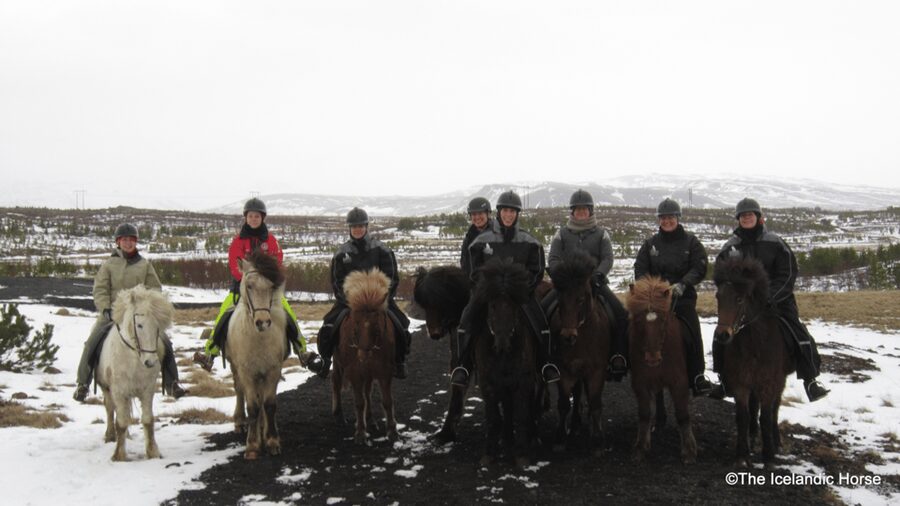
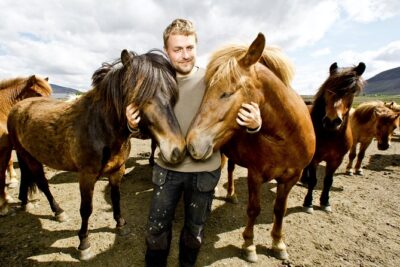
A big reason this experience gets such strong word-of-mouth is the human factor. Riders specifically mention owners Begga and Sveinn, and how they combine clear instruction with warm, funny energy.
In some cases, other guides are mentioned as well—like Inga or Christian—so your guide might vary by day. But the pattern stays the same in the stories: they teach you how to ride, they keep you safe and comfortable, and they make time to answer questions.
One extra perk that shows up in rider feedback: the guides often take lots of photos and videos, so you don’t have to juggle a camera and steering your own attention. This is one of those “small” details that makes the ride feel easier, because you’re fully present with the horse and the scenery outside the saddle.
Tölt on purpose: why the gait is the main event
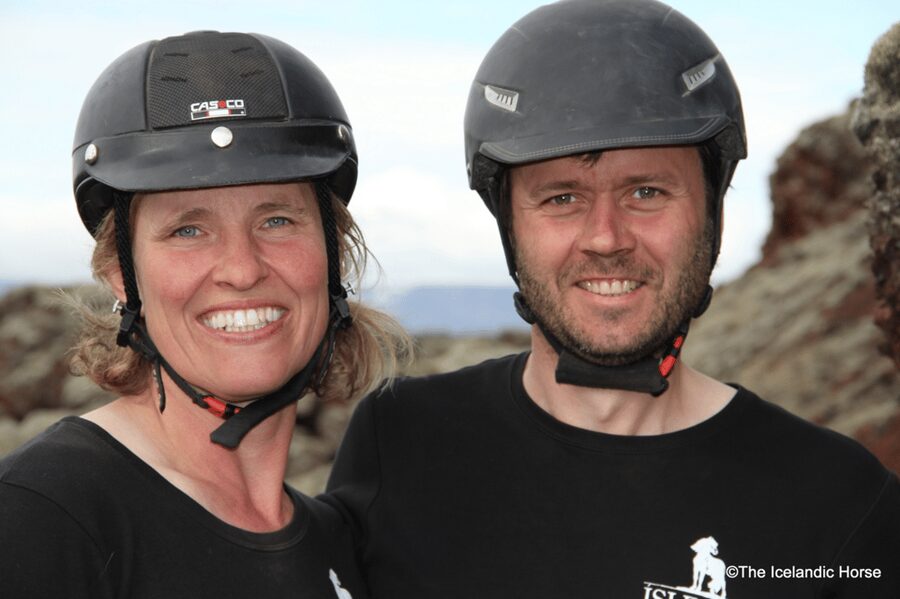
Plenty of horseback rides are about moving through scenery. This one leans into what makes Iceland special: Icelandic horses and the tölt gait.
You’ll ride at a relaxed pace, but the goal isn’t just a slow walk. Riders highlight that they get to tölt during the outing, and they describe it as fun. For many people, it’s also what makes the experience feel distinctly Icelandic rather than “just another horse ride.”
If you’re a first-time rider, don’t worry about trying to force the gait yourself. Your guide and the horse do most of the work once you’re following the instruction. Your job is to stay balanced and respond to cues. Once you feel it, you’ll understand why people keep talking about it.
And for experienced riders, it’s still worth it. Icelandic horses aren’t standardized like riding schools in every country. The way they move and how they respond can feel different from what you’ve trained on elsewhere.
Price and value: is $200 for 2 hours fair?
Let’s do the practical value math. You’re paying $200 per person for:
- a guide (English),
- a small group (up to 8),
- horse assignment based on experience,
- instruction before you ride,
- 1 to 1.5 hours of riding,
- and full riding clothing: rain clothes, overalls, gloves, and shoes.
That’s a lot of “handled for you” compared to activities where you still have to rent gear, figure out how to manage equipment, or navigate a larger group with less coaching.
So is it worth it? If you want an authentic Reykjavik-area horse experience that’s built around Icelandic horses (and tölt), and you value safety-first guidance in a small group, yes. You’re paying for quality and for the fact that the experience is designed to work even if you’re not an expert rider.
If you only want a short animal encounter with minimal instruction, you might feel the price more. But if you’re excited about riding Icelandic horses near Redhill, this is the sort of excursion that tends to land as a highlight.
Also worth noting: the tour operator reserves the right to cancel orders if necessary, for example due to weather conditions. Iceland can be unpredictable, and the value here is tied to riding conditions being safe.
Who should book this Reykjavik horse ride near Redhill
I’d book this if you:
- want a distinctive Iceland activity close to Reykjavik,
- like guided instruction and want to feel supported,
- are excited to experience the Icelandic horse gait (tölt),
- and prefer a small group rather than a big bus-style experience.
I’d think twice if you:
- hate cold, wet conditions and don’t handle mud well (the ride can still happen in rain),
- are uncomfortable with rules that keep the horse calm (no sudden movements/no intoxication),
- or you’re outside the age limit (minimum is 12 years).
Should you book it?
If you’re choosing between “a horse ride” and “an Icelandic horse experience,” this one is closer to the second. The combination of small-group attention, matching you with an appropriate horse, and the tölt-focused feel is what makes it work. Add in the included rain gear and the fact that guides like Begga and Sveinn bring real teaching energy, and you get a tour that feels both fun and well-run.
If Iceland weather has you nervous, plan layers and embrace the fact that muddy ground is part of the real outdoors here. If you go in calm, listen during the briefing, and follow the safety rules, this is an experience you’ll remember for the horse—and for how different Icelandic riding feels once the tölt starts.
FAQ
How long is the horse riding tour from Reykjavik?
The total tour duration is about 2 hours, with riding typically lasting between 1 and 1.5 hours.
Where do we meet for the tour?
You’ll arrive at a parking place with many horse trailers and a boom barrier gate. Wait there until the gate opens.
Is there an age limit?
Yes. The tour has a minimum age limit of 12 years.
What riding gear is provided?
The operator provides riding gear, including rain clothes, overalls, gloves, and shoes.
Will this work if I’m a beginner?
Yes. You get a briefing on handling your horse so you feel comfortable in the saddle, and the Icelandic horses are assigned based on each participant’s level.
Is alcohol or drugs allowed?
No. Intoxication is not allowed, and you cannot be under the influence while on horseback.
Can I cancel for a full refund?
Yes. Free cancellation is available up to 24 hours in advance for a full refund.
More Tours in Reykjavik
More Tour Reviews in Reykjavik

More Rides on the Icelandic Horse
Fresh off the road around Reykjavik
Icelandic Horse Riding Tours, compared.
 ★ 4.8Red Lava Horse Riding TourFrom $1422,383 reviews
 ★ 4.8Icelandic Horse Riding Tour & Pickup Option from ReykjavikFrom $1351,662 reviews
 ★ 5.0Icelandic Horseback Riding Tour with Pickup Option from ReykjavikFrom $1331,145 reviews
 ★ 5.0Icelandic Horseback Riding Tour Including Pick Up from ReykjavikFrom $152784 reviews
 ★ 5.0Red Lava Horse Riding Tour From ReykjavikFrom $139386 reviews
 ★ 4.7Small-Group Horse Volcano Riding Tour with PickupFrom $191196 reviews
 ★ 4.5Viking Horse Riding and Golden Circle Tour from ReykjavikFrom $213151 reviews
 ★ 4.7Hveragerdi: Reykjadalur (Hotspring Valley) Horse Riding TourFrom $142148 reviews
Browse the lists this tour appears in