

Reviewed · REYKJAVIK CITY SIGHTSEEING
Reykjavik City Card 24-hour
A city pass that actually gives options. The Reykjavík City Card 24-hour is interesting because it lets you mix museums, art, and geothermal pools in one day, without forcing a strict route. I like the sheer variety across stops (from the National Gallery to the zoo and multiple sundlaugar) and the fact that you can also use public transport rather than renting a car. One drawback to plan around: the included bus can be slower and less convenient than expected, and some venues have limited hours, so you’ll want to choose your targets carefully.
If you want the card to work smoothly, treat it as admission + bus access, not a hop-on hop-off style tour. You’ll swap your digital voucher for a physical card at locations in Reykjavík, and then you can use it for free entry at participating sights and for rides on the Straeto bus system.
In This Review
- Key things to know before you go
- Reykjavik City Card 24-hour: what you’re really buying
- Price and logistics: where people get tripped up
- Where to start: building a walkable museum day in Reykjavik
- Art power: National Gallery, Hafnarhús, Kjarval and the photography stop
- National Gallery of Iceland (Listasafn Íslands)
- Reykjavik Art Museum Hafnarhus (Hafnarhús)
- Reykjavik Museum of Photography
- Reykjavik Art Museum Kjarvalsstaðir
- Reykjavik Art Museum – Asmundarsafn (Ásmundur Sveinsson)
- Gerdarsafn Kopavogur Art Museum
- Culture House and smaller museum spaces
- Iceland’s story on land and sea: National Museum and Settlement Exhibition
- National Museum of Iceland
- The Settlement Exhibition (Reykjavík 871±2)
- Reykjavik Maritime Museum
- Beyond Reykjavík’s streets: Árbær Open Air Museum
- Videy Island ferry: nature with modern art (and a winter planning warning)
- Kopavogur’s Natural History Museum: geology and Iceland’s animals
- Thermal pools at Reykjavík’s sundlaugar: your best plan B
- The zoo and family park: fun, but plan for seasonal limits
- Straeto buses and walking: get around without relying on the schedule
- Who should buy the Reykjavík City Card 24-hour
- Should you book the Reykjavík City Card 24-hour?
- FAQ
- What does the Reykjavík City Card 24-hour include?
- How much does the 24-hour card cost?
- How long is the card valid?
- Do I need to swap a voucher to use it?
- Which transport is included?
- Is the ferry to Viðey Island included?
- How many thermal pools can I visit?
- Are some museums closed for part of the day?
- Can I cancel for a refund?
Key things to know before you go
- Free entry is the main value driver: museums, the family zoo, and several thermal pools are covered.
- Art + history are easy to stack: many stops are downtown or near downtown, which makes walking practical.
- Don’t build a plan that depends on the bus: some stops require more time, and ferry connections can be tricky in winter.
- Museum hours can narrow your day: plan for venues that open later or close around late afternoon.
- Thermal pools are a smart reset: they’re an easy way to recharge when the weather is gray.
More of the capital in a single morning
- Reykjavik Walking Tour – Walk with a Viking★ 4.5 · 1,018 reviews
- Reykjavík City Card★ 4.3 · 964 reviews
- City Sightseeing Reykjavik Hop-On Hop-Off Bus Tour: 24 or 48-Hour★ 3.0 · 839 reviews
Reykjavik City Card 24-hour: what you’re really buying
This card is best understood as a tool for saving money while you keep your day flexible. For one set price, you get free admission to a wide range of Reykjavík-area museums and attractions, plus entry to multiple public thermal pools. You also get transport help via the Straeto public bus system.
At $47.88 per person, the value depends on your style:
- If you’ll visit several paid venues in a day (especially museums and pools), it adds up fast.
- If you only want one or two stops, you might spend more time than money.
The card is listed as 24-hour, and the duration is shown as about 2 days in the booking info, so I’d treat it as: you’ll have enough time to see multiple sights, but you still need a plan. With the weather changing quickly in Iceland, that “pick what you feel like” flexibility is a big deal.
Price and logistics: where people get tripped up
The card’s promise is simple: use it for admissions and bus fares. The tricky part is expecting it to behave like a typical sightseeing ticket.
Here’s what matters in real life:
- You must swap your digital voucher for a physical card before you can use it for admissions.
- The included transport is public transit (Straeto), not a dedicated tour bus with English-speaking guidance.
- A few common snag points show up in practice: bus access that’s mostly convenient downtown, museums that don’t open immediately in the morning, and some connections (especially ferry logistics) that don’t line up with bus stops exactly.
If you’re traveling in winter, be extra careful. One experience example included the ferry to Viðey Island being paid by the card, but the bus not reaching the right pier for that season—forcing a taxi detour.
Where to start: building a walkable museum day in Reykjavik
A lot of the included stops cluster around central Reykjavík and nearby areas, which is what makes this card work well. When you’re walking, you control your pace. When you’re waiting for buses, you’re at the mercy of schedule and route placement.
So my approach is: pick a neighborhood and aim for 3–5 nearby sights before you cross town. You’ll save time, and you won’t lose half your day to transit.
If you want a simple structure:
- Morning: one indoor museum that opens earlier.
- Late morning/afternoon: art museum(s) and a photography or culture stop.
- Afternoon break: thermal pools.
- Evening: a history site or the last art stop that’s still open.
Also watch climb-and-stairs realities. One person found the photography museum didn’t open until 13:00, after climbing flights of stairs—so if you’re sensitive to timing, check opening times for each stop you care about.
Art power: National Gallery, Hafnarhús, Kjarval and the photography stop
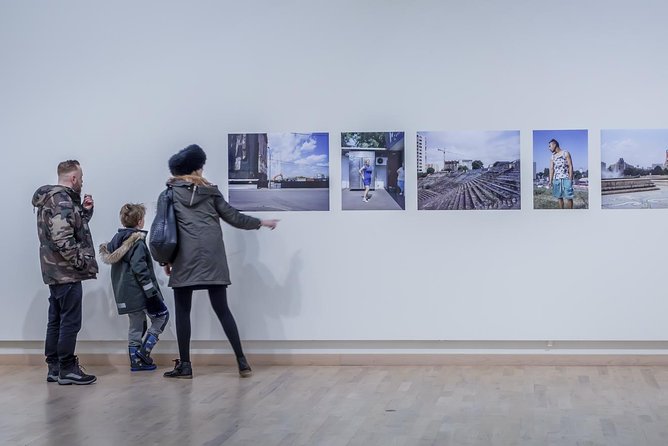
If you love art, this card is built for you. The itinerary includes multiple art-focused museums across modern Icelandic and international work, so you can stay dry and still feel like you’re seeing something meaningful.
Here’s how to think about each art stop:
Worth a look alongside this Reykjavik pick:



National Gallery of Iceland (Listasafn Íslands)
This is the big one for painting and major collections. It emphasizes 19th and 20th century Icelandic art, with notable international artists also represented. If you want a “serious art foundation” in one visit, this is where to start. Plan about an hour.
Reykjavik Art Museum Hafnarhus (Hafnarhús)
Inside an older harbor warehouse in the oldest part of the city, Hafnarhús focuses on contemporary exhibitions. It’s also tied to Erró, a notable pop art figure, and the building itself adds atmosphere. Two hours is a good target here because you’ll likely want to look longer.
Reykjavik Museum of Photography
This one is about Icelandic photography, plus international photographers, often framed with historical and social context. It’s typically a one-hour stop, but timing matters because one experience reported a later opening at 13:00, so you may want to confirm hours before you commit your whole day.
Reykjavik Art Museum Kjarvalsstaðir
This museum centers on Jóhannes S. Kjarval, Iceland’s influential modern artist. The building is also worth a glance: it’s Nordic modernism with floor-to-ceiling windows looking toward Klambratún Park. Great if you want art plus a scenic pause.
Reykjavik Art Museum – Asmundarsafn (Ásmundur Sveinsson)
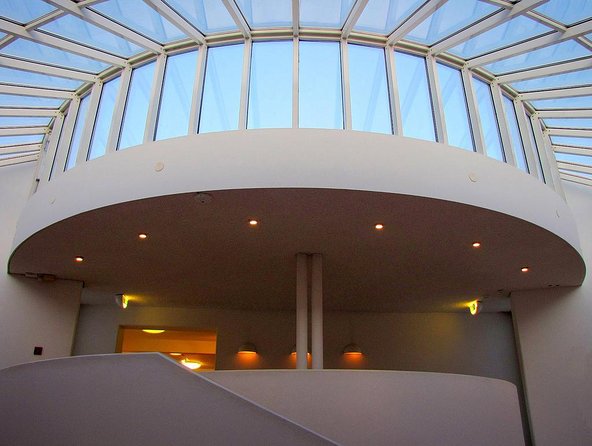
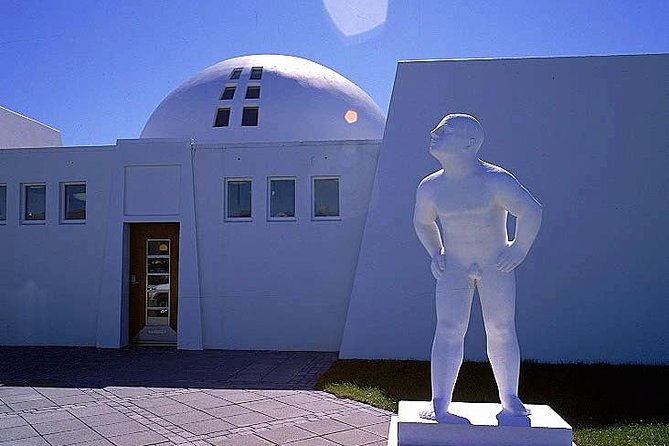
You get an artist-designed building and sculpture garden setting. The white dome structure wraps around Sveinsson’s sculptures, and the interior is described as being inspired by vernacular Mediterranean architecture. It feels more “experience” than quick gallery stop, even if you only spend about an hour.
Gerdarsafn Kopavogur Art Museum
This is modern and contemporary art with temporary exhibitions, and it’s in Kópavogur (so it may not be as walkable from the core of downtown). If you’re an art-hunting type, this gives you another different taste beyond the city-center museums.
Culture House and smaller museum spaces
- The Culture House runs a permanent exhibition called Points of View, tied to six major Icelandic cultural institutions and showing artworks alongside archives like books and maps.
- Aðalstræti 10 is part of Reykjavík City Museum (one museum spread across five places). It’s short—about 30 minutes—so it’s a good “filler” stop between bigger museums.
- Sigurjón Ólafsson Museum is about one sculptor’s work, set in what used to be his studio at Laugarnes, converted into a museum.
A useful takeaway: art museums here aren’t just decoration. They help you understand how Iceland talks about identity—through modern painting, pop art, sculpture, and photography.
Iceland’s story on land and sea: National Museum and Settlement Exhibition
If you want cultural context without reading a whole library, these history stops do the job fast.
National Museum of Iceland
This covers Icelandic cultural history through objects and displays that connect past, present, and future. If you only do one history museum, this is a strong candidate. Budget about an hour.
The Settlement Exhibition (Reykjavík 871±2)
This is one of the most specific stops on the list. It focuses on early Reykjavík settlement theory and ties the story to excavated remains, including a hall inhabited from 930–1000 and turf/wall remnants built shortly before 871. It’s the kind of place where your questions get sharper as you see how archaeology shapes the narrative.
This stop tends to work well with the National Museum because they both help you build a mental timeline quickly.
Reykjavik Maritime Museum
Iceland’s fisheries are a huge part of modern life, and this museum tells that story through Reykjavík’s role as the biggest fishing port. It also sits in a building that once housed a fish factory, which makes the exhibitions feel grounded. One hour is enough for the core story, especially if you’re balancing it with other stops.
Beyond Reykjavík’s streets: Árbær Open Air Museum
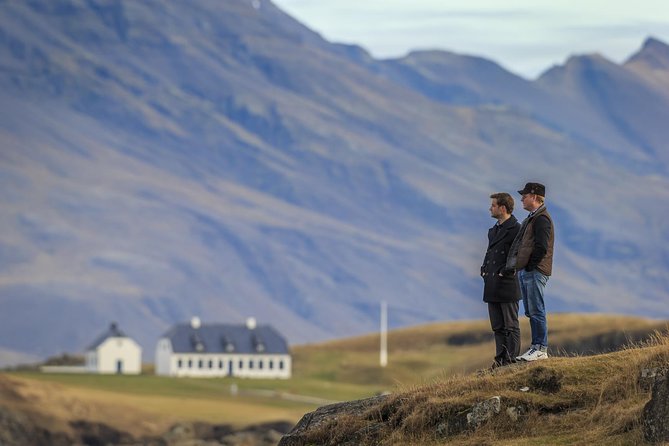
Árbær Open Air Museum is your slow-down stop. This isn’t about a single building; it’s about stepping into a farm-town layout with more than 20 buildings that form a town square, village, and farm. Many buildings were relocated from central Reykjavík, which means you’re seeing how places used to function, not just how they look now.
It’s listed at 3 hours, and that matches the experience. If you’re sprinting, you might feel stretched here. But if the weather turns rough, an outdoor museum can still be worth it if you’re dressed for wind and cold.
Videy Island ferry: nature with modern art (and a winter planning warning)

Viðey Island adds an extra layer to this card: modern art in an unspoiled natural setting, plus birdlife. The island also has a place in Icelandic history, which makes it more than a casual outing.
The card includes admission at this stop, and in at least one documented winter experience, the ferry cost was covered by the card. Here’s the key caution: the bus didn’t connect to the pier needed in December (Skarfabakki Pier), leading to a taxi detour and a hike back when other taxis couldn’t find the terminal.
So my practical advice is:
- In winter, don’t treat the ferry as a guaranteed “easy bus ride.”
- Build buffer time, or consider alternate transport planning for the pier itself.
If you’re traveling in milder months, the situation may be easier, but you still want to know exactly how you’ll get to the ferry departure point.
Kopavogur’s Natural History Museum: geology and Iceland’s animals
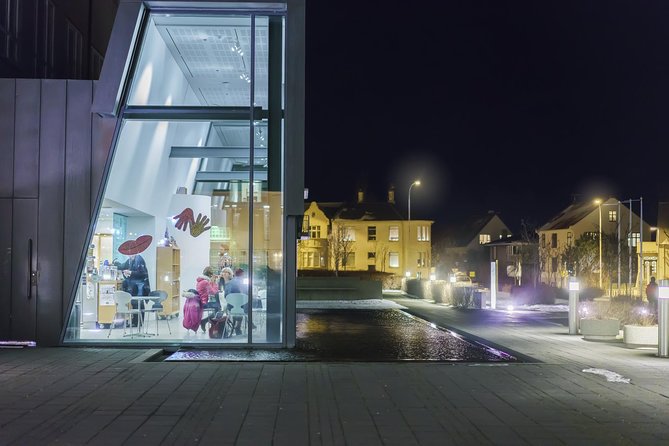
Not all indoor stops need to be art-based. The Natural History Museum of Kopavogur splits into:
- a geological section focused on Iceland’s formation, rocks, and minerals
- a zoological section focused on Icelandic birds, mammals, fish, and invertebrates (with a few exceptions)
If you like learning in a practical, science-forward way, this is a great change of pace from museums and sculptures. Staff guidance is available and is free if you request it, and it can be adapted based on interest, age, and language.
Thermal pools at Reykjavík’s sundlaugar: your best plan B
This is where the city card often becomes more than a discount. Iceland’s public thermal pools are a culture match: you warm up, you reset, and you feel like you’re doing something very local.
The card includes admission to 8 thermal pools (sundlaugar). The stops on the list include:
- Grafarvogslaug
- Arbaejarlaug
- Laugardalslaug
- Breiðholtslaug
- Dalslaug
- Íþróttamiðstöðin á Klébergi (Klébergslaug)
- Sundhollin Public Baths
- Vesturbaejarlaug
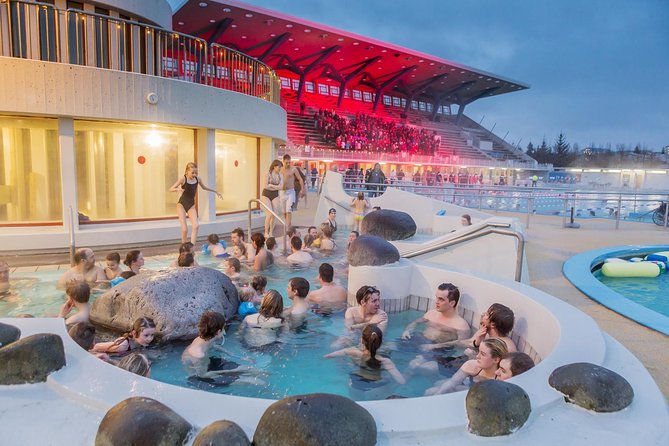
These pools are heated with geothermal water and typically offer steam baths, saunas, hot tubs, and jacuzzis. You’ll also see one consistent detail across the pool listings: safety training and regular instruction for staff.
Practical tip: pools can become your day’s anchor. If museums close early or buses delay you, you still have a reliable activity that fits Iceland’s rhythm.
The zoo and family park: fun, but plan for seasonal limits
The Reykjavík Family park and Zoo is included, and it’s more varied than you might guess. It’s not just petting-animal vibes—there are Icelandic farm animals, mammals from Icelandic wildlife, and even a small exhibition of reptiles, amphibians, and insects.
It’s listed at about 2 hours, and it can be a great family stop when the day needs something lighter.
But take winter into account. One experience described the zoo as closed when visiting on the bus during winter conditions. So in colder months, I’d avoid making the zoo your only must-do, and I’d keep a museum option ready as Plan B.
Straeto buses and walking: get around without relying on the schedule
Transport is included, but the story is about how you use it.
The card supports Straeto bus fares inside Reykjavík. In practice, the bus can be convenient once you’re oriented, but it may not save you time the way you’d hope. One clear pattern: bus stations that are open and useful can cluster around downtown, and the schedule described as around a half hour isn’t always practical for tight museum hopping.
Also, expect communication challenges. There were reports of bus drivers not speaking English and being unhelpful with transfers. The best workaround was help from locals, plus walking when possible.
So my rule is simple:
- Use the bus to connect between neighborhoods.
- Use walking to stitch together nearby museums.
- Always give yourself buffer time around ferry and late-morning starts.
Who should buy the Reykjavík City Card 24-hour
This card is a strong match when:
- you’re time-tight and want to hit several indoor sights quickly
- you’re into art and museum-style learning
- you want geothermal pool time without paying separately at each location
- you’re okay building your day around opening hours (not random impulse stops)
- you’re traveling with family and want a zoo + pool plan
It may be weaker if:
- you’re expecting a dedicated sightseeing vehicle or easy tour guide experience
- you’re planning a winter ferry outing and counting on the bus to drop you at the exact pier
- you only want one or two attractions (value depends on stacking enough covered stops)
Should you book the Reykjavík City Card 24-hour?
If your goal is to save money and keep your itinerary flexible, I’d book it—especially if you plan to combine museums + at least one thermal pool. The card becomes most worthwhile when you treat it like a menu: choose 3–5 sights in a sensible area, then spend time warming up at the sundlaugar.
If you’re traveling in winter and the ferry to Viðey Island is a centerpiece, double-check how you’ll reach the pier in your travel month. If that connection isn’t easy, you might end up paying extra for a taxi anyway, which reduces the value.
Overall, this is a good buy for first-timers who want a lot of cultural stops without a car, and for anyone who wants Reykjavik’s pools to be part of the plan.
FAQ
What does the Reykjavík City Card 24-hour include?
It includes admission to the family park and zoo, admission to several museums, use of the public bus system in Reykjavík, and admission to several thermal pools.
How much does the 24-hour card cost?
The price is listed as $47.88 per person.
How long is the card valid?
The tour duration is listed as 2 days approximately, and it’s marketed as a 24-hour card.
Do I need to swap a voucher to use it?
Yes. You’ll need to swap your digital voucher for the City Card.
Which transport is included?
The card includes public bus transportation in Reykjavík via the Straeto bus system.
Is the ferry to Viðey Island included?
Yes. The City Card includes the ferry to Viðey Island.
How many thermal pools can I visit?
It provides admission to 8 thermal pools.
Are some museums closed for part of the day?
Many museums have limited hours, and some can open later than you might expect, so it helps to plan around opening times.
Can I cancel for a refund?
Yes. Free cancellation is available, and you can cancel up to 24 hours in advance for a full refund.
More City Tours in Reykjavik



More Tour Reviews in Reykjavik





More of Reykjavik City


Fresh off the road around Reykjavik

Reykjavik City Sightseeing, compared.
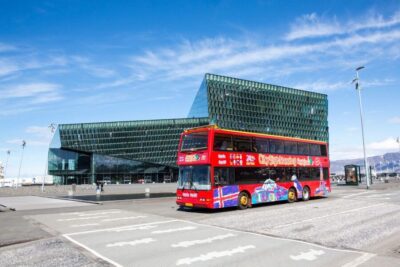 ★ 3.9City Sightseeing Hop-On Hop-Off Bus TourFrom $471,283 reviews
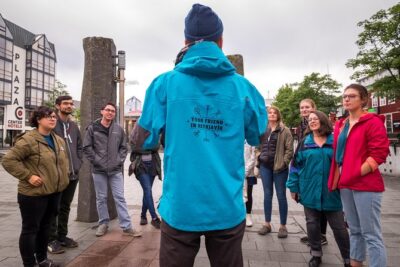 ★ 4.5Reykjavik Walking Tour – Walk with a VikingFrom $551,018 reviews
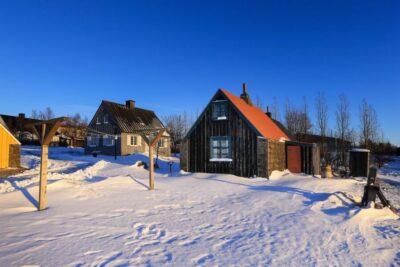 ★ 4.3Reykjavík City CardFrom $40964 reviews
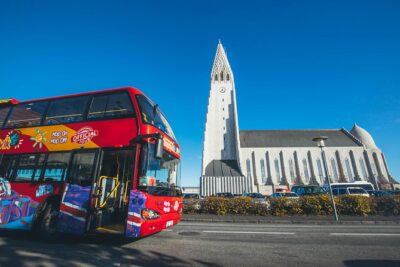 ★ 3.0City Sightseeing Reykjavik Hop-On Hop-Off Bus Tour: 24 or 48-HourFrom $48839 reviews
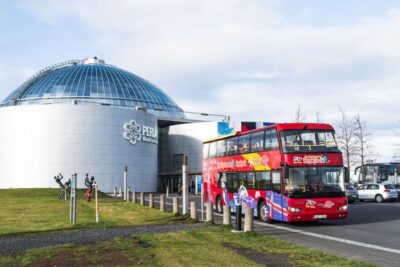 ★ 4.3Hop-On Hop-Off Bus and Perlan Museum Entry TicketFrom $88719 reviews
 ★ 4.0Airport Transfer in Iceland from Keflavik Airport to Reykjavik City With Hotel Drop OffFrom $40464 reviews
 ★ 5.0Walking tour of Reykjavik cityFrom $51416 reviews
 ★ 4.8City Walking tour in Small Group with Local GuideFrom $51380 reviews
Browse the lists this tour appears in