
Reviewed · AUDIO TOURS
Private audio guide of the island for self-exploration tour
A recording can’t replace Iceland’s drama. This one adds context. You get Iceland Complete with GPS-triggered facts at 342 stations, and it can run through your rental car audio as you drive. I especially like the way it explains what you’re looking at—tectonics on the Reykjanes Peninsula, geothermal systems at Seltún, and the stories behind big-name sights like Gullfoss and Geysir. One thing to keep in mind: it depends on the app setup working with your car radio, so you’ll want to test it early.
This is a private, group-sized audio setup (up to 5 people) from AOYO Audioguides, meant for self-exploration from your phone—no live guide on board. What you get feels built for road trips: you’ll receive access to the app and the guide, the audio works offline, and the stations cover history, nature, language, and people, not just attractions. The potential snag is simple: if you were expecting a spoken, step-by-step tour with transport, this is still an audio companion, not a driver or escort.
If you like driving at your own pace and you want explanations that match your exact surroundings, this is a solid deal. For me, the best part is the sense of narration matching Iceland’s scale: plate boundaries, volcano timelines since 2021, and even regional details from places like Húsavík and Westfjords museums. If you mostly want “what to do next” logistics, you might prefer a traditional guided tour.
In This Review
- Key points you’ll feel on the road
- How the audio guide works in real life (app, car radio, GPS)
- Price value: $30.08 per group can be a bargain or a trap
- Stop-by-stop: what the 8-day audio route feels like
- Reykjanes Peninsula: Bridge Between Continents + volcanic Iceland since 2021
- Reykjavik and the Golden Circle: place stories plus city context
- South Coast: Seljalandsfoss, Skógafoss, Skaftafell, and glacier lagoon country
- East Iceland: fjords, fishing history, Egilsstaðir, and the Lake Mývatn surprises
- Northern power: Dettifoss in Jökulsárgljúfur and whale-watching Húsavík
- North and West: Akureyri, Westfjords museums, and Dynjandi
- Snæfellsnes and Hraunfossar: Iceland in miniature and Children’s Waterfalls context
- Highlands zones: Kjölur, Sprengisandur, Hveravellir, Landmannalaugar, and changing terrain
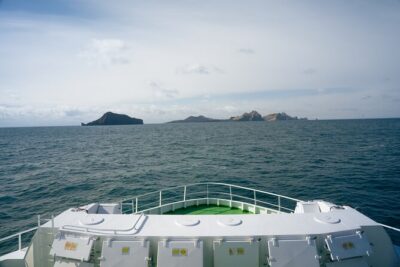
- Westman Islands: Heimaey history at Vestmannaeyjar
- What you’ll learn that you won’t get from a plain sightseeing list
- A few practical tweaks so the audio feels smooth (not annoying)
- Should you book AOYO’s Iceland Complete audio guide?
- FAQ
- How do I access the audio guide after booking?
- Do I need internet for the guide?
- Does the guide play through my rental car speakers?
- How many audio stations are included?
- Is this a guided tour with a person in the vehicle?
- Where does the tour start and end?
- What’s the duration of the experience?
- Is the price per person or per group?
- Are entrances and transportation included?
- Can I cancel for a full refund?
Key points you’ll feel on the road
- 342 GPS-controlled audio stations across Iceland, covering nature, history, and everyday culture topics
- Plays through your rental car radio using an access code for the smartphone connection
- Offline mode works after you install the guide in the associated app
- Made for self-exploration: you follow the audio from place to place rather than a fixed group schedule
- Lots of variety by region, from Reykjanes and Golden Circle to East Iceland fjords, Dettifoss, Westfjords, Snæfellsnes, and the Westman Islands
More days handed to a local guide
- Reykjavik: Whale Watching Tour with Expert Guide★ 4.3 · 2,422 reviews
- The Golden Circle Guided Bus Tour from Reykjavik★ 4.5 · 1,726 reviews
- Reykjavik: Guided Foodie Walking Tour with 6 Tastings★ 4.9 · 1,645 reviews
How the audio guide works in real life (app, car radio, GPS)
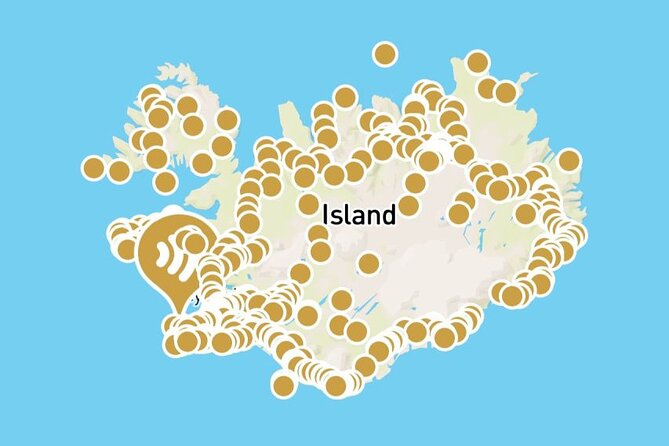
After you book, you should get an email with access to their app and the audio guide called Iceland Complete. It’s worth hunting in spam, because this is the email that makes the whole thing usable. Once you have the access, the guide is designed to behave like a tour guide on your phone: the app uses GPS-controlled triggers, so the right audio starts as you get near each station.
You also have a car-focused setup. The app can connect to your rental car’s audio system, and you’re given a code to link your smartphone to the car radio. That matters if you’re traveling with friends or family because everyone in the vehicle can listen together through the same speakers, instead of passing one phone around.
The guide also works offline. That’s practical in Iceland, where signal can be spotty and you don’t want your audio tied to data. The instructions say offline use is easy to install via the associated app—so plan on installing it before you start driving long distances.
One practical note: the experience is built for self-driving. That means you’re responsible for deciding where you park, when you walk, and how long you stay at each viewpoint. The app can set the mood and explain what’s in front of you, but it won’t replace boots-on-the-ground time.
Price value: $30.08 per group can be a bargain or a trap
The price is $30.08 per group, up to 5 people. If you travel as a pair, it’s still pretty manageable, but the real value comes when you fill the group size. At 5 people, your per-person cost can be very low for 8-ish days of audio content that covers a huge chunk of the island.
The key to judging value is understanding scope. This isn’t a single short attraction guide. The guide covers Iceland with over 340 stations, including major “route pillars” and far-flung regions—Reykjanes, the Golden Circle area, the south coast, the glacier lagoon region, northern highlights, Westfjords, and the highlands zones that many road trips only skim.
Where people sometimes get disappointed with audio packages is expecting them to automatically cover every mile like a guided tour would. This one can play audio as you pass places, but you’re still driving the route, finding parking, and paying for anything not included (like entrance fees, if any apply at the specific sites you choose). So think of this as narration built for self-guided exploring, not as a prepaid itinerary with transport.
Stop-by-stop: what the 8-day audio route feels like
The itinerary is listed as pass-by stations. That’s a good thing. Iceland is full of short photo pull-offs and long stretches between them. Pass-by audio means you can keep moving while still getting explanations at the right moments.
Reykjanes Peninsula: Bridge Between Continents + volcanic Iceland since 2021
Your early route learning kicks off with stations around Iceland itself and then straight into geology at the Bridge Between Continents. Here, you’re told about the tectonic features of the Reykjanes Peninsula and you stand directly above the rift between the North American and Eurasian continental plates. This is the kind of stop where an audio guide helps you turn a dramatic viewpoint into a clear mental map.
Next comes Fagradalsfjall Volcano. Since 2021, the Reykjanes Peninsula has been volcanically active again, with multiple eruptions. The guide adds more about what’s going on, which is important because Iceland’s volcano news can feel abstract unless you get the timeline and location context.
Then you hit the Seltún Geothermal Area. The audio focuses on volcanic systems and hot spring areas. Even if you don’t consider yourself a geology person, this type of explanation makes the steam, color changes, and ground textures feel readable instead of random.
Practical consideration: Reykjanes is where weather can switch fast. Plan to pull in and start audio when the conditions are manageable. You’ll get the most out of these stations when you can actually look around while the explanation plays.
Just your group: more private days out



Reykjavik and the Golden Circle: place stories plus city context
There’s Reykjavik audio in the mix, including mentions that the app has a separate Reykjavik city tour with over 60 stops. If you’re doing a more serious city plan, it’s useful to know the app can expand there—but you’re not forced into it. Even on a road trip, it can help to have a few city stations so the capital doesn’t feel like a quick detour between big sights.
The Golden Circle Route appears as an audio layer too, not just individual attractions. That means you get general background about the country, people, and language, plus history. That’s a smart approach because many visitors arrive with vague knowledge and then rush through stops. Audio context helps you slow down mentally, even when your car keeps rolling.
Two standout audio topics here:
- Geysir: you learn that the name comes from Icelandic, and the audio includes the idea of Geysir as the great-grandfather of all geysers.
- Gullfoss: the guide includes the story that 100 years ago it had to be saved by a farmer’s daughter. It’s the kind of human detail that turns a waterfall into a political and cultural moment.
Drawback to consider: the Golden Circle is popular. Even with great audio, you’ll still deal with crowds and limited parking at famous stops. Audio helps your experience, but it won’t change real-world traffic.
South Coast: Seljalandsfoss, Skógafoss, Skaftafell, and glacier lagoon country
South Iceland is where most road-trip energy concentrates, so having audio stations that connect sights is a real help.
At Seljalandsfoss, the guide doesn’t only cover the famous falls. It also talks about the surrounding area and special features on the way there. That matters because Iceland’s south coast is not just one postcard; it’s a chain of “why is this here?” moments.
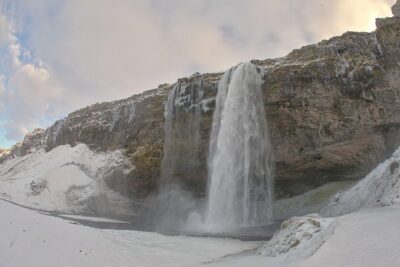
At Skógafoss, the guide gets into the idea of a gold treasure under the waterfall and where to find remains. That gives you a clearer reason to look closely at the area beyond the main viewpoint. (Just remember: the audio gives leads, but you decide what’s safe and what you’re comfortable doing.)
Then you move into Skaftafell National Park. The audio stations cover not just the famous park itself but also special places around it. National parks in Iceland often mean short drives and sudden trail choices, so having context can help you pick which area feels worth your time.
Next is the glacier lagoon region with Jökulsárlón Glacier Lagoon (spelled in your content as Gletsjerlagune Jokulsarlon) and “Diamond Beach,” plus an extra twist: the guide points out there’s another glacier lagoon besides the famous one. That’s valuable because visitors often hear one name and assume that’s the whole story.
Practical tip for you: this part of the route is visually intense. Audio helps, but if conditions are windy or visibility is low, you might want to prioritize driving safely and saving your best listening for moments when you can actually read what the narration is describing.
East Iceland: fjords, fishing history, Egilsstaðir, and the Lake Mývatn surprises
The East Region stations focus on small fishing villages, including the history of fishing, fishing techniques, and fjords of East Iceland. This is where the guide shifts from big-name sights to how people lived with the sea. Even if you’re not stopping at every village, the audio helps you understand why those settlements look the way they do.
Then you reach Egilsstaðir. The stations cover forests and waterfalls in East Iceland and also bring in the Icelandic Loch Ness Monster theme. It’s a reminder that folk stories matter here, not just scientific explanations.
After that comes Lake Mývatn. The guide frames the area as full of surprises and includes the big and small highlights of the region. Mývatn is one of those places where “surprise” is fair—geology, steam, odd shapes, and dramatic weather can make your day feel like a theme park for the eyes. Audio can help you connect the dots without turning the stop into a lecture.
Northern power: Dettifoss in Jökulsárgljúfur and whale-watching Húsavík
At Dettifoss, the guide calls out that it’s Europe’s largest waterfall and also that it’s not the only stop in the Jökulsárgljúfur glacier gorge area. Audio like this is useful because it pushes you to think beyond a single photo moment and consider the broader setting.
Then you shift to Húsavík, described as not only a beautiful place but also the capital of whale watching. If your trip includes whale-watching plans, this audio layer helps you connect the town’s identity to why the activity is common and expected there.
North and West: Akureyri, Westfjords museums, and Dynjandi
In Akureyri, the audio adds more than “here’s a town.” It references tranquil Akureyri, plus background information about the region’s infrastructure, nature, and museums. That’s great for making a stop feel useful, especially if you’re walking around without a fixed plan.
Then comes the Westfjords Region, with over 15 stops and themes focused on extraordinary museums, impressive natural sites, and the magnificent Dynjandi waterfall. Westfjords often feel remote, so museums and local culture can be the difference between simply driving through and actually understanding the place.
Snæfellsnes and Hraunfossar: Iceland in miniature and Children’s Waterfalls context
The guide includes Arnarstapi and covers the Snaefellsnes Peninsula with over 30 audio stations. It even describes the peninsula as Iceland in miniature, which tells you what to listen for: a condensed sampler of Iceland’s styles, from rock forms to coastal moods.
At Hraunfossar, the audio ties the waterfall that flows out of rock to the idea of the Children’s Waterfalls. That’s a classic Iceland trick—naming and folklore that make a natural feature feel personal.
One consideration: this part is best when you give yourself time to stop and look. Audio can explain why you’re seeing something, but it works best when you’re actually standing there long enough to notice what the explanation points out.
Highlands zones: Kjölur, Sprengisandur, Hveravellir, Landmannalaugar, and changing terrain
The highlands stations focus on places and routes like Kjölur and Sprengisandur slopes, plus highland oases Hveravellir and Landmannalaugar. Even if you don’t drive into the highlands yourself, these stations can help you understand why Iceland’s interior feels different from the coast.
Highlands audio is also useful for planning mental expectations. You’ll hear about the idea of oases and the route areas, which can help you choose what kind of day you want: coastal and village, or interior and big empty spaces.
Caution you should take seriously: the guide can explain places, but it can’t tell you road conditions. High travel-risk terrain decisions are still your responsibility.
Westman Islands: Heimaey history at Vestmannaeyjar
The final stops include Vestmannaeyjar, specifically the island of Heimaey, with information about its turbulent history. The audio here helps you treat this as more than a pretty island detour. Iceland’s island communities have stories, and this guide includes them.
What you’ll learn that you won’t get from a plain sightseeing list
This guide’s strength is not just “what to see.” It tries to answer why that place matters. You get:
- Geology explanations tied to named viewpoints (plates at Bridge Between Continents, systems at Seltún)
- A sense of Iceland’s recent volcanic era, including eruptions since 2021 at Fagradalsfjall
- Human-scale stories, like how Gullfoss was saved by a farmer’s daughter
- Cultural threads, like the language origin of Geysir’s name and the Loch Ness Monster storytelling in Egilsstaðir
- Regional identity, including whale-watching context in Húsavík and museums in the Westfjords
That mix is the reason audio works well here. Iceland is not one thing. It’s geology, weather, folklore, and community, all in the same drive.
A few practical tweaks so the audio feels smooth (not annoying)
Here’s how to make this experience feel effortless:
Start testing the audio setup early in your trip. Because the guide can connect to your car radio, you’ll want to confirm the phone-to-radio connection works before you’re deep into long drives. If it does, you’ll get that clean hands-free experience where the audio follows your location.
Download and install for offline use before you rely on it. Since offline is supported and designed to be easy, treat it as part of trip prep rather than something to do while you’re in a parking lot.
Use the pass-by stations as a pacing tool. Instead of forcing yourself to stop everywhere, let the audio decide when you should slow down. Then you decide how much time you want at that viewpoint.
If you’re traveling as a group up to 5, you’ll likely get the best experience from the car-radio setup. Everyone hears the same narration together, which keeps the drive from turning into separate phone listening.
Should you book AOYO’s Iceland Complete audio guide?
Book it if:
- You’re doing a self-drive trip and want GPS-triggered context as you pass sights.
- You like driving your own schedule but still want stories: tectonics, volcanic timelines, and named places explained.
- You’ll share the ride with up to 5 people and want the audio to play through the car speakers.
Skip or think twice if:
- You want a person-led itinerary with step-by-step directions and on-the-ground guiding. This is not that kind of service.
- Your travel style is mostly “drive straight to the next famous stop.” Audio can still help, but you may not use many stations.
- You’d be frustrated if the car-radio audio connection doesn’t work exactly right on day one. (It’s designed for it, but tech can be temperamental anywhere.)
My take: if you can manage your own driving and you like learning while you look, this is a smart way to add depth without paying for a bunch of separate city tours or guidebooks. At the group price, it’s especially hard to beat for the amount of island coverage you’re getting.
FAQ
How do I access the audio guide after booking?
You’ll receive an email after booking with access to their app and the audio guide Iceland Complete. The instructions also advise checking your spam folder.
Do I need internet for the guide?
No. The guide is designed to work offline, and you can install it via the associated app.
Does the guide play through my rental car speakers?
It’s designed to connect to the rental car radio using an access code for your smartphone. That way, information can play through the car audio system.
How many audio stations are included?
You get the full Iceland Complete audio guide with about 342 stations (described as over 340 stations).
Is this a guided tour with a person in the vehicle?
No. This is a private audio guide for self-exploration. There’s no live guide or transportation included.
Where does the tour start and end?
It starts and ends at Keflavík International Airport (address listed as 235 Keflavík, Iceland).
What’s the duration of the experience?
The duration is listed as approximately 8 days.
Is the price per person or per group?
The price is per group, up to 5 people.
Are entrances and transportation included?
No. Vehicle rental, accommodation, entrance fees, and similar costs are not included.
Can I cancel for a full refund?
Yes. Free cancellation is available, and you can cancel up to 24 hours in advance for a full refund.
If you want, tell me your rough driving plan (like Ring Road only, or adding Westfjords/highlands) and I’ll suggest how to use the stations most efficiently so you don’t waste time skipping around.
More Days with a Guide




More Tours in Reykjavik

More Tour Reviews in Reykjavik


Fresh off the road around Reykjavik

Audio Tours, compared.
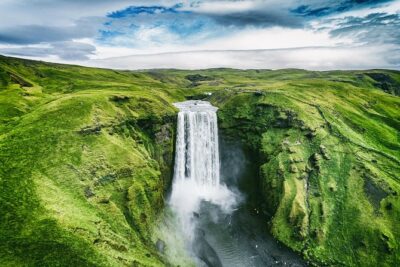 ★ 4.5South Coast Iceland from Reykjavik with Guide & Touchscreen AudioFrom $115330 reviews
 ★ 4.6Hellisheiði Geothermal Exhibition: Entry and Audio TourFrom $2188 reviews
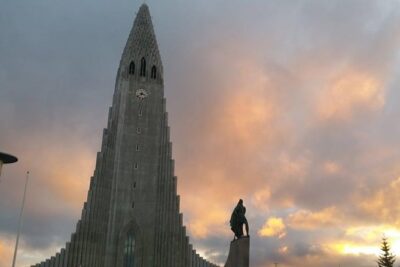 ★ 4.5Reykjavik Main Sights and Hidden Spots: A Self-Guided Audio WalkFrom $1139 reviews
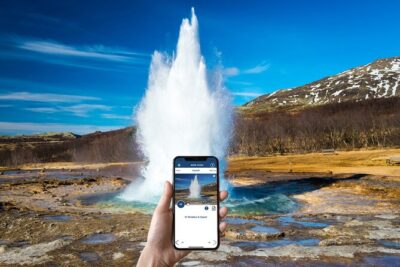 ★ 4.5Iceland’s Golden Circle Self-Guided Audio Driving TourFrom $4938 reviews
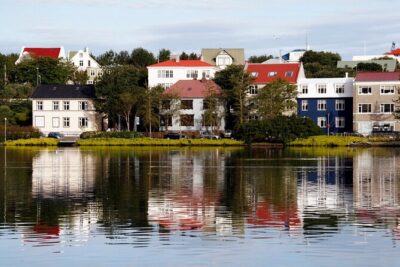 ★ 4.5Reykjavik Scavenger Hunt and Highlights Self Guided Audio TourFrom $98 reviews
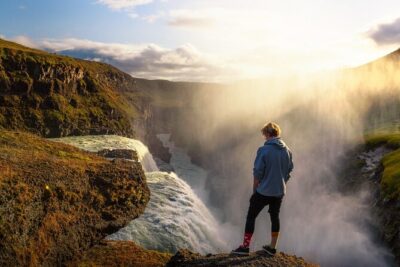 ★ 5.0Self Guided Driving Audio Tour of Iceland Golden CircleFrom $496 reviews
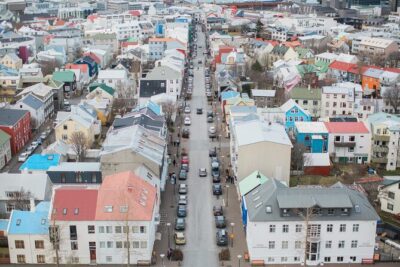 ★ 5.0Icelands Reykjavik Self Guided Walking Audio TourFrom $196 reviews
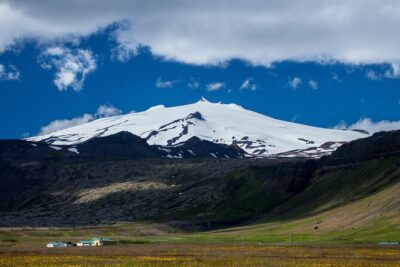 ★ 5.0Snaefellsnes Peninsula Self-Guided Driving Audio TourFrom $495 reviews
Browse the lists this tour appears in