
Reviewed · VOLCANO & LAVA TOURS
Inside the Volcano: Small-Group Tour and Lava Field Hike
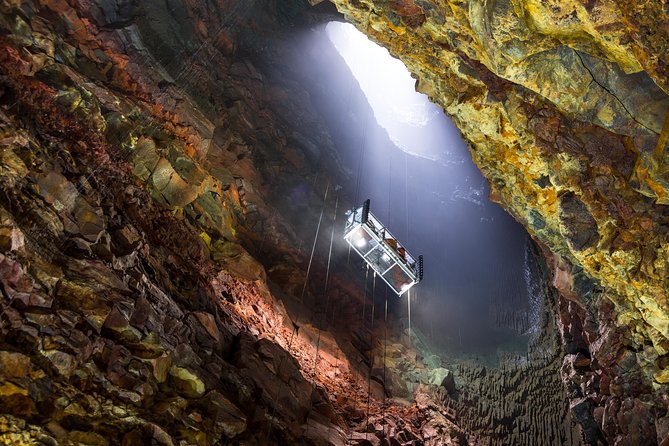
Go 400 feet into solidified magma.
This small-group Thrihnukagigur tour is one of Iceland’s rare chances to enter a dormant volcano interior and see its colored rock up close, not from a viewpoint. I also like the pickup-to-volcano flow from most Reykjavik hotels area, which keeps your day from turning into a public-transit scavenger hunt.
One possible drawback: the hike is long enough that it matters. You’ll cover about 7 km on uneven volcanic ground in cold, wet, and changeable weather, so bring real hiking boots and take the safety briefings seriously.
In This Review
- Key points
- Thrihnukagigur: The extinct volcano you can actually enter
- Reykjavik pickup and the Blue Mountains drive from Bláfjöll
- The lava-field walk: moderate hike, real traction required
- The cable elevator descent: what 120 meters down really feels like
- Inside the volcano: colors, rock dome, and solidified magma
- Your guide’s role: turning geology into a story you can picture
- Staying warm: gear, weather reality, and the soup factor
- Price and value: why this costs more than other Iceland day trips
- Who should book this volcano interior tour
- Should you book this Thrihnukagigur interior tour
- FAQ
- How long is the Thrihnukagigur inside-the-volcano tour?
- What level of fitness do I need?
- What footwear and clothing should I wear?
- How far do you descend into the volcano?
- Does the tour include food or drinks?
- Is there free cancellation, and what happens if weather is bad?
Key points
- Only accessible magma chamber experience: a real descent into Thrihnukagigur’s solidified interior
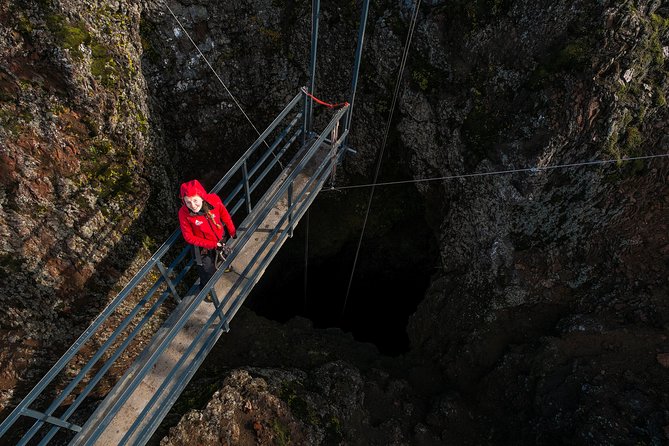
- Heights plus harness: a controlled drop using an open cable elevator, then guided walking at the base
- Moderate hike, uneven footing: sharp rock and uneven trails can slow you down more than you’d expect
- Bláfjöll start, Reykjavik finish: a direct day trip with hotel-area pickup and drop-off
- Small group size: capped at 18 travelers, with a short shared elevator ride down
- Warm fuel afterward: light refreshments, and many departures include warm soup at base
Closer to the magma, compared
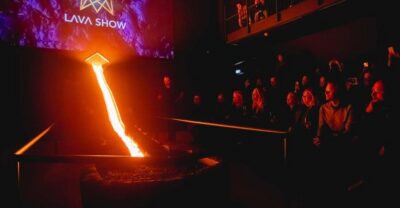
- Reykjavik: LAVA SHOW – Immersive Experience Entry Ticket★ 4.8 · 3,360 reviews
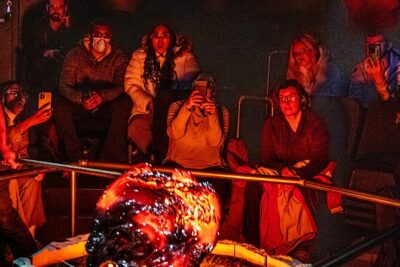
- Lava Show Reykjavik Admission Ticket – Optional Premium Upgrade★ 5.0 · 3,278 reviews
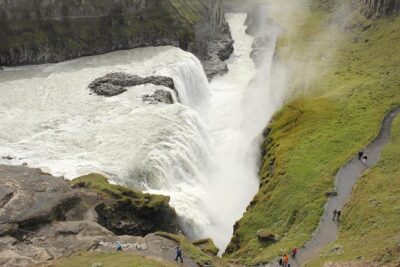
- Golden Circle with Kerid Volcanic Crater Day Tour from Reykjavik★ 4.5 · 2,826 reviews
Thrihnukagigur: The extinct volcano you can actually enter
Most volcano tours in Iceland are great at showing you the outside—craters, lava flows, steam, and big views. This one is different because you go inside the magma chamber of Thrihnukagigur, a volcano that’s now extinct. That means the spectacle isn’t only what’s on the surface; it’s the scale and color of the rock formations formed by ancient magma.
What I love about this is how it changes the story of a volcano. Outside, geology can feel abstract: rock, ash, and wind. Inside, you’re surrounded by the evidence—wall textures, mineral stains, and the dome-like ceiling above—so you’re looking at the physical results of volcanic forces, not just hearing about them.
Also, it’s hard to top the emotional impact of the descent itself. You’re lowered roughly 120 meters / 400 feet into the crater, then you move around the interior with your guide so you understand what you’re seeing.
Reykjavik pickup and the Blue Mountains drive from Bláfjöll
The day starts in the Reykjavik capital area with pickup offered from most hotels and guesthouses, plus cruise ports. One practical detail: vehicles can’t always stop directly in front of hotel entrances because of traffic restrictions. Instead, you’ll be directed to a nearby bus stop point—places like Harpa, Hallgrímskirkja, City Hall (Ráðhúsið), or The Pond (Tjörnin) are typical pickup zones.
Why this matters: if you show up late, you may miss the group, and then you miss the tour. So I treat pickup like a flight—be there early, not when you think you’re on Iceland time.
After you meet up, the drive goes from Reykjavik toward the Bláfjöll (Blue Mountains) area outside the city. On the ride, you’ll get an intro to how the site formed about 4,000 years ago, including what made this eruption create a chamber that’s accessible today. It’s the kind of talk that makes the later walk and descent easier to follow, especially if you don’t have a geology background.
The lava-field walk: moderate hike, real traction required
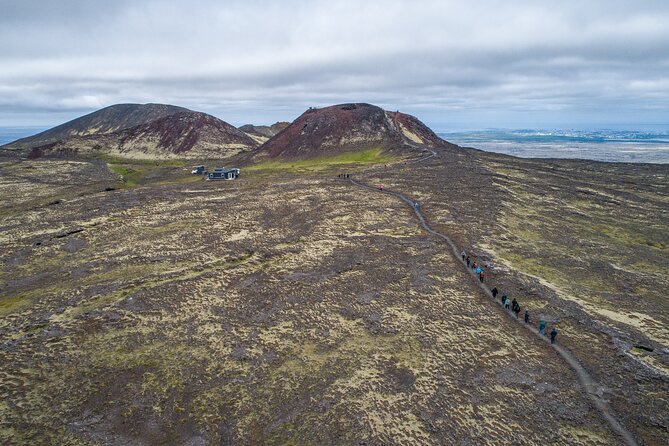
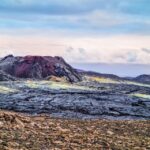
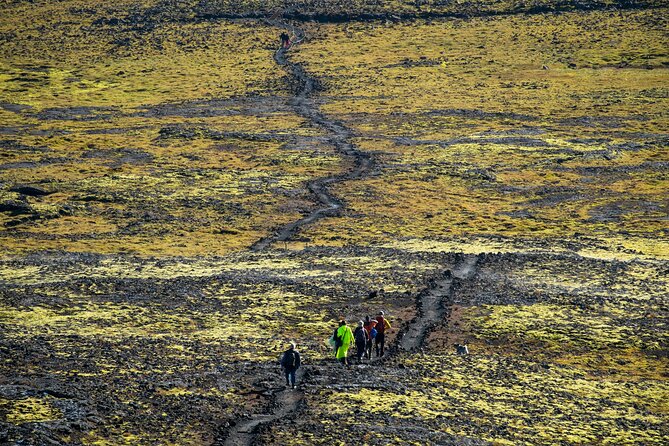
Once you arrive at the volcano area, you start hiking across old lava fields. The distance is about 2 miles (around 3 km) to the crater rim (and you repeat the walk back). In total across the day, expect roughly 7 km of uneven terrain.
The phrase moderate hike is accurate, but don’t let it fool you. “Moderate” in Iceland often means your biggest challenge is traction and footing, not fitness. You’re walking over uneven ground with sharp rocky surfaces, and the weather can turn quickly. If you use sneakers, you’ll feel it in your ankles and knees fast. This is also why the tour specifically asks for warm waterproof layers and hiking boots—sneakers and jeans aren’t appropriate.
From a comfort standpoint, I’d plan layers even if the morning looks calm:
- waterproof outer layer
- warm mid-layer
- hat and gloves
- dry socks in your daypack
And keep the pace steady. The route to the crater is scenic and part of the experience, but it’s also the part that can wear you down if it’s windy or rainy.
The cable elevator descent: what 120 meters down really feels like
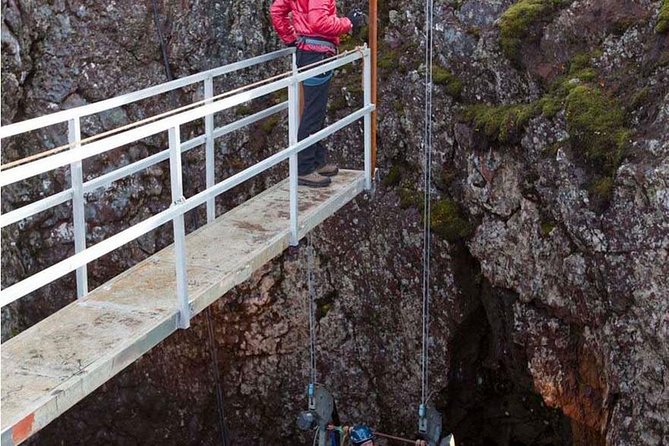
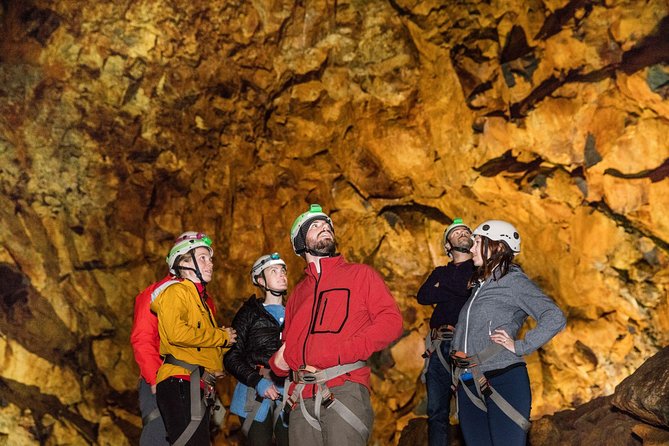
At the rim, you’ll get a safety briefing and gear up with a helmet and harness. Then comes the signature move: an open cable elevator that lowers you into the magma chamber.
A couple of practical points that help you set expectations:
- The descent is about 5 minutes each way, and you’re with a small group—typically 3 to 4 other guests during the ride.
- The elevator isn’t just a transport moment. The harness system is there so you can focus on looking, not worrying.
- You’ll still feel the chamber scale as you descend, because the walls rise around you and you’re no longer dealing with the open air.
I like that the experience is structured. You’re briefed, geared, lowered, and guided. It reduces the “what do I do now” stress so your attention stays on the science and the visuals.
More trails worth the boots
Inside the volcano: colors, rock dome, and solidified magma
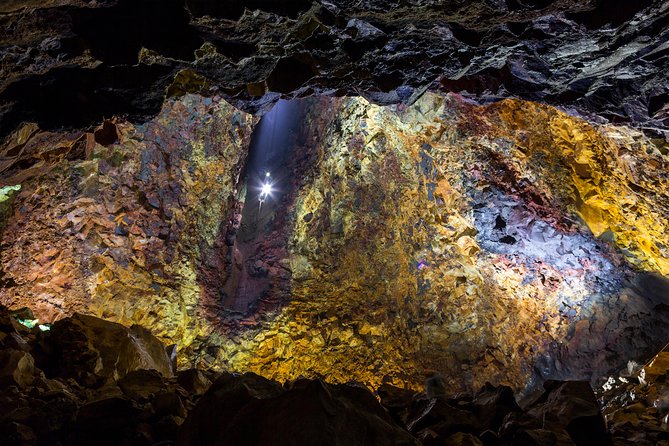
Once you’re down, you’re exploring the dormant volcano interior with your guide. This is where Thrihnukagigur delivers its signature wow-factor: you’re inside a massive cavity, and the surfaces show mineral staining and rock colors created by magma as it cooled and touched different materials.
The interior also has a striking rock dome above. From down there, it’s easy to understand why this chamber is so visually compelling. The space isn’t a small cave with a single point of interest. It’s a real, wide-feeling volume, and you move far enough that you notice how the rock changes with your position.
Timing-wise, your time inside is typically about 20–25 minutes, which is long enough to look slowly and listen, without dragging you through the cold.
One detail that’s worth planning for: it’s around 4°C inside. That’s like a fridge. Even if you’re dressed for Iceland outdoors, you’ll feel that temperature difference once you’re underground, so don’t rely on your jacket alone. Bring gloves and keep your layers tight.
Your guide’s role: turning geology into a story you can picture
This tour lives or dies on guidance, and it’s a big reason the experience gets high marks. A good guide doesn’t just point out features—they connect them so the chamber feels logical.
For example, your guide will share stories about the volcano’s formation and last eruption, helping you imagine the interior when magma was still moving through it. That storytelling matters because it gives your brain a timeline: what you’re seeing today is the end result of a process, not random rocks.
It’s also clear that guides are active and engaged. One guide named Jonas is called out in feedback for being friendly and extremely helpful, and that fits what you want during a controlled, safety-forward experience. You’ll also get another short safety reminder before you go down, and you’ll get answers as you walk around the interior.
If you’re the type who likes explanations but also wants time to look, this tour hits that balance well: listen, then look, then ask.
Staying warm: gear, weather reality, and the soup factor
Even with a well-run tour, Iceland weather is Iceland weather. The conditions can be harsh—wind and rain are common enough that you should mentally plan for them. You’ll be outside both on the hike and in the lead-up to the descent, and you’ll be cold inside the chamber.
What helps most:
- Waterproof layer that actually blocks wind and rain
- Hiking boots with grip
- layers you can adjust (cold isn’t the same all day)
- a willingness to slow down on uneven ground
After the volcano portion, you’ll head back to the base area and then toward the vehicle for the return to Reykjavik. Included in the tour are light refreshments, and a warm meal shows up often—many participants mention lamb soup or lamb stew served afterward. It’s the kind of thing that turns a long cold walk into a satisfying finish.
You’ll also appreciate the practical side: helmets and harnesses are provided, so you don’t have to carry gear you may never use again.
Price and value: why this costs more than other Iceland day trips
At about $468.21 per person, this isn’t the cheapest thing on your Iceland list. Here’s what you’re paying for, and why it can still feel fair when you compare it to other day tours:
- A rare access experience
Not many places allow you to enter a volcano interior. That one-off access drives a lot of the price.
- A controlled descent with safety gear
The harness system, helmet use, and the elevator itself mean more staff, more infrastructure, and more safety procedures.
- Time in the chamber plus guided interpretation
You don’t just get dropped off for photos. You get a guided walkthrough of the interior’s features.
- Small group size
Maximum group size is 18, which matters for comfort during gear-up, instructions, and the return hike.
- Included essentials
Pickup/drop-off from the capital area (via nearby bus stops), plus safety gear, plus guided logistics, are included.
If you’re doing the Golden Circle plus a couple waterfall stops, the value is different. This is more like a bucket-list activity day—fewer sights, more meaning per hour.
My practical tip: book it earlier if you can. This tour averages about 50 days in advance, and that suggests it often sells out or fills the calendar.
Who should book this volcano interior tour
This tour is a strong fit if you want Iceland at its raw, scientific edge: real volcanic space, real geology, and a guided experience that’s more hands-on than most.
It’s best for:
- people with moderate physical fitness
- anyone comfortable with a 7 km day of uneven ground
- travelers who can handle cool, wet outdoor conditions
- families with kids age 8+ (with the understanding that the hike can be tiring in weather)
It might be a harder choice if:
- you have limited ability on uneven surfaces
- you hate cold and damp (the inside is about 4°C)
- you’re expecting an easy stroll with minimal effort
Also, do this earlier in your Iceland trip if possible. When you’re acclimated to layered clothing and Iceland pace, the hike feels more manageable.
Should you book this Thrihnukagigur interior tour
I think you should book this if your Iceland trip has room for one high-impact, geology-centered day. The chance to descend into the magma chamber is genuinely rare, and the combination of hike + descent + interior guided walk makes it feel complete rather than rushed.
I’d hold off only if you’re unprepared for wet cold and uneven terrain. If you can wear waterproof layers and you’ve got the right boots, this tour becomes one of those experiences that stays with you because you don’t just see the volcano—you’re inside its story.
FAQ
How long is the Thrihnukagigur inside-the-volcano tour?
It runs about 5 to 6 hours total, including pickup, the drive, the hike, the descent, time inside, and the return to Reykjavik.
What level of fitness do I need?
You should have moderate fitness. The day includes about 7 km of hiking across uneven mountain terrain, and weather can be unpredictable. No hiking experience is required, but traction and stamina help.
What footwear and clothing should I wear?
Wear warm, waterproof clothing and hiking boots. Sneakers and jeans aren’t appropriate because the trail is uneven and rocky.
How far do you descend into the volcano?
You descend about 120 meters (400 feet) into the magma chamber using an open cable elevator, with helmets and harnesses provided.
Does the tour include food or drinks?
The tour includes light refreshments. Food and drinks aren’t listed as separately included, but warm options like soup are commonly part of the base-area refreshment after your volcano time.
Is there free cancellation, and what happens if weather is bad?
Yes. You can cancel for a full refund up to 24 hours in advance. This tour requires good weather; if it’s canceled due to poor weather, you’ll be offered a different date or a full refund.
More Tours in Reykjavik
More Tour Reviews in Reykjavik


Closer to the Volcanoes

Fresh off the road around Reykjavik
Volcano & Lava Tours, compared.
 ★ 4.8LAVA SHOW – Immersive Experience Entry TicketFrom $543,360 reviews
 ★ 5.0Lava Show Reykjavik Admission Ticket – Optional Premium UpgradeFrom $543,278 reviews
 ★ 4.5Golden Circle with Kerid Volcanic Crater Day Tour from ReykjavikFrom $852,826 reviews
 ★ 4.8Red Lava Horse Riding TourFrom $1422,383 reviews
 ★ 5.0The Lava Tunnel Tour – RaufarhólshellirFrom $742,373 reviews
 ★ 5.0Golden Circle, Volcano Crater and Blue Lagoon Small-Group TourFrom $2531,932 reviews
 ★ 4.7Raufarhólshellir Lava Tunnel: Underground ExpeditionFrom $731,717 reviews
 ★ 4.7Snæfellsnes Day Trip with Vatnshellir Lava CaveFrom $2191,108 reviews
Browse the lists this tour appears in