
Reviewed · VOLCANO & LAVA TOURS
From Reykjavik: Volcanic Peninsula & Grindavik Minibus Tour
Boiling ground, dark lakes, and fresh lava today. This half-day Reykjanes Peninsula tour takes you from Reykjavík into the kind of volcanic terrain that still changes week to week. I especially liked the expert English guide (clear timing, facts, and what to look for) and the chance to get your boots dirty with short walks at geothermal and lava spots.
The one catch: you’re out on uneven, cold ground, with a short hike and a longer walking segment, so it’s not ideal for low fitness or anyone with back problems. Weather and volcanic conditions can also affect access around the area.
Key takeaways you’ll care about
- Kleifarvatn Lake mystery: 97 meters deep, no visible inlets/outlets, and a local serpent legend
- Seltún’s geothermal contrast: red-yellow-gray terrain, bubbling mud, hissing vents, and strong sulfur smell
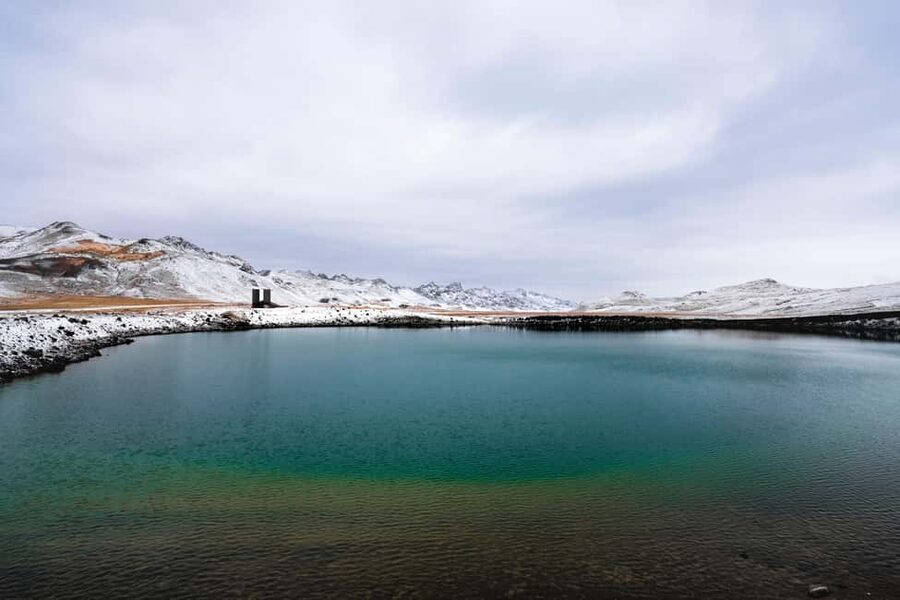
- Grænavatn’s Green Lake color: crater-lake emerald tones from sulfur and minerals
- Nátthagi viewpoint hike: a short walk tied to the 2021 Fagradalsfjall eruption
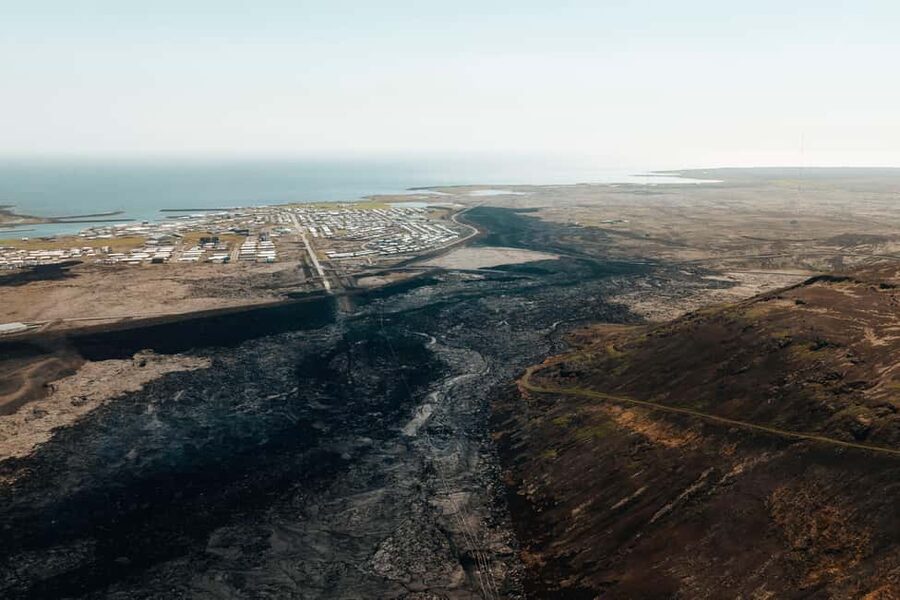
- Grindavík after late-2023 eruptions: evacuated town scars you can still see in streets and buildings
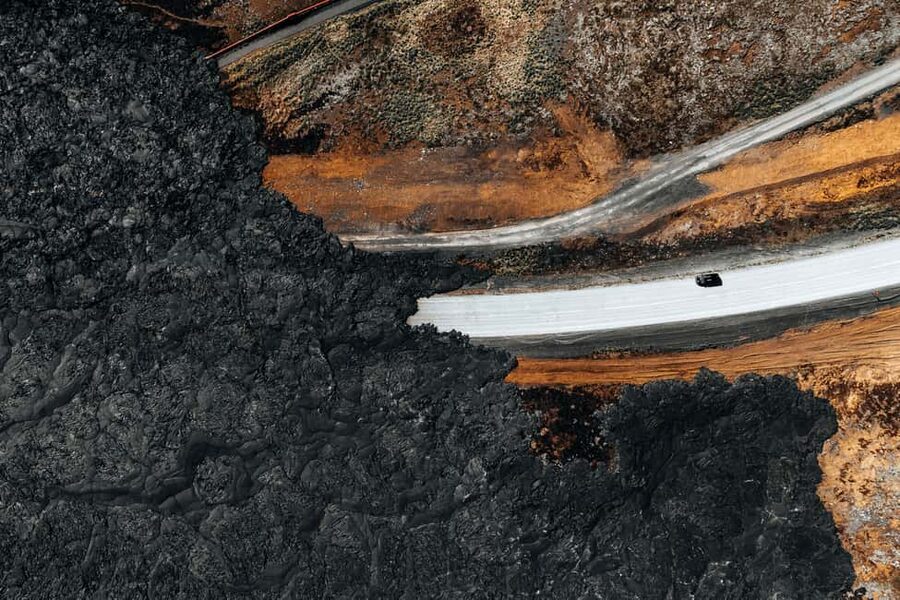
- Sundhnúkagígar / Svartsengi lava field: walk through a newly formed area where steam rises from cooling lava
In This Review
- Reykjanes in Six Hours: What This Half-Day Actually Delivers
- Pickup at Noon: The Simple Setup for a Remote Day
- Kleifarvatn Lake: A 97-Meter Deep Dark Pool With a Legend
- Krýsuvík’s Seltún Geothermal Area: Where the Ground Smells Like Sulfur
- Grænavatn Green Lake: A Crater Lake That Looks Like It’s Edited
- Nátthagi Viewpoint Near Fagradalsfjall: A Short Walk Into the 2021 Eruption Story
- Grindavík After Late-2023 Eruptions: Quiet Streets With Loud Meaning
- Sundhnúkagígar / Svartsengi Lava Field: Walking Through Fresh Change
- Group Pace, Timing, and How to Make the Photos Worth It
- Price and Value: Is $107 Worth It?
- What to Bring for Cold Ground and Sulfur Air
- Who Should Book This Tour (and Who Should Rethink It)
- Should You Book This Reykjavik-to-Reykjanes Minibus Tour?
Reykjanes in Six Hours: What This Half-Day Actually Delivers
If you only have a few hours, this tour is one of the best ways to understand Reykjanes. You’re not just looking from a bus window—you’re hitting multiple stops where the geology is active, loud, and visual. The route strings together lakes, geothermal vents, and eruption sites, which makes the day feel like a guided “how Iceland works” lesson.
You’ll also appreciate the pacing. It’s half-day long (about 6 hours total), with a mix of photo stops and timed visits, so you get variety without feeling like you’re sprinting all day. And because it starts in Reykjavík with pickup, you’re not spending your energy renting a car just to reach remote volcanic ground.
The tone is practical, too. Your guide helps you know what to look for at each stop and how long you’ll have, which matters when the wind and weather can change fast.
Closer to the magma, compared
- Reykjavik: LAVA SHOW – Immersive Experience Entry Ticket★ 4.8 · 3,360 reviews
- Lava Show Reykjavik Admission Ticket – Optional Premium Upgrade★ 5.0 · 3,278 reviews
- Golden Circle with Kerid Volcanic Crater Day Tour from Reykjavik★ 4.5 · 2,826 reviews
Pickup at Noon: The Simple Setup for a Remote Day
This is a minibus/coach tour with pickup and drop-off in Reykjavík from a long list of locations. You’ll need to be at your pickup spot at 12:00 noon sharp, and the company notes that collecting everyone can take up to 30 minutes, depending on traffic and where you start.
That might sound minor, but it changes your day. If you’re trying to squeeze the tour between lunch plans, build in a buffer. When pickup is running late, you don’t want to be rushed to get warm layers on and camera ready.
The ride out to the peninsula is about 45 minutes each way, so you’re not stuck on the road all morning or evening. Once you arrive, most of your time is spent on the ground where the volcanic activity is obvious.
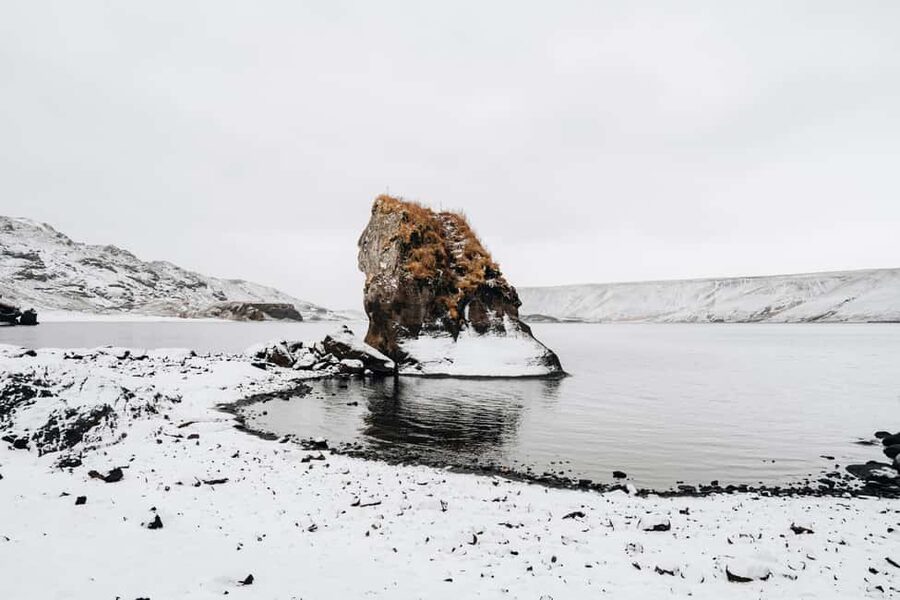
Kleifarvatn Lake: A 97-Meter Deep Dark Pool With a Legend
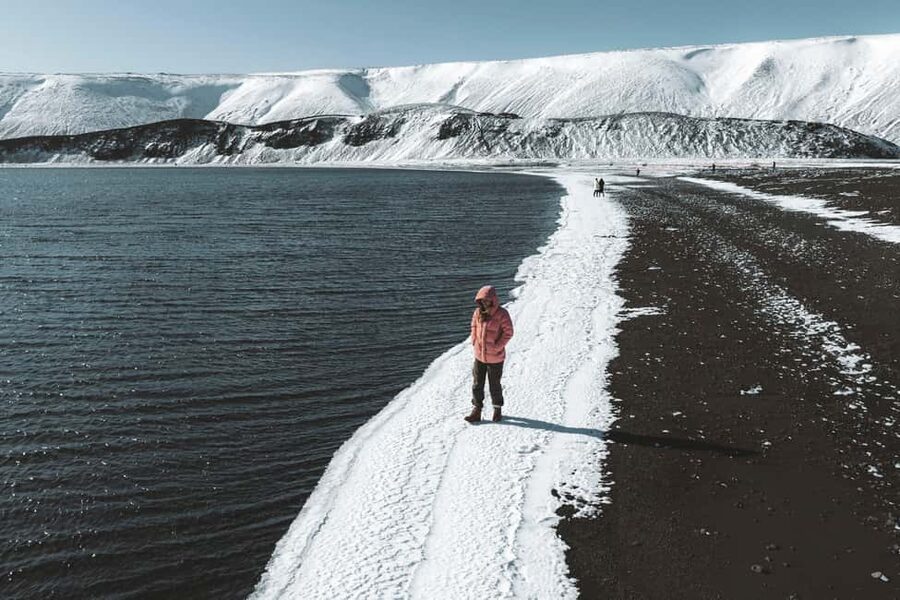
Your first major stop is Kleifarvatn Lake, about 40 minutes from Reykjavík, then a short photo stop. This lake is listed at 97 meters deep, with no visible inlets or outlets. The key idea is that water is moving through the area’s porous lava, filtering underground rather than feeding from a clear surface source.
What I love about a stop like this is that it sets up the whole day. The tour keeps reminding you that Iceland’s water systems and lava systems aren’t separate. They’re intertwined—and Kleifarvatn is a good example.
And then there’s the local legend: a serpent-like creature said to lurk beneath the dark water. Whether you treat that as myth or mood-setting folklore, it adds a layer of mystery while you’re standing on the shore. This is also a great place to get an establishing shot before the geothermal colors and lava textures take over.
Practical note: it’s often cold and windy along water. Even if you’ll be moving later, bring a warm outer layer right away.
Krýsuvík’s Seltún Geothermal Area: Where the Ground Smells Like Sulfur
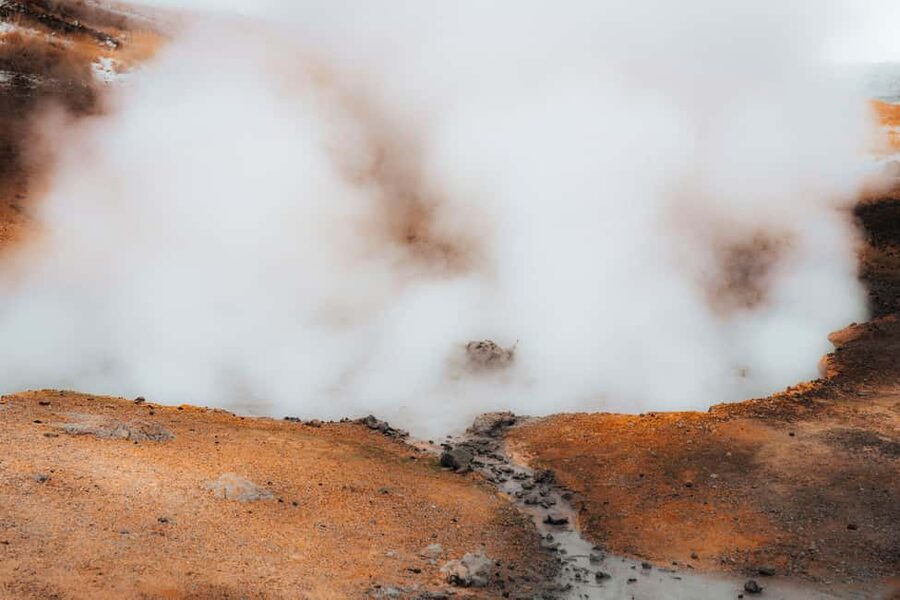
Next comes Seltún Geothermal Area near Krýsuvík, with a timed visit (about 25 minutes). This is the stop you’ll likely remember most for sheer sensory impact.
Expect terrain in shades of fiery red, yellow, and gray, plus bubbling mud pools, steaming fumaroles, and hissing vents. The smell of sulfur is part of the deal; you may notice it before you clearly see everything. If you’re the type who likes proof, this is your proof stop.
One practical win here is that the area is set up for walking so you’re not guessing where you’re allowed to go. The timing gives you enough room for photos and a slow look without it turning into a long hike.
The only consideration: geothermal areas can be unpredictable in feel—wind, heat pockets, and wet ground. Wear shoes you can trust, and don’t rush the walk just to beat the weather.
Grænavatn Green Lake: A Crater Lake That Looks Like It’s Edited
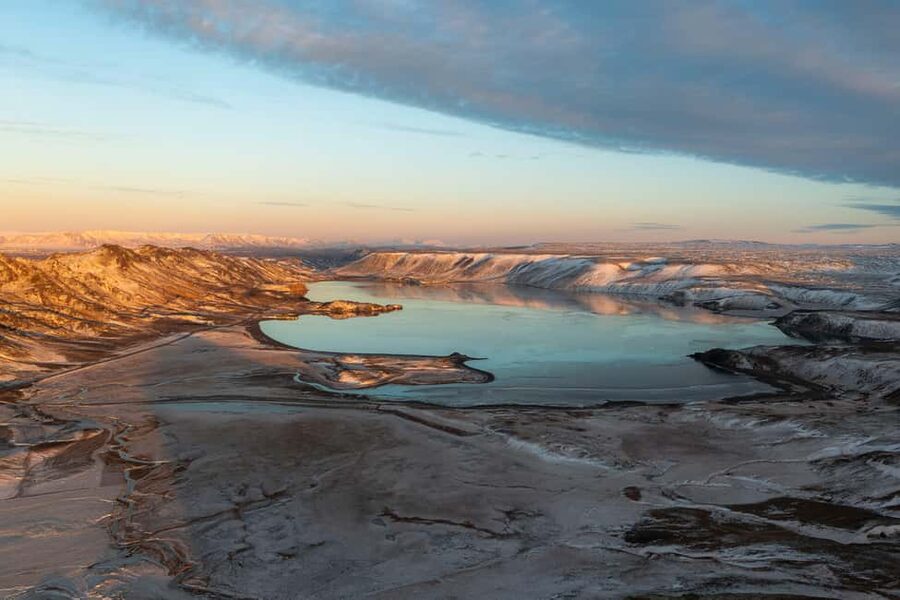
After Seltún, you’ll stop at Grænavatn, the Green Lake. It’s a crater lake with a vivid emerald hue, and the explanation is mineral-driven: high sulfur and mineral concentrations.
The color contrast is the whole point here. You’re surrounded by rugged volcanic ground, and then you see this intense green that doesn’t look natural in the usual way. It’s not “pretty” in the normal postcard sense; it’s more like science fiction meets geology.
You get a short photo stop plus a brief visit (about 10 minutes). That’s tight, but it’s enough if you’re ready to move. If you want the best photos, aim for the moment when the wind calms and the light holds steady.
If you’re sensitive to strong smells, Grænavatn is usually easier than Seltún. Still, you’ll be in a volcanic zone, so expect the general atmosphere to feel active.

Nátthagi Viewpoint Near Fagradalsfjall: A Short Walk Into the 2021 Eruption Story
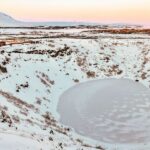
Then you head toward the Nátthagi viewpoint near Fagradalsfjall. The eruption details matter today because this stop is tied to a very recent volcanic chapter: Fagradalsfjall erupted in 2021 after about 6,000 years of dormancy, and lava flowed across the land for about six months.
At Nátthagi, you’ll do a short hike to a viewpoint. The goal is panoramic—seeing how the lava spread and how the terrain looks once it cools. Even when you can’t touch anything moving, the land still looks hot in the way it’s shaped.
This is the stop where your timing and your shoes really matter. The walk is listed at about 1 hour total for the walk/sightseeing portion, which means you’ll likely move at a steady pace. Bring water and wear sturdy, grippy shoes—this isn’t a stroll on flat pavement.
The reward is that you’re not just seeing one eruption site. You’re reading a whole volcanic process across time: fresh paths, frozen fields, and the “next chapter” feeling of Iceland’s geology.
Grindavík After Late-2023 Eruptions: Quiet Streets With Loud Meaning
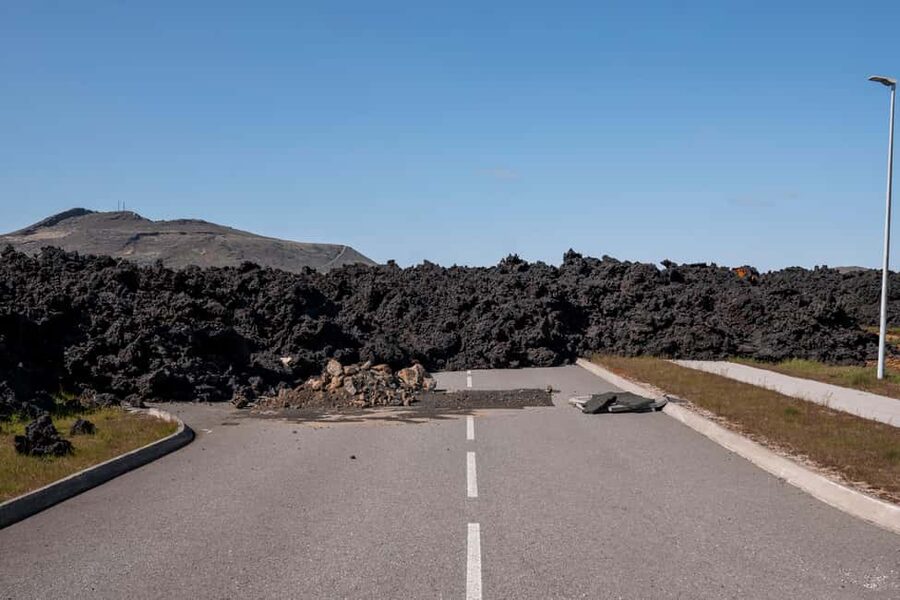
You’ll then visit Grindavík, focused on the aftermath of eruptions that reshaped the town since late 2023. This part of the day feels different. Instead of a “wow, volcano!” vibe, it’s more reflective and sobering.
You’ll see the kind of damage that sticks: abandoned homes and cracked roads, plus an eerie quiet after evacuations. Even if you don’t know the full history of every street, the changes are visible enough to make the point.
The tour includes a guided tour and sightseeing/pass-by time (about 20 minutes), so you’re not stuck there long. That’s probably a good thing emotionally. You get to absorb it, then move on before the experience starts feeling heavy.
If you want food afterward, this is one place your guide can be useful. One suggestion that came up: ask for a recommendation in Grindavík—fish and chips are a common, straightforward option after a long wintery day.
Sundhnúkagígar / Svartsengi Lava Field: Walking Through Fresh Change
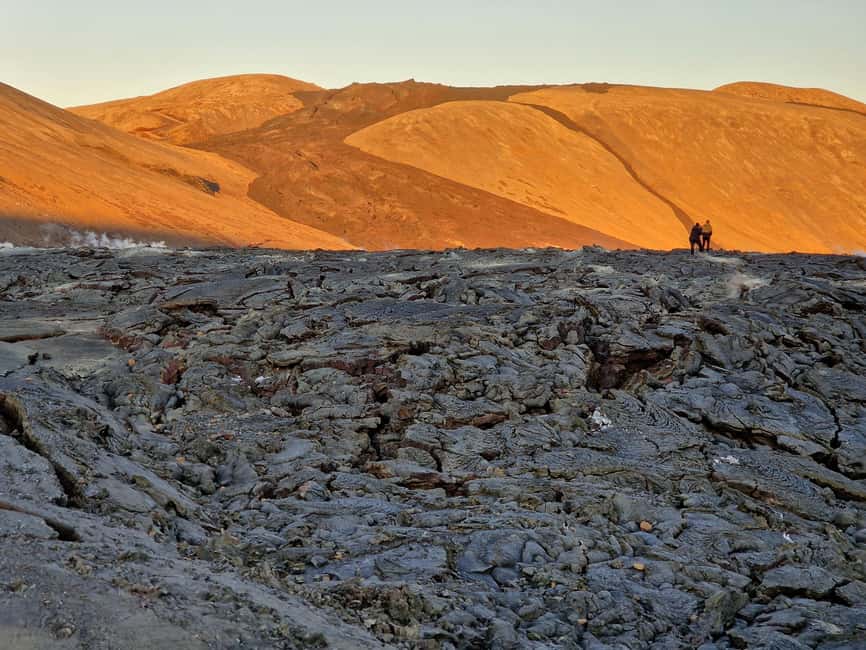
Your final big geology stop is the newly formed Sundhnúkagígar / Svartsengi lava field. This is where the tour’s title turns real.
You’ll walk through a recently erupted area where steam rises from cooling lava. That’s the kind of detail you can’t get from photos alone. Cooling doesn’t mean calm. In volcanic zones, steam can keep showing you that heat and pressure are still doing their work.
This stop is also timed as an ending highlight, which matters. By the time you reach Svartsengi, you’ve already seen the lake mysteries, geothermal colors, and the eruption history at Fagradalsfjall. So the lava field doesn’t feel like a random final stop. It feels like the final page in a story you’ve been reading for hours.
Afterward, you drive back toward Reykjavík and should arrive by early evening, when you can still enjoy the city or just decompress.
Group Pace, Timing, and How to Make the Photos Worth It
This tour works best if you accept that not every stop is built for lingering. Some are photo-first (like Kleifarvatn and Grænavatn), while others are better for slower viewing (like Seltún and the Nátthagi hike).
Here’s how I’d play it to get the most out of your time:
- At short photo stops, move quickly to a position, shoot, and then step aside to let others get their angle.
- At Seltún, slow down. The colors and vents are active, and the view changes as the wind shifts.
- At Nátthagi, don’t treat the viewpoint as a quick look. The hike is the point, so keep a steady pace and save your energy.
Also, the guide’s role is more than just naming places. Your guide should keep you aware of what’s next and how much time you have, which is key in an area where conditions can change.
Price and Value: Is $107 Worth It?
$107 per person for about 6 hours may sound like a chunk, but you’re paying for several practical advantages that add up in Iceland.
First, you get pickup and drop-off in Reykjavík, plus transportation to remote volcanic ground (about 45 minutes each way). That alone can be expensive in time and hassle if you’re self-driving.
Second, the included stops are varied and specific: Kleifarvatn, Seltún, Grænavatn, a hike to Nátthagi, a visit to Grindavík, and the Sundhnúkagígar / Svartsengi lava field. This is not a single-site tour.
Third, you get an English live guide, and in a place this geologically active, that context makes the scenery easier to understand. The guide also helps with timing so you aren’t stuck waiting or sprinting.
What’s not included: meals and drinks. So budget for snacks and water. You’ll be happier if you treat food as your responsibility (at least partly), and use the tour for what it does best—showing you Iceland’s active volcanic systems.
What to Bring for Cold Ground and Sulfur Air
The tour’s “what to bring” list is spot-on for this kind of day:
- Comfortable, sturdy shoes (you’ll be walking on uneven terrain)
- Warm clothing, especially outer layers
- Camera (you’ll want it at nearly every stop)
- Snacks and water, especially for the hike portion
Add one more practical thought: consider gloves. Even if the day is sunny, cold wind near lava fields and geothermal vents can bite.
Also note what’s not allowed: smoking. Standard rule, but worth knowing before you step into any designated areas.
If authorities limit access due to changing conditions, the company may cancel. That’s rare, but it’s part of touring active volcanic regions—so check the weather and your plans the day before.
Who Should Book This Tour (and Who Should Rethink It)
This tour fits best if you:
- Want a volcano-focused day without driving
- Like short walks and viewpoints
- Are comfortable in cold weather and changing conditions
- Enjoy guides who explain what you’re seeing, not just where to stand
It’s not suitable for:
- Pregnant women
- People with back problems
- Wheelchair users
- People with low fitness
- Anyone who can’t handle short hikes and uneven surfaces
If you’re unsure about your mobility or tolerance for cold, I’d treat the hike at Nátthagi as your key “test.” That’s the portion most likely to feel challenging.
Should You Book This Reykjavik-to-Reykjanes Minibus Tour?
I’d book it if you want a smart, time-efficient way to see multiple volcanic “modes” in one day: dark lakes, sulfur-steaming geothermal ground, a mineral-green crater lake, a viewpoint hike tied to Fagradalsfjall’s 2021 eruption, and Grindavík’s visible eruption aftermath, ending at Svartsengi’s newly formed lava field.
You should skip it if you can’t do uneven ground or prefer a no-walking experience. Also think twice if you’re traveling with limited tolerance for strong smells—Seltún’s sulfur is part of the experience.
If your goal is Iceland’s active volcano story told through real stops (not just viewpoint photos), this is a strong value for the effort you save and the variety you pack into 6 hours.
More Tours in Reykjavik
More Tour Reviews in Reykjavik

Closer to the Volcanoes

Fresh off the road around Reykjavik
Volcano & Lava Tours, compared.
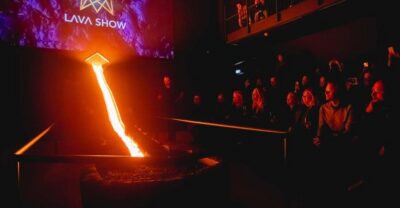 ★ 4.8LAVA SHOW – Immersive Experience Entry TicketFrom $543,360 reviews
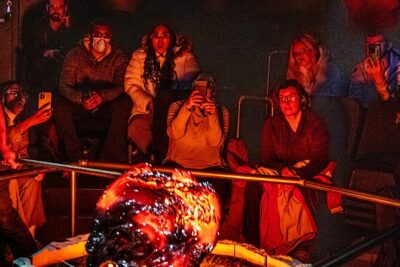 ★ 5.0Lava Show Reykjavik Admission Ticket – Optional Premium UpgradeFrom $543,278 reviews
 ★ 4.5Golden Circle with Kerid Volcanic Crater Day Tour from ReykjavikFrom $852,826 reviews
 ★ 4.8Red Lava Horse Riding TourFrom $1422,383 reviews
 ★ 5.0The Lava Tunnel Tour – RaufarhólshellirFrom $742,373 reviews
 ★ 5.0Golden Circle, Volcano Crater and Blue Lagoon Small-Group TourFrom $2531,932 reviews
 ★ 4.7Raufarhólshellir Lava Tunnel: Underground ExpeditionFrom $731,717 reviews
 ★ 4.7Snæfellsnes Day Trip with Vatnshellir Lava CaveFrom $2191,108 reviews
Browse the lists this tour appears in