
Reviewed · HORSES
From Reykjavík: Viking Horseback Tour in Hafnarfjörður
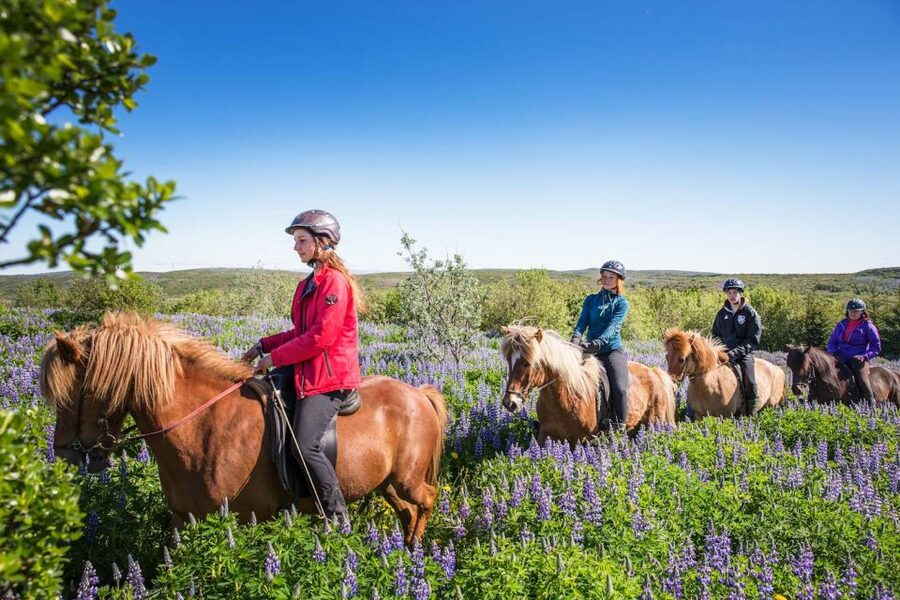
A good horse ride starts with the right pace. This one is built for strong intermediate riders who want real Icelandic movement—tölt and more—plus wild lava-country scenery just outside Reykjavík. I like that the staff match you to a horse and handle safety like it’s their job (because it is). I also like that you actually spend most of the time riding, not sitting. One consideration: this tour isn’t for brand-new riders—there’s a firm minimum age of 12 and it’s aimed at people already comfortable in all gaits.
You’ll start at Íshestar Stables in Hafnarfjörður, where the pre-ride setup is part of the experience. You’ll be kitted out with helmets and cold-weather gear, then guided through the terrain in small groups (up to 12) with English and Scandinavian-language support. If you’re hoping for a casual walk-and-photo session, look at a gentler option instead.
In This Review
- Key things to know before you ride
- Reykjavík’s quick escape: Hafnarfjörður and the Íshestar stables base
- Viking Horseback Tour timing, pickup, and why “small group” changes everything
- What you get for the ride: helmets, boots, and Iceland weather without guesswork
- Before you ride: meeting the horses and getting matched properly
- The pace and riding level: strong intermediate only, for a reason
- Riding in the Reykjanes preservation area: lava fields, mountains, and that wild feeling
- How the 3 hours actually feel: start, ride sections, and stops
- Safety and rules that actually help the ride go smoothly
- Gear comfort and saddle reality: boots, overalls, and mounting
- Language support: English and Scandinavian languages
- Price value: $246 for 3 hours, and what makes it worth it
- Who should book this tour (and who should skip it)
- Should you book the Viking Horseback Tour in Hafnarfjörður?
- FAQ
- How long is the Viking Horseback Tour from Reykjavík to Hafnarfjörður?
- Where is the meeting point?
- Is pickup from Reykjavík available?
- What days and times does it run?
- What age and weight limits apply?
- What riding gear is provided?
- Can I bring a backpack or large camera?
- What level of riding experience is required?
- Is cancellation free?
Key things to know before you ride
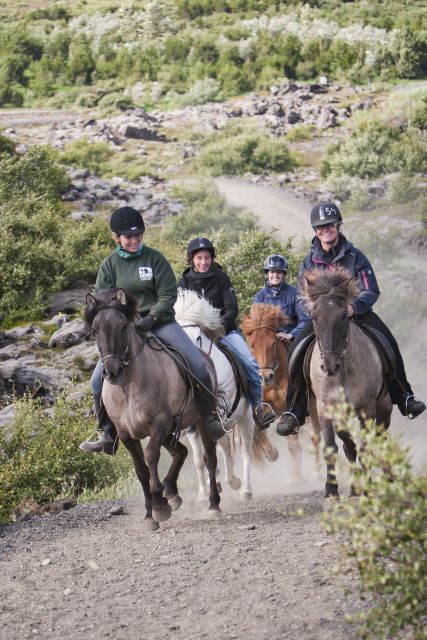
- Real Icelandic gaits, not just walking: expect tölt, and for many groups, canter stretches too.
- Small-group format: limited to 12 participants for tighter guidance and better horse matching.
- Cold-weather gear is included: warm overalls/rainwear and rubber boots are part of the deal.
- Near Reykjavík, but you leave the city behind: Hafnarfjörður is about a 10-minute drive from Reykjavík.
- You need control at multiple speeds: this is for strong intermediate riders only.
- Storage rules keep the ride focused: no backpacks/large cameras; there are safety boxes at the center.
Worth a look alongside this Reykjavik pick:
- Reykjavik: Red Lava Horse Riding Tour★ 4.8 · 2,383 reviews
- Icelandic Horse Riding Tour & Pickup Option from Reykjavik★ 4.8 · 1,662 reviews
- Icelandic Horseback Riding Tour with Pickup Option from Reykjavik★ 5.0 · 1,145 reviews
Reykjavík’s quick escape: Hafnarfjörður and the Íshestar stables base
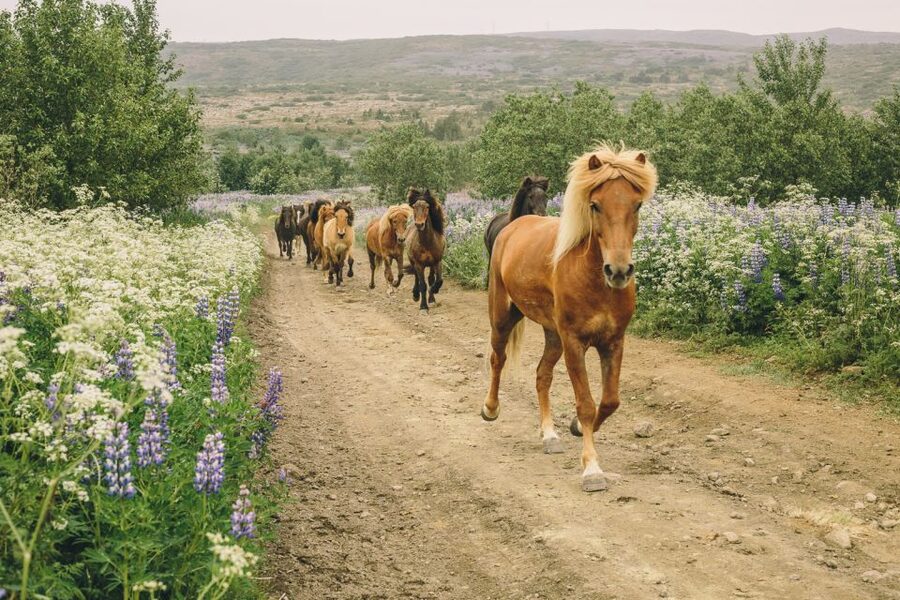
If you’re staying in Reykjavík and want a horseback day without losing half your vacation to logistics, Hafnarfjörður is a smart move. The stables are just outside town—roughly a 10-minute drive—so you can get to the horses fast and still have the rest of the day back in Reykjavík.
Íshestar Riding Tours runs out of a countryside horse center that’s clearly built for riding and outdoor time. The setting makes it easy to understand what your horse will feel: open ground, changing weather, and that Reykjanes feeling of wide terrain and volcanic textures.
The tour runs for about 3 hours total, with roughly 2.5–3 hours of riding time including stops. That matters because “time on the horse” is the product here. You’re not paying for a quick stable tour and a long wait.
Viking Horseback Tour timing, pickup, and why “small group” changes everything
This is not a random every-day departure. It’s scheduled for Mondays and Fridays at 13:00 in winter, and it runs every day in summertime. If you choose the pickup option, it’s from hotels or designated Reykjavik bus stops only—so plan to be where your email instructions tell you to be.
When I’m deciding between tours, I look hard at two things: how many people are in your group and how much time your guide can spend with each rider. Here, the cap is 12 participants, which usually means you get more attention when you need it—especially when the terrain gets uneven or when horses move into different gaits.
One practical note: you need to be at the meeting point 30 minutes before departure. The meeting point is Sörlaskeið 26, 220 Hafnarfjörður. Give yourself time to check in, get fitted, and get those nerves settled before you mount.
What you get for the ride: helmets, boots, and Iceland weather without guesswork
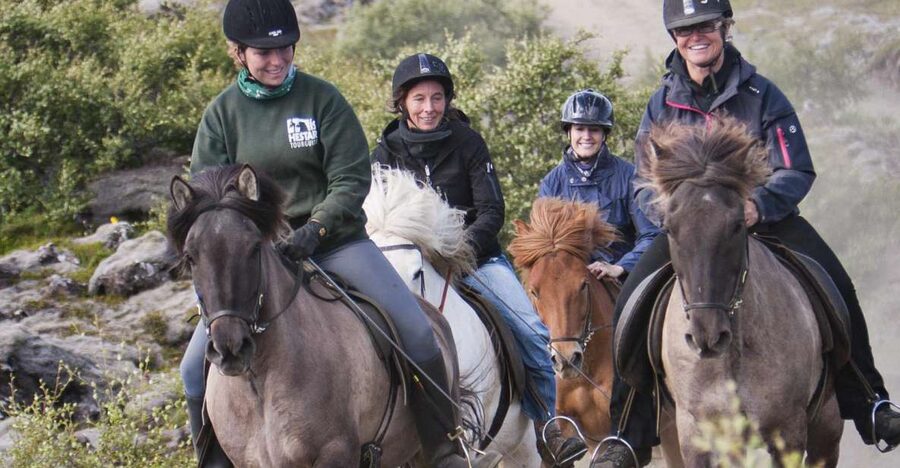
Cold Iceland weather has a talent for turning “I’ll be fine” into “why did I wear this?” The good news is the tour supplies a lot of what you’d normally have to plan for.
You’ll be provided with warm overalls or rainwear, riding boots, and a helmet in the right size. That’s a big value boost because it reduces the gear hassle—especially if you’re traveling light or renting everything else.
Even with gear provided, bring personal items that help you stay comfortable:
- Sunglasses
- Hat
- Gloves
- Weather-appropriate clothing you can layer
Also, plan around the equipment rules for your own riding gear: riding gear needs to be washed (40°C), dry cleaned, or disinfected before bringing it into Iceland, and used leather gear may not be brought in. If you’re thinking about bringing your own boots or pants, double-check before you pack.
Before you ride: meeting the horses and getting matched properly
The pre-ride portion matters more than most people expect. It’s not only about safety checks—it’s also how you get the ride you’re actually hoping for.
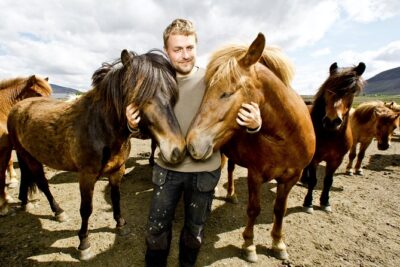
At the center, you’ll get time with the horses before going out. Many riders say the barn reception is comfortable and welcoming, and it can feel like you’re not just being processed—you’re getting to know your mount first.
The staff also take pride in matching horses to riders. That’s key for an intermediate/advanced gait-focused ride, because one horse might be forward and lively while another is better suited for steady control. If you’re recovering from an injury or you’re managing stiffness, this matching approach can make a noticeable difference (Andrea is specifically mentioned for hands-on help with mounting and dismounting).

The pace and riding level: strong intermediate only, for a reason
Here’s the part you shouldn’t skim. This tour is for strong intermediate riders only, with a clear expectation that you can control your horse through all gaits.
The guidance is specific: you should be comfortable and in control at all paces, and the trip is aimed at riders who have ridden roughly 30 times or more in their lifetime. That lines up with how the ride actually feels once you leave the barn—uneven ground, open areas, and the need to maintain balanced posture when the horse transitions between movements.
If you don’t meet that level, you won’t get more fun by pushing. You’ll likely get more fatigue and less confidence. The horses in Iceland are wonderful, but they’re still horses—so being ready is part of enjoying it.
Riding in the Reykjanes preservation area: lava fields, mountains, and that wild feeling
This is where the tour earns its name. You’re heading out to explore the Reykjanes preservation area with a guide, and the terrain is the real show.
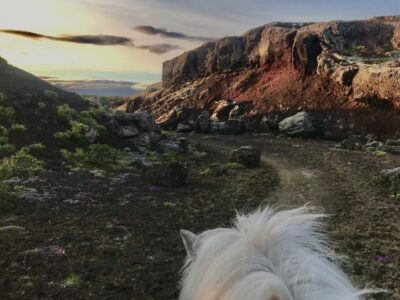
Expect to spend time in areas described as lava fields, with touches of forest and big-sky views. Many groups talk about passing by a lake and seeing mountains and volcanos in the background—so even if you’re focused on your riding, you’re riding with a view.
What I like about this kind of route is that it doesn’t feel staged. You’re not waiting for a “best photo spot.” The scenery changes naturally as you move across the terrain, and the horse’s gait becomes part of how you experience it.
One weather reality: Iceland wind can affect animals and riders. Still, the tour’s horse selection and the guides’ ability to keep the group steady are frequently praised, even in windy conditions.
How the 3 hours actually feel: start, ride sections, and stops
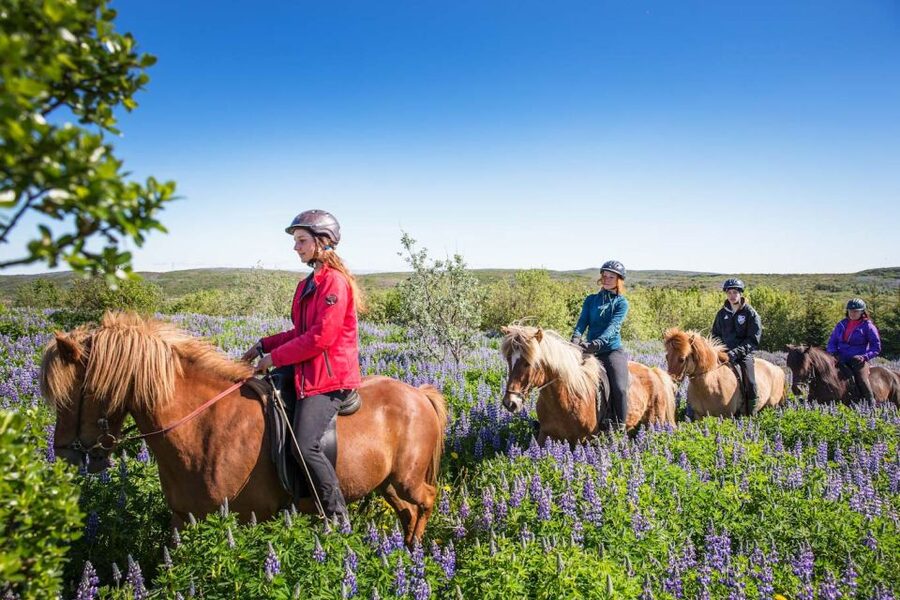
The published duration is 3 hours, but your real experience is the running rhythm: mount, settle, ride, and periodic regrouping. Your time “in the saddle” is roughly 2.5–3 hours, including stops.
You’ll have stops built into the ride. Those are not wasted time. They help the guide manage the group, give you a breather, and allow you to re-set balance and breathing before moving back into tölt or faster gait stretches.
From rider feedback, the ride often includes plenty of tölt, and many groups also get canter and even faster stretches depending on your control and the group dynamic. If you want the full Icelandic movement experience, this is the style that delivers.
Safety and rules that actually help the ride go smoothly
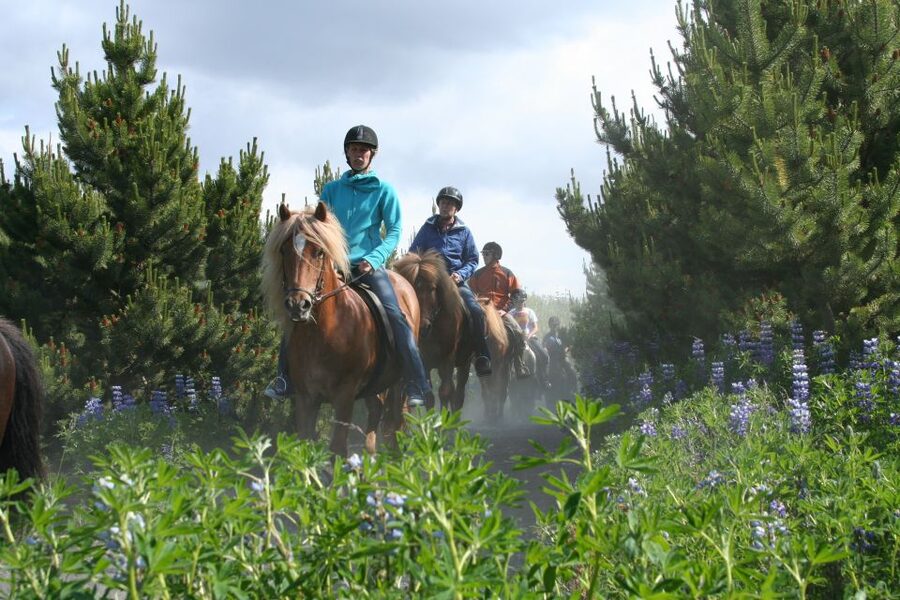
Iceland is beautiful, but it can also be unpredictable. That’s why these rules are worth respecting—they’re not there to spoil your fun.
A few key safety points:
- Anyone under the influence of alcohol or intoxicating drugs is not permitted.
- Pregnant women are not permitted, due to potential risk in an accident.
- Weight limit is 110 kg / 250 lb.
- Minimum age is 12.
There are also luggage rules: backpacks, bags, and large cameras can’t be taken on the ride. The center has safety boxes for valuables, so you’re not forced to carry everything awkwardly. If you’re used to bringing a big camera kit, plan to travel light.
Gear comfort and saddle reality: boots, overalls, and mounting
Even with gear provided, you’ll feel the ride in your legs and core. That’s not a flaw—it’s the price of doing something real.
The tour provides rubber boots and riding attire designed for cold or wet conditions, and that usually beats trying to “DIY” with mismatched layers. Still, bring your own gloves and hat so you can adjust comfort as the weather shifts.
Mounting and dismounting can also be a moment where the guide makes the difference. If you’re managing knees, stiffness, or balance issues, you’ll want to tell the staff ahead of time. Some guides are praised for extra patience and assistance when needed.
Language support: English and Scandinavian languages
You’re not just handed a horse and sent out into the wild. Guides provide instructions in English, Icelandic, and German (depending on the guide and group).
That matters because gait work isn’t only about speed. It’s about what your body does—where your eyes go, how you hold your hands, and how you allow the horse to move freely. When the instructions are clear, you can focus on the ride instead of second-guessing every transition.
Price value: $246 for 3 hours, and what makes it worth it
At $246 per person, this isn’t the cheapest activity on your Iceland list. The value comes from three things you don’t always get in shorter horseback options.
First, you’re paying for an experienced-rider experience. You’re not just buying time in the saddle—you’re buying tölt-focused riding and the chance to canter, which takes skill-matching and better control from both rider and horse.
Second, you get meaningful inclusions. Helmet and appropriate riding boots are provided, along with warm overalls/rainwear. That’s a real cost saver if you would otherwise rent or buy cold-weather riding gear.
Third, you’re getting proximity. Hafnarfjörður is close enough to Reykjavík that this can be a high-quality half-day or 3-hour hit without draining your energy or your transport budget.
So, if you’re the kind of rider who specifically wants Icelandic gaits—and you already have the control to enjoy them—this price can look pretty fair.
Who should book this tour (and who should skip it)
Book it if:
- You’re an intermediate/advanced rider who can ride comfortably at all gaits.
- You want a tölt-heavy ride and the possibility of canter stretches.
- You enjoy volcanic country views and want to trade a city afternoon for open terrain.
- You like small groups and want the guide to manage pace and matching.
Skip it if:
- You’re traveling with kids under 12, or you’re not confident riding at more than a walk/trot.
- You weigh over 110 kg / 250 lb.
- You’re looking for a relaxed, beginner-style ride.
If you’re unsure, be honest about your control. This tour rewards good posture and calm hands. It won’t reward bravado.
Should you book the Viking Horseback Tour in Hafnarfjörður?
Yes—if you’re ready for strong intermediate riding and you want the Icelandic part of Iceland: tölt, smooth movement, and wild terrain near Reykjavík. The gear support, the small-group format, and the horse matching approach make it feel like a serious riding experience, not a casual sightseeing ride.
If you’re new to riding or you mainly want photos and a gentle pace, you’ll likely enjoy another option more. This one is designed for riders who want to feel what the Icelandic horse can do—over lava, wind, and real ground.
FAQ
How long is the Viking Horseback Tour from Reykjavík to Hafnarfjörður?
The tour duration is 3 hours. Actual riding time is around 2.5–3 hours, including stops.
Where is the meeting point?
The meeting point is Sörlaskeið 26, 220 Hafnarfjörður. Arrive 30 minutes before departure.
Is pickup from Reykjavík available?
Pickup is optional. It’s available from hotels or designated Reykjavik bus stops only. You’ll wait outside or in your hotel lobby based on the tour schedule and instructions you receive.
What days and times does it run?
The Viking Tour Express is offered Mondays and Fridays at 13:00 during winter, and every day in summertime.
What age and weight limits apply?
The minimum age is 12 years. The weight limit is 110 kg (250 lb).
What riding gear is provided?
Guests are provided with a helmet and riding attire such as warm overalls or rainwear, plus rubber boots (appropriate sizes).
Can I bring a backpack or large camera?
No. Backpacks, bags, and large cameras cannot be taken on the ride. There are safety boxes at the riding center for valuables.
What level of riding experience is required?
It’s recommended for strong intermediate riders who are comfortable and in control at all paces. The information provided suggests riders should have ridden about 30 times or more.
Is cancellation free?
Yes. Free cancellation is available up to 24 hours in advance for a full refund.
More Horses in Reykjavik
More Tours in Reykjavik
More Tour Reviews in Reykjavik
Fresh off the road around Reykjavik
Horses, compared.
 ★ 4.8Red Lava Horse Riding TourFrom $1422,383 reviews
 ★ 4.8Icelandic Horse Riding Tour & Pickup Option from ReykjavikFrom $1351,662 reviews
 ★ 5.0Icelandic Horseback Riding Tour with Pickup Option from ReykjavikFrom $1331,145 reviews
 ★ 5.0Icelandic Horseback Riding Tour Including Pick Up from ReykjavikFrom $152784 reviews
 ★ 5.0Red Lava Horse Riding Tour From ReykjavikFrom $139386 reviews
 ★ 5.0Golden Circle, Fridheimar Farm & Horses Small Group Tour from ReykjavikFrom $130309 reviews
 ★ 4.7Small-Group Horse Volcano Riding Tour with PickupFrom $191196 reviews
 ★ 5.0Silver Circle: Lava Cave, Waterfalls & Iceland Horses-Small GroupFrom $219181 reviews