
Reviewed · NORTHERN LIGHTS TOURS
From Reykjavik: Northern Lights Tour
Northern Lights hunting starts with good planning. You’re not just staring into the dark from Reykjavik; you’re on a guided search with an English-speaking expert who gives real help for what to look for and how to set up your camera setup and phone in the cold. On nights led by guides like Alex and Birta, the vibe tends to be fun, clear, and focused—plus you may get extra touches like lighthearted Iceland stories on the bus.
Two things I particularly like: the tour’s built-in free rebooking if you miss the lights the first time, and the practical comforts that make the wait easier (like bus free Wi-Fi so you can kill time without feeling stuck). For me, that combo turns a risky “hope for the best” night into something that feels well-managed.
One drawback to plan for up front: sightings aren’t guaranteed. The aurora is unpredictable, and even when the show does come, you’ll likely spend stretches standing outside in real winter cold—so this is a tour that rewards good layering and patience.
In This Review
- Key highlights before you go
- Why this Reykjavik Northern Lights tour is a solid bet
- Meeting at BSI and how the bus ride sets expectations
- The hunt itself: how guides choose where you go
- What happens outside: waiting, standing, and staying sane
- Capturing the aurora: camera tips you’ll actually use
- Timing: 3–4 hours, and why the 9 PM departure gets extra love
- Price and value: $69, plus the free second chance
- Who this tour fits best
- The weather reality check: what to bring so you’re not miserable
- Should you book this Northern Lights tour?
- FAQ
- How long is the Northern Lights tour?
- Is seeing the Northern Lights guaranteed?
- What is the meeting point in Reykjavik?
- Do I need to bring my own warm clothing?
- Is Wi-Fi provided?
- What happens if I don’t see the lights the first time?
Key highlights before you go
- Guides actively hunt for clear-sky locations instead of just one fixed viewpoint
- Free return if you don’t see the aurora on your first try
- Camera and phone tips for exposure settings and getting better shots
- Warm bus comfort plus ways to regain heat during long waits
- Smart timing option with the 9 PM departure often recommended for better odds
- No-nonsense expectation: you’re paying for the search, not a guaranteed light show
Other nights out chasing the aurora
- From Reykjavik: Northern Lights Bus Tour with Hot Cocoa★ 4.3 · 13,947 reviews
- Small-Group Premium Northern Lights Tour from Reykjavik★ 4.4 · 2,977 reviews
- #1 Northern Lights Tour In Iceland from Reykjavik with PRO photos★ 4.5 · 2,887 reviews
Why this Reykjavik Northern Lights tour is a solid bet
Northern Lights tours are all about the same challenge: the sky can be beautiful—or frustratingly cloudy, hazy, or simply quiet. This tour’s value is that you’re not going solo. You get an English-speaking local guide whose job is to adapt. Aurora hunting works best when you can move quickly and choose locations based on the conditions in the moment.
I also like the way the guide experience shows up in the details. In past evenings, guides like Alex have helped people see the aurora more clearly by explaining what’s happening and what to look for. Some guides also bring a mix of science and local storytelling. One guide’s bus sing-along (plus the usual aurora talk) is the kind of thing that keeps a long night upbeat. That matters, because the best aurora viewing isn’t just about timing—it’s about staying comfortable enough to watch patiently.
Finally, the tour has a practical safety net: if you don’t see the lights on your first outing, you can rejoin for free. That doesn’t make the aurora any more predictable, but it does reduce the “I lost my money” feeling that comes with booking a single night and getting unlucky.
Meeting at BSI and how the bus ride sets expectations
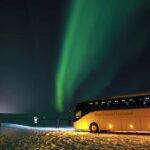
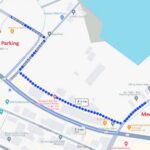
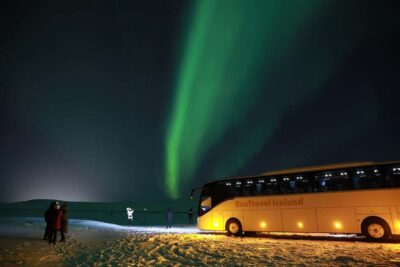
You start from the BSI bus terminal in Reykjavik (departure side). The tour description also notes that pickup is optional, and if you’re using pickup, you’ll want to be ready about 30 minutes before departure. The bus you’ll look for is marked Reykjavík Excursions.
Once you’re on board, expect a coach-style bus experience. In real-world use, these can be large groups, and you may share the ride with a lot of other aurora chasers. The upside is logistics: bigger operations often mean more coordination for moving people out of town toward darker skies. The downside is you’ll have less personal space.
One small but genuinely useful feature: free Wi-Fi on the bus. It’s helpful if you’re waiting for the departure time, checking weather apps, or just taking a breather from the cold after being out in the city.
Also, don’t underestimate how much the bus ride affects your night. If your guide provides clear instructions (like what camera settings to try, how to avoid blocking other people’s view, or how to interpret changes in the sky), you’ll feel more in control once you’re outside. That can turn a “standing around” night into an organized aurora hunt.
The hunt itself: how guides choose where you go
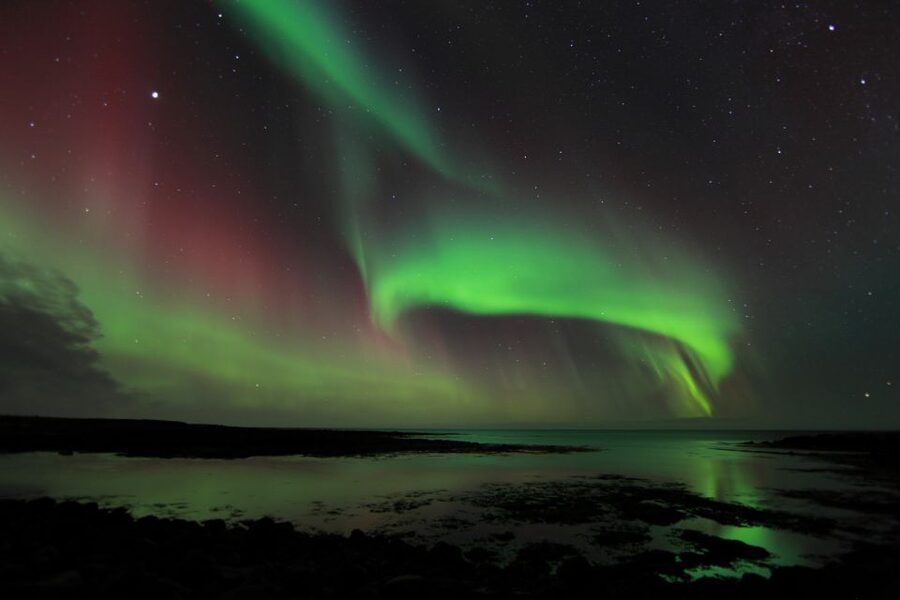
The biggest truth about this tour: the exact stops depend on conditions. That’s not a marketing line; it’s how aurora viewing works. Some evenings, clearer skies exist in one direction. Other nights, cloud cover or smoke shifts the best viewing spots. This tour plans for that by visiting a variety of locations, chosen day-by-day with weather and other factors in mind.
You can think of it like this: the guide is trying to solve three problems at once.
- Get you away from city lights where the aurora can actually show.
- Find a place with a better chance of clear skies.
- Time the viewing so you’re not stuck watching clouds roll in.
On some nights, the experience goes beyond just the aurora. The sky can also treat you to dramatic star fields and moonlight. One person described a night where the full moon rose behind a mountain and the stars looked astonishing, with aurora activity coming along too. You shouldn’t bank on that every time, but it’s a reminder that even on imperfect aurora nights, the Iceland winter sky can still be worth the effort.
Where this tour shines is the “try multiple angles” approach. It makes the night feel active, not passive. Instead of one shot at a single spot, you’re constantly looking for the best patch of sky.
What happens outside: waiting, standing, and staying sane
Here’s what you’re really signing up for: time outside. Even when the aurora is visible, it often comes and goes in pulses, and it can take a while before you see anything strong. The tour format assumes you’ll stand around in the cold and watch.
That’s why the guide’s on-site behavior matters. Good guides keep people organized: where to stand, how to face the sky, when to keep watching versus when to move positions, and how to handle photos so everyone gets a turn. In multiple accounts, guides were also described as enthusiastic and focused on helping people get results, not just showing up and hoping.
You’ll also want to plan for discomfort. Temperatures in Reykjavik can be chilly; out in the viewing areas, it can feel much colder. One account mentioned conditions around -16. That’s the kind of detail that changes your packing list from “warm jacket” to “serious winter gear.”
Some operations also add warmth during the viewing stretches. One evening had a bonfire and hot chocolate offered after an issue with the bus, and that kind of improvisation can make a freezing night feel much more manageable. You shouldn’t count on surprises, but you can take comfort in knowing the team’s primary goal is keeping you warm enough to keep watching.

Capturing the aurora: camera tips you’ll actually use
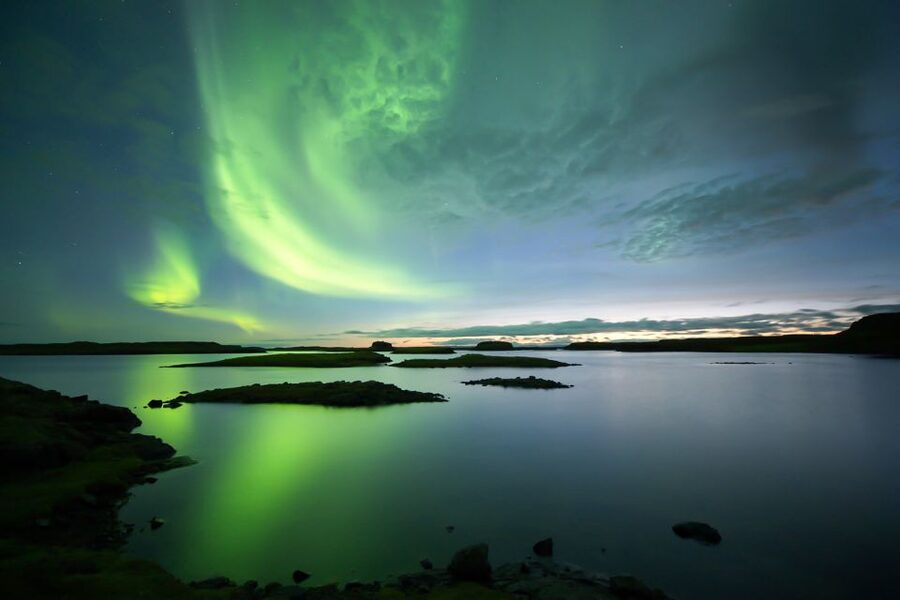
If you care about photos, you’ll appreciate that the guides often give practical help rather than vague advice. In accounts from this tour, guides helped people with exposure settings so the lights show up instead of turning into blurry streaks or dark noise. There’s also guidance for shooting with phones, which is great because most people don’t travel with a full setup for astrophotography.
One useful thing to remember: aurora photos don’t look like what your eyes see in the moment. Your eyes adapt to darkness, while cameras capture differently. A guide who explains exposure and focus basics helps you avoid the classic problem of taking 200 shots that all look the same.
You’ll also hear advice tied to real viewing conditions, like managing light pollution effects and waiting for changes in the sky. On stronger nights, people reported aurora movement and dancing color patterns that lasted for extended periods. On quieter nights, you might only get a few moments of activity—so having a guide steer you toward the right settings can be the difference between “we tried” and “we got it.”
If you want the best odds for photos, you should listen closely on the bus. That’s usually where guides give the most useful baseline info, because once you’re outside, you’re busy keeping warm and looking up.
Timing: 3–4 hours, and why the 9 PM departure gets extra love
The tour runs about 3 to 4 hours depending on the night and scheduling. That’s a manageable window for an experience that can run long in the cold. It’s also short enough that you can still enjoy Reykjavik the next day without feeling wrecked.
One practical note from experience: the 9 PM departure is often suggested for better viewing chances. The reasoning is simple—later nights can line up differently with the sky conditions, and you spend more time in that deep-night window when aurora activity can be more likely to show. Even with good planning, aurora viewing stays unpredictable, so consider this a “better bet” rather than a guarantee.
I also like that the tour structure doesn’t trap you all night. You get a focused push for the aurora, and if the show is delayed, you’re still in motion trying to improve odds. That’s better than “sit in one place from 10 PM to 1 AM and hope.”
And yes, there’s a small perk on the 9 PM outing: people may be able to buy freshly baked waffles and hot beverages on-site. It’s not the core of the experience, but it’s a morale boost when your hands are cold and you’re waiting for the sky to wake up.
Price and value: $69, plus the free second chance
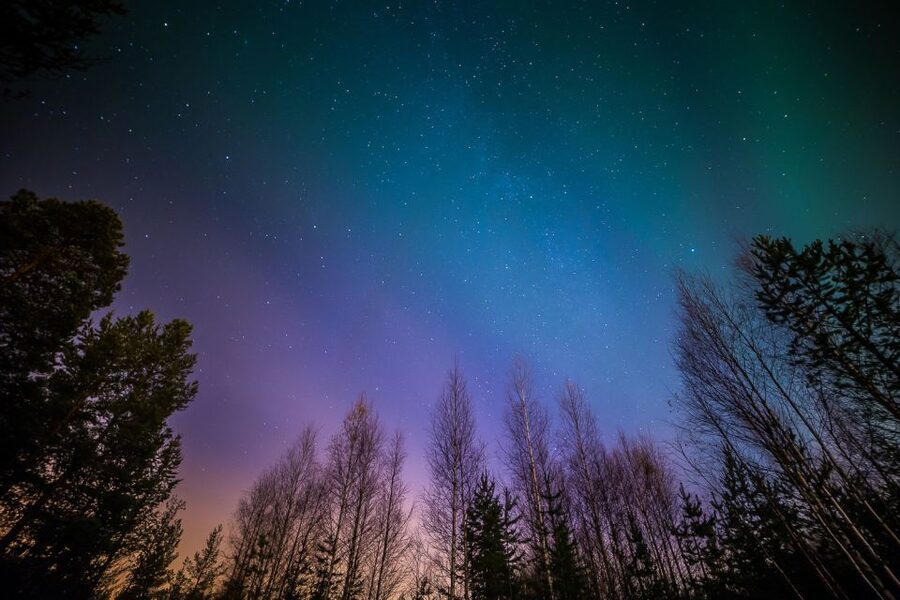
At about $69 per person, this tour lands in a practical midrange for Reykjavik. The question isn’t only the ticket price; it’s what you’re buying.
You’re buying:
- a bus ride out of town,
- an English-speaking guide to help you find and interpret conditions,
- and a repeat option if the aurora doesn’t show on your first go.
That free return is the real value lever. Northern Lights tours are risky by nature. Clouds, haze, moonlight, and timing can all spoil the view. The chance to rebook free of charge lowers your financial risk and gives you a second opportunity without paying twice.
Also, the tour includes free Wi-Fi on the bus, which is a small comfort, but it helps you stay connected and sane while you wait. Refreshments are not included, but there are options for hot drinks and waffles on at least the 9 PM departure, which helps you avoid spending the entire night frozen.
Where you should be honest with yourself: if you hate cold, dislike standing still, or want a guaranteed show, this isn’t the right fit. If you’re okay with bundling up and treating the night as an adventure, then $69 feels reasonable—especially because you’re likely not getting a one-off “maybe.” You’re getting guidance, movement, and a backup plan.
Who this tour fits best
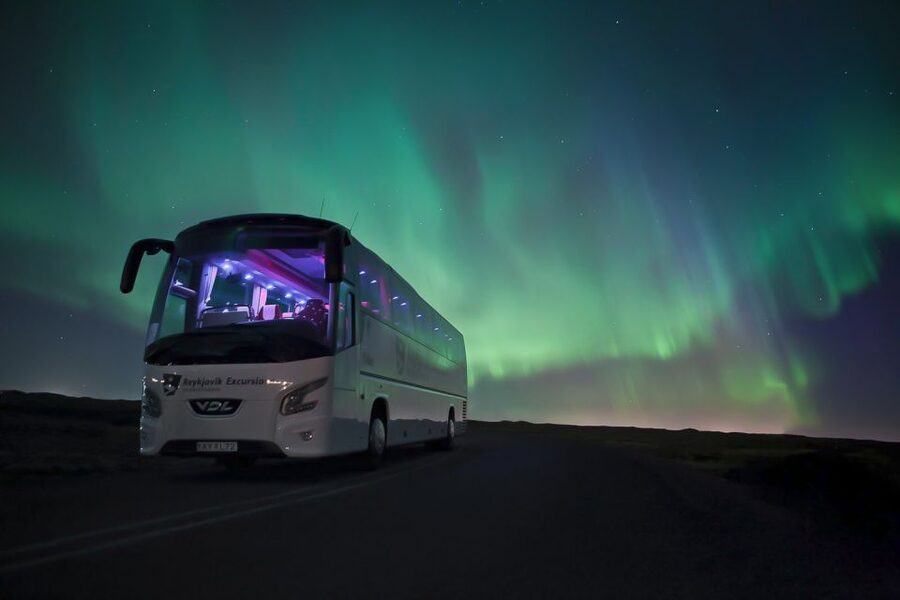
I’d point you toward this tour if you want a guided experience that balances fun with practical results. It’s especially good for:
- first-time aurora hunters who don’t know what to look for,
- people who want help with camera settings,
- anyone who wants a backup option thanks to the free rebooking.
It can also be a nice choice for groups of friends or couples. The guide energy helps break the ice when you’re all bundled up and waiting in near-darkness, and the bus ride gives you time to learn without standing in the wind.
If you’re the type of traveler who wants quiet, small-group attention, this tour might feel a bit crowded at times. Some nights include lots of other coaches and large numbers of people. You’ll still have a good time, but your experience will be more “organized crowd aurora” than “tailored private stargazing.”
So I’d use a simple rule: pick this tour if you want the best shot through coordination and guidance. Choose a smaller group if you’re chasing maximum personal space and quieter viewing.
The weather reality check: what to bring so you’re not miserable
Northern Lights tours punish light packing. Bring layers, and bring them like you mean it.
Minimum essentials:
- Warm clothing in multiple layers
- Comfortable shoes with grip for standing outside
- A mindset that you’ll spend time outside looking up
Even if Reykjavik feels manageable in the evening, the viewing areas can be colder. If you plan to stand still for long stretches, your shoes and hands matter more than you’d expect. Thick-soled shoes help, and gloves that actually keep your fingers warm will save your night.
A smart strategy: dress warm enough that you can stand outside without constantly shifting from foot to foot. If you’re constantly cold, you’ll miss the subtle moments when aurora activity starts to build.
Also watch your email updates before you go. Conditions can change, and the tour may adjust based on the sky. You want to be ready with the right expectations when you arrive.
Should you book this Northern Lights tour?
Book it if you want a guided aurora search with real-world support: instruction from an English-speaking local guide, help with camera settings, a bus that keeps things comfortable, and the big safety net of a free return if the aurora doesn’t show.
Skip it only if you need guaranteed results, dislike cold-weather standing, or want a small, quiet group experience. The tour’s strength is its ability to improve your odds through motion and expert guidance—not promising a guaranteed show.
If you’re traveling to Reykjavik during aurora season and you’re willing to layer up and wait, this is a solid, practical way to spend one of your nights.
FAQ
How long is the Northern Lights tour?
The tour lasts about 3 to 4 hours, depending on the night. Check availability for exact starting times.
Is seeing the Northern Lights guaranteed?
No. Aurora viewing is unpredictable and depends on weather and conditions, so sightings are not guaranteed.
What is the meeting point in Reykjavik?
You meet at the departure side at the BSI bus terminal. The tour ends back at the meeting point.
Do I need to bring my own warm clothing?
Yes. You should bring warm clothing and comfortable shoes, and expect to spend time standing outside in cold winter conditions.
Is Wi-Fi provided?
Yes. There is free Wi-Fi on the bus.
What happens if I don’t see the lights the first time?
If you don’t see the aurora during your first tour, you can join the tour again for free.
More Tours in Reykjavik
More Tour Reviews in Reykjavik
More Nights Under the Aurora
Fresh off the road around Reykjavik
Northern Lights Tours, compared.
 ★ 4.3Northern Lights Bus Tour with Hot CocoaFrom $7413,947 reviews
 ★ 4.4Small-Group Premium Northern Lights Tour from ReykjavikFrom $1072,977 reviews
 ★ 4.5#1 Northern Lights Tour In Iceland from Reykjavik with PRO photos2,887 reviews
 ★ 4.5Northern Lights Small-Group Tour with Hot Chocolate & PhotosFrom $1722,068 reviews
 ★ 3.5Northern Lights Night Tour from ReykjavikFrom $631,921 reviews
 ★ 4.0Northern Lights Bus Tour from Reykjavik with Hot ChocolateFrom $761,782 reviews
 ★ 3.7Northern Lights Tour with Lifetime GuaranteeFrom $731,578 reviews
 ★ 4.4Northern Lights Yacht TourFrom $931,253 reviews
Browse the lists this tour appears in