
Reviewed · GOLDEN CIRCLE TOURS
From Reykjavik: Golden Circle and Northern Lights Tour
Golden Circle by day, aurora by night. I love the tight pairing of Þingvellir tectonic walking and Gullfoss thunder, and I love that the night part comes with a trained Northern Lights guide and hands-on camera setup tips. One consideration: if clouds roll in, you can end up waiting a long time at the aurora spot with limited action.
Between the day drive and the evening hunt, the tour is built to keep you comfortable and powered. You’ll have Wi‑Fi and a USB charger for each seat, plus a multilingual audio guide you can run through the app with your own headphones. It’s a good setup for value, but it’s still a long day on coaches in winter.
In This Review
- Key things I’d bank on
- Golden Circle in one day: Þingvellir, Geysir, Gullfoss
- What you’re really buying here
- Þingvellir: tectonic proof plus walkable time
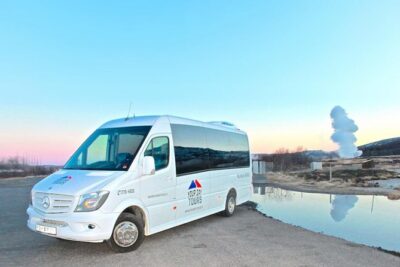
- Geysir geothermal area: steam, bubbles, and eruption timing
- The downside of Geysir
- Gullfoss: the “wow” stop with real time for photos
- Reykjavik break: where the day actually resets before aurora time
- Northern Lights hunting: how the guide helps you when the sky is slow
- The “single spot” reality
- What to wear when it’s -17°C and wind is doing its thing
- Comfort, tech, and audio: what makes the long day easier
- Guide style: fun, but sometimes nonstop
- Price and value at about $153: what you’re getting for the money
- When it might not be your best choice
- Should you book this Golden Circle and Northern Lights combo?
- FAQ
- What’s the duration of the Golden Circle and Northern Lights tour?
- Where does the tour start in Reykjavik?
- Is the Northern Lights part only available in certain months?
- What do I need to bring for the aurora portion?
- Is an audio guide included, and what about headphones?
- What camera support is provided?
Key things I’d bank on
- Þingvellir National Park: tectonic plates, dramatic rift views, and time for photos and short exploring
- Geysir geothermal area: a chance to see erupting hot springs (timing depends on what’s active)
- Gullfoss Waterfall: a full-on 32-meter drop into a canyon, with enough time to get your shots
- A trained Northern Lights guide: they help with camera settings and spotting patterns when the sky starts slow
- A realistic aurora plan: only runs in winter months and depends on cloud cover and visibility
The classic loop, run a few other ways
- Reykjavik: Golden Circle Full-Day Tour with Kerid Crater★ 4.8 · 24,485 reviews
- From Reykjavik: Golden Circle, Kerid, & Secret Lagoon Tour★ 4.8 · 6,009 reviews
- Small-Group Golden Circle, Blue Lagoon with Ticket & Kerid Crater★ 5.0 · 5,631 reviews
Golden Circle in one day: Þingvellir, Geysir, Gullfoss
This is a straightforward “big hits” day built around Iceland’s Golden Circle trio, with coach travel timed to keep you moving without feeling like a drive-by sightseeing tour. The whole plan matters because these stops are spaced out, and your time gets spent at the places that actually do the heavy lifting: Þingvellir’s geology, Geysir’s geothermal energy, and Gullfoss’s waterfall power.
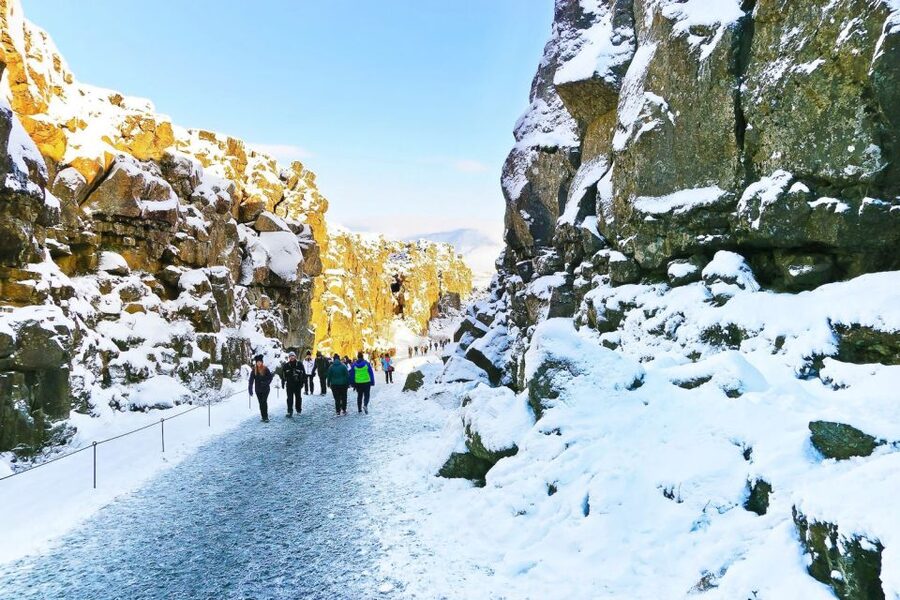
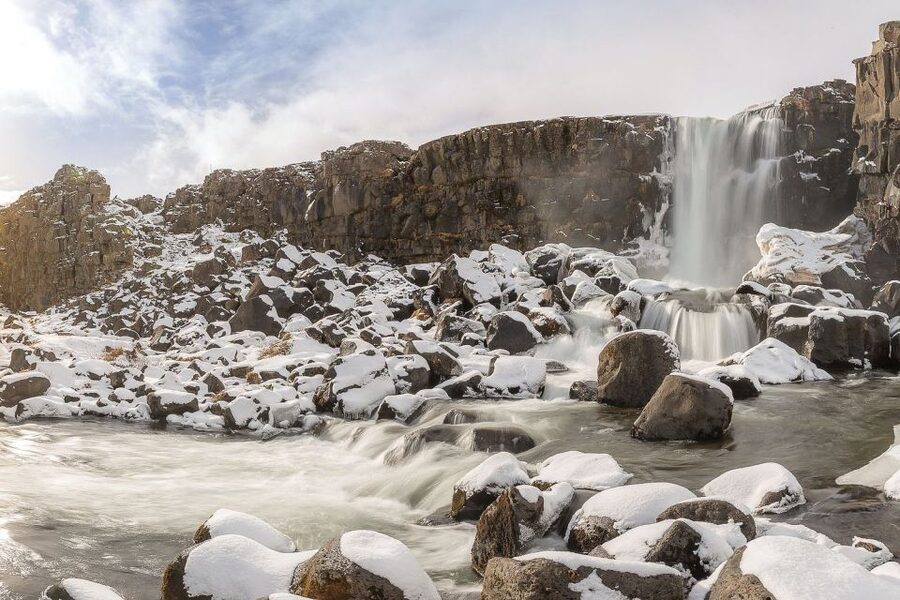
Þingvellir National Park is where the tour starts to feel truly Iceland. You get a photo stop and sightseeing time (about 45 minutes) so you can look out across the rift area and understand the North American and Eurasian plates being pulled apart. If you like history, this place has it in a physical way: it’s a park where you can see the earth doing something, not just read about it. Some guides also make time feel more active by encouraging a short walk into the fissure area when conditions allow, which adds a cool sense of scale.
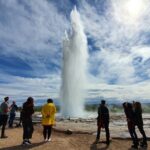
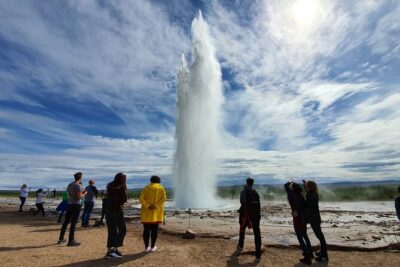
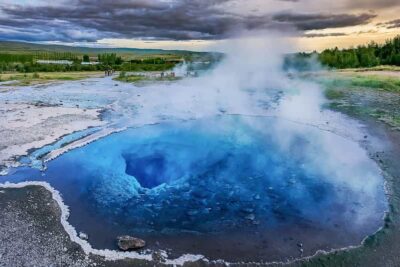
Then comes the geothermal stop: Geysir geothermal area. The time block includes a break, a photo stop, and sightseeing (about an hour). This is the part people remember for the sudden action—steam, bubbling pools, and eruptions from the hot spring system. If you’ve got even a mild interest in how Iceland works under the crust, this one-hour stop gives you the sensory proof.
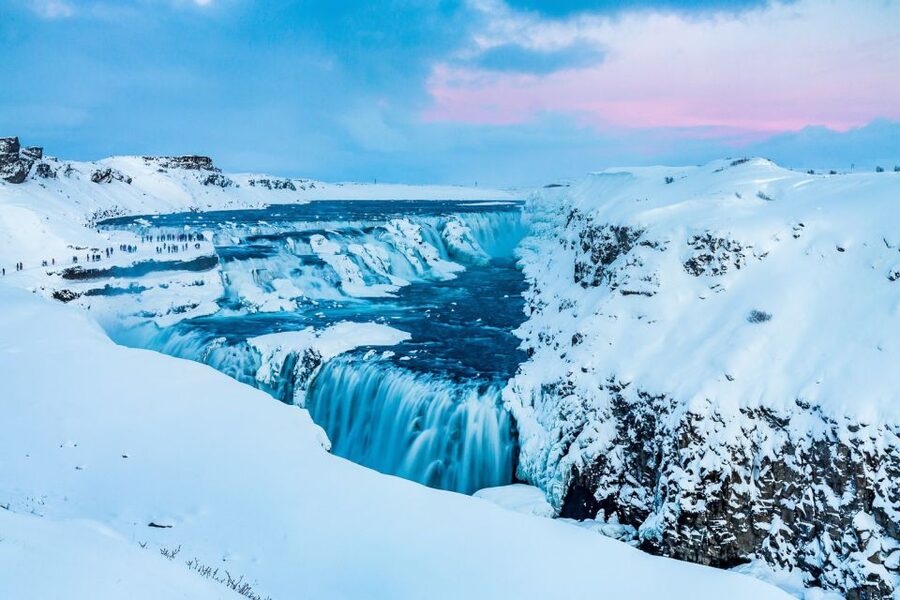
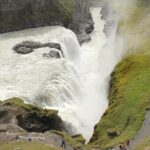
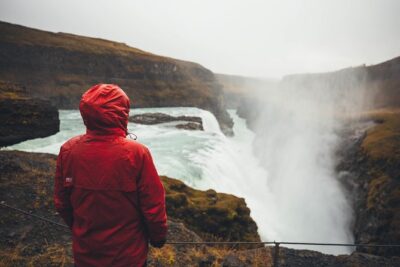
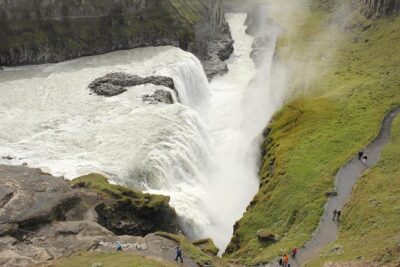
Finally, you land at Gullfoss Waterfall. The tour schedules a photo stop and sightseeing time (about an hour). Gullfoss is famous for a reason: a glacial river drops about 32 meters into a canyon. Up close, it feels louder than you expect, and the spray can be intense. In weather like wind-driven mist, you’ll be glad you packed a waterproof jacket you actually want to wear.
What you’re really buying here
You’re paying for convenience and structure. Instead of piecing together separate tours or renting a car, you get a single day plan that hits three “must-see” sites with built-in stops and guiding. That’s why the value works best for visitors who want the Golden Circle done cleanly on the first trip out of Reykjavík.
Þingvellir: tectonic proof plus walkable time
Þingvellir is the stop that turns vague “Iceland is volcanic” talk into something you can point to. You’re not just looking at scenery—you’re seeing a rift zone tied to plate tectonics. The tour gives you time to absorb that, not just pose for a photo and move on.
A practical note: you’ll likely be taking photos in changeable light. Even in winter, clouds can shift fast, and Þingvellir’s open spaces make wind a factor. Wear layers you can adjust on the go, because you may feel fine while standing still and then get hit with cold the moment the breeze catches you.
One more detail I like: the plan doesn’t only frame Þingvellir as an education stop. It’s also a “slow down and look” stop. That matters when you’re traveling by coach, where everything else tends to feel rushed.
Geysir geothermal area: steam, bubbles, and eruption timing

Geysir is pure geothermal theater. The tour’s scheduled time gives you the chance to watch the activity and catch the timing of eruptions if you’re there when things are working. There are different features in this geothermal zone, but what visitors commonly remember is the visible eruption cycle—hot water and steam pushing skyward from the hot springs system.
If you’re the type who loves watching patterns, you’ll probably have fun here. Some active eruptions can come in regular bursts, so the guide can help you understand what you’re seeing and when you should look up. If conditions are foggy or wind keeps steam blowing sideways, don’t panic. It’s still the same geothermal action—just harder to track visually.
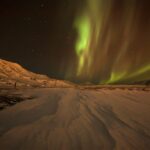
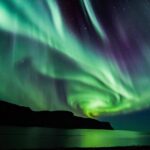
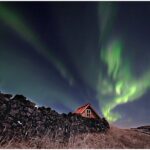
Other nights out chasing the aurora
The downside of Geysir
It’s not always perfectly timed. If eruptions are quiet when you arrive, you’ll still see bubbling geothermal features and steam, but you might not get a big eruption on the dot. That’s one of the realities of Iceland’s natural systems—your best option is to enjoy what you can see and let the timing happen naturally.
Gullfoss: the “wow” stop with real time for photos
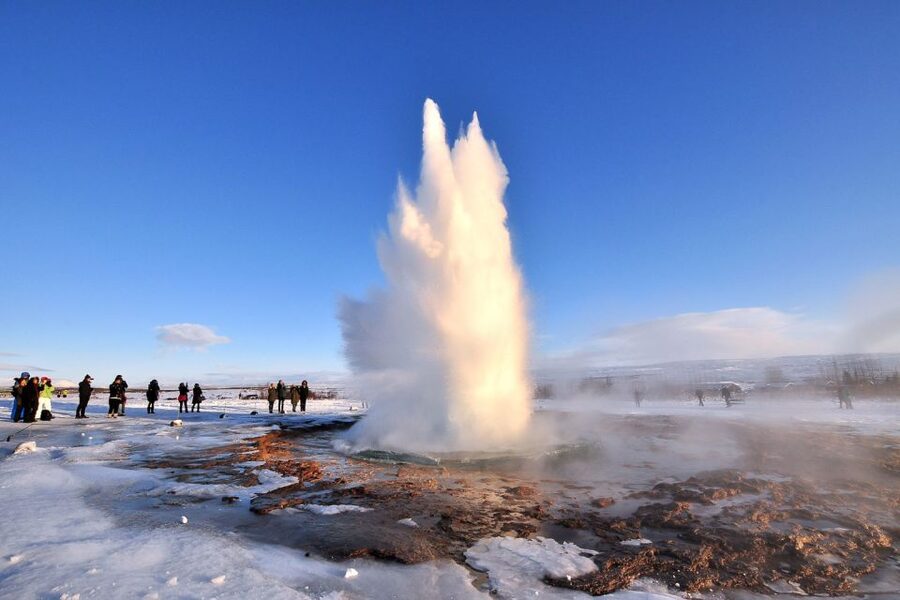
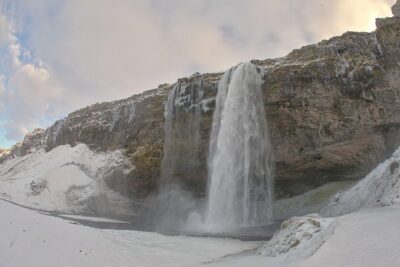
Gullfoss is the Golden Circle moment that feels like a headline. A glacial river drops into a canyon, about 32 meters down, and the roar carries even when you’re a bit away from the strongest spray zones.
The tour gives you roughly an hour here. That’s enough time to:
- get a close-view photo,
- walk to viewpoints without feeling like you’re sprinting,
- and still sit for a minute to let the scale hit you.
In winter, the spray and wind can make this feel colder than you planned. Bring waterproof outerwear and good footwear. If your shoes are even slightly water-permeable, you’ll feel it.
Reykjavik break: where the day actually resets before aurora time
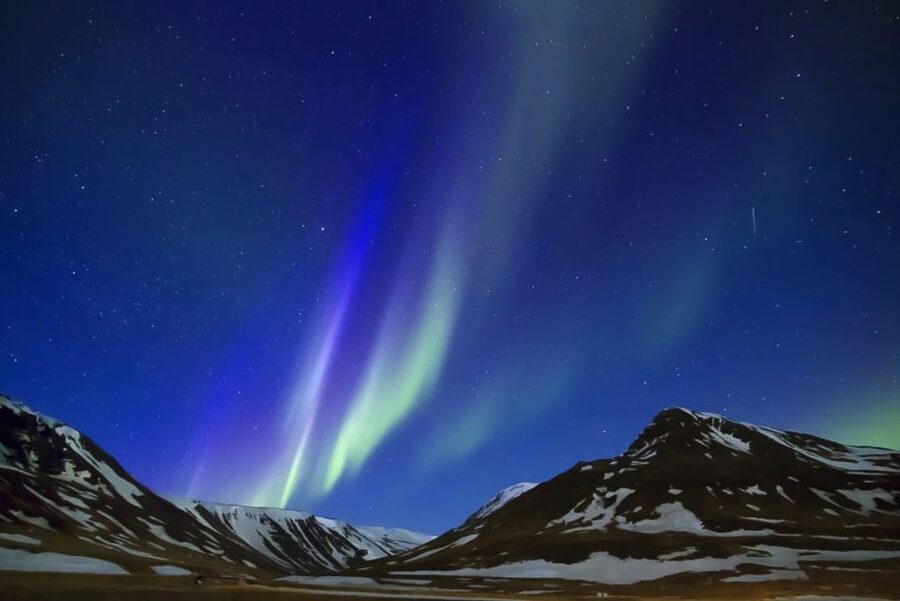
The tour day isn’t a straight line into the Northern Lights. There’s a longer break back in Reykjavík—enough time to grab dinner and recover from the cold day outside. The schedule also includes Reykjavík time with a photo stop and a guided sightseeing segment, plus free time.
This break is not just a convenience. It’s key for aurora hunting. You want energy for the night part, and you want to avoid the classic mistake of trying to hunt the sky when your body is already done.
A good way to use this window:
- Eat something warm.
- Charge your devices.
- Double-check your aurora gear (especially gloves and a waterproof layer).
The tour also runs on the winter schedule for the aurora window, with the operational time shifting by season. From early October through mid-March, the Northern Lights part runs about 21:00–00:00. In late August/September and mid-March through mid-April, it shifts to about 22:00–01:00.
Northern Lights hunting: how the guide helps you when the sky is slow
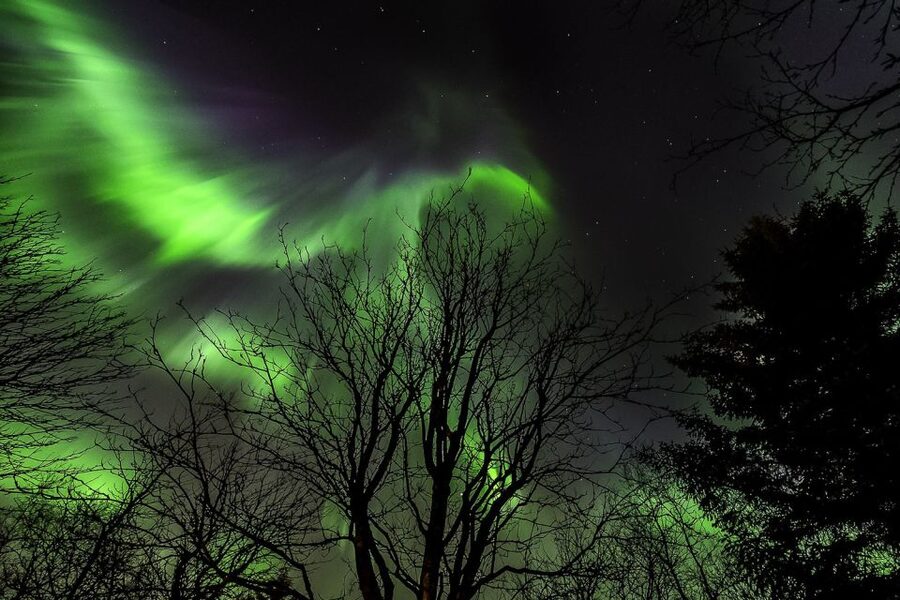
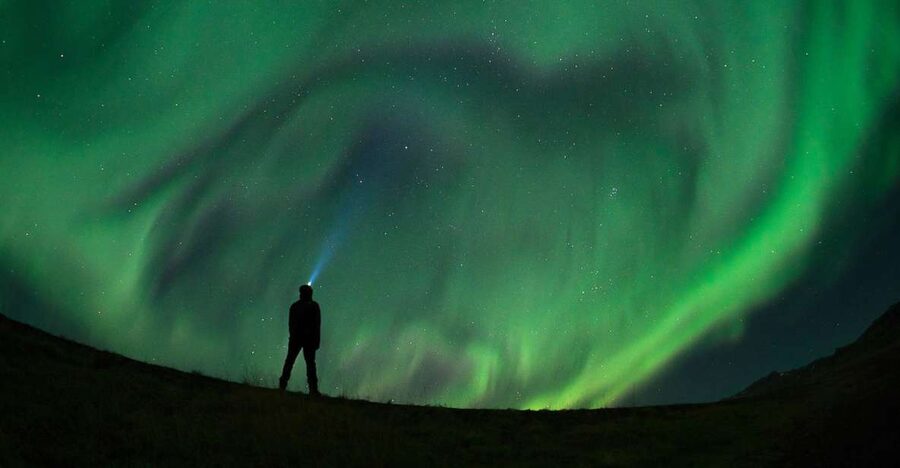
Here’s the truth: Northern Lights chasing is mostly about conditions. Clouds, wind, and visibility decide more than good intentions do. The tour’s Northern Lights portion is designed around that reality by depending on the weather forecast and visibility.
What I like is that you’re not sent out there totally blind. The tour includes:
- a specially-trained Northern Lights guide,
- instructions for setting up your camera for aurora shots,
- and on-the-ground help for spotting changes in the sky.
And the guide isn’t just pointing and talking. In successful nights, guides have been praised for staying patient when the lights started slowly and then nudging the group at the moment the sky finally lit up. That kind of timing and calm matters, because aurora hunting can feel awkward—standing around in the dark isn’t inherently fun until the sky decides to cooperate.
The “single spot” reality
One practical note based on real experiences: some nights play out like a planned stop in one area rather than constant relocation. If you’re hoping for lots of different vantage points in a single hunt, you might feel the difference versus a smaller-group aurora tour that moves more. That doesn’t mean the tour fails—it just changes what you’re paying for: structure and comfort, not endless repositioning.
What to wear when it’s -17°C and wind is doing its thing
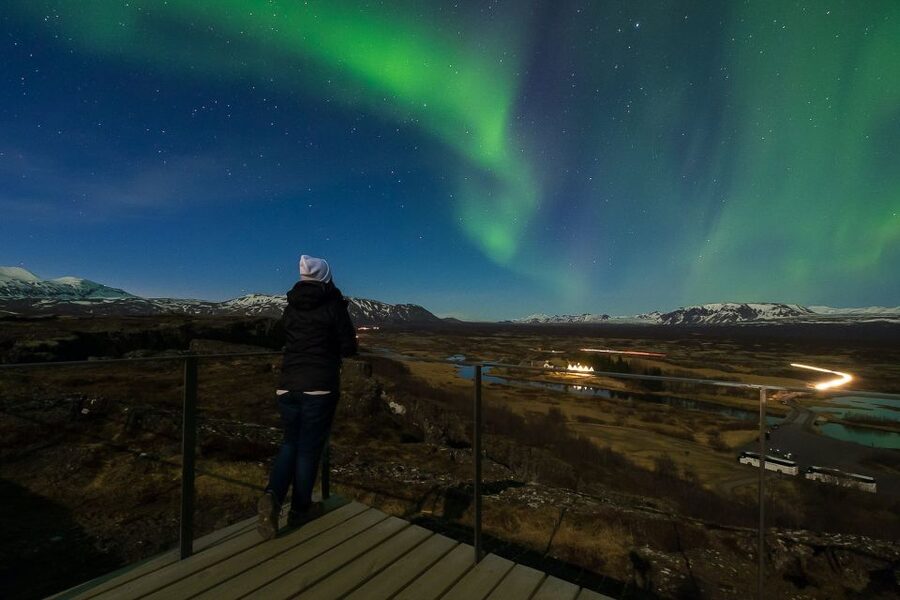
If you’re doing this combo in winter, your clothing matters as much as your itinerary. The tour specifically warns that weather can change suddenly and to bring warm, waterproof clothes: waterproof jacket and pants, headwear, and gloves, plus good outdoor shoes.
I also recommend planning for the cold to hit harder than the temperature number suggests. In very cold nights, it’s been reported that it can reach around -17°C at the aurora site, and other trips have mentioned wind chill closer to -23°C. Even if you think you can “handle cold,” aurora hunting means standing still and looking up for long stretches. That drains warmth fast.
If you want the simple checklist version:
- waterproof outer layer you’ll actually keep on,
- gloves that let you use a camera,
- warm hat/hood,
- and footwear with real grip.
Comfort, tech, and audio: what makes the long day easier
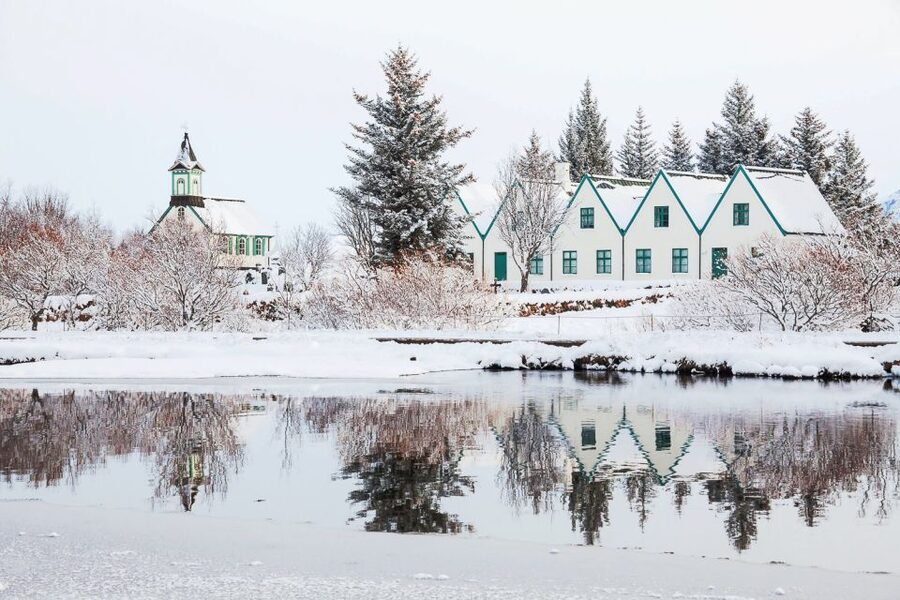
This tour is run from a big operator with coach comfort built in. You start from BSÍ Bus Terminal in Reykjavík, and you should arrive at least 15 minutes early so you’re not stressed at check-in time.
If you choose optional hotel pickup, it can take a bit to collect everyone since each driver may cover several stops. That’s normal for a multi-stop pickup system, so plan buffer time.
Onboard, you get helpful small perks:
- Wi‑Fi and a USB charger for each seat,
- a multilingual audio guide available through an app,
- and a reminder to bring your own headphones if you want to use it.
The audio guide languages listed include Spanish, Chinese, Dutch, English, Finnish, French, German, Italian, Japanese, Korean. That’s a big plus if you’re traveling with someone who wants more flexibility than waiting for a live guide translation.
Guide style: fun, but sometimes nonstop
I appreciate when guides work hard to keep the ride interesting. On some days, guides have been praised for humor and good pacing—like a duo such as PJ and Lauren being described as informative and funny, or Rosa including playful storytelling. Others have noted a more information-heavy delivery in parts of the day and suggested having quieter time to actually look around.
That’s why I advise you to balance your input with your own breaks. Take the audio on when you want it. Then shut it off when you’re at the viewpoint and just take in the air and the distance.
Price and value at about $153: what you’re getting for the money
At around $153 per person for a 9-hour combo, the value comes from two things: you’re paying for guided structure plus two different experiences packed into one departure from Reykjavík.
You get:
- guided Golden Circle time with a local guide for Þingvellir, Geysir, and Gullfoss,
- a specially-trained aurora guide for the evening hunt,
- camera setup instructions,
- and convenience perks like seat power, Wi‑Fi, and audio guide access.
There’s also the time value. If you were to do Golden Circle and Northern Lights as separate bookings, you might spend more time organizing, coordinating timing, and handling additional transfers. One traveler described this combo as working out cheaper than doing two separate tours, which fits the practical math: fewer moving parts often saves money and stress.
When it might not be your best choice
If your top priority is the aurora itself and you’re the type who wants frequent repositioning to chase the best spot, the Northern Lights portion of this combo may feel limited compared with smaller-group aurora tours. If aurora is your one big goal, consider whether a dedicated aurora tour with a smaller group better matches your style.
Should you book this Golden Circle and Northern Lights combo?
I’d book it if you want an efficient, classic first Iceland day: tectonic rift at Þingvellir, erupting geothermal action at Geysir, and the roar of Gullfoss, then a guided shot at the Northern Lights with help setting up your camera.
I’d think twice if you hate standing around in winter and need the aurora hunt to be constantly dynamic. Conditions control everything, and even on clear forecasts, cloud cover can shut the show down. On some nights, the hunt can also feel more like one main stop than a multi-stop search.
If you’re okay with that risk—and you pack for serious cold—this combo is a solid way to do a lot without a rental car. For many visitors, that balance is exactly what Iceland is about.
FAQ
What’s the duration of the Golden Circle and Northern Lights tour?
The tour duration is listed as 9 hours.
Where does the tour start in Reykjavik?
The tour starts from BSÍ Bus Terminal in Reykjavík. You should arrive at least 15 minutes prior to departure.
Is the Northern Lights part only available in certain months?
Yes. The Northern Lights are only visible during winter months, and this tour runs on specific evening time windows during those periods.
What do I need to bring for the aurora portion?
Wear warm, waterproof clothing. The tour recommends a waterproof jacket and pants, headwear and gloves, and good outdoor shoes because weather can change quickly.
Is an audio guide included, and what about headphones?
Yes, a multilingual audio guide is included through the tour app. Headphones are not included, so bring your own if you want to use it.
What camera support is provided?
The tour includes instructions on how to set up your camera to capture the Northern Lights and the night sky.
More Tour Reviews in Reykjavik

More Nights Under the Aurora
The Golden Circle, A Few More Ways Round
Fresh off the road around Reykjavik
Golden Circle Tours, compared.
 ★ 4.8Golden Circle Full-Day Tour with Kerid CraterFrom $8224,485 reviews
 ★ 4.8Golden Circle, Kerid, & Secret Lagoon TourFrom $1326,009 reviews
 ★ 5.0Small-Group Golden Circle, Blue Lagoon with Ticket & Kerid CraterFrom $2495,631 reviews
 ★ 4.5Golden Circle Classic Day Tour from ReykjavikFrom $735,195 reviews
 ★ 4.9Golden Circle, Kerid Crater, & Blue Lagoon TourFrom $2434,351 reviews
 ★ 4.5Golden Circle with Kerid Volcanic Crater Day Tour from ReykjavikFrom $852,826 reviews
 ★ 4.6Golden Circle Full Day TourFrom $842,337 reviews
 ★ 5.0Small-group Golden Circle Classic Tour from ReykjavikFrom $1162,023 reviews
Browse the lists this tour appears in