Falcon Rock calls for guts and good technique. This 3-hour via ferrata at Fálkaklettur pairs ocean views with a real climb you’ll remember. You start at Mt. Esja parking and finish back where you began, with instructors along the way and rentals included.
What I like most is the focus on feeling safe while still getting a proper challenge. In particular, the guides (including names like Haraldur and Elli) are calm, patient, and encouraging, and you get clear safety talk before you clip in. Another big win: the top views are the kind of reward that makes the effort feel like money well spent.
The one thing to think about is physical comfort. You should have moderate fitness for a route that can include more technical sections, and you’ll be relying on gear, stance, and your own balance on the rock.
In This Review
- Key things to know before you climb Fálkaklettur
- Falcon Rock Via Ferrata: why this climb feels special
- Meeting at Mt. Esja: your start point and first-time via ferrata prep
- The climb: technical sections, route options, and guide help
- Views from the top: Reykjavik and ocean reward for your effort
- Gear, equipment, and what you should plan to bring
- Timing, group size, and how the tour flow stays manageable
- Price and value: what $145 gets you in Iceland terms
- Who this via ferrata is best for (and who should rethink it)
- A practical heads-up on weather and what happens if conditions change
- Final call: should you book Falkaklettur’s Falcon Rock via ferrata?
- FAQ
- FAQ
- Where does the Falkaklettur via ferrata tour start?
- How long is the Falcon Rock (Fálkaklettur) via ferrata adventure?
- What’s included in the tour?
- Do I need a climbing background?
- How big are the groups?
- What if weather is bad?
Key things to know before you climb Fálkaklettur
- Small group size (max 8): easier pacing, more attention, less waiting around.
- Daily departures with an instructor: you’re not winging it out there.
- Rental equipment included: no hunting for harnesses in Reykjavik first.
- Ocean and Reykjavik views: the payoff is built into the route.
- Route options depending on ability: you can match the climb to your comfort level.
- English tours: instruction is straightforward even if your Icelandic is still stuck on yes and no.
Weighing this one up? Here are a few Reykjavik favourites to set it against.
- Reykjavik: Golden Circle Full-Day Tour with Kerid Crater★ 4.8 · 24,485 reviews
- Reykjavik Food Walk – Local Foodie Adventure in Iceland★ 5.0 · 18,952 reviews
- From Reykjavik: Northern Lights Bus Tour with Hot Cocoa★ 4.3 · 13,947 reviews
Falcon Rock Via Ferrata: why this climb feels special
If you’ve ever watched someone climb with steel cables and thought, that looks intense, but also kind of fun—you’ll get the real answer here. Fálkaklettur’s Falcon Rock via ferrata sits above the water with wide sightlines toward Reykjavik. The setting matters because the route itself doesn’t just test your arms. It also asks you to stay present while you look out over the ocean and the city far below.
I like that this adventure is built as a short, focused hit. Around 2–3 hours on the rock means you’re not signing up for a half-day hike just to reach the start of the climbing. In practice, that time window makes it easier to fit into a Reykjavik trip without wrecking your schedule.
And yes, it’s thrilling. Several people describe that mix of nerves and adrenaline, followed by the relief of actually doing it. That’s the core point of via ferrata: it’s not free-climbing. It’s a controlled challenge, with a guide mindset that keeps things fun instead of scary.
Meeting at Mt. Esja: your start point and first-time via ferrata prep
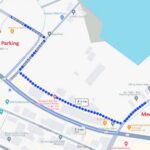
Your tour begins at the Mt. Esja parking area: Bílastæði við Esjurætur, Lækjarmelur, 116 Mógilsá, Iceland. It’s the kind of meeting point that’s easy to reach and easy to find once you’re in the area. The operator also notes it’s near public transportation, which helps if you’re juggling Reykjavik logistics and not renting a car.
Before you climb, you’ll get outfitted and briefed. Riders mention a warm, personal feel at the start, including homely touches like fresh cookies from guide Bjarnþóra. You shouldn’t expect that every single day as a hard promise, but it does match the operator’s vibe: this isn’t cold and mechanical. It’s instructional, with comfort so you can focus on the route.
You’ll also get safety instructions and proper guidance on how to move through the ferrata system. That includes how to clip and unclip, how to use the cables and metal fixtures, and how to keep your balance when the rock gets more technical. For first-timers, that first briefing is where the trip turns from scary to doable.
The climb: technical sections, route options, and guide help
Once you’re on Falcon Rock, you’ll be living in small decisions. Where should you place your foot? How do you move your hands while keeping your body stable? Via ferrata is all about rhythm, and guides help you find it.
One of the most praised parts of this experience is how professional and patient the instruction feels. People who went as first-time climbers still made it to the top, even when some sections were described as quite technical. That doesn’t mean it’s a kid’s activity. It means the guides know how to coach you through the tricky bits without turning the climb into a test you fail.
You should also know that you’ll have route choice depending on ability. That’s valuable because it keeps the challenge honest. If you’re comfortable with heights and want more intensity, you’ll likely get a tougher line. If you’re newer or just want the safest path to a great view, you can aim for a route that matches your comfort.
And for those “I can’t do this” moments? That’s normal. The best coaching shows up right then—calm words, clear steps, and encouragement that’s specific to what you’re struggling with. In past climbs, instructors like Haraldur and Elli have been singled out for making people feel safe while still allowing the adventure to feel real.
Views from the top: Reykjavik and ocean reward for your effort
The real pay-off is the viewpoint. You climb Falcon Rock with spectacular views over the ocean to Reykjavik city. That combination matters because the scenery isn’t just pretty background. It turns the climb into a journey toward something concrete.
When you reach the top, it hits differently than a lookout you can visit by walking. You’ve earned that view with your own effort while staying controlled on metal cables. That’s why people describe the moment as a pure win—like pushing through the part where you question yourself and then finally realizing, yep, you did it.
For photographers, this is where your time pays off. The operator notes the experience includes guidance that can make the whole thing feel supported, and one review specifically mentions a guide taking great photos and sharing them afterward. Even if you bring your own camera, you’ll likely appreciate having someone else help capture your climb from the right angles.

Gear, equipment, and what you should plan to bring
The tour includes rental equipment and runs with an instructor and gear provided. That’s a big part of the value, because climbing harnesses and via ferrata kits aren’t everyday purchases. Having everything handled for you keeps the experience from turning into an extra headache.
What you bring matters, though. The data you have confirms the trip is roughly 3 hours and depends on weather. So you’ll want clothes suited to Icelandic conditions—layers you can climb in, plus footwear with grip. If you show up in rigid shoes that can’t stand stable on rock or you forget warm layers, you’ll feel it.
Also, because this requires moderate physical fitness, you should plan for the effort. You don’t need to be a rock climber. But you do need to be comfortable with sustained movement, controlled foot placement, and staying focused when the route turns more technical.
Timing, group size, and how the tour flow stays manageable
This is set up as a tight adventure. Tours run daily, and the schedule is designed around a 2–3 hour total time on the mountain. That time frame makes it easy to pair with other Reykjavik plans. You won’t be guessing all day what time you’ll finish.
The group limit is maximum 8 travelers. For via ferrata, smaller groups matter. It means less time waiting your turn to get instructions or to move through more involved sections. It also means the guide can spot issues fast—like foot placement, clip technique, or the point where someone is hesitating and needs encouragement.
The tour is offered in English with confirmation at booking time, and you’ll get a mobile ticket. That’s helpful for straightforward planning: you can keep everything on your phone and spend less time managing paperwork.
Price and value: what $145 gets you in Iceland terms
At $145 per person, this isn’t the cheapest thing you can do around Reykjavik. But it’s also not priced like a private mountaineering service. You’re paying for three main pieces of value:
1) Instructors guiding a technical activity. That coaching reduces risk and turns first-timer anxiety into actual progress.
2) Rental equipment included. That alone can change the economics of doing via ferrata without stress-shopping for gear.
3) A small-group experience. With max 8 people, the attention level typically stays higher than bigger tours.
In Iceland, weather can rearrange plans, and operating via ferrata also means staffing on-demand. So the price makes more sense once you treat it like an activity built around safety support, not just sightseeing.
For the kind of “I did that” confidence you get afterward, this feels like solid value if you want something more active than a bus tour, but less extreme than a full climbing expedition.
Who this via ferrata is best for (and who should rethink it)
This tour fits best if you want an adventure with real stakes and real payoff, but you still want guardrails. It’s a great choice for couples, friends, and small groups who like challenges and don’t mind a bit of adrenaline.
It’s also ideal if you’re a first-time climber. Multiple guides have been described as patient and professional, and the route can adjust to your ability. That mix—support plus challenge—is what makes the experience work for beginners.
You should rethink it if you’re dealing with serious balance issues or you’re not comfortable with heights. The tour asks for moderate physical fitness, and the climbing can include more technical sections. If you’re unsure, it’s better to be honest about your limits and let the guide steer you toward a route that matches your comfort.
A practical heads-up on weather and what happens if conditions change
This experience requires good weather, and the operator says if it’s canceled due to poor weather, you’ll be offered a different date or a full refund. That matters because you’re climbing on a fixed route where conditions can change how safe it feels.
I recommend you treat the day like a plan-with-a-backup. In Iceland, that’s just common sense. If the sky is perfect at 9 am, it might not stay that way. The good news is the operator builds the experience around this reality.
Final call: should you book Falkaklettur’s Falcon Rock via ferrata?
If you want a memorable Reykjavik-area activity that mixes views, challenge, and guided safety, this is a strong yes. The best parts people highlight are consistent: professional guidance that keeps you feeling safe, a route that can scale to your ability, and an actual sense of achievement when you reach the top.
Book it if you’re ready to move for a few hours and you can handle some technical sections with guidance. Skip it only if you know you’re not up for that mix of height exposure and climbing effort.
FAQ
FAQ
Where does the Falkaklettur via ferrata tour start?
The tour starts at the Mt. Esja parking lot (Bílastæði við Esjurætur, Lækjarmelur, 116 Mógilsá, Iceland) and ends back at the same meeting point.
How long is the Falcon Rock (Fálkaklettur) via ferrata adventure?
The experience takes about 2–3 hours.
What’s included in the tour?
You’ll get an instructor, via ferrata rental equipment, and an English-language tour. You also use a mobile ticket.
Do I need a climbing background?
No specific climbing background is required in the provided info, but the tour is best for people with a moderate physical fitness level. Route options can match your ability.
How big are the groups?
The maximum group size is 8 travelers.
What if weather is bad?
The experience requires good weather. If it’s canceled due to poor weather, you’ll be offered a different date or a full refund.