
Reviewed · NORTHERN LIGHTS TOURS
8-Days Northern Lights Exploration Tour from Reykjavík
Winter nights in Iceland feel different. This 8-day Northern Lights tour from Reykjavík pairs guided sights across Iceland’s winter world with nightly aurora-watching. You also get a Northern Lights Academy program that explains what you’re seeing and then puts you outside with the right gear.
I especially like that the trip is built for the season. You’ll keep moving through winter-ready places like Vatnshellir Cave, Thingvellir National Park, and the glacier lagoon at Jökulsárlón—so you’re not just waiting for the lights. The other win for me is how much is guided: from the cave, to the geology stops, to the hot spring tastings, you’re never left figuring everything out alone.
One consideration: northern lights are never guaranteed. The tour schedules nightly searches and teaching, but weather and aurora activity control what you’ll actually see.
In This Review
- Key things that make this tour worth your time
- Northern Lights Academy nights: what you’re really paying for
- Reykjavík start and the comfort of being handled
- Grábrók and western thermal power: Iceland’s winter texture in Day 2
- Vatnshellir Cave: going underground under the glacier
- Golden Circle with a winter twist: Thingvellir, Geysir bread, and Gullfoss
- Lava Centre and Skógar: geology plus everyday Icelandic life
- Glacier lagoon and Diamond Beach: the ice day
- South coast essentials: Vik, Reynisfjara, and Seljalandsfoss
- Reykjavík wrap-up: keep it flexible on Day 8
- What you get for the price (and what it means in real terms)
- Who this tour fits best in winter
- Should you book this Northern Lights tour?
Key things that make this tour worth your time
- Northern Lights Academy combines presentations, film, and actual night chasing
- Winter footwear help includes snow/ice grippers and a flashlight for aurora hours
- Deep stops, not quick peeks: Vatnshellir underground visit and extended scenery time at major sites
- Geothermal everywhere: hot spring tastings plus a geothermal greenhouse and the Blue Lagoon soak
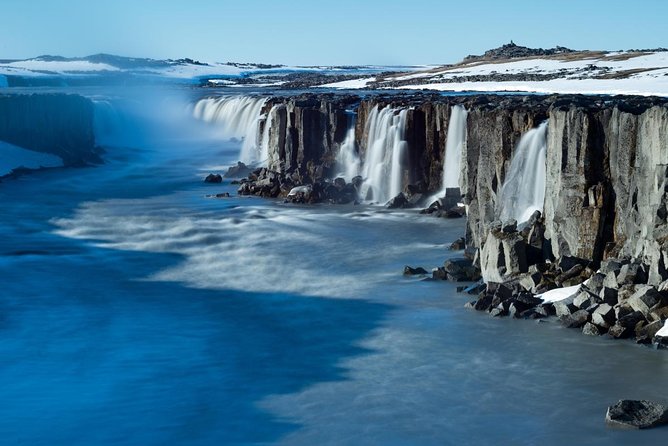
- A classic winter route linking lava fields, waterfalls, beaches, and glacier ice
Other nights out chasing the aurora
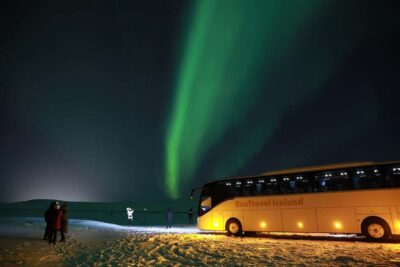
- From Reykjavik: Northern Lights Bus Tour with Hot Cocoa★ 4.3 · 13,947 reviews
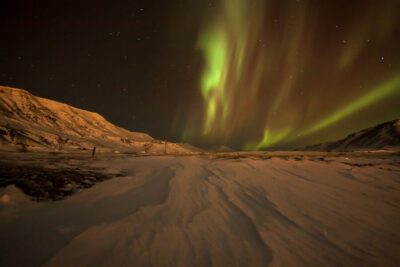
- Small-Group Premium Northern Lights Tour from Reykjavik★ 4.4 · 2,977 reviews
- #1 Northern Lights Tour In Iceland from Reykjavik with PRO photos★ 4.5 · 2,887 reviews
Northern Lights Academy nights: what you’re really paying for
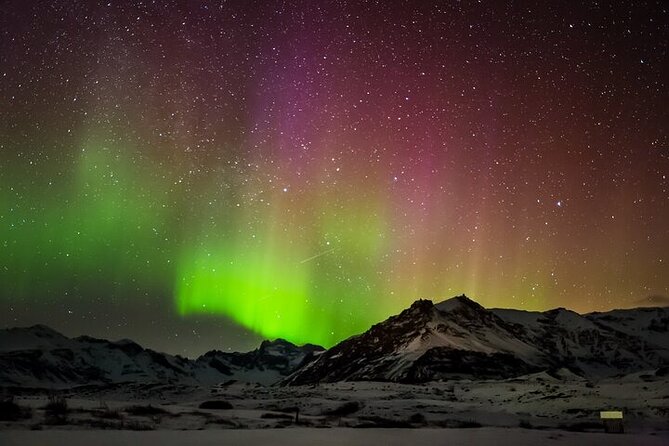
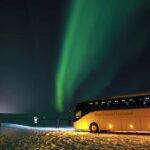
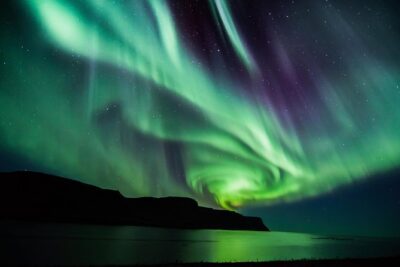
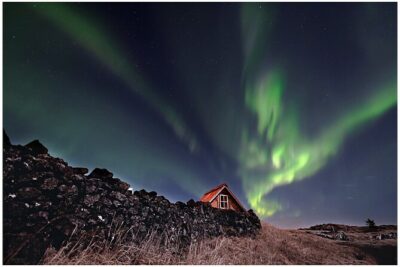
The heart of this tour isn’t just the phrase northern lights. It’s the approach: learning first, then going out at night with a plan. The Northern Lights Academy part includes a mix of presentations, film, and then Northern Lights searches. That matters because aurora viewing turns from luck-chasing into pattern-spotting when you understand what to look for.
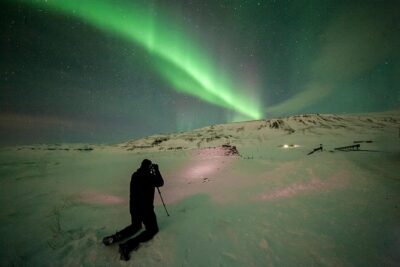
You’ll also have the right winter tools. The tour provides snow & ice grippers/spikes for your shoes and a flashlight. Even if you think you’re “prepared,” winter ground surfaces and dark walking routes can be the part that most easily ruins a night. Having the grip and light keeps you focused on the sky instead of balancing like you’re auditioning for a slapstick movie.
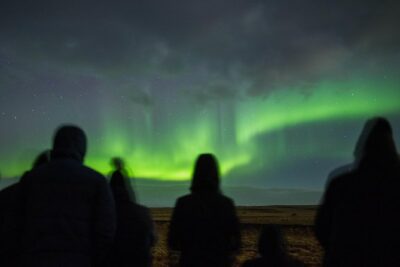
As for results: one review highlighted seeing the northern lights twice during the tour. That’s what you hope for, but it’s also a reminder that the sky decides the final score. Go in with patience, dress for cold, and be ready for multiple nights of watching rather than one big moment.
Reykjavík start and the comfort of being handled
Day 1 is a smoother “arrive and settle” setup. You’re staying in Reykjavík and you can relax at your hotel or explore on your own. The hotel location is described as walkable to Laugavegur, the main shopping street, which is handy after a flight when you just want food and a warm drink without a long transfer.
Meet-up timing on the guided day is straightforward: the tour guide meets you at Hotel Klettur before departure time in the morning (09:00 is listed). This matters because you’re traveling in winter conditions, so tight schedules are normal and you’ll want a calm start.
If you’re flying in, the airport transfer uses Flybus Plus shuttle service with no guide. The transfer takes about 45 minutes to Reykjavík’s bus station area, and then you might continue on the same bus or be transferred to a smaller coach for your accommodation, based on what the driver instructs. It’s not glamorous, but it’s practical, and it gets you positioned without hunting for taxis in weather you don’t want to wrestle.
Grábrók and western thermal power: Iceland’s winter texture in Day 2
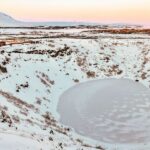
Day 2 has a nice mix: crater views, hot spring power, and “how is water doing that?” waterfalls. It begins in Reykjavík again, then moves west to Grábrók Crater. This crater is described as about 3,000 years old, surrounded by a moss-covered lava field. You get the chance to climb to the rim (about 20 minutes of climbing time, with overall stop time listed). Even in winter light, that rim view helps you understand Iceland’s volcanic ground—bumpy, mossy, and old.
Then comes Deildartunguhver Thermal Spring, noted as Europe’s most powerful hot spring, producing around 180 liters per second at nearly boiling temperatures (97°C). You don’t just look at steam. You get a sense of scale, because this is industrial-level geothermal force in a natural setting.
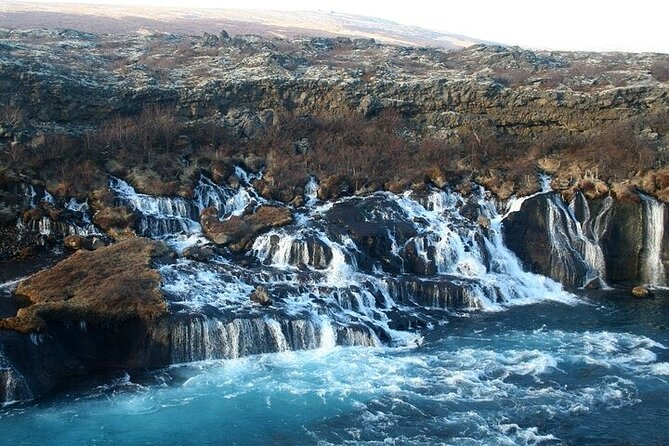
From there, the tour shifts to springs and waterfalls: Hraunfossar (Lava Falls) and then Barnafoss (Children’s Fall). Hraunfossar is described as springs appearing under a birch-covered lava field, creating a wide waterfall that can look like it’s emerging out of the lava itself. Barnafoss follows a few minutes up-river, and the stop includes mention of strange rock figures and a tragic tale. Even if you don’t remember every detail, the walk between sites helps you slow down and notice how the terrain changes.
Why I think this day is strong: you’re not only seeing famous Iceland sights. You’re collecting sensory evidence of how geothermal and volcanic activity shape daily life, the land, and even the soundscape.
Vatnshellir Cave: going underground under the glacier
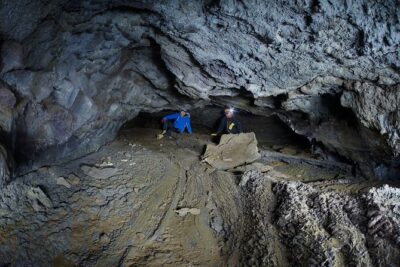
On Day 3 you get a true “wow” moment that isn’t just a viewpoint. The Vatnshellir Cave tour takes you 35 meters underground and about 200 meters into the lava tube under the glacier Snæfellsjökull. That combination—lava tube + glacier environment—feels like Iceland showing you its backstage machinery.
The time listed is about 1 hour, with an admission ticket included. With a guided cave visit, you’re also more likely to follow safe paths and understand what you’re seeing without guessing. Winter is the season where weather can slow everything down. The cave offers a different kind of experience: fewer external variables once you’re inside.
What to consider: caves can be cool and damp. The tour supplies winter gear for outside and lights for aurora time, but the cave environment itself will be its own temperature and humidity. Wear layers you can handle.

Golden Circle with a winter twist: Thingvellir, Geysir bread, and Gullfoss
Day 4 is the “big name” day, but it’s built with the winter version in mind. Thingvellir National Park is included and described as a UNESCO World Heritage site since 2004. You also get context: it’s connected to Alþingi, the oldest existing national parliament in the world, plus major historical events. Still, the real hook here is geology. You’re strolling through fissures on a plain by Thingvallavatn (Iceland’s largest lake). In winter, wide views across snow and rock give the place a stark, exact feel.
You’ll then move to Geysir, where the original geyser is dormant but Strokkur erupts every 5–10 minutes. The tour also includes a hot spring bread tasting—fresh bread cooked geothermally, served with Icelandic butter, boiled eggs, and herring. That’s a small thing, but it’s exactly the kind of “Iceland makes its own food” moment that sticks.
Next up is Gullfoss. The tour calls it the mighty waterfall of the Golden falls, with a glacial river dropping in a double cascade. The height is noted as 32 meters. On sunny days, the spray can produce rainbows, but in winter you may simply get mist and wind. Either way, the sound and scale are the point.
Finally, Fridheimar adds another layer: a visit to Icelandic horse stables and a geothermal greenhouse. It’s a reminder that geothermal energy isn’t only for views—it’s for growing and working. The horse and greenhouse combination makes this stop feel more human than a typical nature-only break.
Lava Centre and Skógar: geology plus everyday Icelandic life
Day 5 shifts toward knowledge and culture, with an interactive start. The Lava Centre is described as a multimedia, interactive exhibition about geology and active volcanoes. It’s included for about 1 hour, and it’s one of the best ways to make the later stops mean more. When you’ve already seen how the island forms, watching lava fields and volcanic terrain becomes less random and more understandable.
You then hit Skogar Museum, one of Iceland’s finer folk museums, with an outstanding collection of farm and domestic artefacts and several turf-built houses. In winter, this kind of stop does something practical: it gives you indoor warmth and a feel for how people lived before modern conveniences. Even if you’re not a museum person, the turf-house style is the kind of Iceland detail you’ll recognize in photos and roadside views.
The route also includes a multimedia presentation at the Eyjafjallajökull Volcano Information Center under the glacier with mention of the 2010 eruption and its disruption to European air traffic. This isn’t just trivia; it helps you connect Iceland’s geology to real-world consequences.
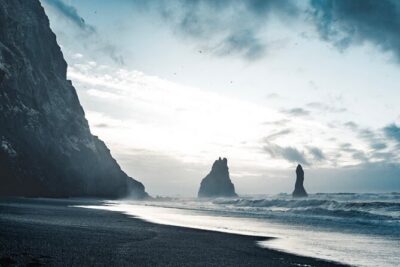
Then you move back outdoors with Reynisfjara Black Sand Beach. The tour includes bird cliffs, caves, and impressive rock formations like columnar basalt. After that, you go to Skógafoss, a waterfall about 60 meters high, with roughly 30 minutes on site.
Balance note: this day is packed. It’s great if you enjoy a busy schedule, but you should still plan for cold hands and occasional wind. Take breaks when you can.
Glacier lagoon and Diamond Beach: the ice day
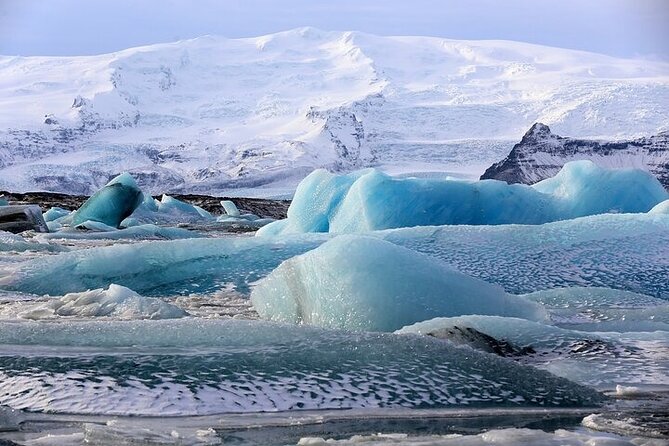
Day 6 is your glacial highlight sequence. First comes Jökulsárlón—a glacial lagoon filled with floating icebergs, plus the chance to see seals swimming in arctic waters. You get about 40 minutes here, and even in winter grey skies, the iceberg shapes tend to look unreal. The tour notes Europe’s largest national park vibes later, so this stop is your “wow” appetizer.
Across the road is Fellsfjara, described as black sandy beach and called Diamond Beach because icebergs from Jökulsárlón get stranded. That turn from lagoon to beach is worth it: it shows you the iceberg journey at ground level.
You also get a photo stop at Hof, featuring a tiny turf church built in 1883, noted as the youngest turf church in Iceland. It’s short (about 15 minutes), but it’s a good counterpoint to all the massive ice and water.
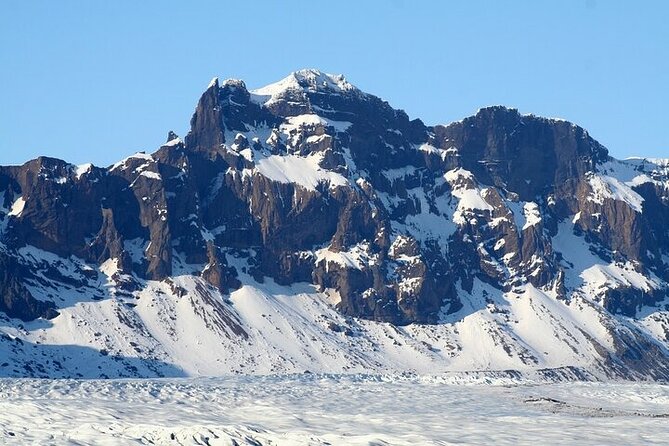
Then you’re at Vatnajökull National Park, Europe’s largest national park. The tour calls out Iceland’s highest mountains, an alpine environment, and Europe’s largest glacier, Vatnajökull, with about 1 hour at the site. This stop works best when you treat it like viewpoint time rather than a checklist.
South coast essentials: Vik, Reynisfjara, and Seljalandsfoss
Day 7 moves along the south coast with a few classic stops spaced for winter driving. You start with Vík, including a photo stop with the black lava beach and high bird cliffs. Expect dramatic ocean energy—pounding waves and wind that can change your photo plans fast.
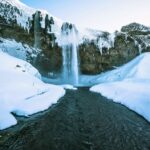
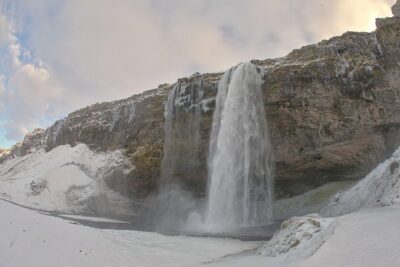
Next is Seljalandsfoss, a waterfall described as dropping from an overhanging lava cliff, with the ability to walk behind it. The tour includes admission here (and notes not to expect staying dry). This is one of those stops where the “experience” is the path, not just the view. Plan for wet clothes at least at the edges, and bring a waterproof layer if you have one.
Then the day ends with Iceland’s geothermal relaxation ritual: the Blue Lagoon. The tour includes admission and towel, and you get about 2 hours there. It’s a famous place for a reason: it’s warm water surrounded by lava field scenery. And yes, it can be busy, but as a thaw-your-body stop after cold days, it’s hard to beat.
One review also mentioned a real-world twist: Blue Lagoon closed due to volcanic activity, and the tour rebooked that person to the Sky Lagoon, which they found awesome too. That’s not guaranteed for every traveler, but it’s a useful heads-up: closures can happen, and the tour may adjust.
Reykjavík wrap-up: keep it flexible on Day 8
Day 8 returns you to Reykjavík for some downtime. Like Day 1, you can relax at your hotel or explore on foot near Laugavegur if you have time. It’s a gentle end after days of full driving schedules. That flexibility matters, especially if your flight timing is flexible too.
What you get for the price (and what it means in real terms)
At $3,186.01 per person for about 8 days, this isn’t a budget tour. But it’s not priced like a simple bus ride either. The value is in the bundle:
- 7 nights in comfort tourist-class hotels with breakfast
- Fully escorted 6-day bus tour with an English-speaking guide or driver-guide
- Included admissions at key sites like Vatnshellir, Thingvellir, Fridheimar, the Lava Centre, Skógar Museum, Eyjafjallajökull Volcano Information Center presentation, Seljalandsfoss, and Blue Lagoon
- Northern Lights program with Northern Lights Academy
- Winter aurora viewing equipment: spikes/grippers and a flashlight
- WiFi on board, air-conditioned vehicle, and parking fees
- Airport-to-hotel transfer via Flybus Plus shuttle
If you break it down roughly, that’s about $400 per day on average—not a perfect metric, but it helps you compare. In winter Iceland, hotels and transportation alone can swallow a big chunk of that number fast. The key question for you is whether you want the “I’m always told what to do and where to go” convenience, plus the structured northern lights teaching and night searching.
Who this tour fits best in winter
This is a strong match if:
- You want one organized route that hits glaciers, lava, waterfalls, beaches, and geothermal stops without extra planning
- You care about the northern lights experience and want more than just a bus and a prayer
- You like a mix of guided outdoor scenery and indoor breaks (cave, museums, volcano center, greenhouse)
It may feel like a lot if:
- You’re the type who hates changing plans or prefer long solo downtime between stops
- You’re extremely sensitive to cold and wind. It’s winter Iceland; you’ll feel it.
Should you book this Northern Lights tour?
If your priority is seeing Iceland in winter while chasing the aurora with real instruction, I’d lean yes. The best reason is the Northern Lights Academy plus provided winter equipment—those are practical layers that help you enjoy the nights even when the sky is moody.
Book it if you’re comfortable with an active itinerary and want the convenience of guided admissions and hotel stays. If you’re traveling on a tight budget, or if you’d be unhappy with weather-based variability around aurora viewing, then you might want to compare against a more flexible option. But for many people, this hits the sweet spot: you’re busy during the day, and you’re supported at night.
More Tours in Reykjavik
More Tour Reviews in Reykjavik
More Nights Under the Aurora
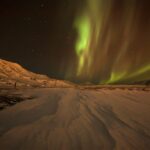
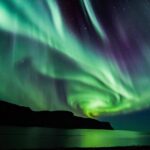
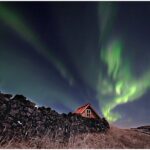
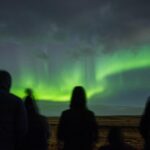
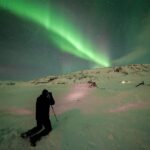
Fresh off the road around Reykjavik
Northern Lights Tours, compared.
 ★ 4.3Northern Lights Bus Tour with Hot CocoaFrom $7413,947 reviews
 ★ 4.4Small-Group Premium Northern Lights Tour from ReykjavikFrom $1072,977 reviews
 ★ 4.5#1 Northern Lights Tour In Iceland from Reykjavik with PRO photos2,887 reviews
 ★ 4.5Northern Lights Small-Group Tour with Hot Chocolate & PhotosFrom $1722,068 reviews
 ★ 3.5Northern Lights Night Tour from ReykjavikFrom $631,921 reviews
 ★ 4.0Northern Lights Bus Tour from Reykjavik with Hot ChocolateFrom $761,782 reviews
 ★ 3.7Northern Lights Tour with Lifetime GuaranteeFrom $731,578 reviews
 ★ 4.4Northern Lights Yacht TourFrom $931,253 reviews
Browse the lists this tour appears in